
Today, August 24, we were in Dublin, however we did not stay in Dublin. We had a guide, Derek, who had a whole day planned for us in County Meath. Dublin itself was founded in the 9th century with both Gaelic and Viking heritage. The Normans arrive around 1168, walled in the city. In 1922 Ireland became independent from Great Britain. Today Dublin is a financial hub, bustling port, capital of Ireland and a tourist destination.
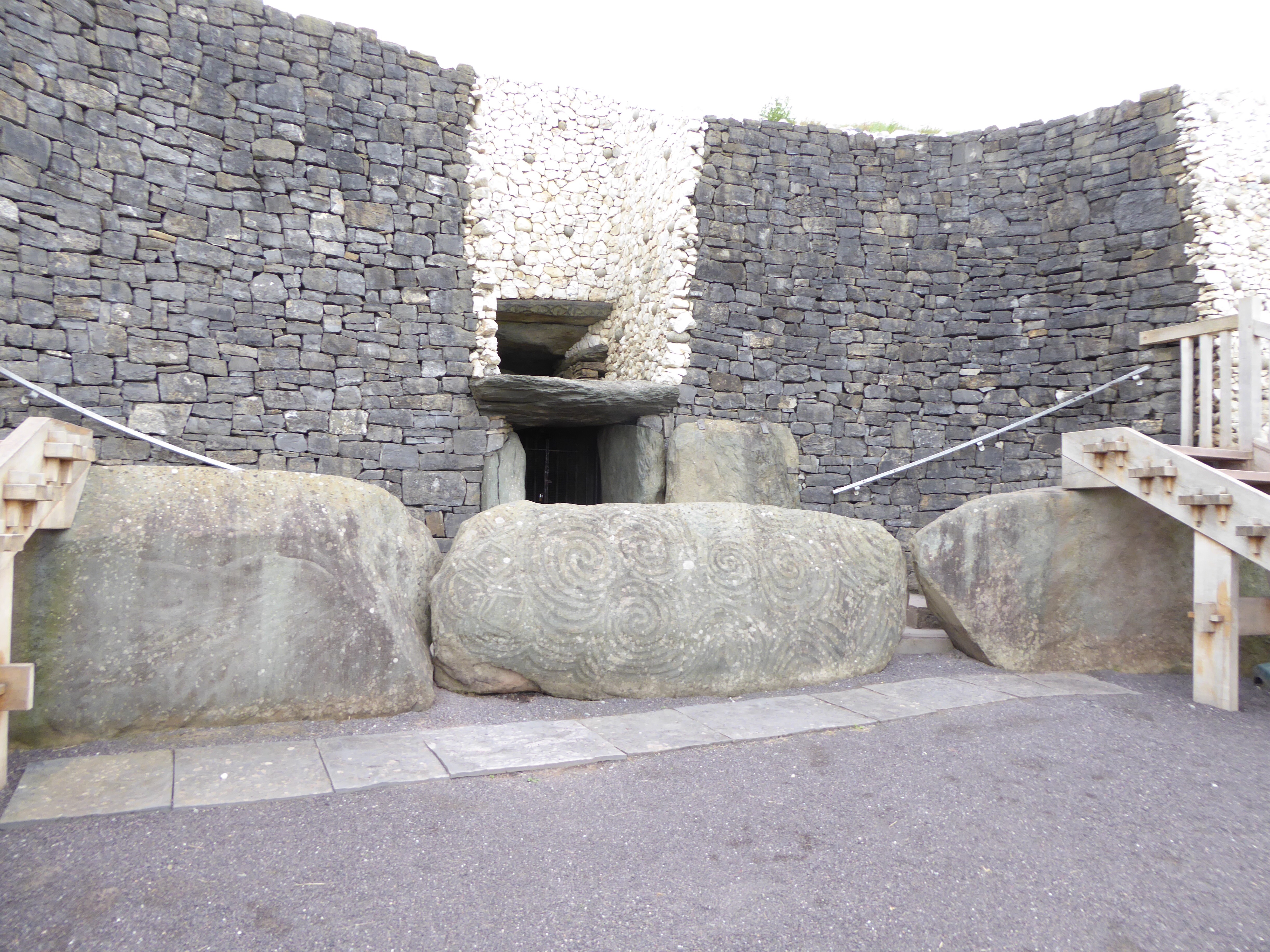
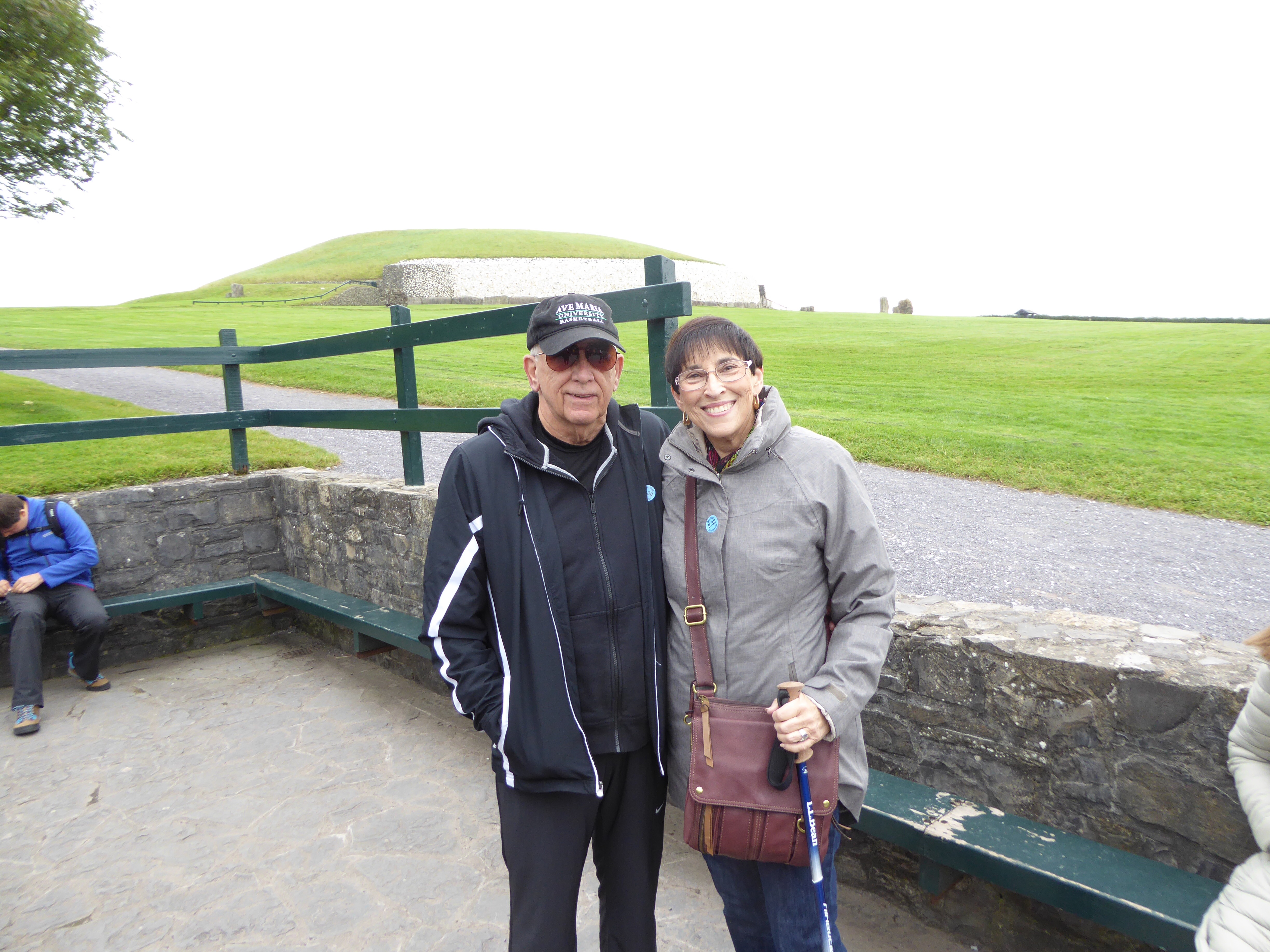
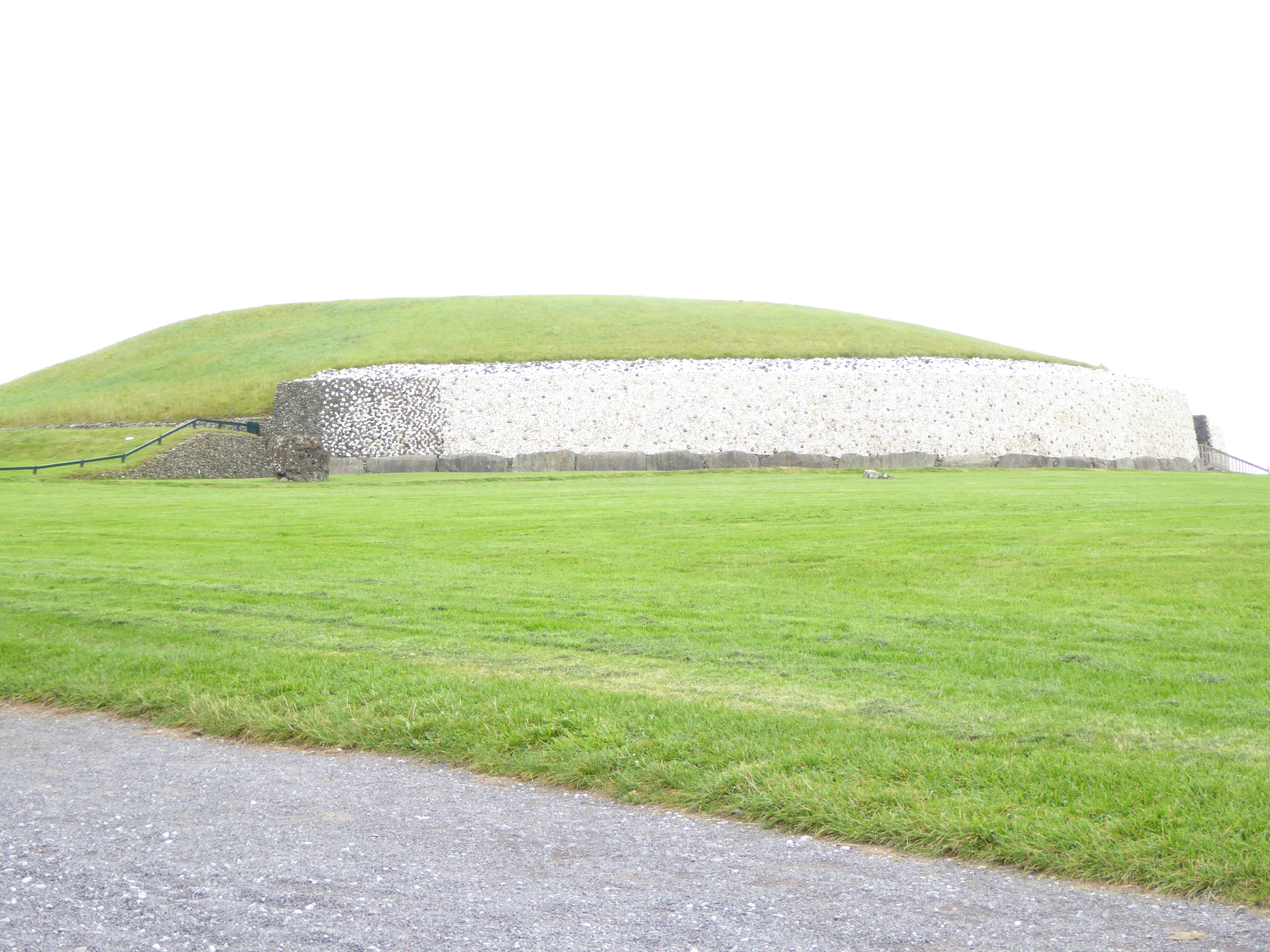
We left the city and headed to the Boyne Valley. A famous battle was fought here, but we were here to see tombs built by Neolithic peoples. There are over 40 tombs in this area, we went to Bru na Boinne, a UNESCO world heritage site. At this site there are 3 major tombs/mounds. The major one that we actually visited is called Newgrange. It is over 5500 years old, older than the Pyramids and Stonehenge, built of gigantic stones and smaller rocks. It lines up on the winter solstice with a beam of light entering the small box over the door and lighting up the interior chamber. It was rediscovered in 1699 and the exterior has been reconstructed. The interior is exactly the way it was when originally built. To enter you had to duck down under low rock ceiling beams and go side ways through narrow passages. It was quite something to see. The archeologists believe it took at least 3 generations to build. The second mound is called Knowth and it lines up with the 2 equinoxes. It too can be visited but we did not do that. The last one is called Dowth and was destroyed by an explosion. It lined up with the summer solstice.

Hieroglyphics on the entry stone

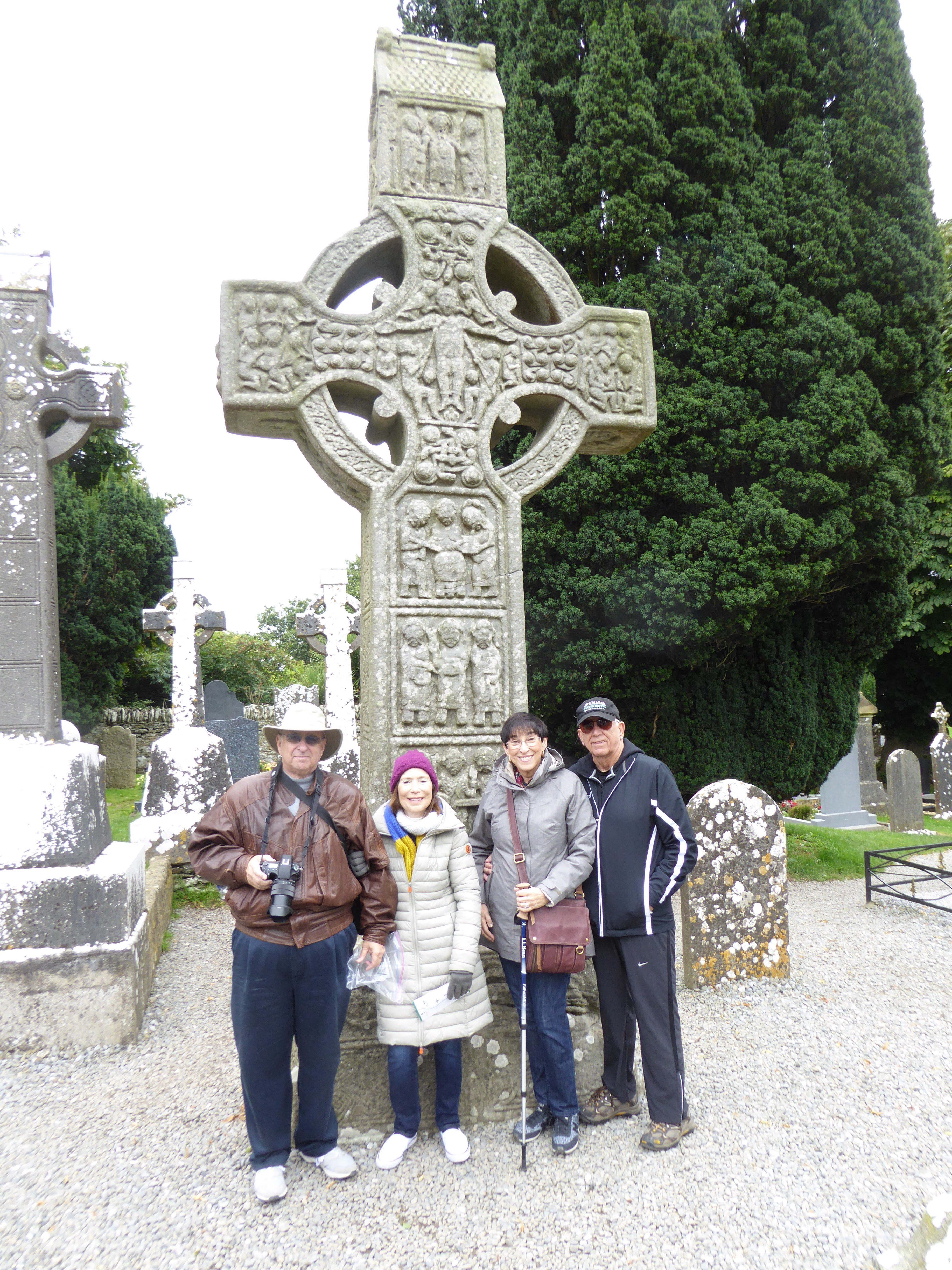
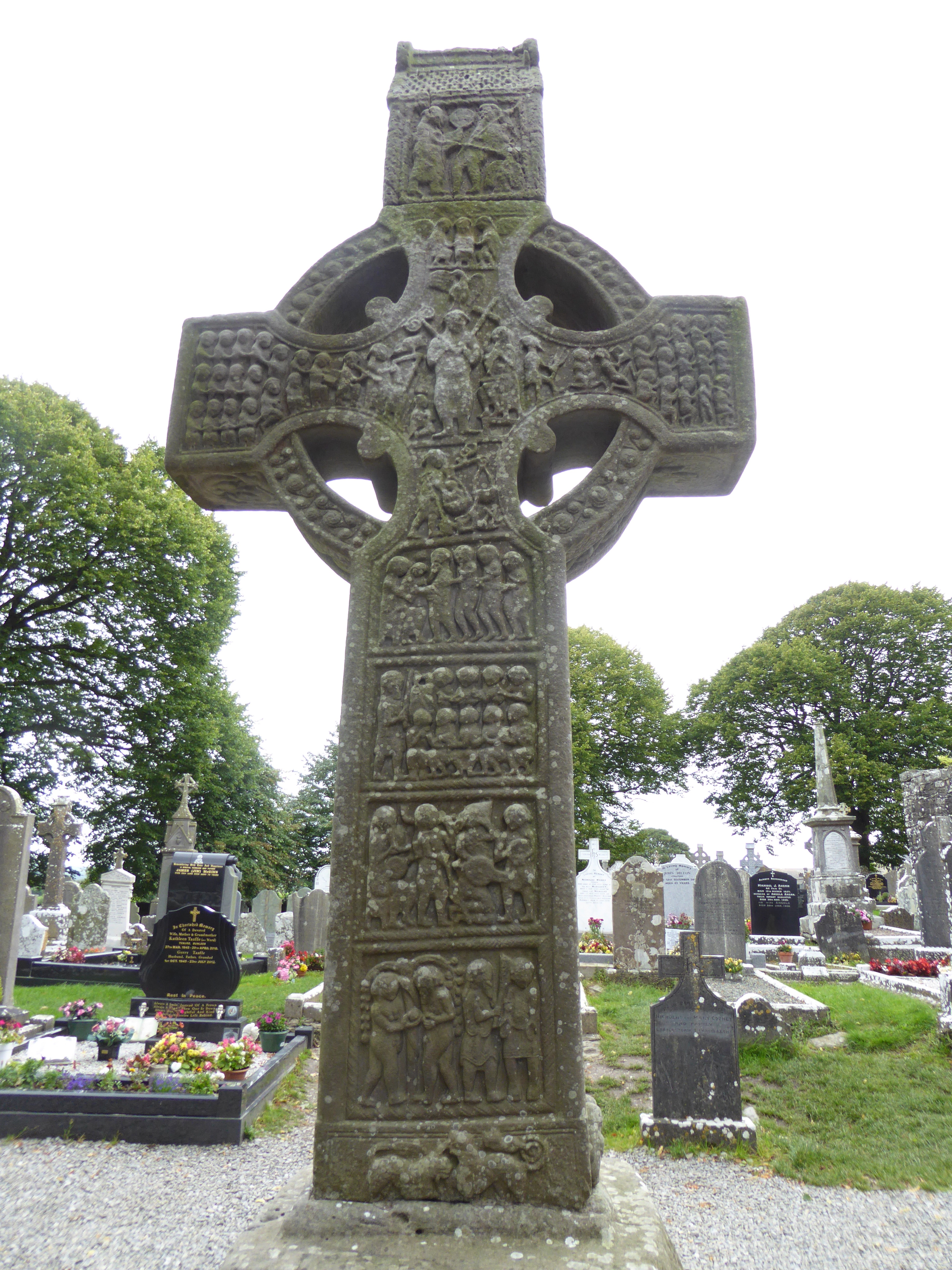
Our next stop was at Monasterboice, an old abbey. There was a tall tower that dates to 1070. It was attacked by the Vikings many times. The monks moved the scriptures to the top of the tower to protect them. There were two large carved, stone crosses, Murideach’s Cross and West Cross, which is the tallest in Ireland. The cemetery was very peaceful with family grave plots that dated back hundreds of years.


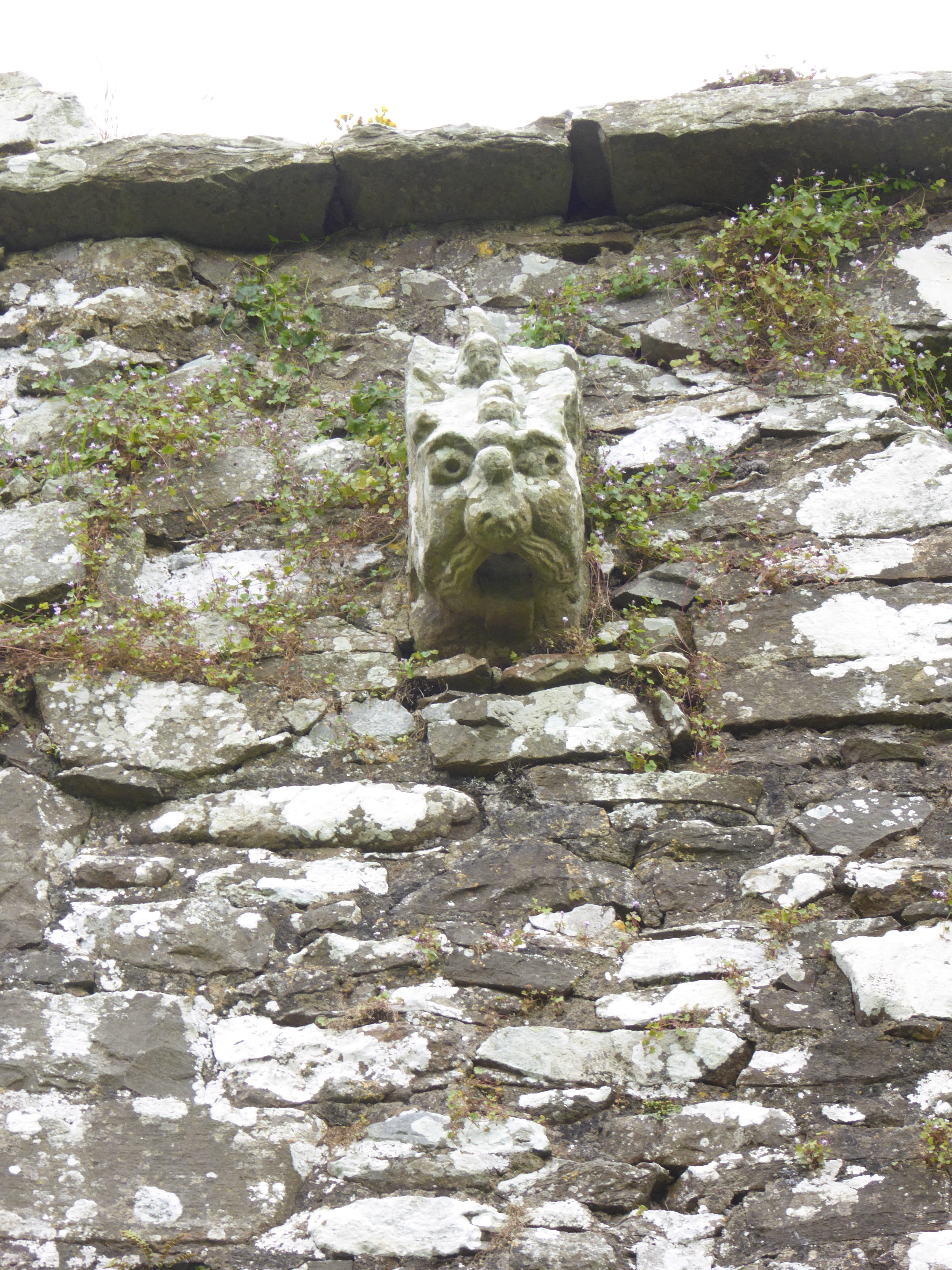
Our next stop was the Hill of Slane, where St. Patrick lit the first paschal fire in 433 which brought Christianity into Ireland. Today, the people of the area still light the fire every year. The Slane Abbey was built in 1512 and had hidden faces in various places.

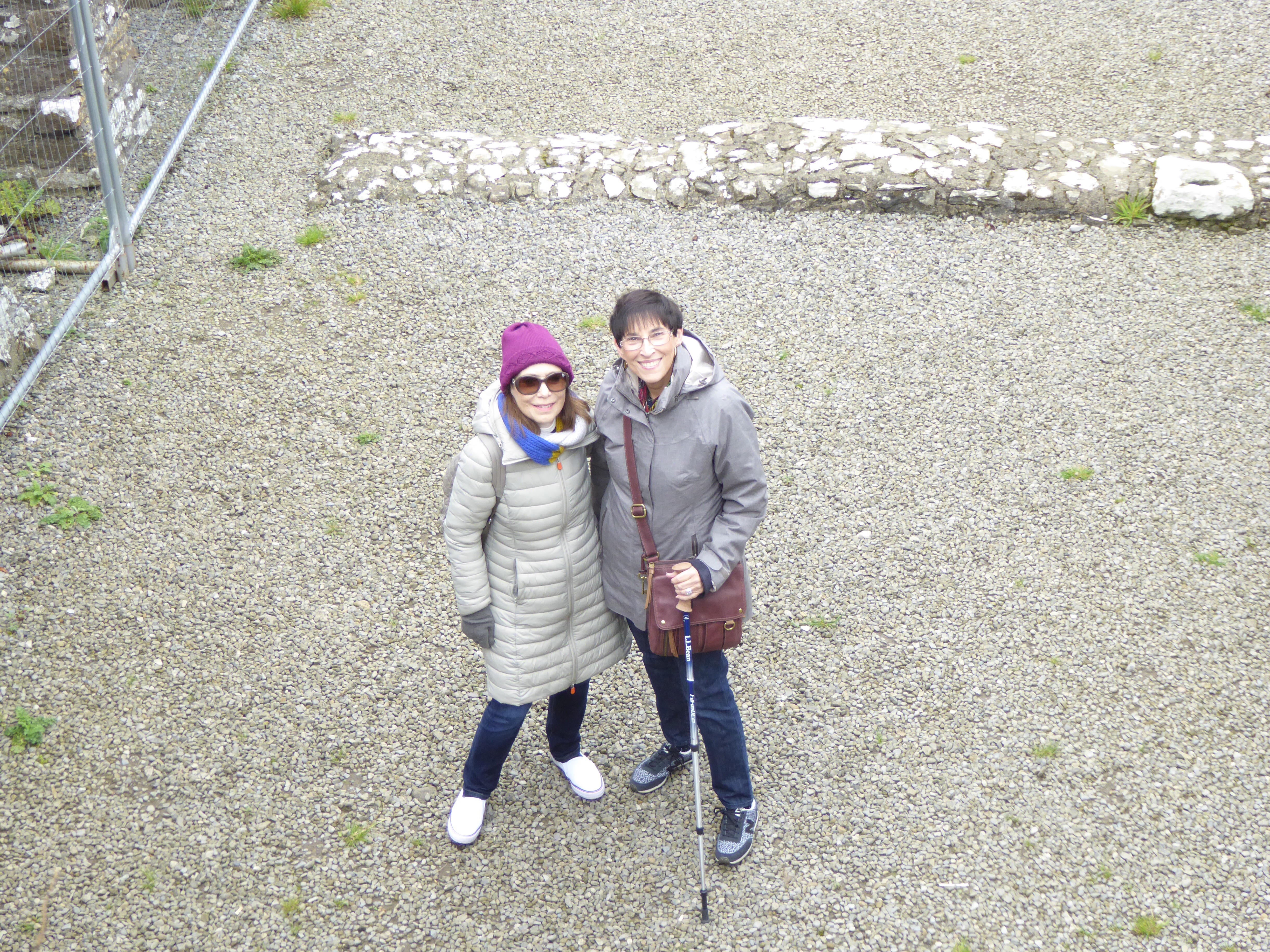
Derek Smith with the family gravesite at Hill of Slane

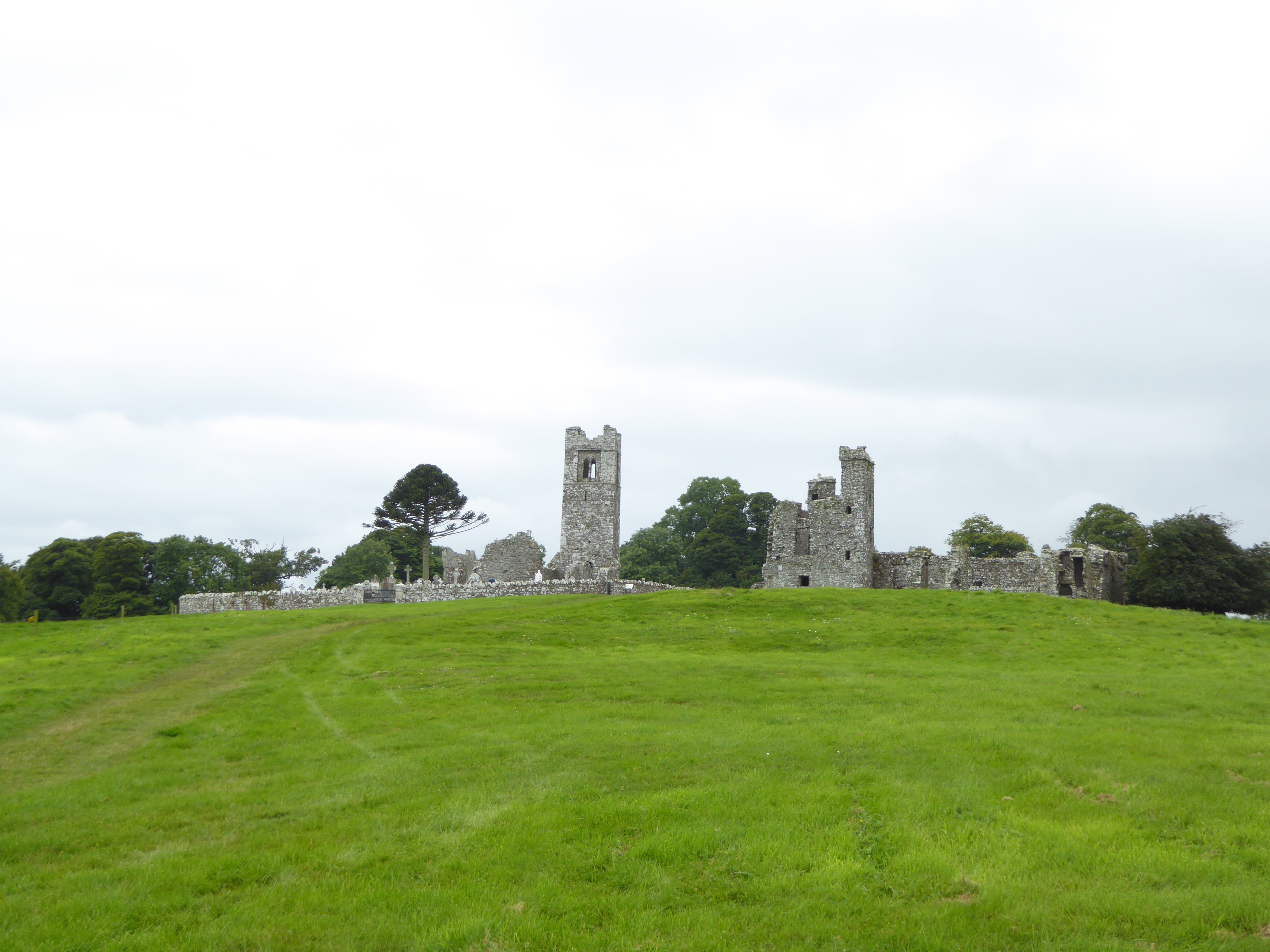
We next stopped for lunch at a delightful cafe right at the foot of the Hill of Tara. It was at the Hill of Tara that the kings of Ireland were crowned. Our guide explained some of the rituals – pagan rites that happened when a new king was being crowned. One of the most famous kings was Loegaire and they have traced his DNA to a good portion of the people in Europe today. They only had one queen, named Maeve.
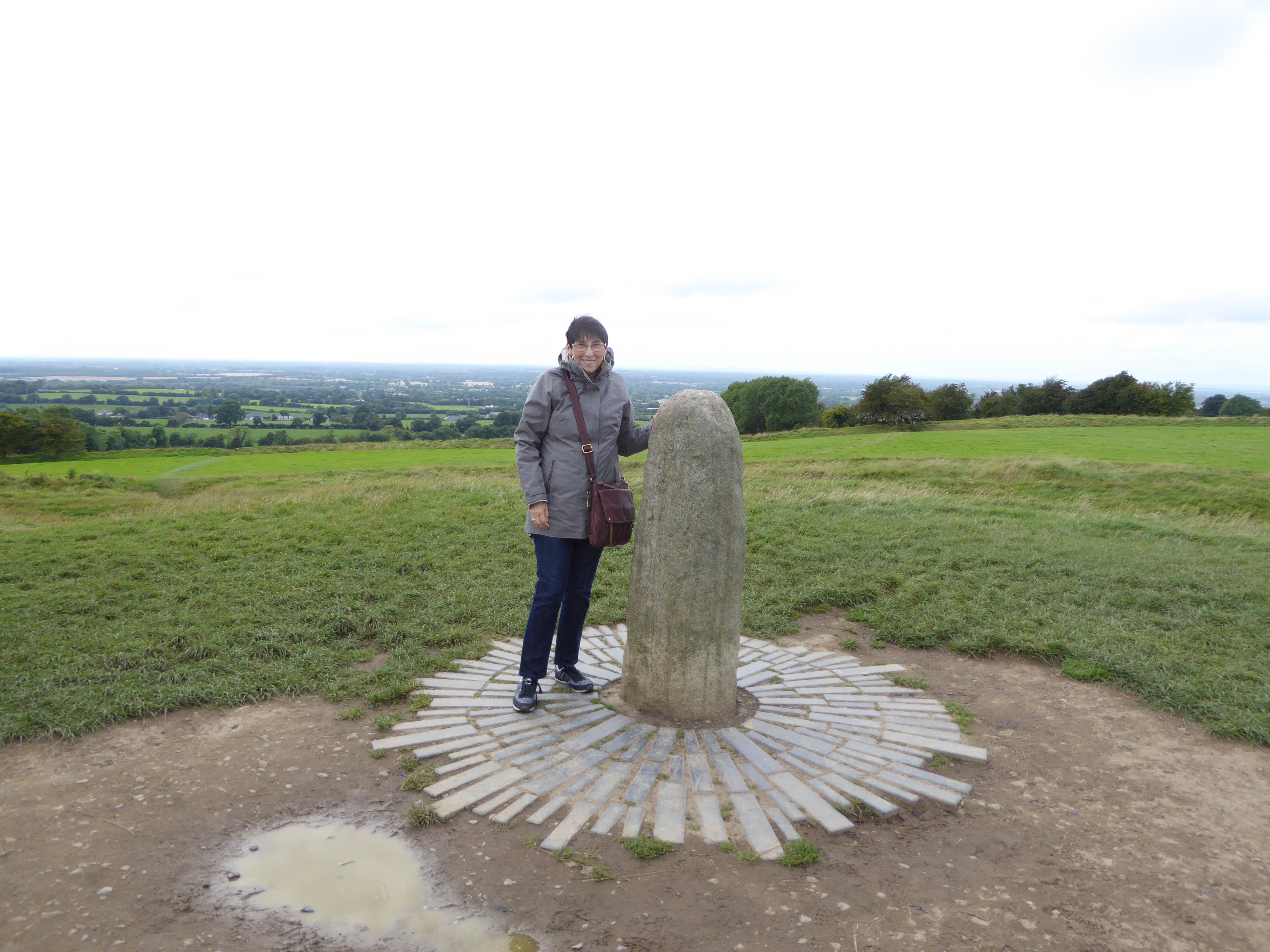

This is what the site looks like. When you are on the ground you can’t get this view.
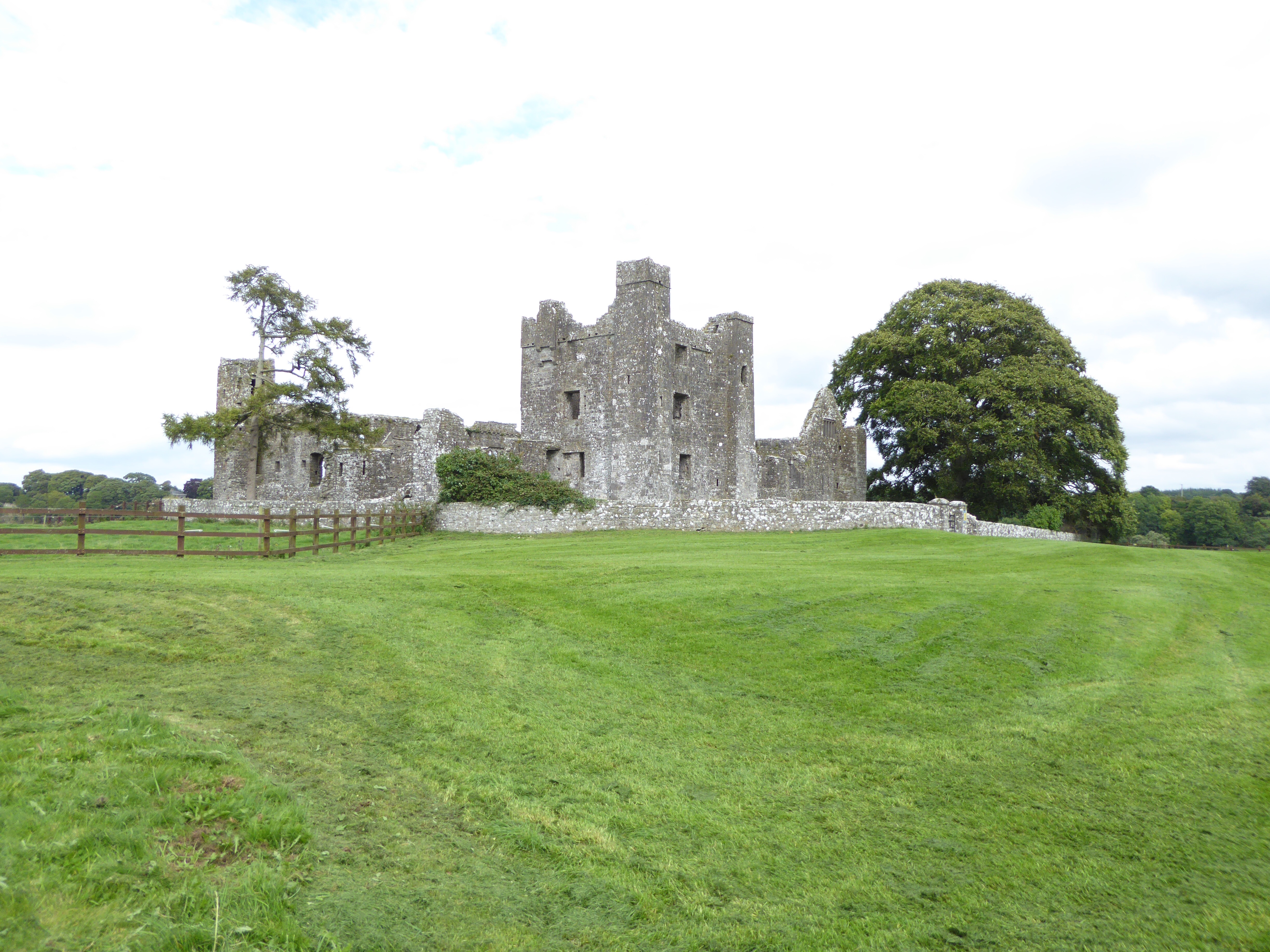
We made a quick photo stop at Bective Abbey, the second oldest monastery in Ireland dating to 1147. The trees surrounding it are about 410 years old. At different times it was a monastery, mansion and castle. We could see the different renovations that had been made over time.

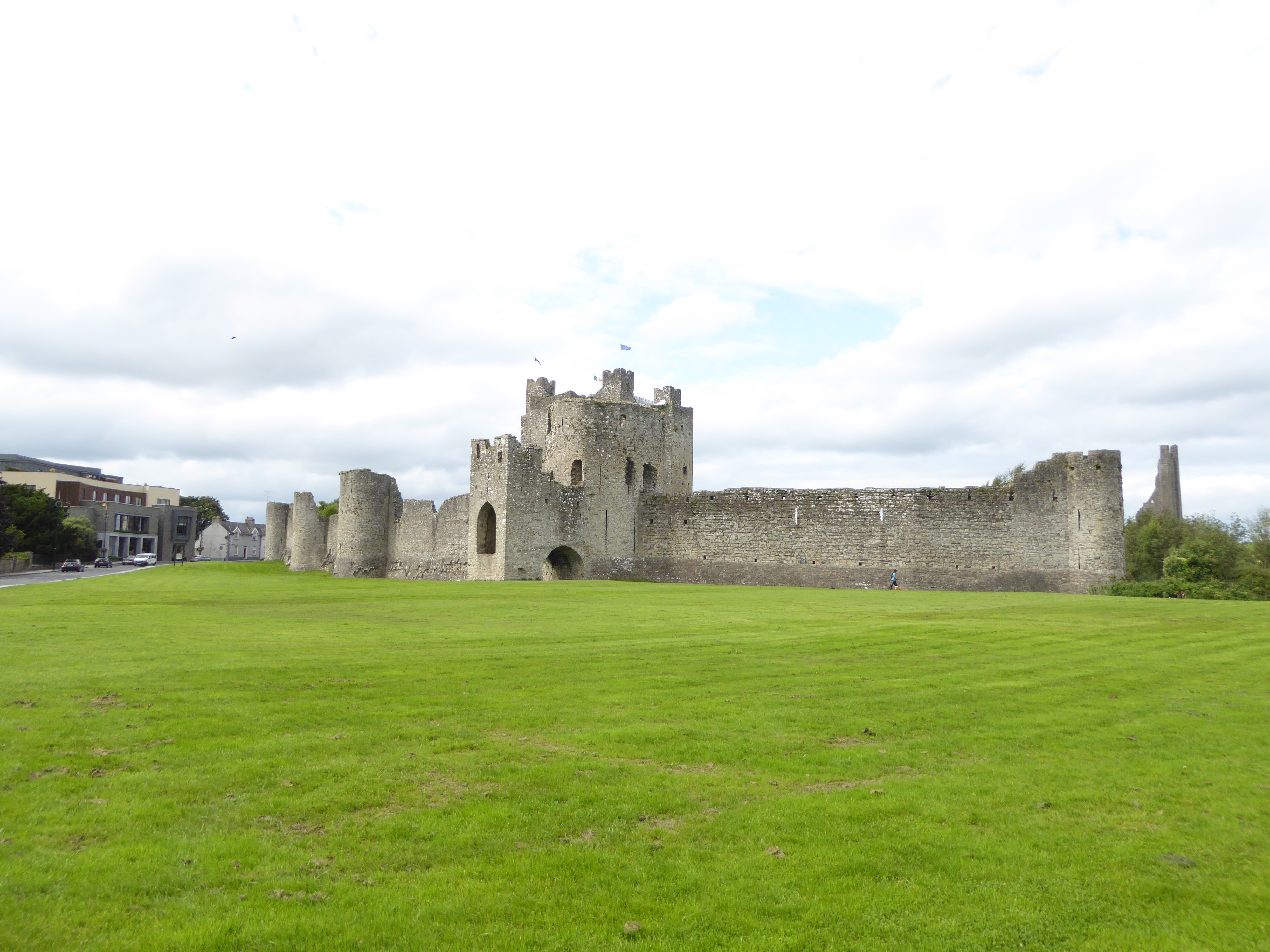
The last stop of the day was at Trim Castle. It was built in 1173, is the largest Anglo-Norman castle in Ireland and 3rd largest in Europe. It is in the center of the town of Trim and had been idle from 1446 to 1991. It is now part of the National Trust and being maintained.

We had a long day, but a very interesting one.


 Bette and Bob See the World
Bette and Bob, really enjoying your adventures! Looks like the weather is a little on the cool side in Ireland? We look forward each day to your blog!
LikeLike
We went to Newgrange in 1982. Our first trip abroad and we spent 2 weeks in Ireland. Loved it there (they speak English!). Know you are having a wonderful trip. Love, J
LikeLike
That is a lot of info to be absorbing! Sounds like an interesting trip
LikeLike