
Today was one of the best on this trip. As I explained we were supposed to be here for 2 days getting to do 2 different tours, one each day. We had done enough wine and port tastings and opted to go to the Cóa Museum.
We had to drive up into the mountains to get to the museum. It was a pretty drive and got to see some different landscapes. There were still vineyards but there were also areas planted with olive trees, almond trees and cork oak trees.
Around 1991, the EU was helping the Portuguese and Spanish people build a dam that would provide water for both countries. As the digging and infrastructure was beginning a small discovery was made, Paleolithic rock art. There were many protests once this discovery was made public, because if the dam was built this area of the Cóa Valley would be flooded and these antiquities would be lost. Fortunately enough noise was made, the dam was stopped and this wonderful museum was built to show the rock art and tell the story of how it was discovered. By 1996 the area became a National Park and in 1998 it was a UNESCO site. It happened so quickly because of the uniqueness of the discovery.
The building was very unique built into a mountainside with an interesting entrance, sort of like walking into a deep cave. We had an excellent guide. The art that was found is not like the art in the caves in France, which were paintings on the walls of the caves. These are etchings, into the shale. They appear white when viewed from a distance. They have dated them back to 25,000 years. The people who made them were hunters and gatherers. So far 4,000 drawings have been found on 600 rocks and the area is still being explored for more.
During Paleolithic times there were about 30 – 50,000 people in the European area. They believe these people were nomadic and several theories about the rock carvings exist. Some archaeologists think these drawings were spiritual symbols, some think they may have been maps or the 4 main animals – oryx, horse, ibex and deer – represented clans. These however were not the animals that these people used for food.


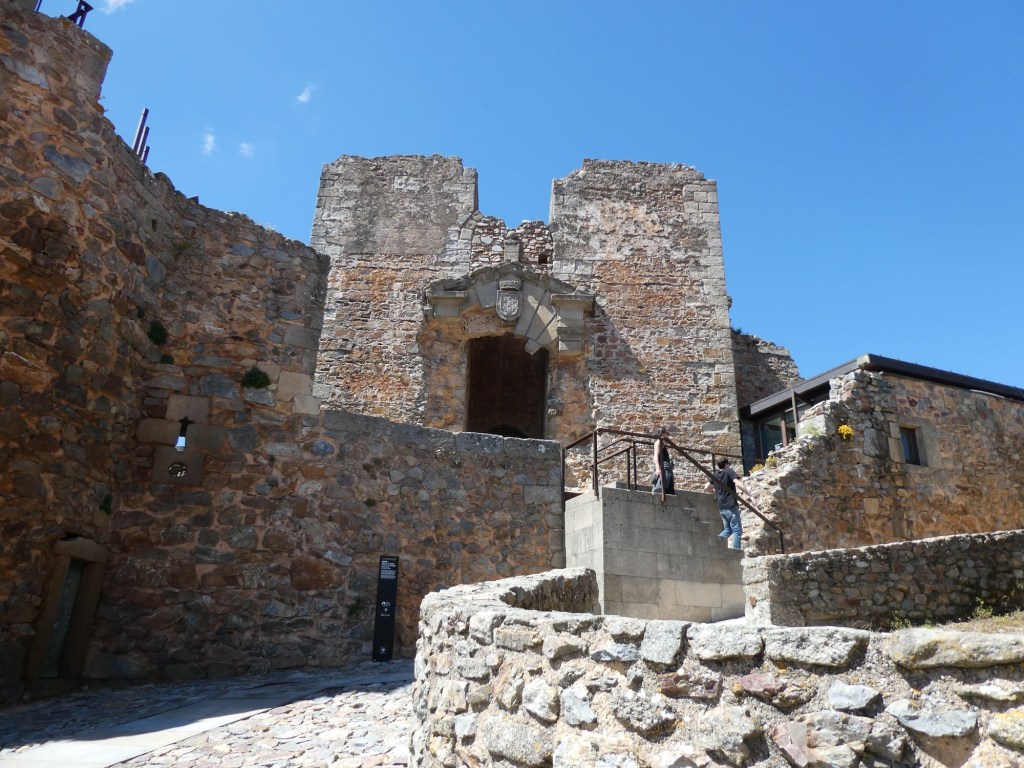
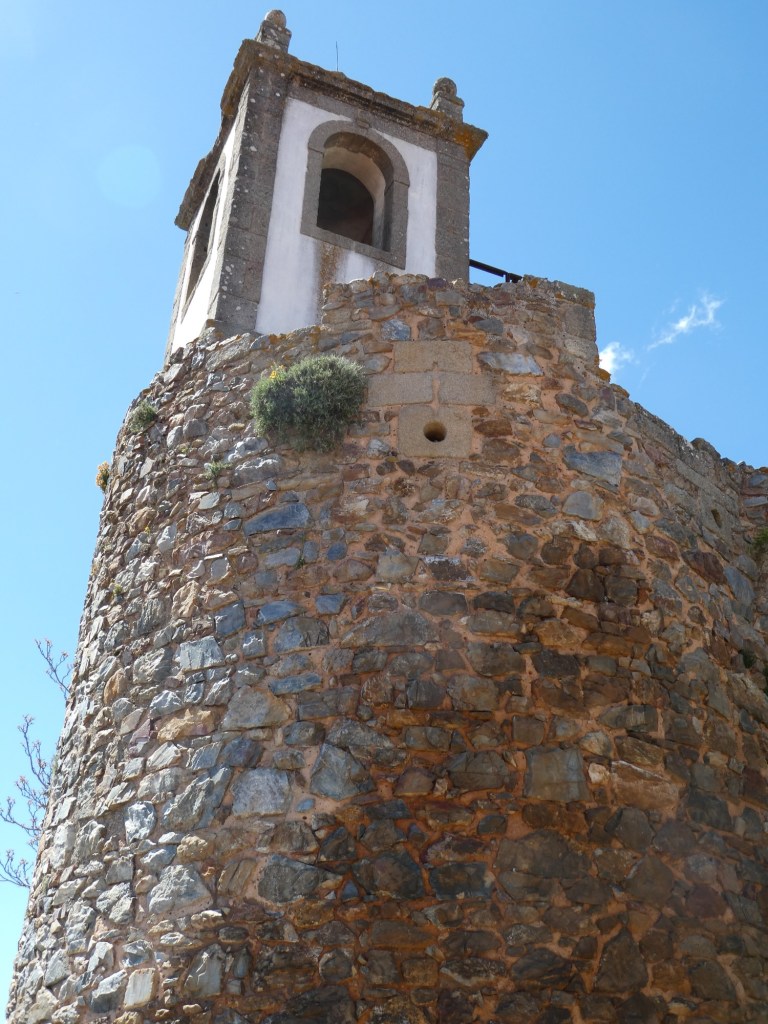
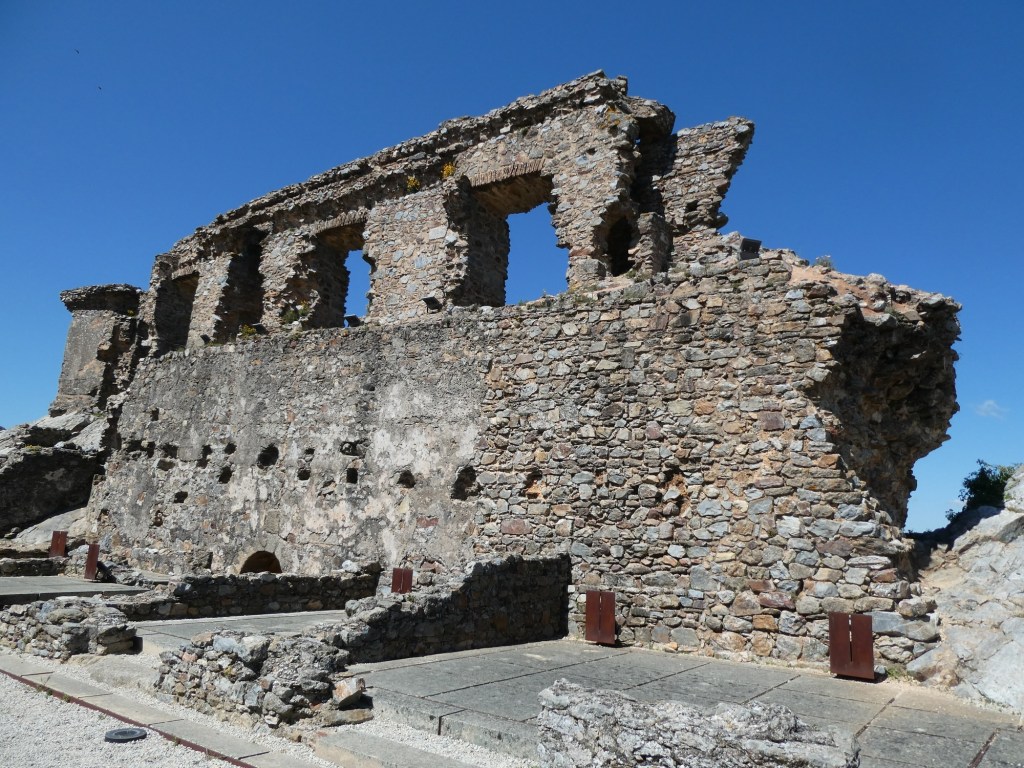
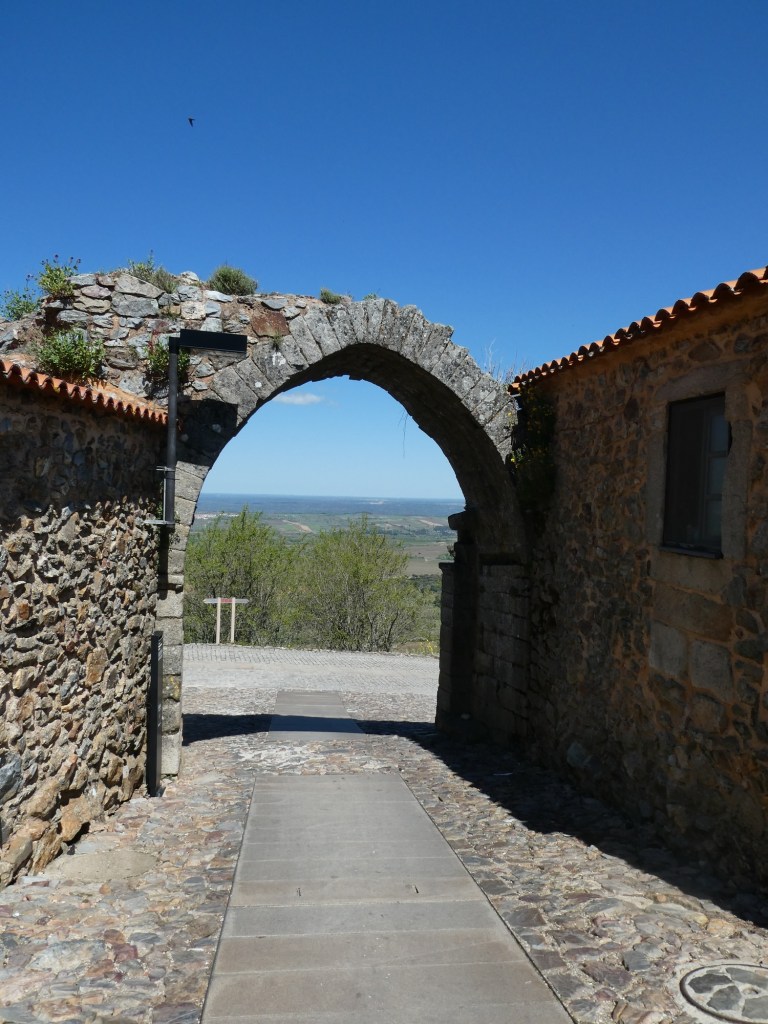
When we returned to the boat we set sail for Vega de Terran, on the border of Portugal and Spain. We had an afternoon tour of Castelo Rodrigo, a medieval town where the country of Spain began. There was a fortress and castle on the top of the hill. There were many well preserved homes as well. Many years ago, the EU agreed to fund 90% of any restoration work in this town. They brought in water and electricity, but it is all buried in the ground so it looks very much like it did in the 9th century when it was established. About 50 people currently live in the town. There were some small tourist shops selling wine, olive oil and cork products. There was a large Jewish community here until 1497, when the Jews were expelled from Spain.

We had our farewell dinner on the ship and a flamenco show. Tomorrow we are on our way to Madrid.
 Bette and Bob See the World
Recent Comments