
Although we have been to Reykjavik several times before, today we were taken to someplace new for us but very old.
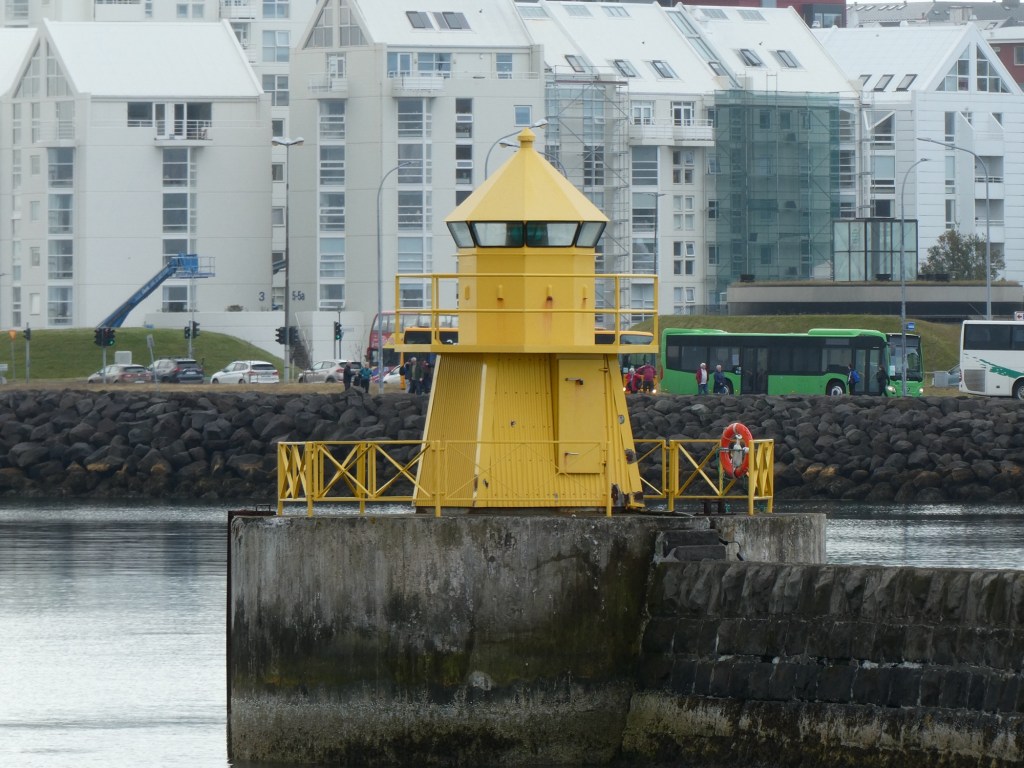
Our first stop was in the old harbor for a view back to Reykjavik. We were directly across from the Harpa Concert Hall and then a view of the mountains that surrounds the city. It was a very cloudy morning and there were lots of low clouds. There were also patches of sun. As our guide told us, this is very typical of a summer day here in Iceland.



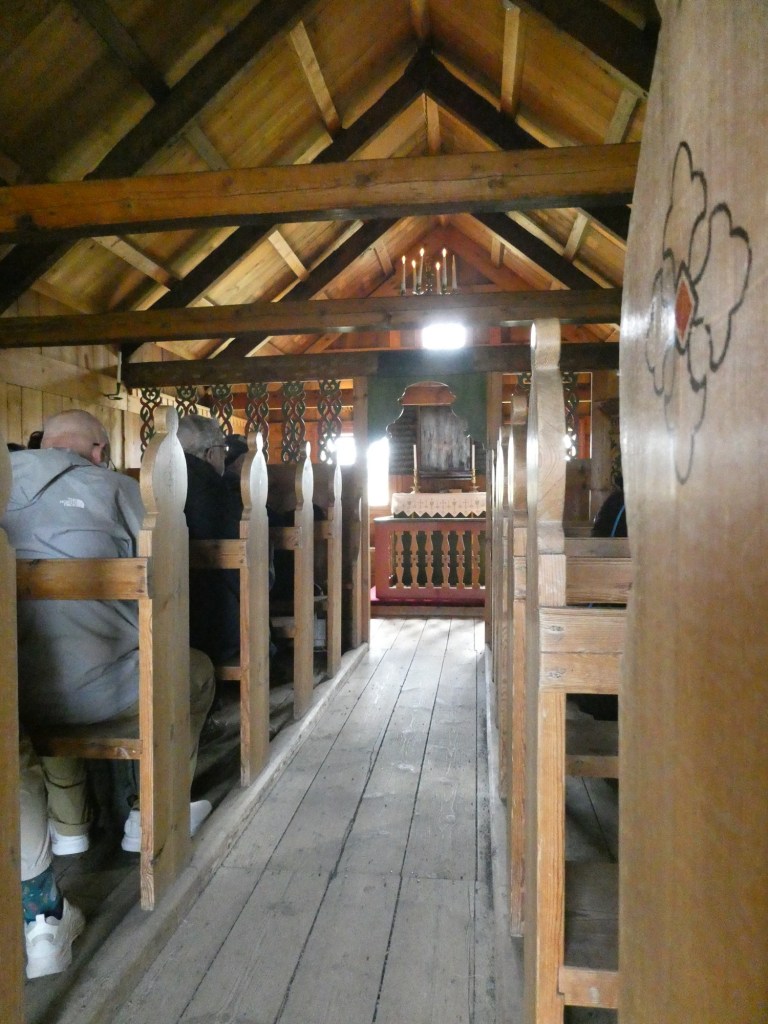
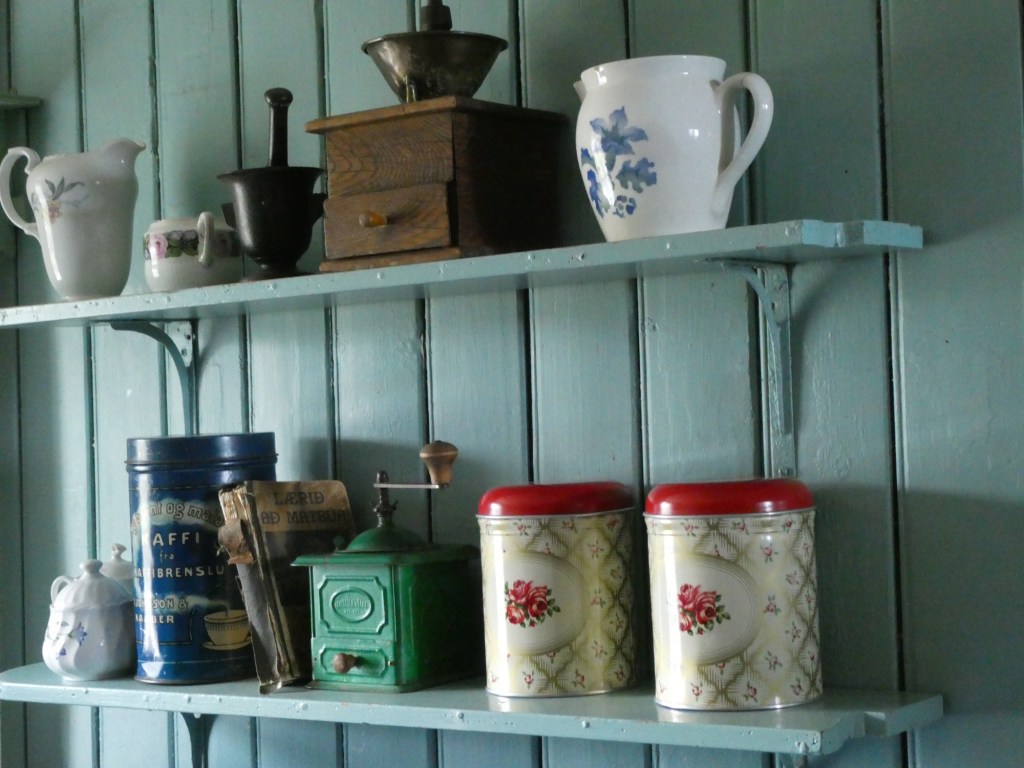
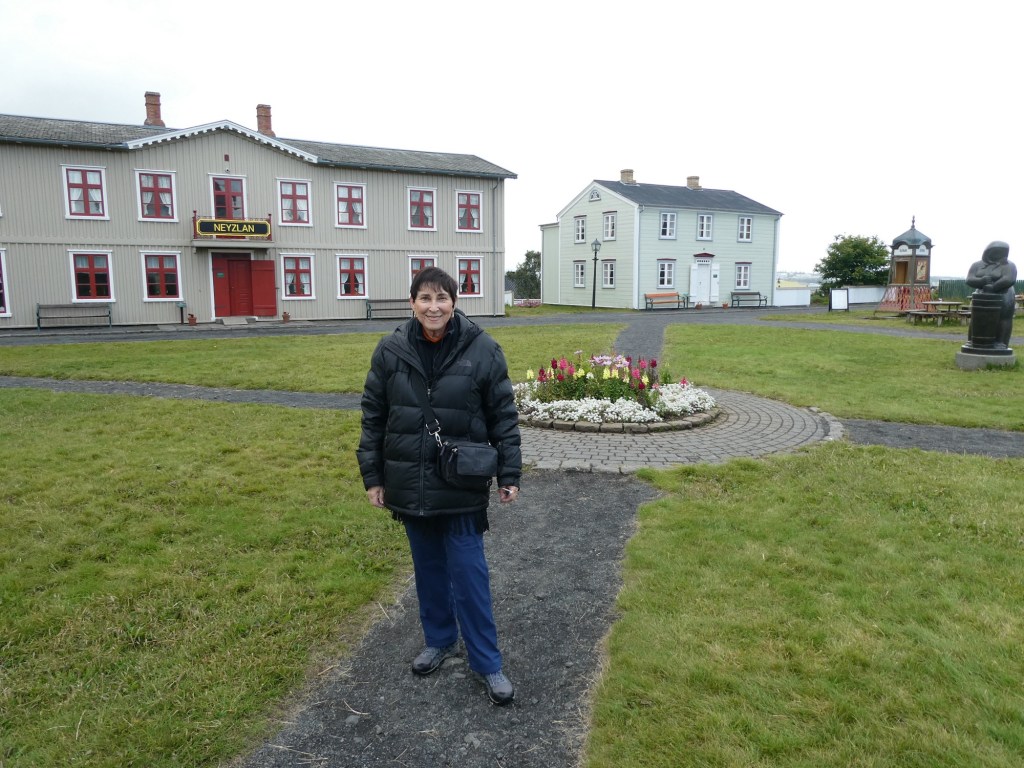
We then traveled about 20 minutes to Arbaer Open Air Museum. A little history of the museum: in the late 1950’s due to an influx of money to Iceland as part of the attempt to help the country become more modern people in the town began to tear down old structures to build more modern ones. The leaders realized that they were losing much of the original heritage of the area and approached a farmer who was no longer farming, about purchasing their property. It had several old buildings to include the original farm house from the 1700s and subsequent buildings the family had built over the ages. Once the family agreed to sell to the city, many of the old houses and buildings were brought to the site. We were able to see these original farm houses as well as a church, general store and many other buildings. Our guide was very informative about how life was in the times gone by and very proud of the heritage it displayed.





Some facts about Reykjavik and Iceland: the city and metro area has a population of 260,000, while the entire country has a population of 396,000. The climate is subpolar, but because of the Gulf Stream passing nearby the temperature is no higher than 56 degrees or lower than 32 degrees on average. However, the winds make it seem much colder. Reykjavik is the most northern capital city in the world, and the most western one in Europe. Fishing used to be the main source of income for the country, but in the past 5 years tourism has taken the top spot. Almost 96% of the homes in Reykjavik are heated by hot water and most of the electricity for this area of Iceland comes from their geothermal plants. The main road through town as well as the sidewalks have hot water heating under them, keeping them clear of snow and ice in the winter.
During our time on the tour we had several series of drizzling rain, followed by sun, and then cloudy skies. As the ship’s tour manager told us, if you don’t like the weather, just wait a few minutes and it will probably change.
 Bette and Bob See the World
Recent Comments