
The Bay of Islands, is a subtropical area on the North Island of New Zealand and contains 144 islands.
This area holds a special place in New Zealand history. It was here in 1840 that the Treaty of Waitangi was signed. This is the country’s founding document signed between the local population, the Māori and the British.
The word, Māori, means one people. The Māori inhabited the east coast of New Zealand for 1,000 years, but did not come to the west coast until 100 years later. All this land is very fertile, made from volcanic stone and ash. The Māori all came from different parts of the Pacific islands, as far as the historians know, none are original to New Zealand.
We are here in early January which is part of the school holidays. In New Zealand there are 4 holidays for school students. This long one around Christmas and then 3 shorter ones spread through the year. Part of the New Zealand culture is to camp. We passed many “holiday” parks and sites to enjoy outdoor activities.
Originally there were no land mammals in New Zealand. There were only birds. But when ships started to come here to trade, rats and cats escaped from the ships. Then they brought in possums to establish a fur trade and rabbits for their fur as well. These animals have become pests, killing the native birds and overrunning the land. Currently the goal is to rid all of New Zealand of these pest animals by 2050. There are clubs in communities who set traps. They even get paid from the government when they turn in the dead animals.
Timber is one of the largest industries in New Zealand. Because of the abundant rain in this area, 3 meters a year, the trees grow very well. A pine tree can grow to full maturity in 25 years where it takes over 30 years around the world. The pine trees are used for lumber, being sent around the world and for pulp to make paper goods. Unfortunately these items are not produced here. The trees are sent to foreign countries to process from raw timber to either building wood or paper and then New Zealand imports the finished lumber and paper. You would think they would figure out a way to process the trees here.
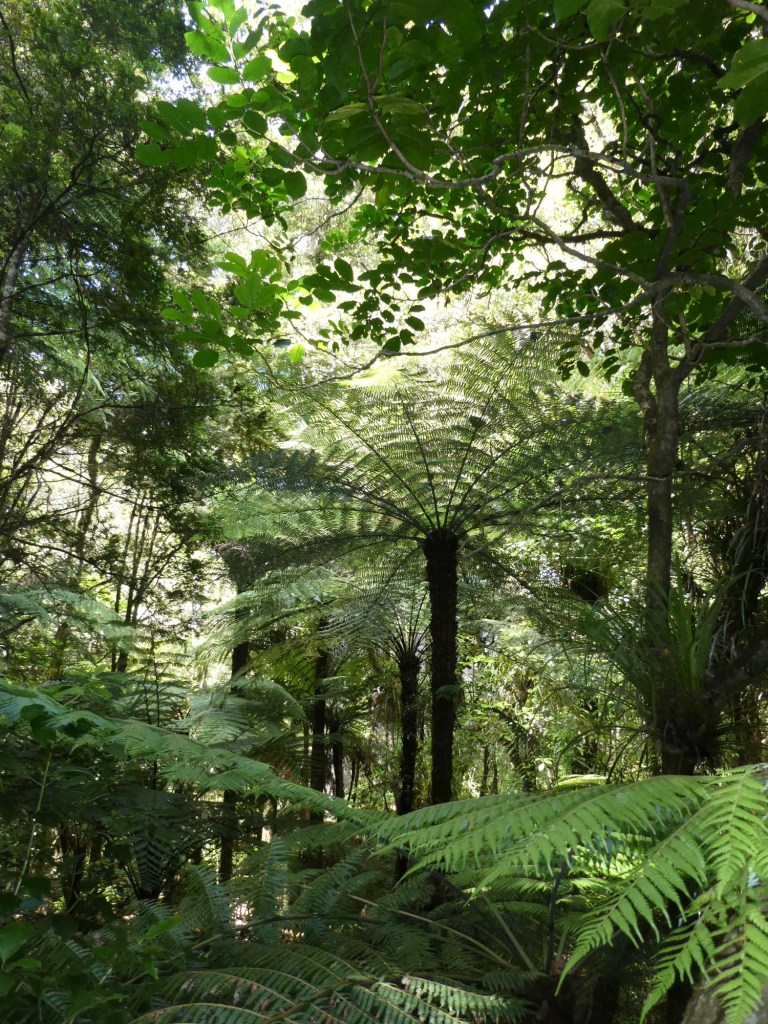
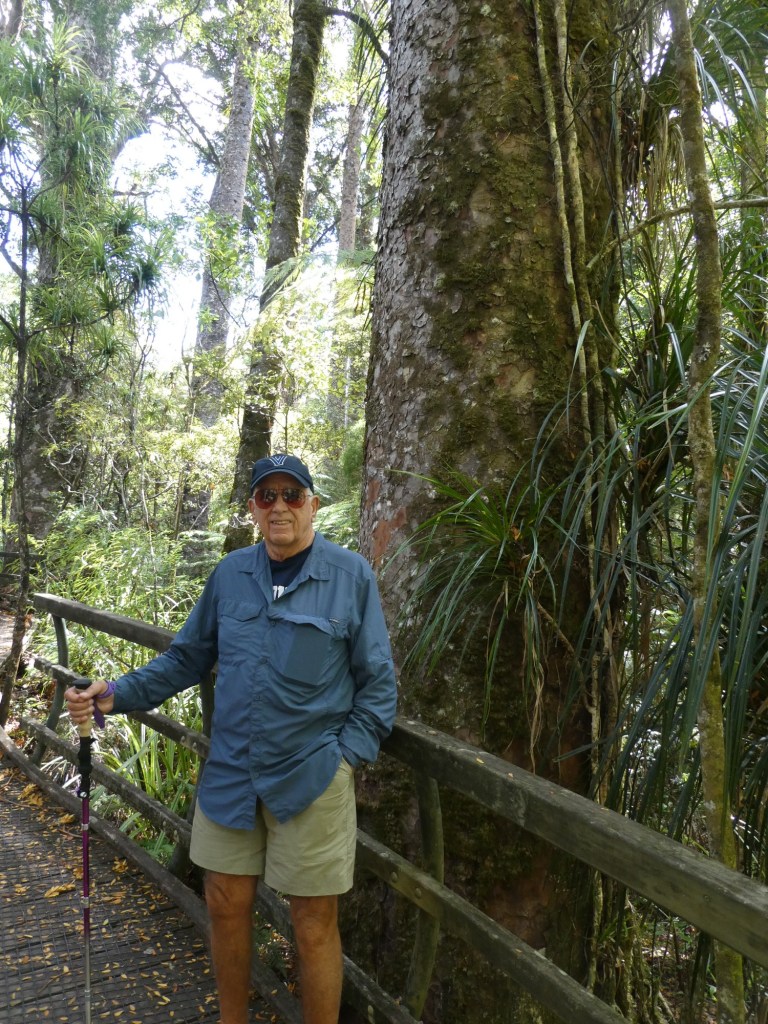
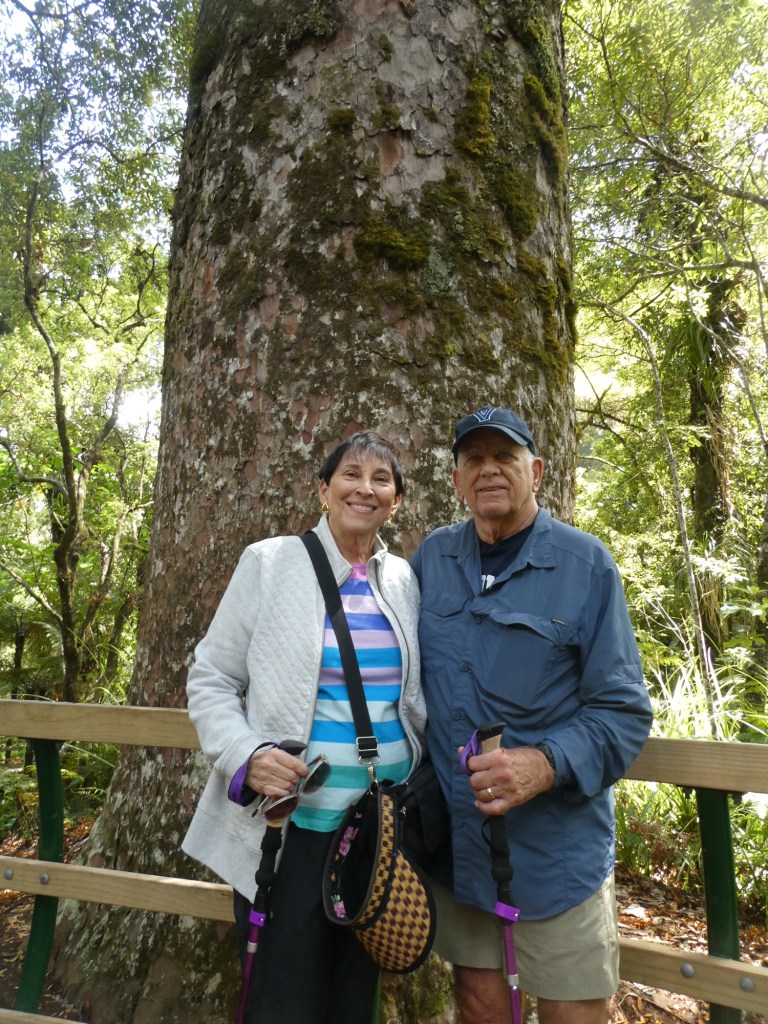
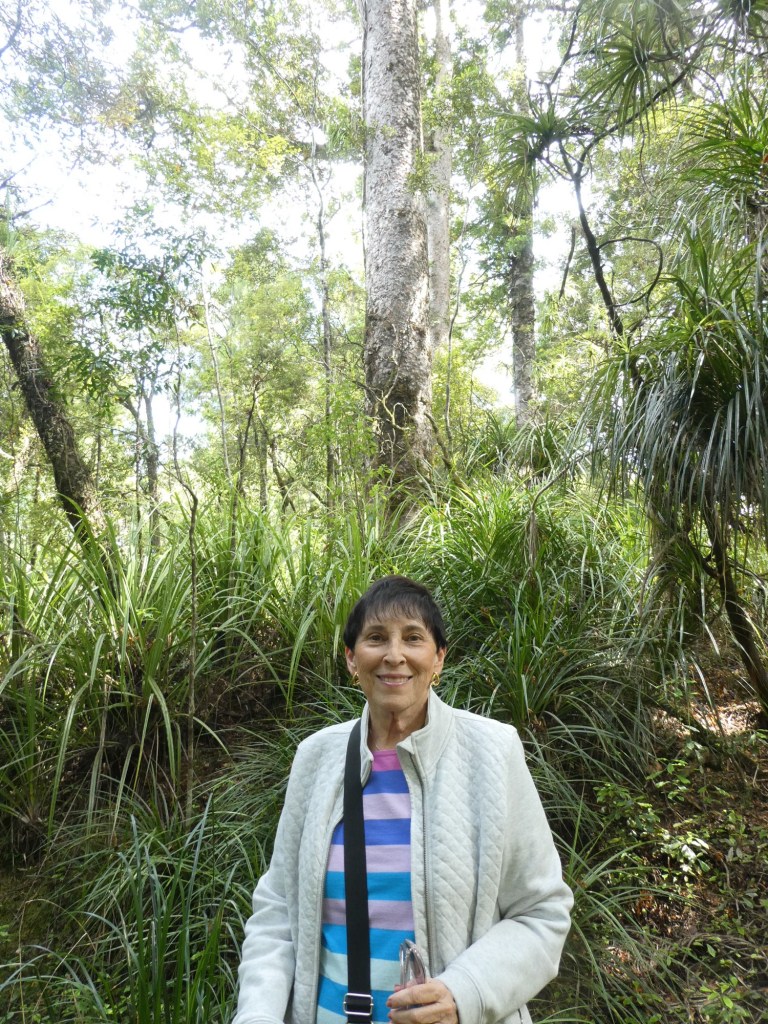
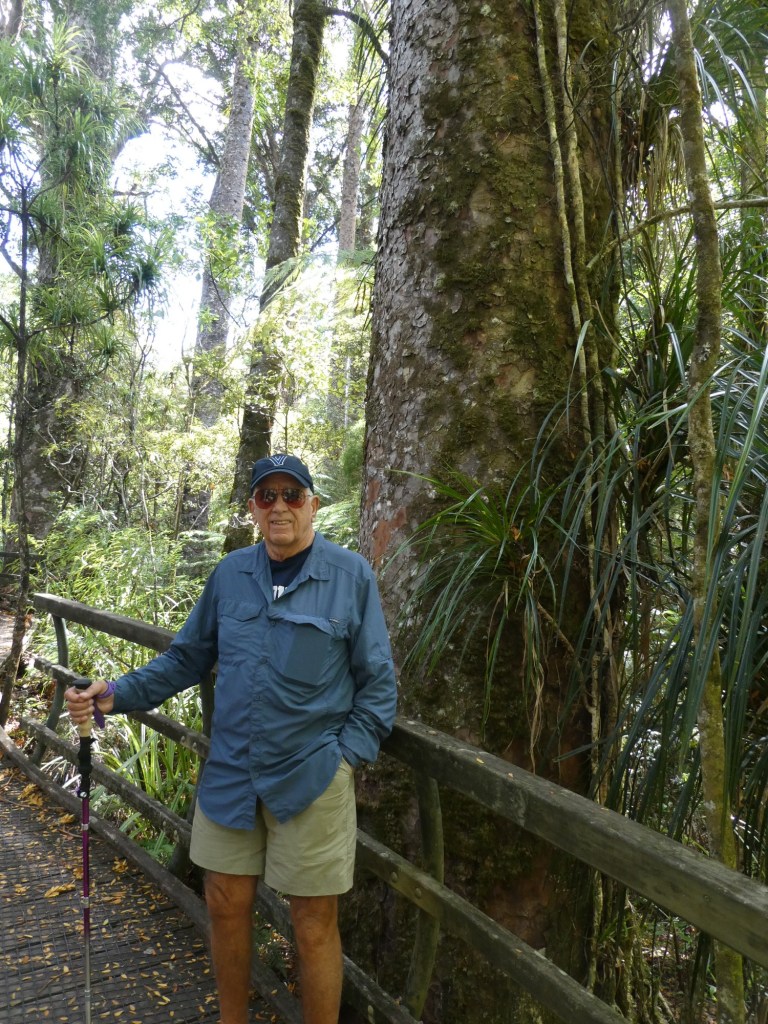
Our first stop on our tour was Puketi Forest. If you remember the wood on the museum, we came to see these trees, Kauri. Originally New Zealand was covered by these trees. They grow amazingly straight and tall. Because of this foreign traders took them down to use for sailing ship masts and wood for building. The trees are massive and the wood from them was used to build many of the original homes in San Francisco. Today only 3% of the forest exists and the trees themselves are protected as a national treasure. These trees only grow on the northern part of the north island of New Zealand. Some of the trees are 2,000 years old. They can determine their age by the girth of their trunk with 1 meter being about 500 years. We did a walk through part of the forest.



Our second stop was a visit to a glow worm cave. The Kawiti Glow Worm Cave is owned by a Māori family and has no government funding, something our guide was very proud of. It was discovered 350 years ago by a woman escaping from her violent husband. She lived alone in the cave for 8 months living mostly on sweet potatoes. We have no photos as they were not allowed. We walked on damp walkways and stairs, with hand held lanterns. Once we reached the center of the cave, the lanterns were extinguished and we could see the worms glowing. The area we were in held about 3,000 but the whole cave has about 15,000. Apparently there is no purpose in their life except to glow and reproduce. A glow worm lives about 365 days.
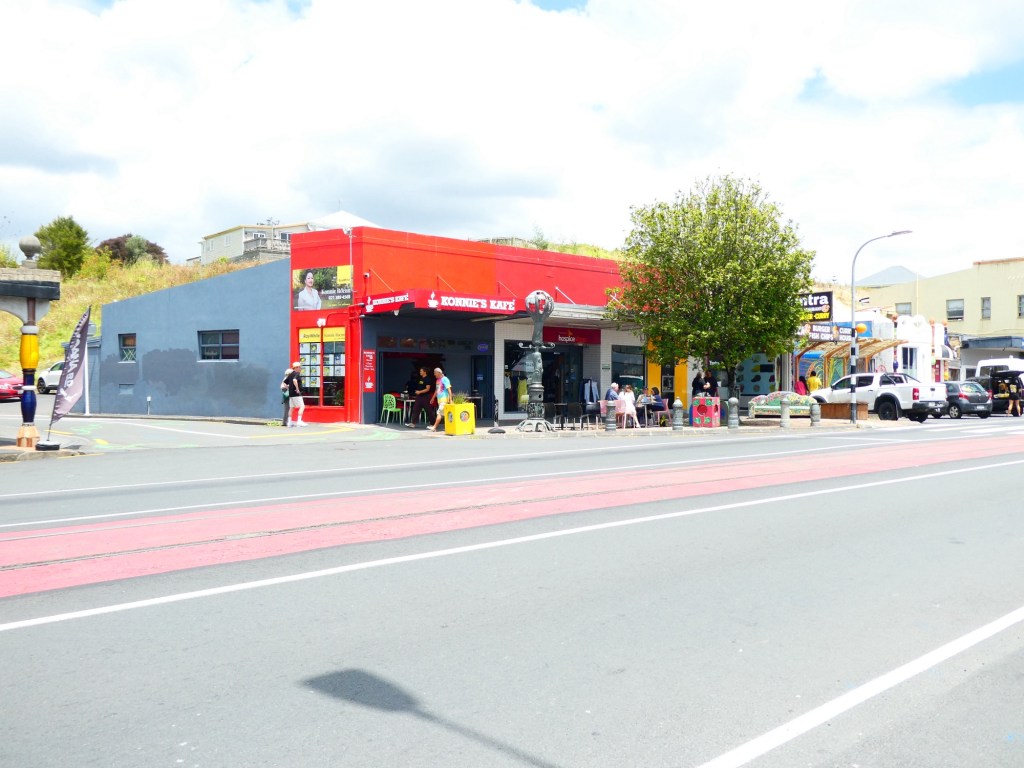
We returned to the ship after stopping in a very small town.


 Bette and Bob See the World
Recent Comments