
Napier is a city on Hawke’s Bay on the eastern side of the north island of New Zealand. The entire city was rebuilt in the Art Deco style following an earthquake in 1931. These buildings are the best collection of Art Deco buildings on the planet. Our guide, Jan, wanted to know if there were any people from Miami (should have asked about Miami Beach) where there is a very large collection of Art Deco buildings. The area is a big wine producing area. Our tour was to see the world’s largest colony of gannets – a sleek, White Sea bird known for its diving fish catching technique.
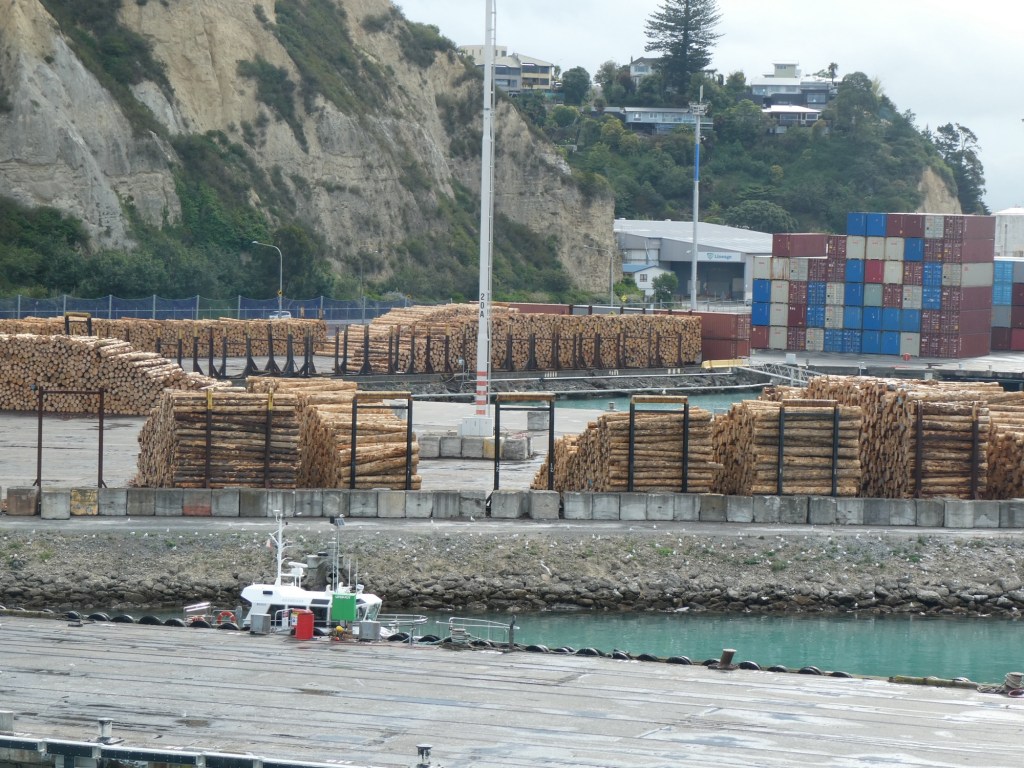
Napier is a major shipping port for lumber. Before Covid, 3 million tons of lumber went from this port. It is starting to get back to those numbers now.
The 1931 earthquake destroyed not only Napier, but the town of Hastings too. The towns are about 7 miles apart. The earthquake raised the land along the shoreline, adding 1,000s of feet of land. The wooden buildings in the town mostly survived, but any that were built of masonry did not. It took only 2 years for the city to rebuild. Although the buildings were built in the Art deco style, it was not until 1960, that they realized what a treasure they had and preservation began then. Our guide told us that in a few weeks they would have a huge art deco festival, with people dressing up in clothes from the 30s, old cars, parades and old plane flyovers.
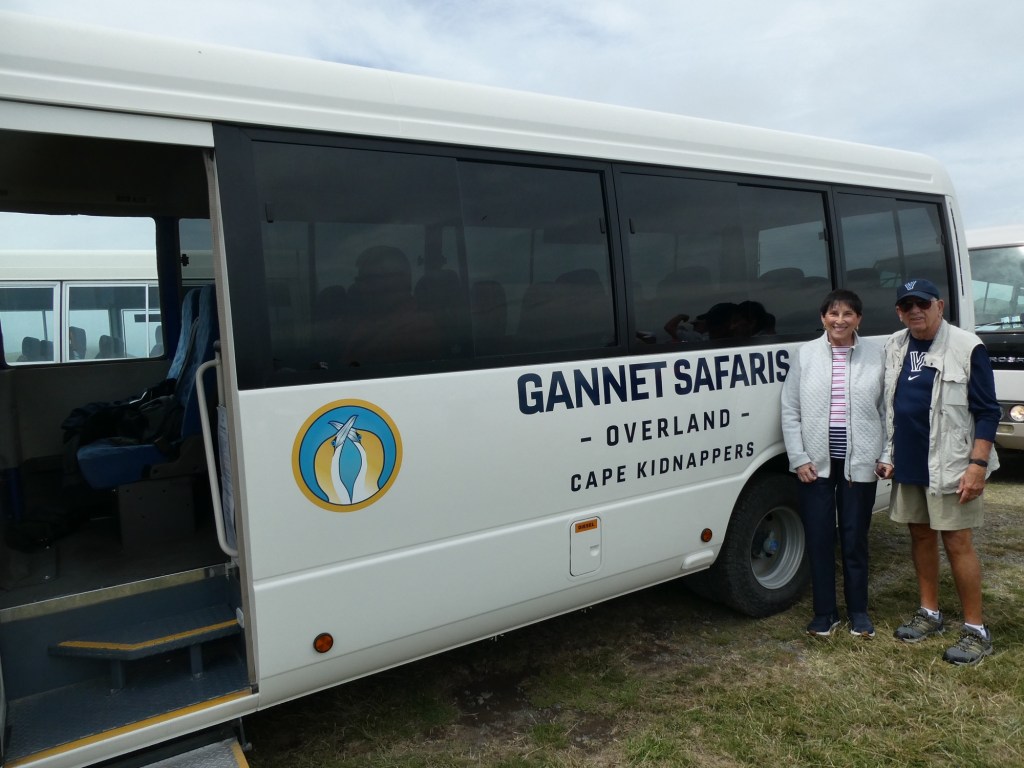
We drove through a few small towns to get to the entrance to the gannet area. We had to drive through privately owned land. The family had owned this property for 6 generations. They have sold some and currently only manage 2,000 acres. They have recently added a golf course and high end hotel, about $4,800NZD a night. They still farm, raise cattle and timber.
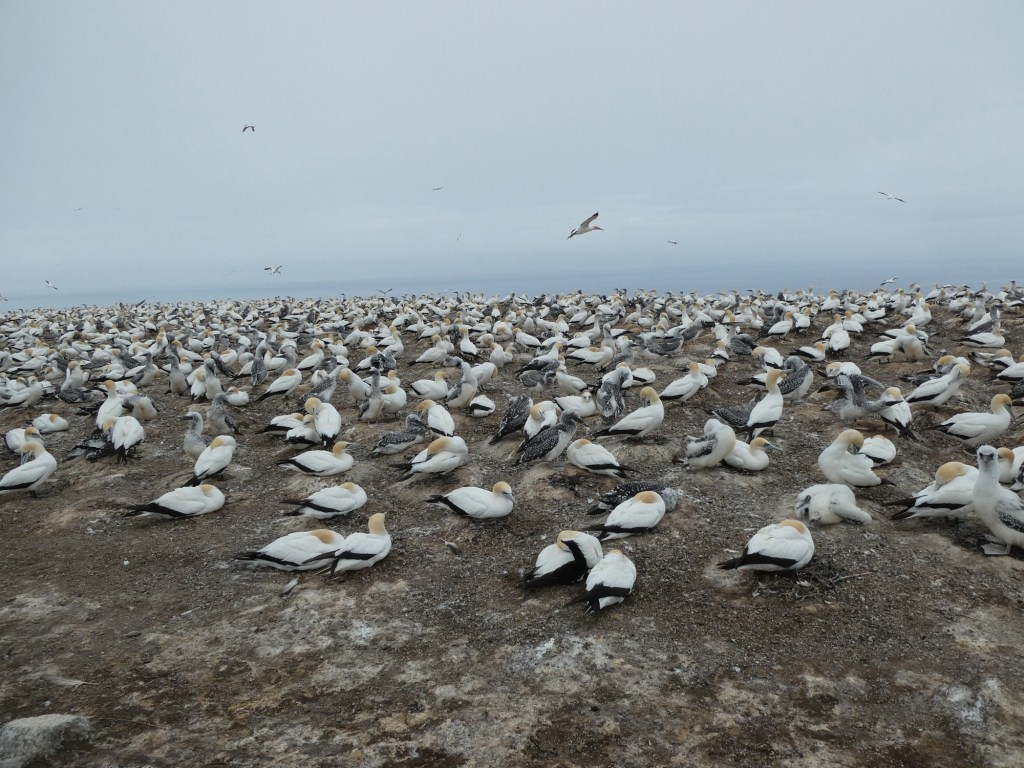
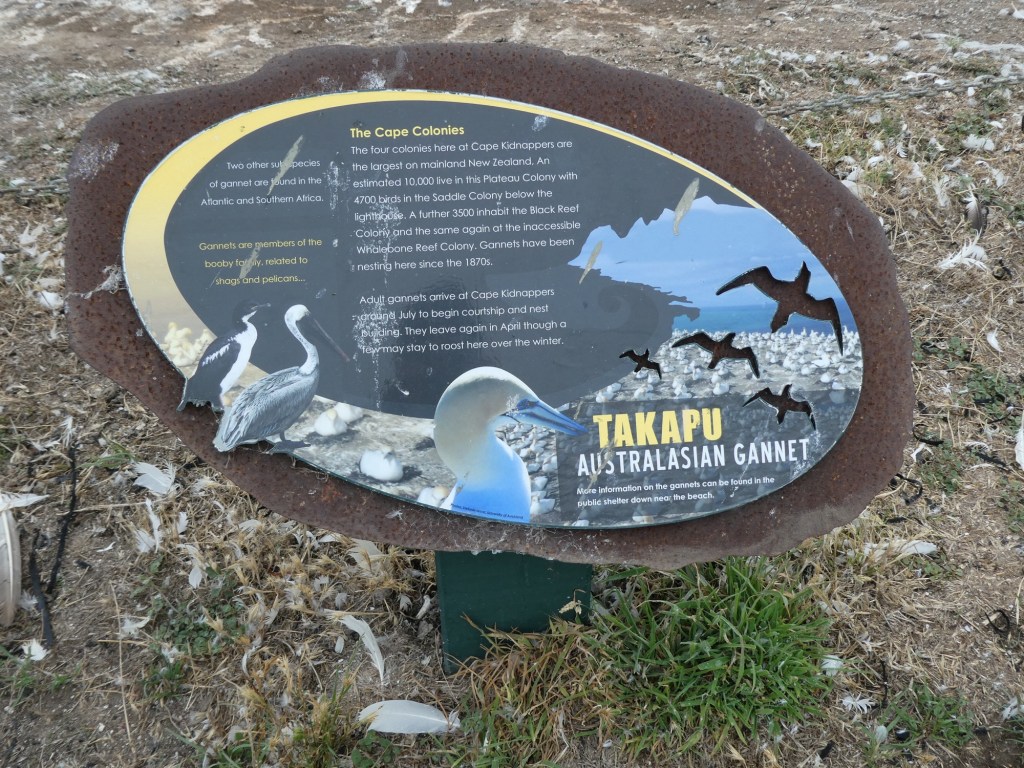
The gannet colony on Cape Kidnappers is the largest that can be easily accessed. There are about 20,000 birds in the area. There were 3 different sites we could see, 2 down below the cliffs, and one on the top of the cliff. The males return in July and August and start to dig a bowl shape to start the nest. When the females return, the males will use seaweed to drape around them as part of the mating. The new birds are hatched in November and December and by April the birds leave. We saw adults, some of the younger chicks which were white fuzzy birds and the juveniles which were speckled. Our guide told us that the juveniles would be fledging in the next month or so. These birds feed only on fish and dive deep, up to 100 feet, to capture their food. The first flight the birds make take them to Tasmania and other islands off the coast of Australia. When they leave they stay at sea or in the air until they return to nest in New Zealand.
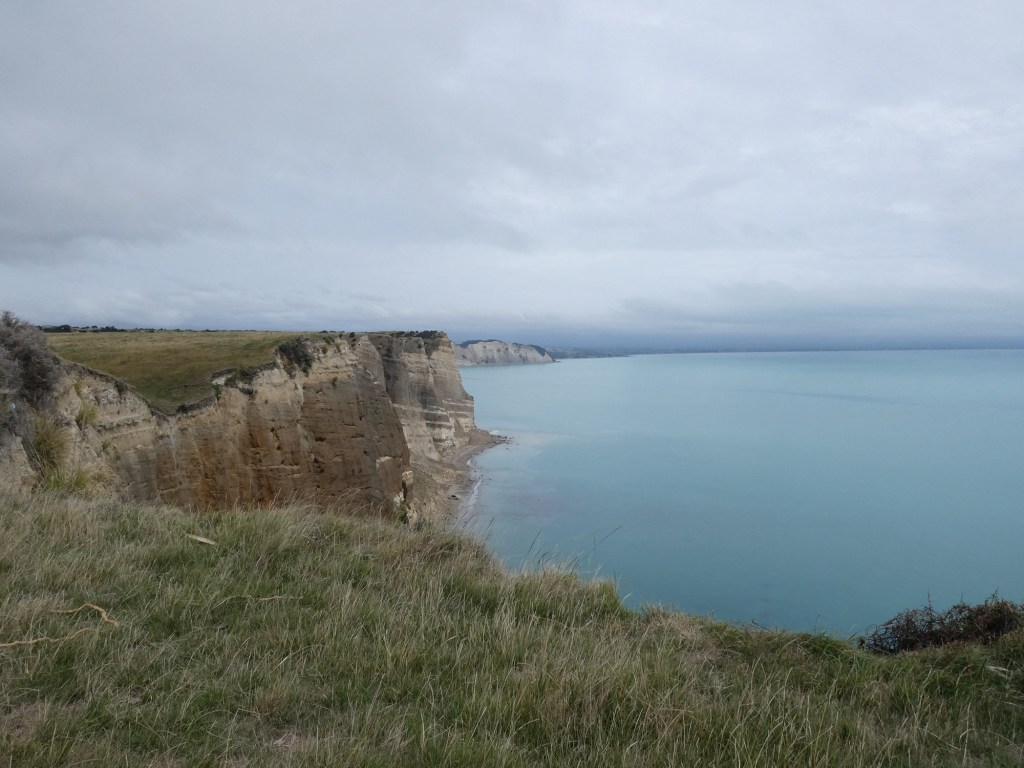
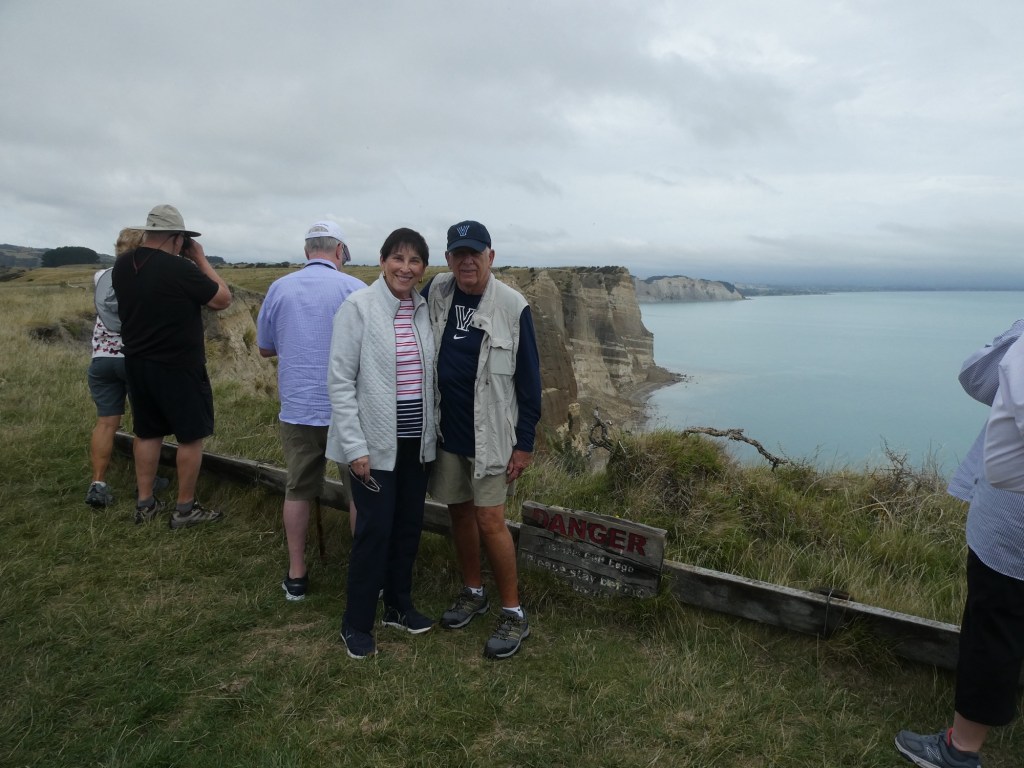
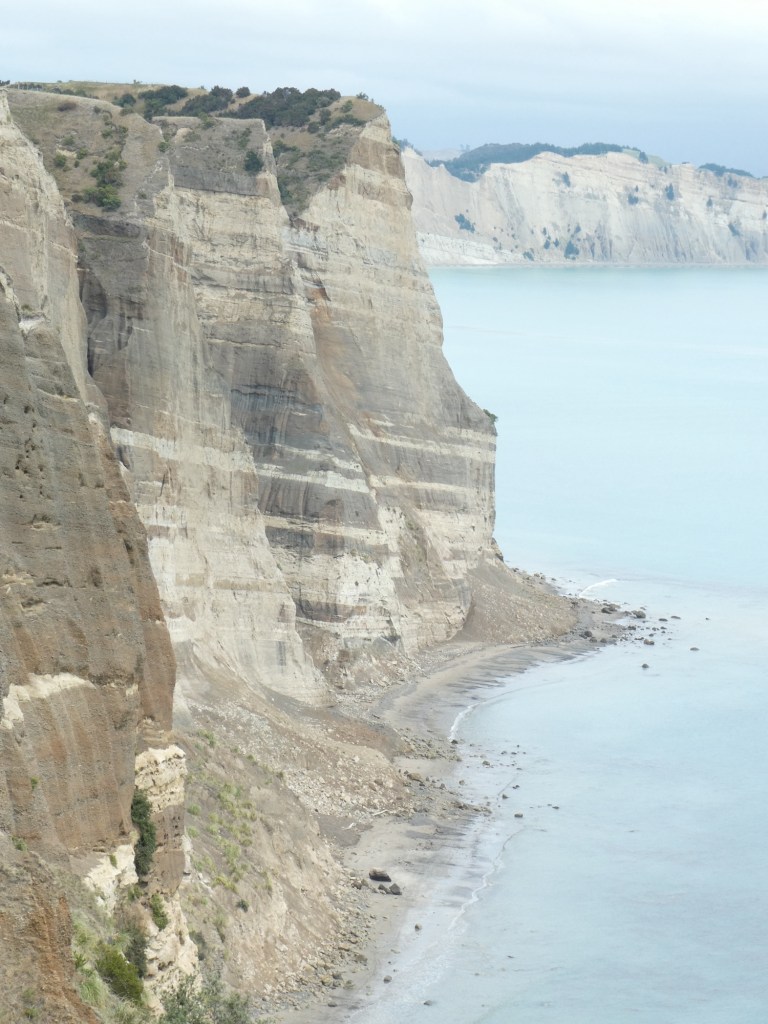

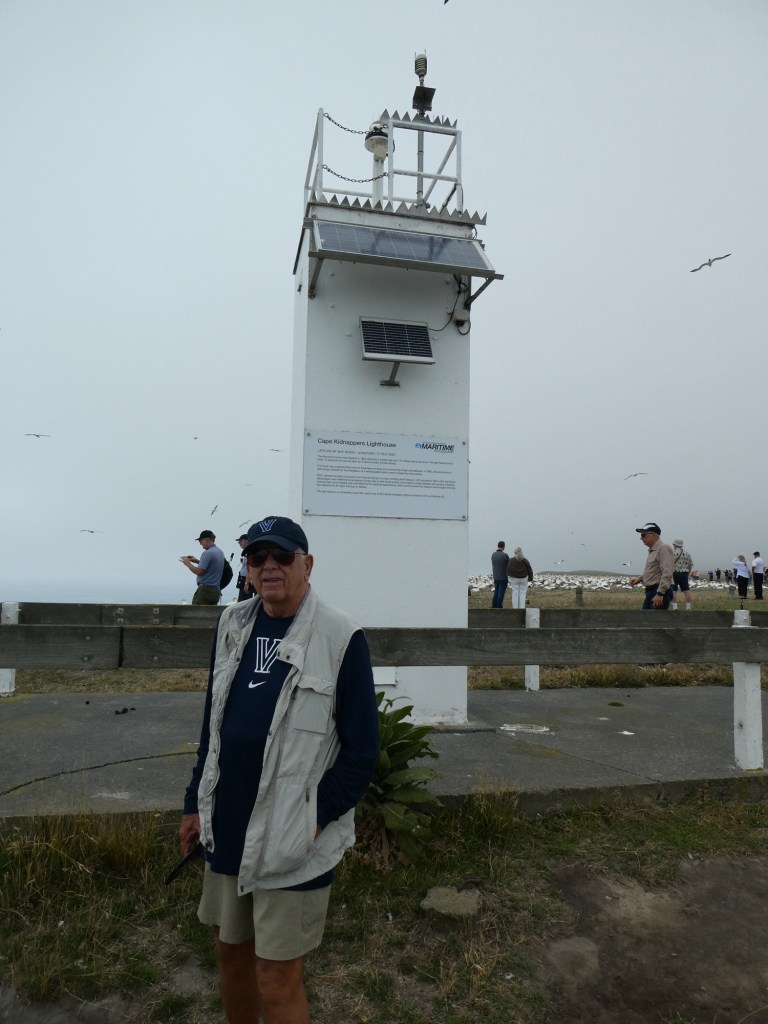

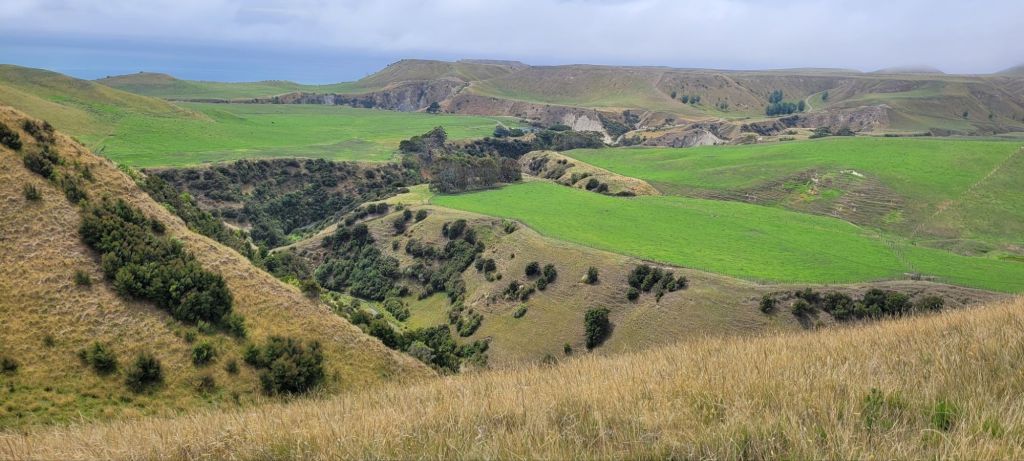
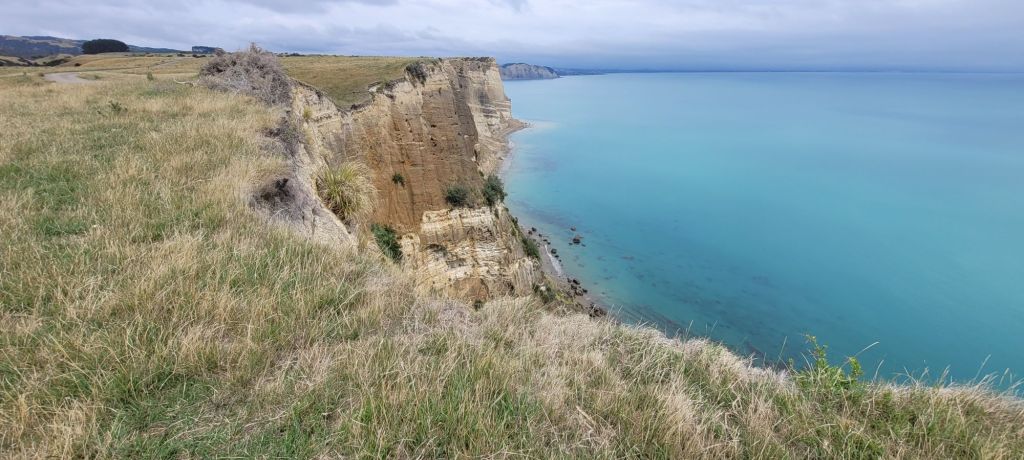
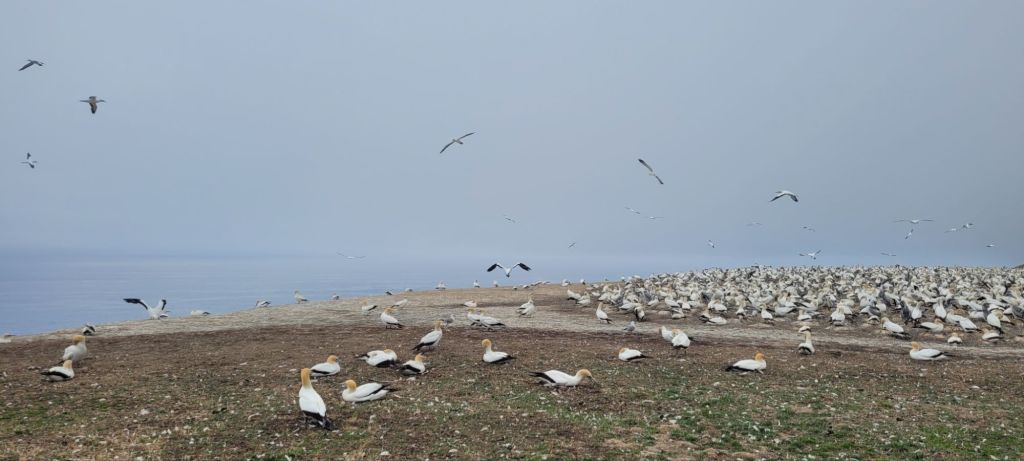
We also learned why the place is called Cape Kidnappers. Apparently when Captain Cook landed in this area around 1769, he had a dark skinned cabin boy that the Māori thought had been “kidnapped” and rescued him. When they found out he was with the ship willingly he was returned but the waters were named Cape Kidnappers.
It was really a very interesting day.
 Bette and Bob See the World
Recent Comments