
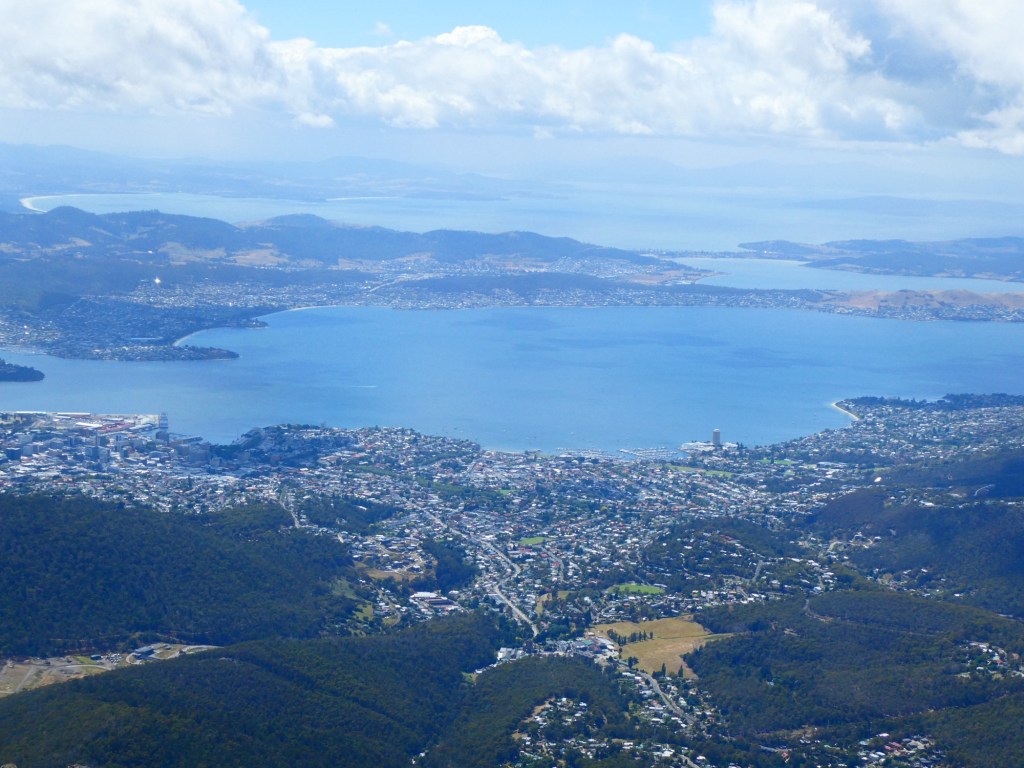
Hobart, the capital of Tasmania, is located at the southern most tip of the island state. It was the first European settlement on Tasmania in 1804. The population of Tasmania is about 573,000 with 190,000 in Hobart. The city has many historic sandstone buildings, which is a testament to its heritage. The city is located on Sullivan’s Cove which is a deep port.
The city has an active fishing fleet which is located in the city center. Much of the land in the city center is reclaimed land. In the 1970s heritage protection laws were passed to keep the old buildings from being torn down. Now they have been refurbished with traditional exteriors kept.
In 1836, Charles Darwin came to this area. Hobart lies in the shadow of Mount Wellington which puts it into a rain shadow – the rain falls on the mountain or on the back side, but not much falls in Hobart.
Almost all of the electricity on the island is from hydroelectric or wind power. 80% comes from hydroelectric from the lakes and dams on the west coast of Tasmania. 20% is wind power. They actually produce enough electricity to supply some to the mainland of Australia.
The Derwent River flows through the Hobart area. It is the 3rd largest natural waterway in the world. Abel Tasman arrived in this area in 1642. He had 2 ships and named the land for his employer, but subsequently the island was named for him, as was the waters between Tasmania and New Zealand. We actually sailed the Tasman Sea for the 2 days it took to get from New Zealand to Tasmania. The waters of the Tasman Sea are usually somewhat rough. They did not disappoint 😉
The island does not have any heavy industry. They farm, growing apples and stone fruits. They are famous for their alcoholic ciders. They also have a small wine industry, but do not export the wine.
Tasmania is the most mountainous of all the states of Australia. 334 islands make up Tasmania.
The major population growth came when Tasmania was used to keep convicts from England. They were sent here and had the ability to “work off” their sentences. While doing this, they built roads and infrastructure and most ended up staying after their sentences ended. They had learned valuable skills and had become part of the local communities.
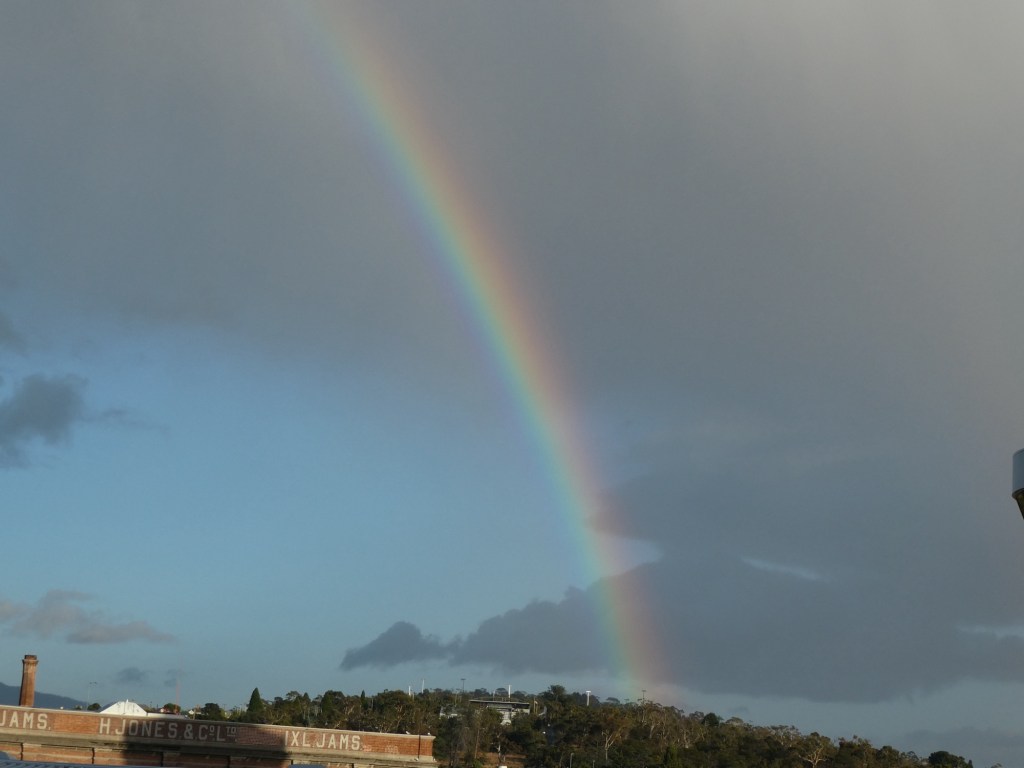
42% of the land is protected. However, they have valuable minerals in these areas – copper, gold, silver, lead, zinc to name a few. Some of the old mines are now being reopened because current mining ways are more efficient than before and there is still valuable metals in the slag piles left by the old mines.
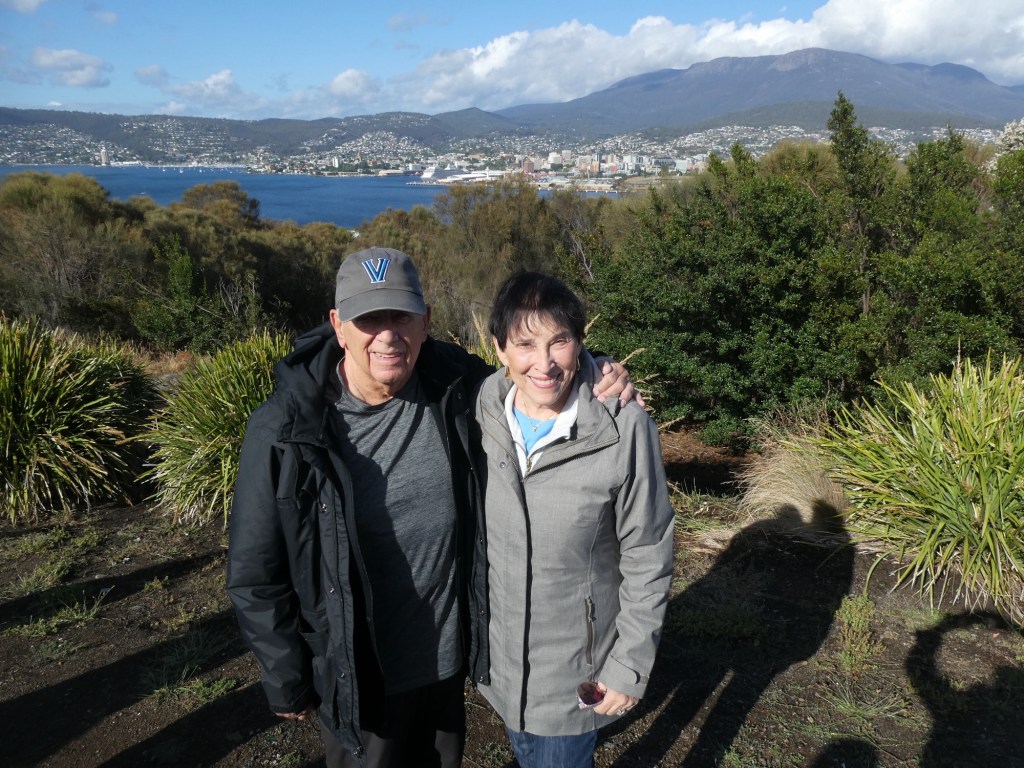
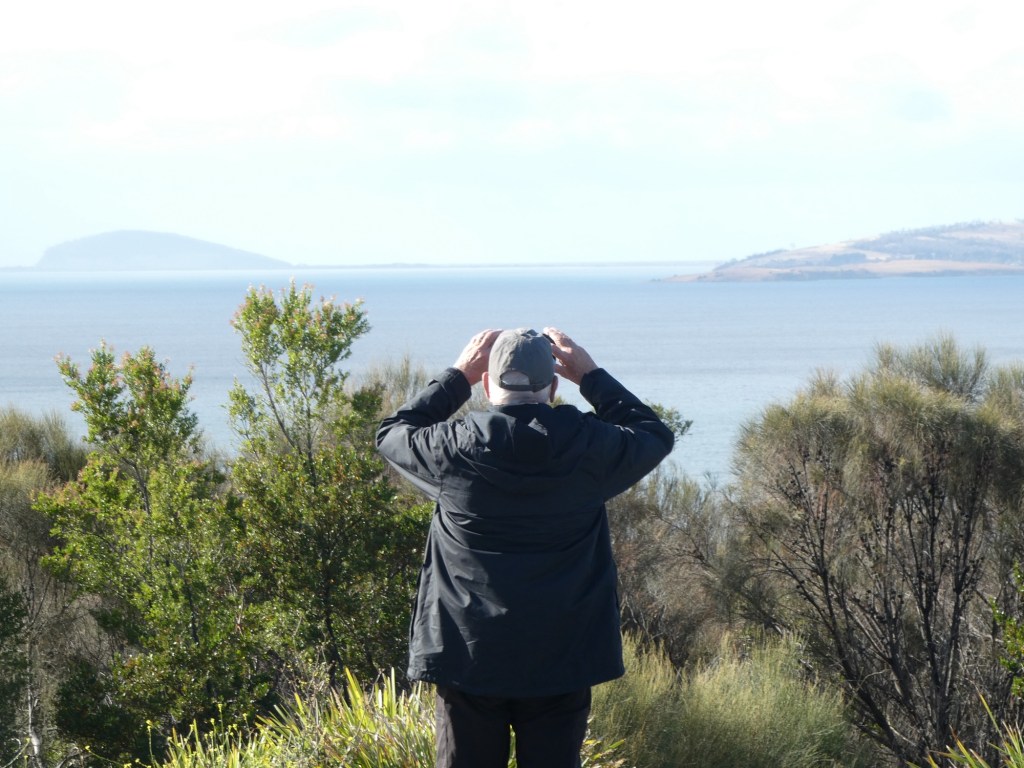
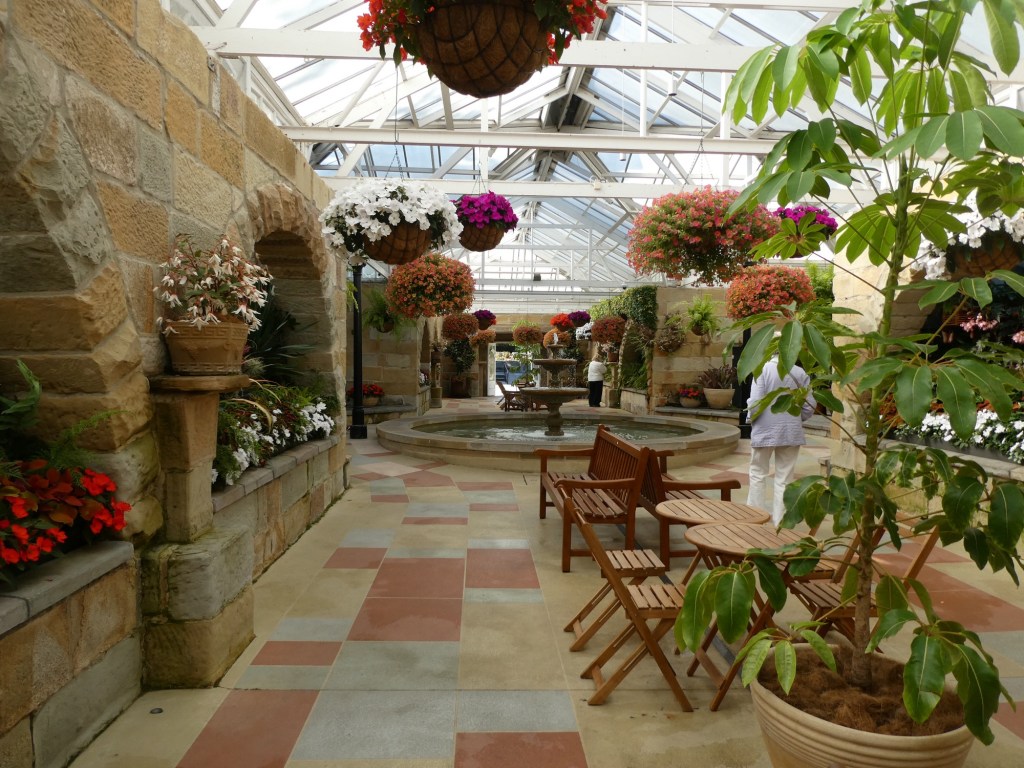
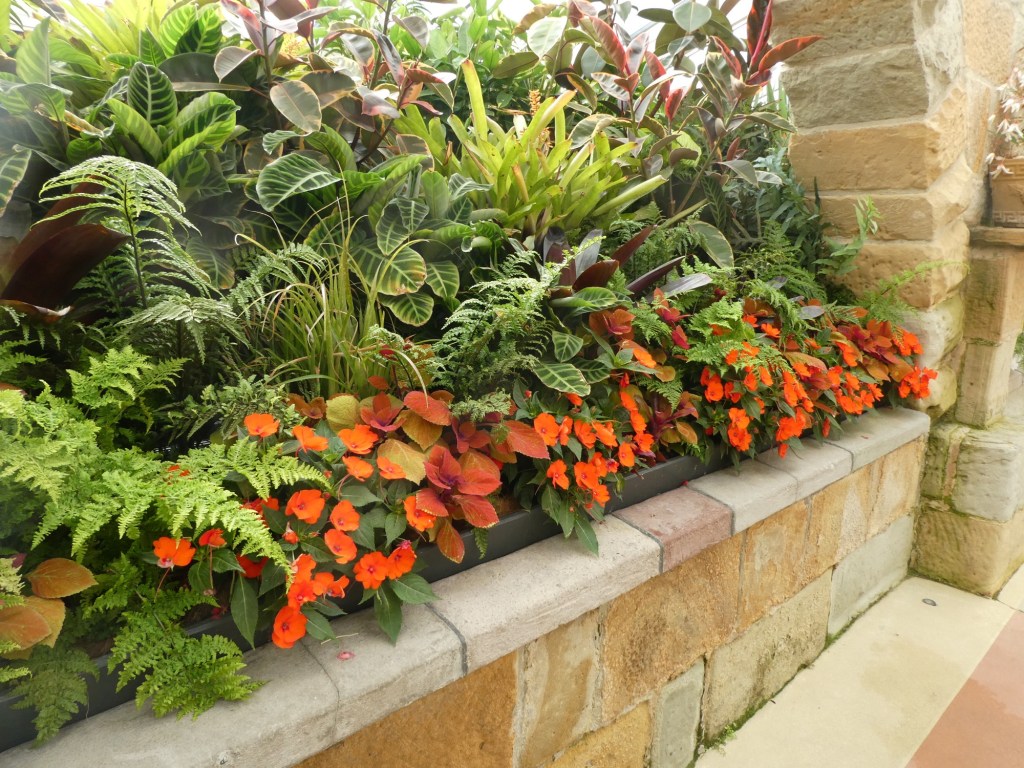
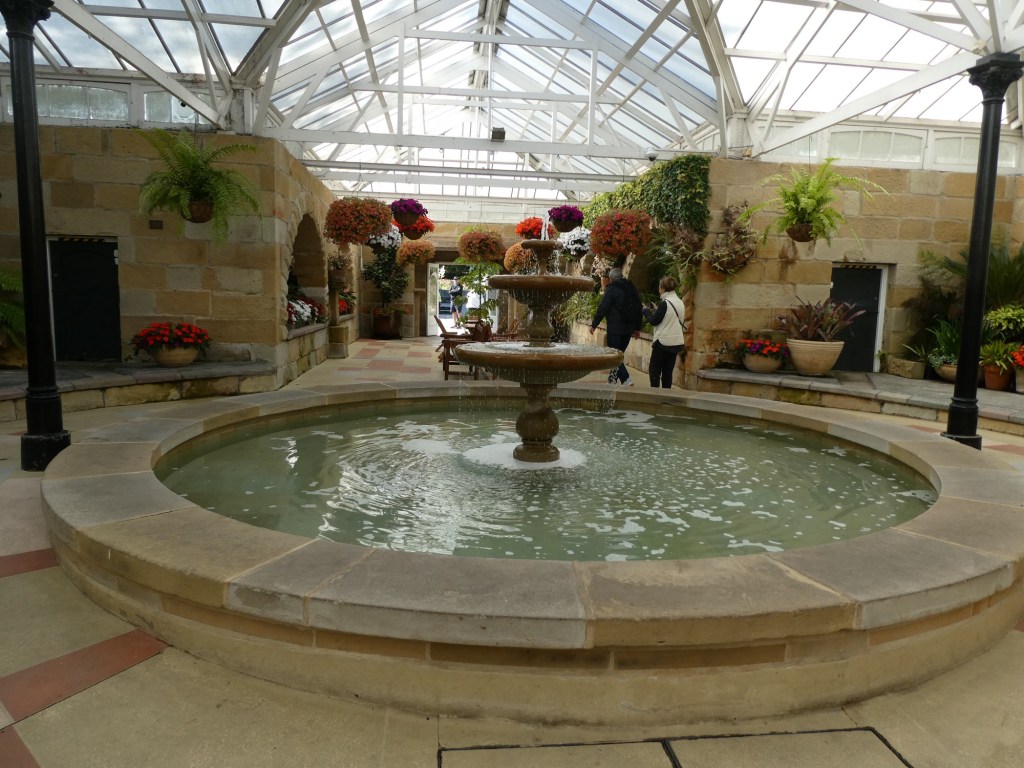
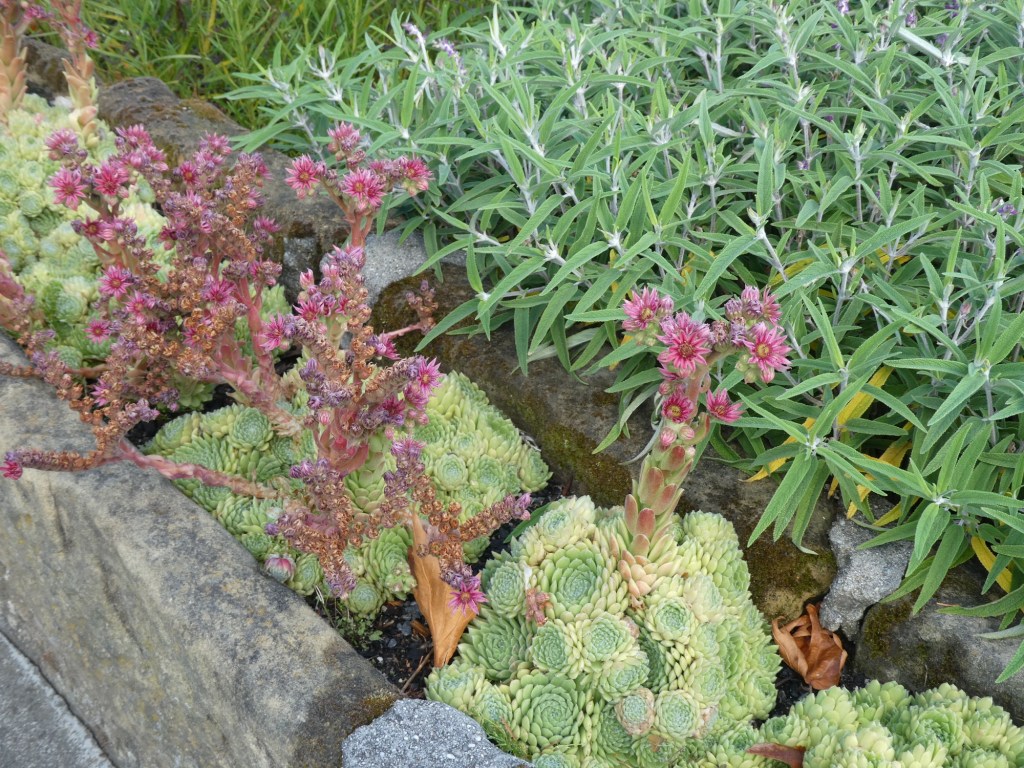
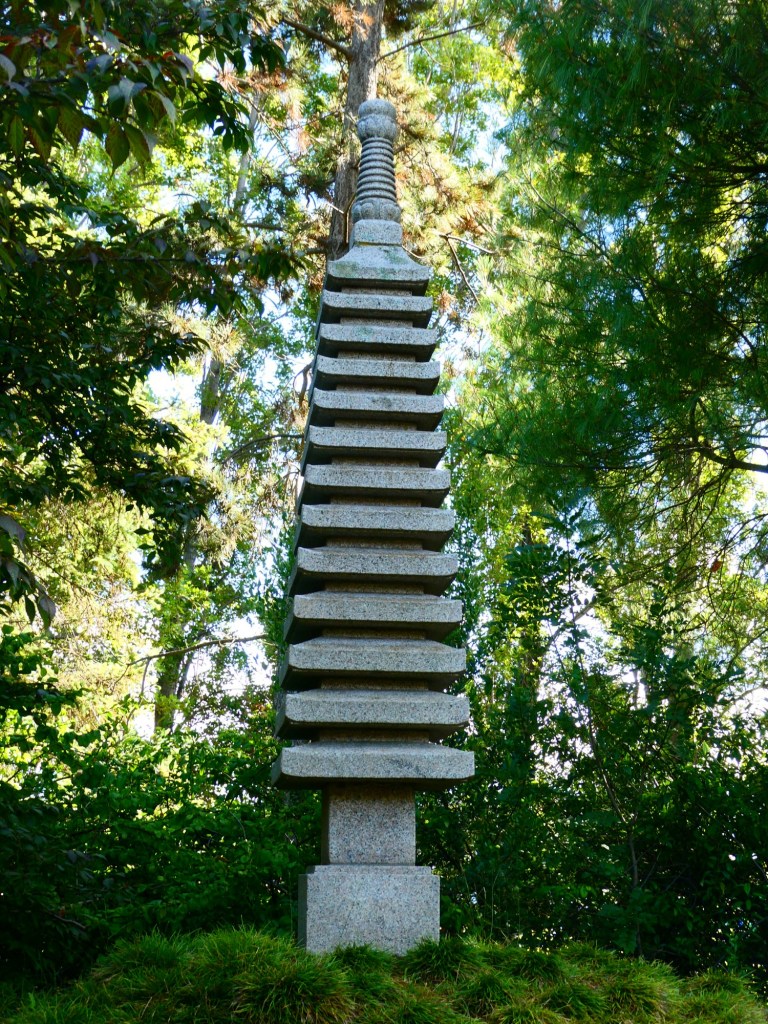
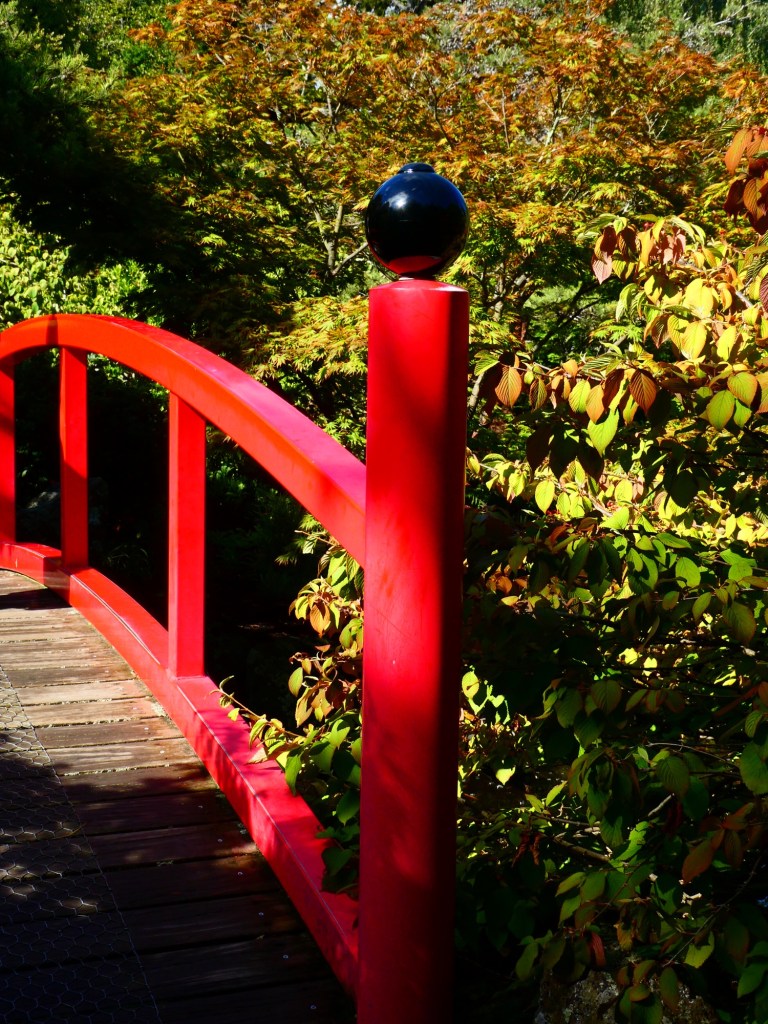
Our excursion took us to Rosny Hill Lookout. This was across the river from Hobart and gave us a view of the whole city. We then went to the Royal Tasmanian Botanical Gardens. We had a walking tour to see the gardens. We even went into an ice house which had plants that grow in the coldest climate.
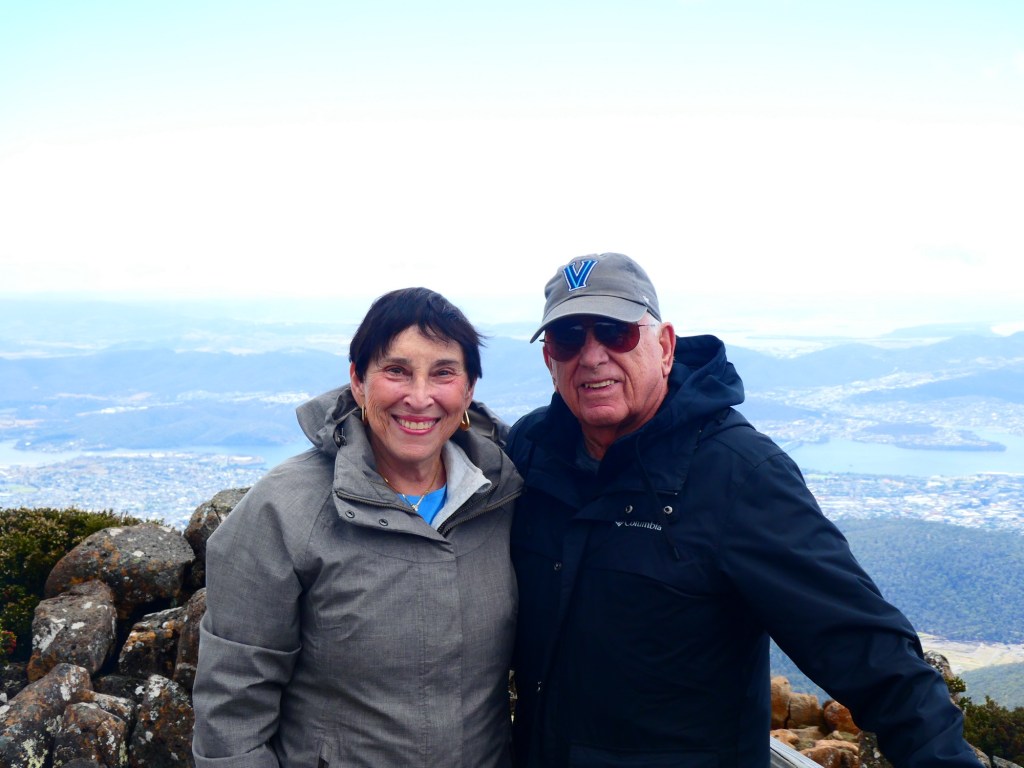
Our final stop was at the top of Mount Wellington. The mountain actually creates its own weather. As we approached it was foggy and rainy at the top of the mountain. However by the time we reached the top it was clear, but very cold and windy. The mountain is 4,170 feet and 650 million years ago it was at the bottom of the sea. It was pushed up by magma and has slowly eroded to its current height. There are basalt columns across the face of the mountain.

 Bette and Bob See the World
Recent Comments