
We have 2 days in Melbourne, with our ship overnighting. The first day was clear and hot, 104 degrees. The second day was smoky from fires north of Melbourne, but with the temperature around 75 degrees.
Melbourne is the largest city in Australia with a population of 5.3 million, established in 1835 by the British. The city boasts over 200 nationalities. The Aboriginal people have over 60,000 years of history in Australia with the thinking that they came originally from Africa, passing over many land bridges which have subsequently disappeared by the melting of ice after one of the ice ages.
The city had its big boom in 1851 when gold was discovered 100 miles from Melbourne. Since Melbourne had a good port, it became the entry way for the miners. It was the biggest discovery of gold in the world.
In the 1950s immigrants came to Melbourne from Poland and Russia. They settled in an area called St. Kilda, which is along the coast. The beaches in this area are clean with no danger from sharks. Actually this part of Australia has very little or any sharks. The building have lots of iron work decorations, sort of like in New Orleans.
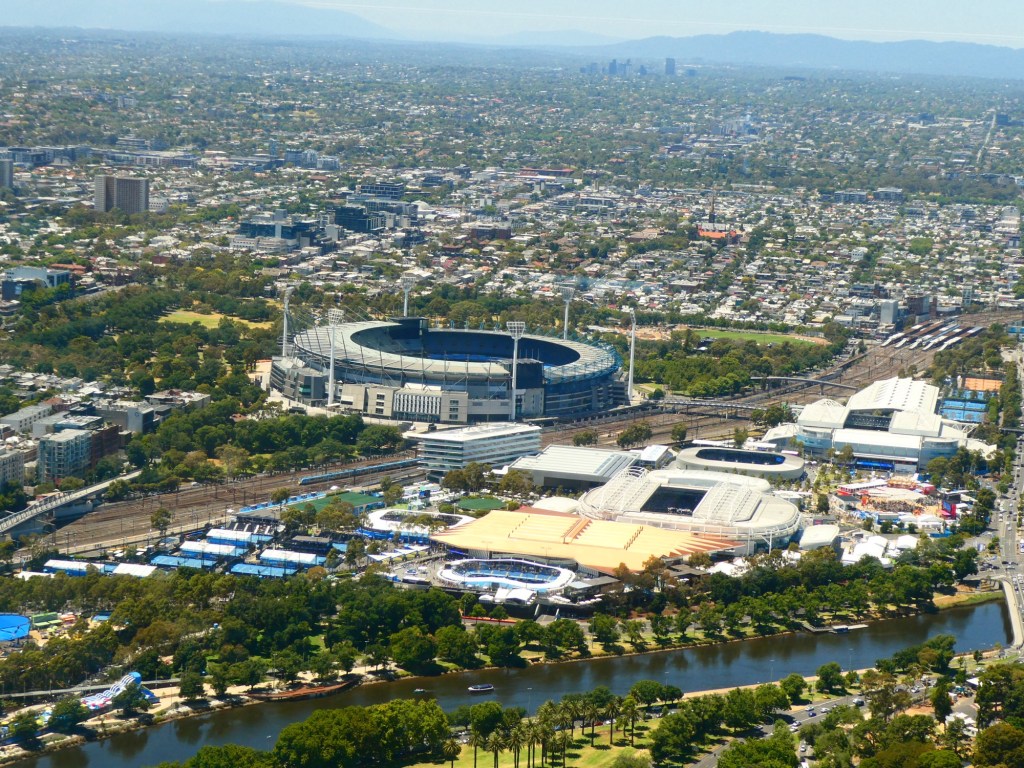
The city has areas set aside for sports, museums, arts and finance. They were getting ready for their Formula 1 Grand Prix in March and we were able to drive the course in our bus, not very fast. When we were in Melbourne, the Australian Open was being held and we drove past the stadiums.
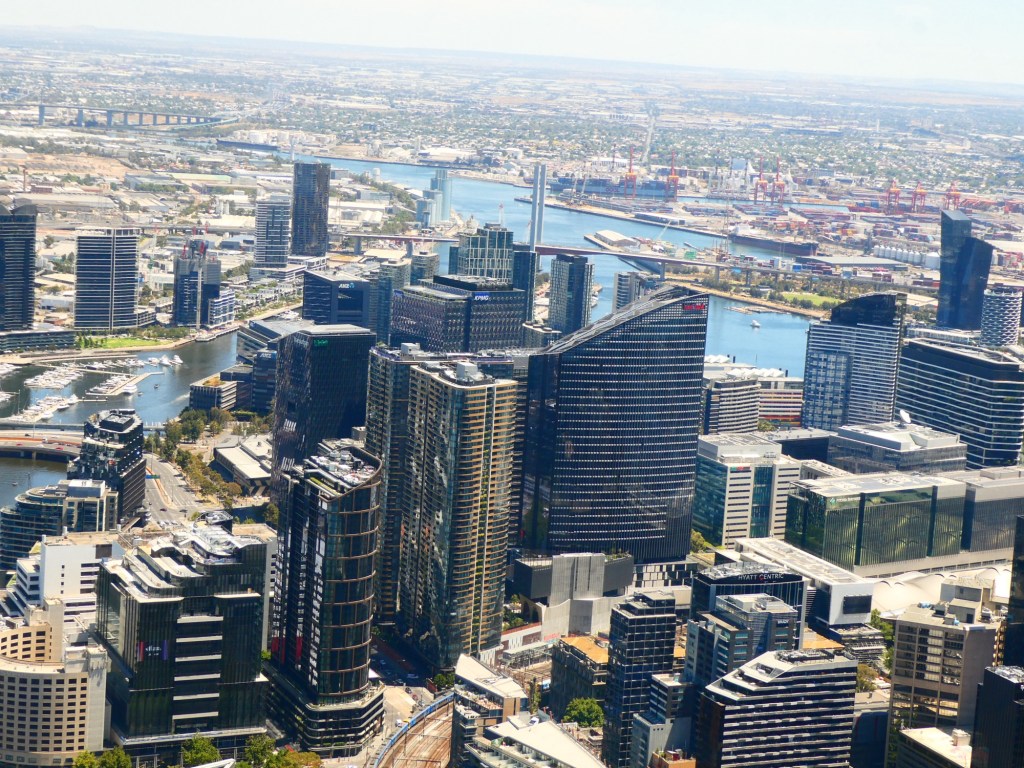
One of our visits was to the Eureka Tower, so named for a rebellion during the gold rush. This is considered the birth of democracy in Australia. Australia was also the second country in the world to give the women the right to vote. It is a 91 story residential building, but on the 88th floor they have an observation deck. The views of the city were great.
The city boasts many forms of architecture and they are very careful to preserve their older building to not lose the heritage of the early people who came here.
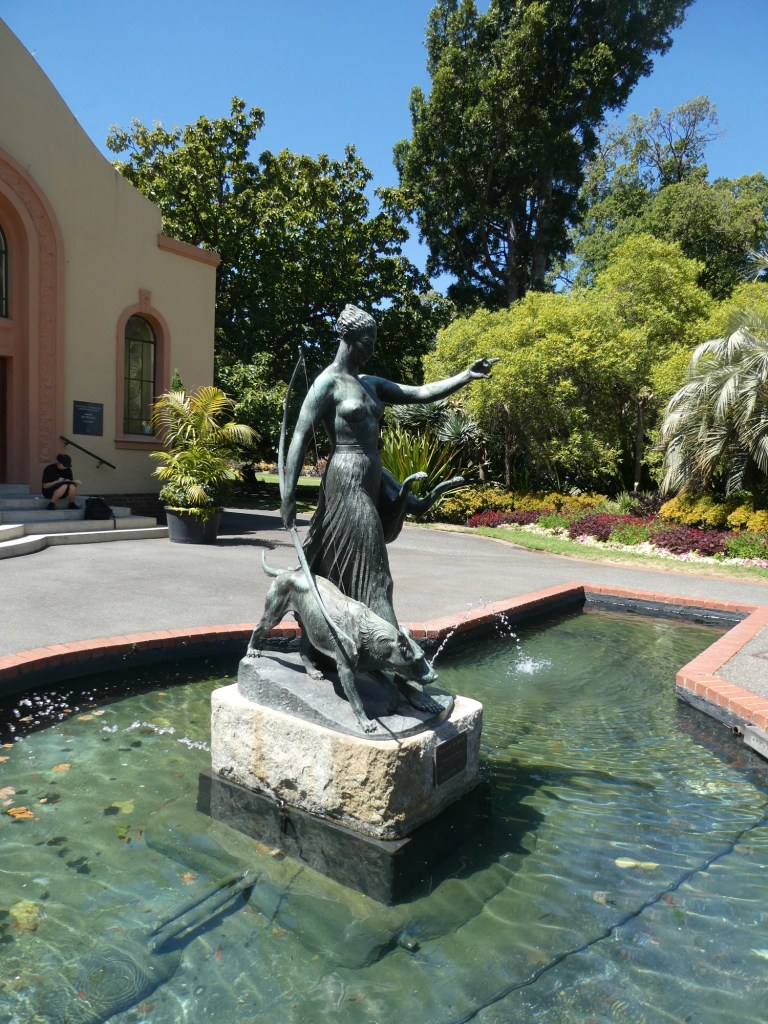
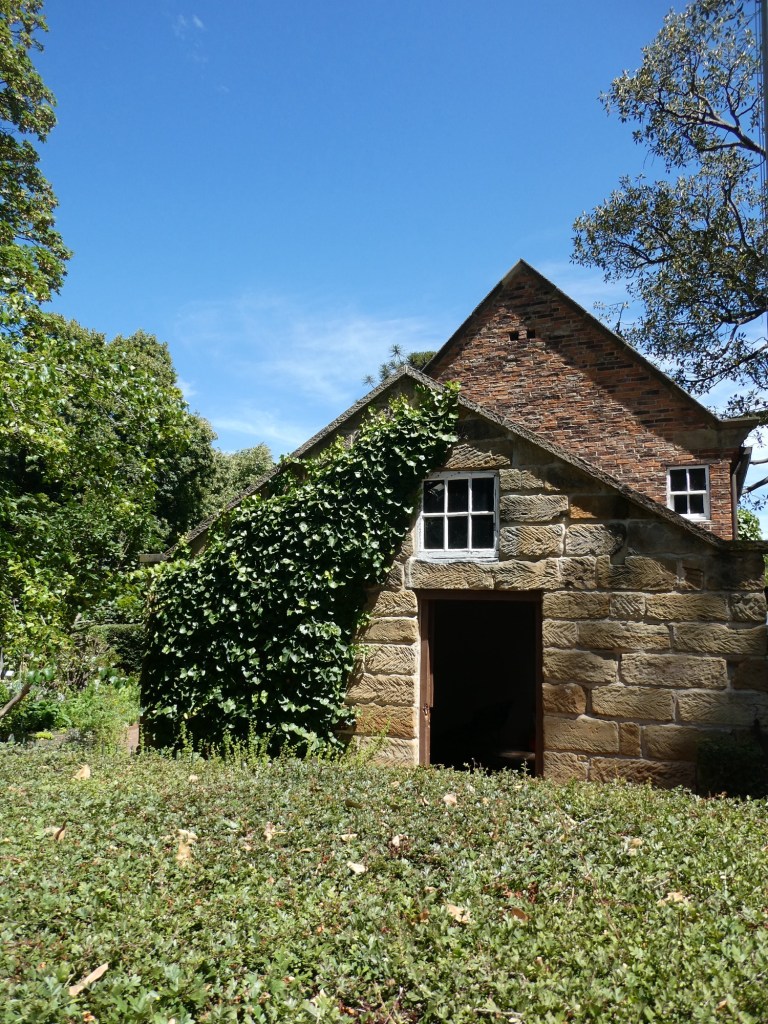
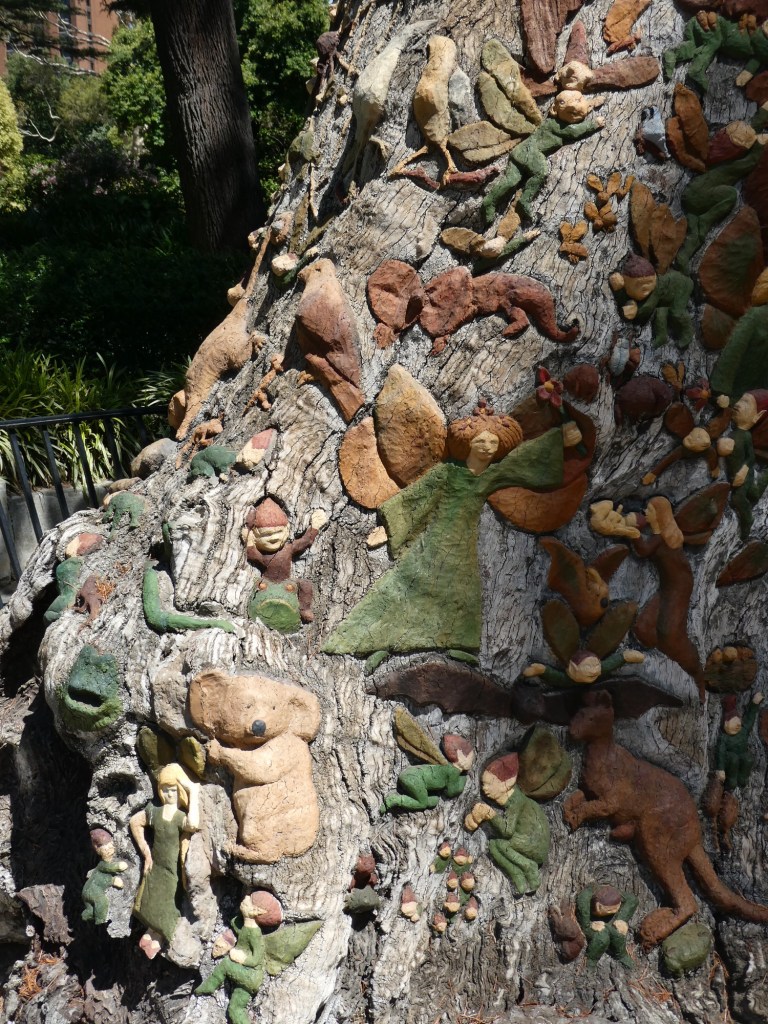
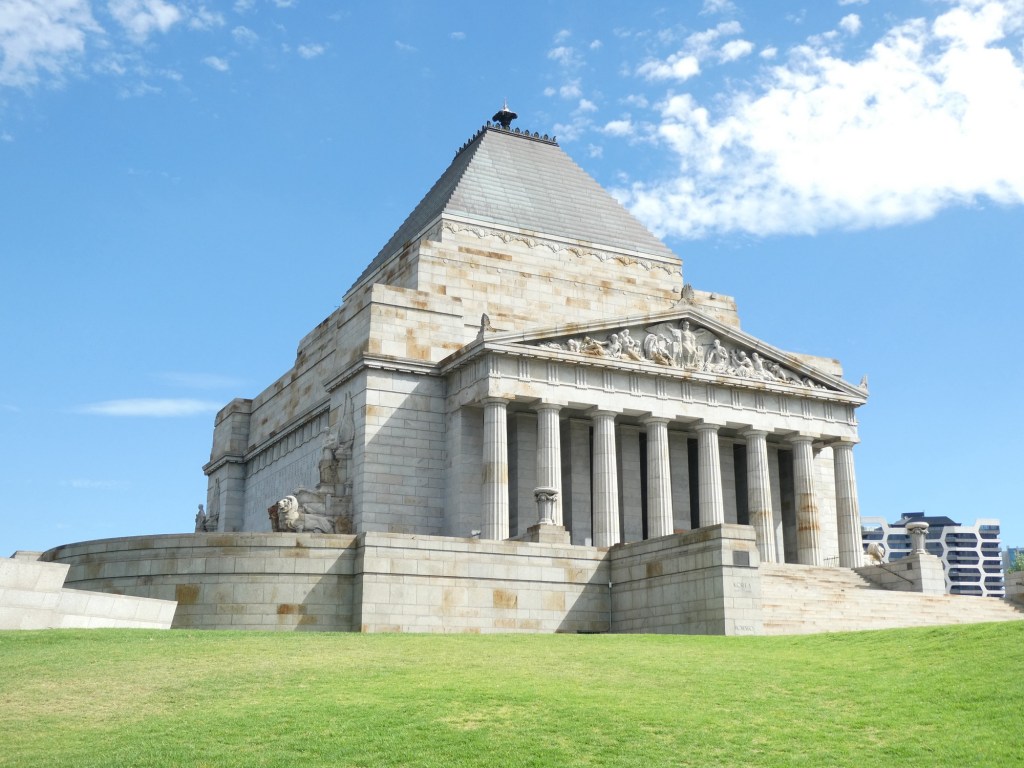
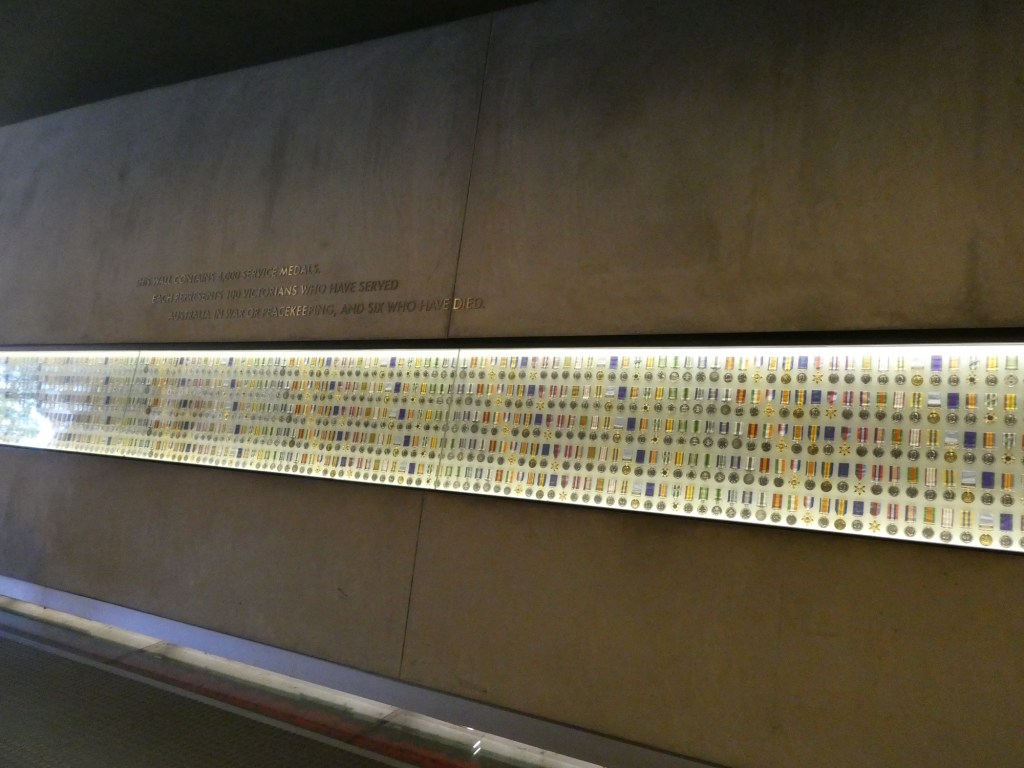
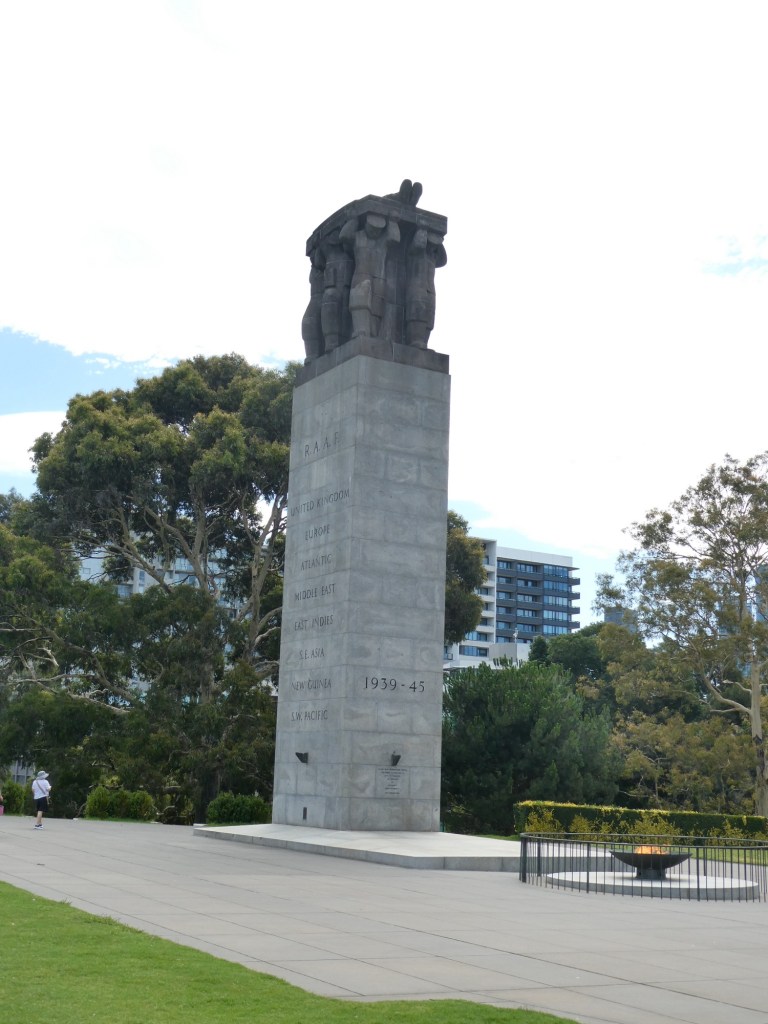
They call themselves the garden city and we went to Fitzroy Gardens that were established in the 1840s. When we visited the Shrine of Remembrance, the Royal Botanical Gardens were across the street. When the city was planned there were many green spaces designated.
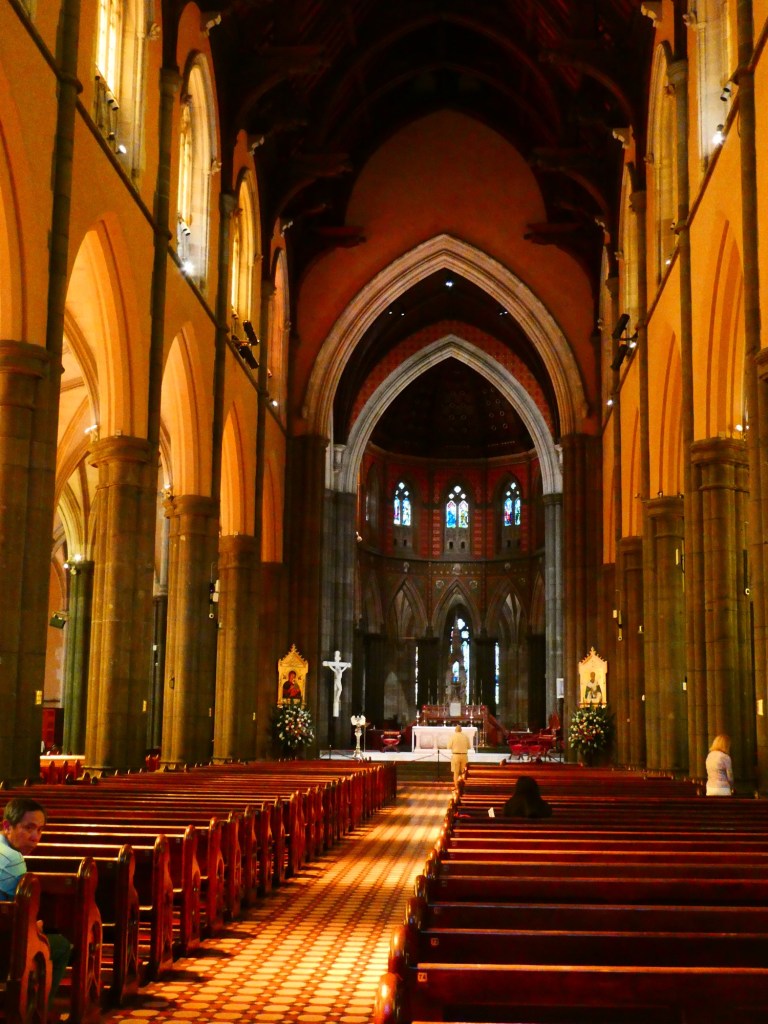
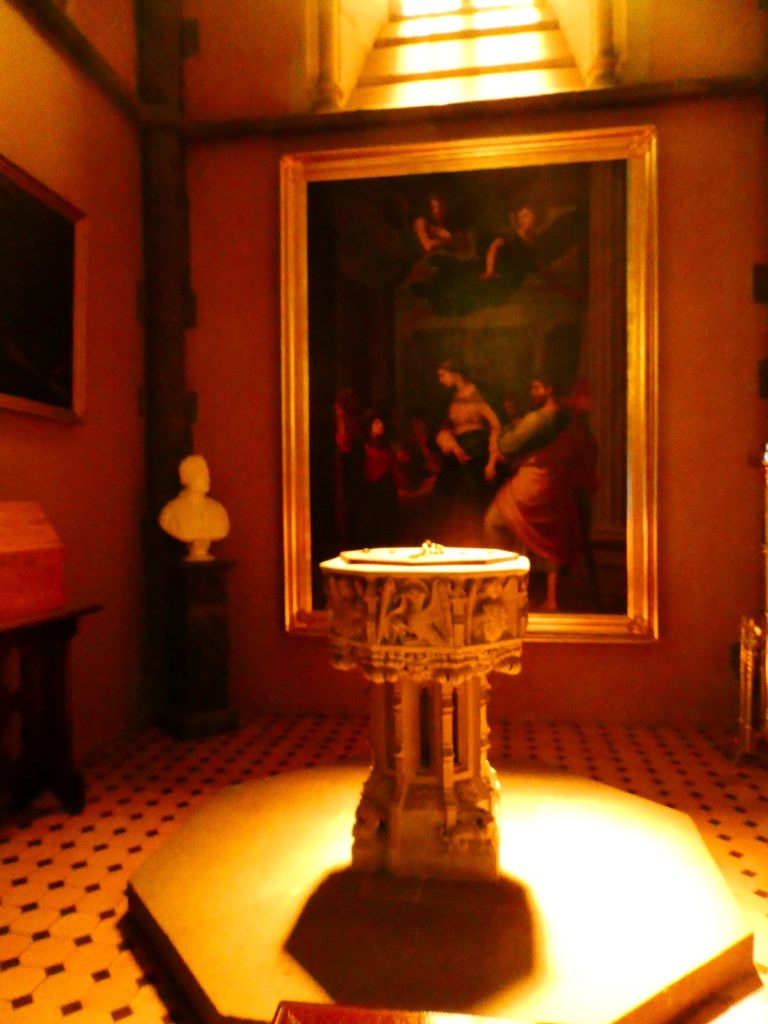
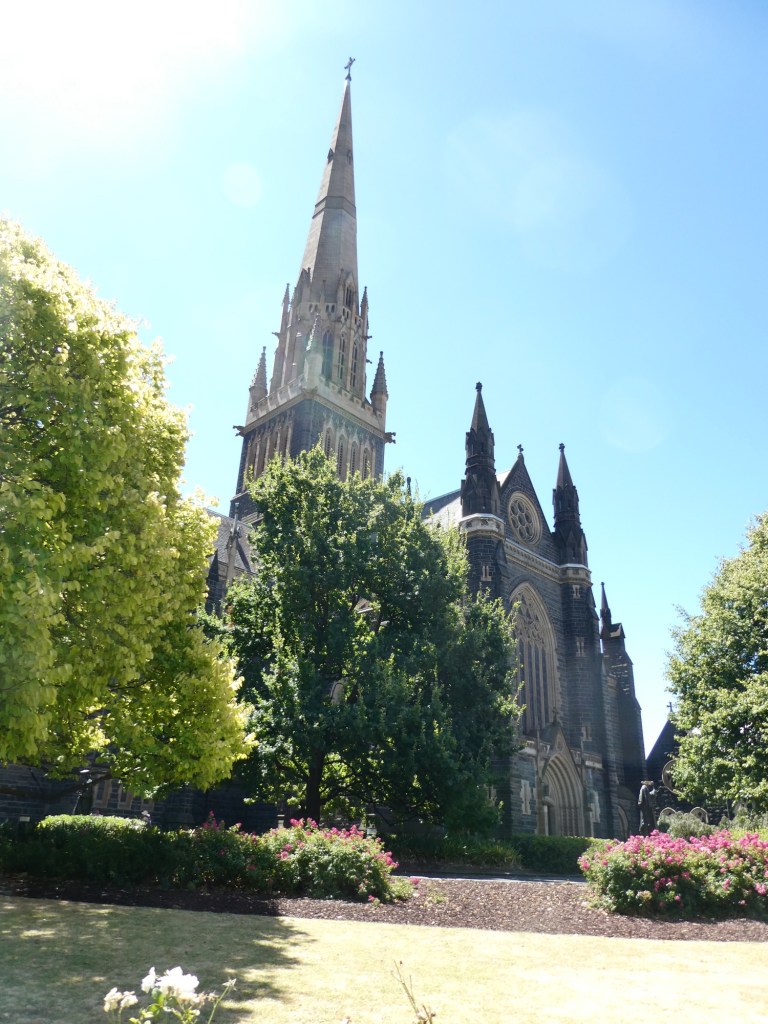
We also had a visit to St. Patrick’s Cathedral. The building was started in 1856, and took 80 years to complete. It was built entirely with no government funding.
One very interesting facts we learned was that it is compulsory to vote in elections. If you don’t you are fined. Prior to Covid all voting was done in person, but now there is the option to vote by mail as well as early voting in person.
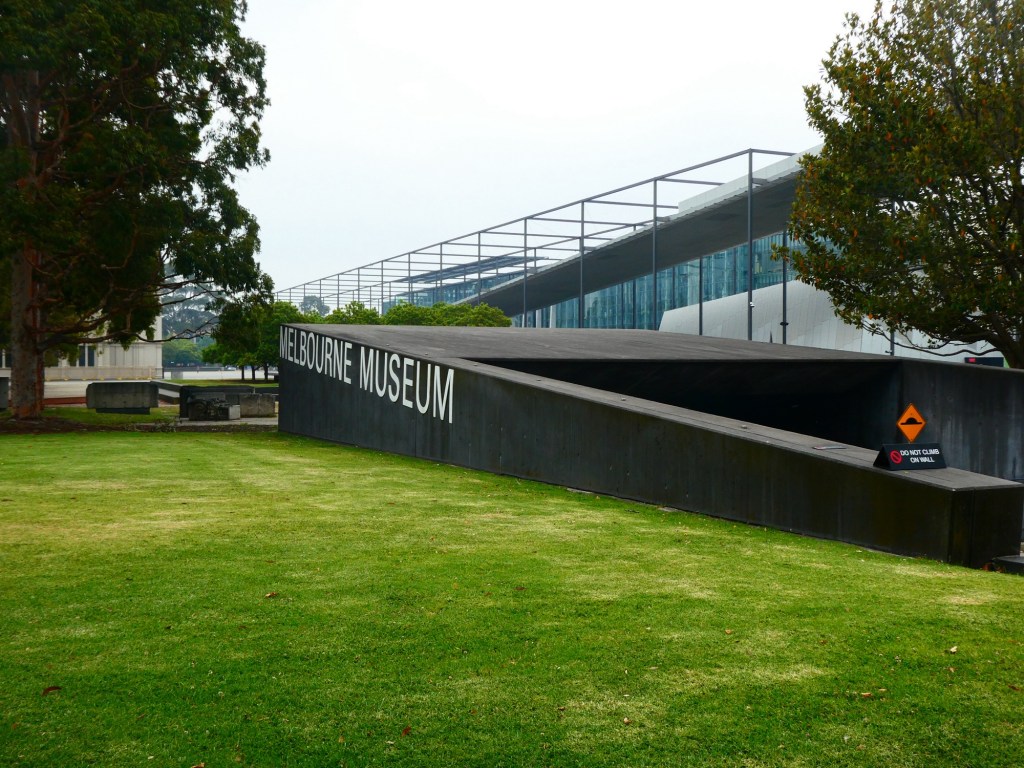
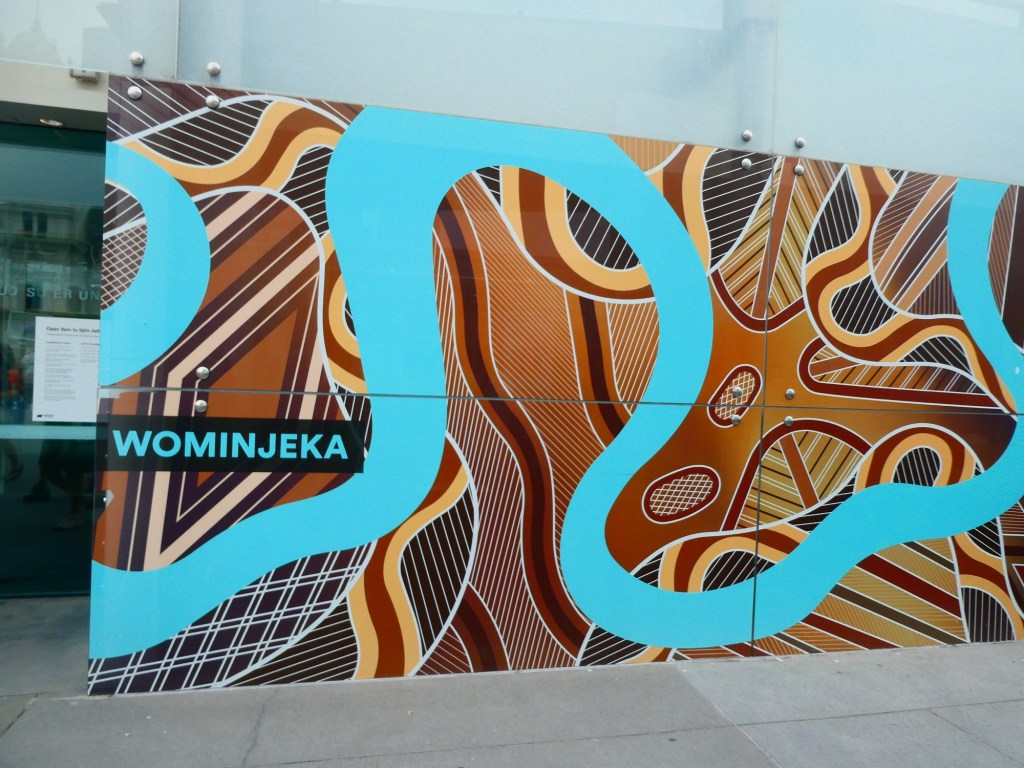
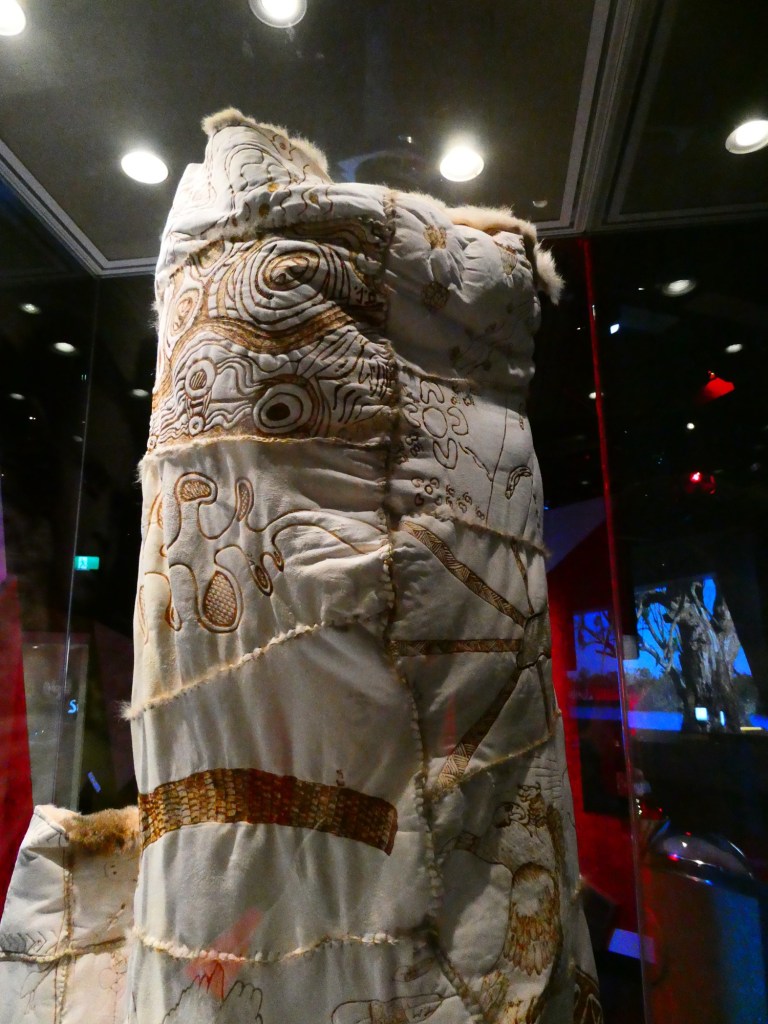
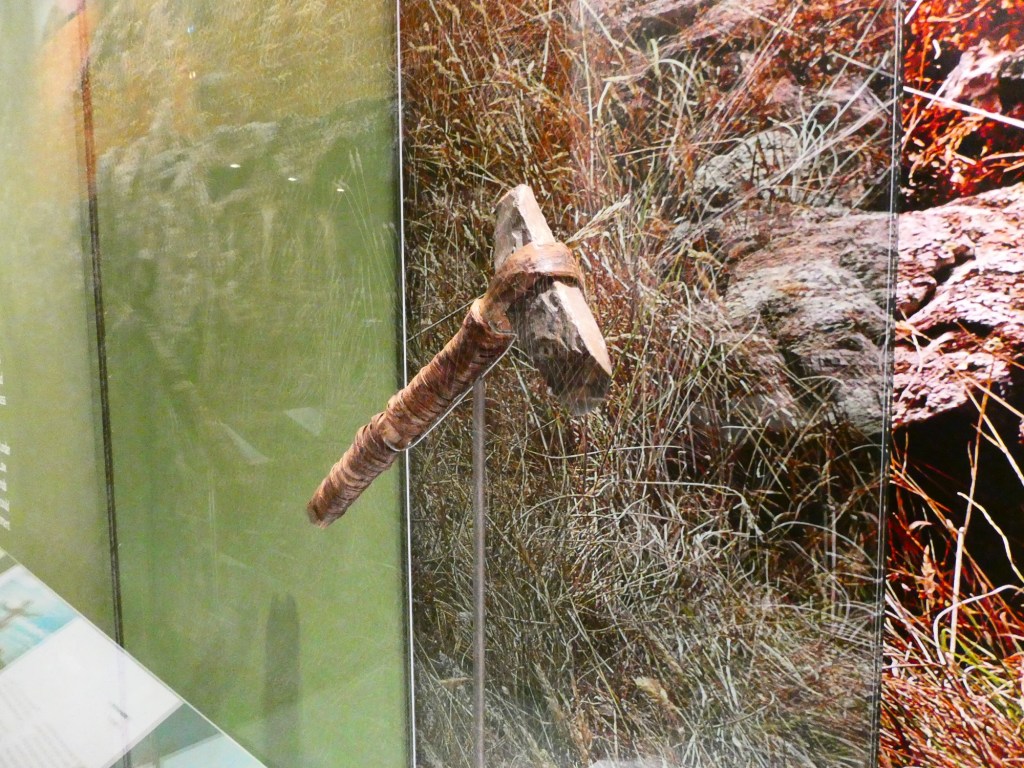
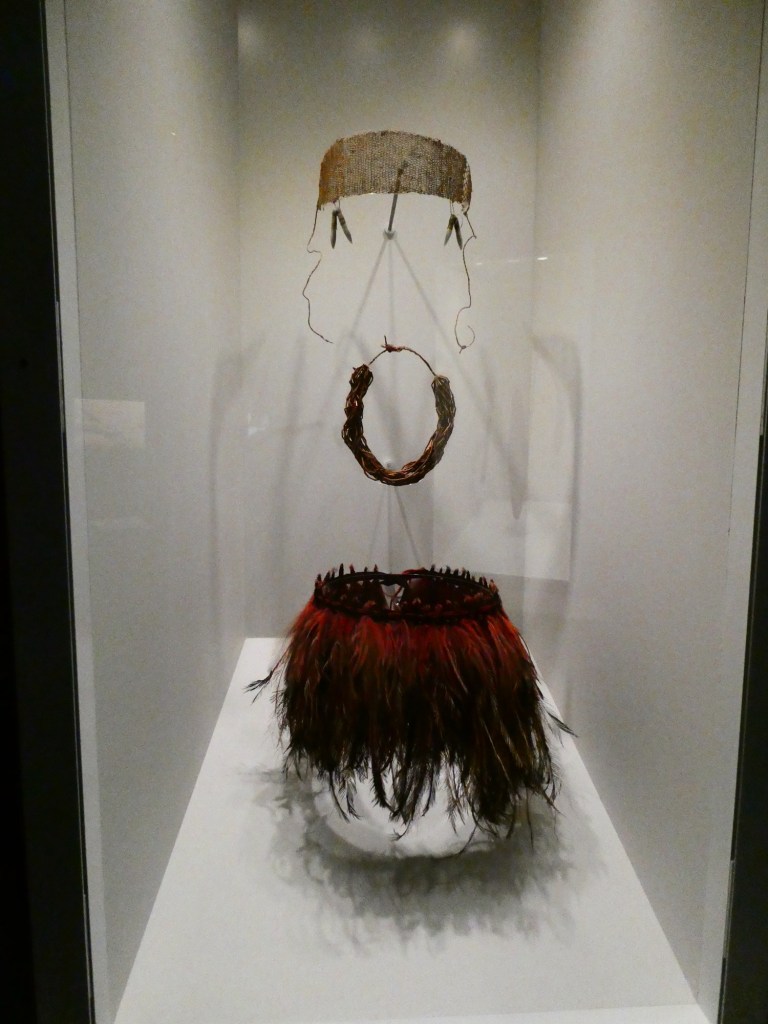
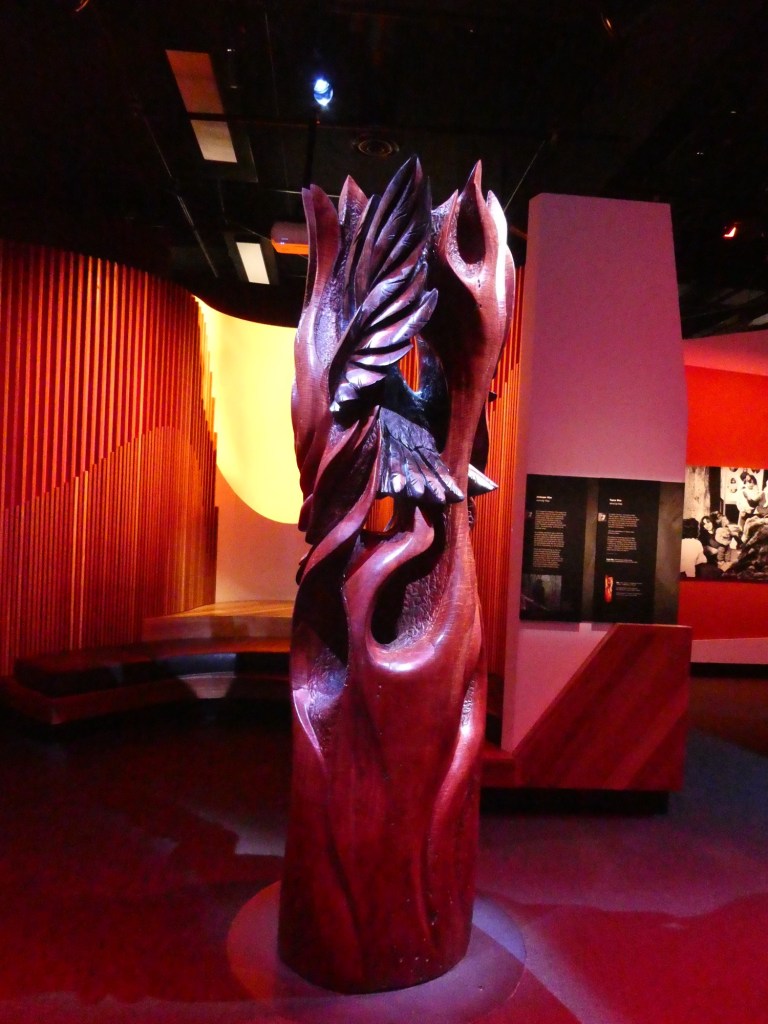
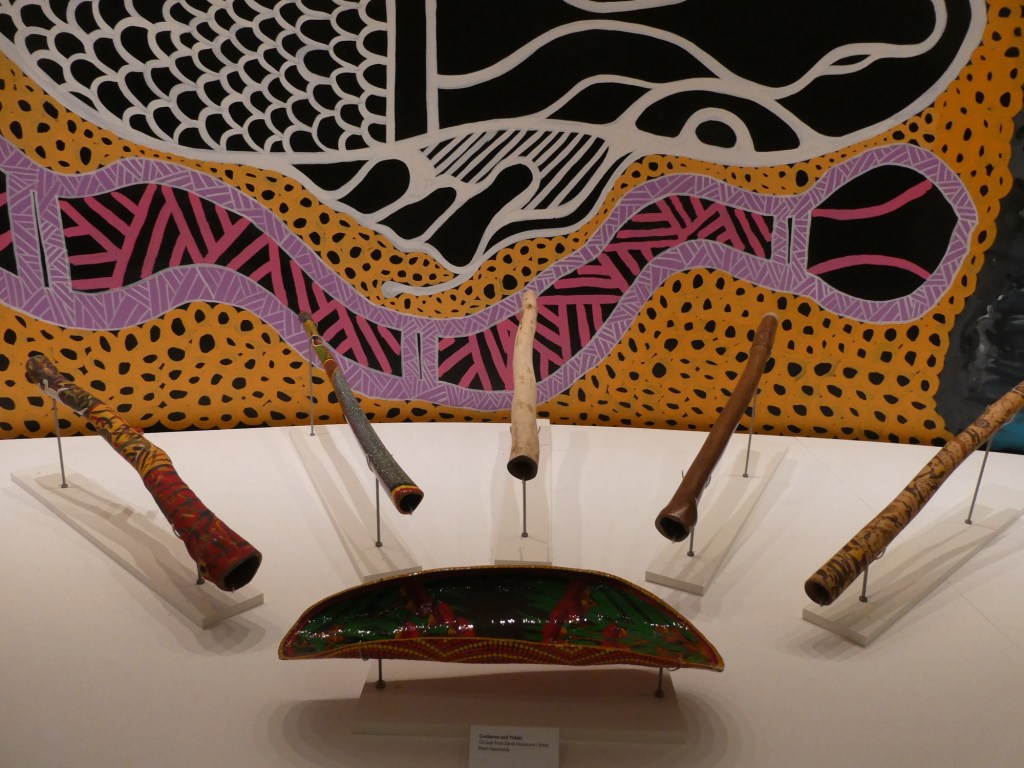
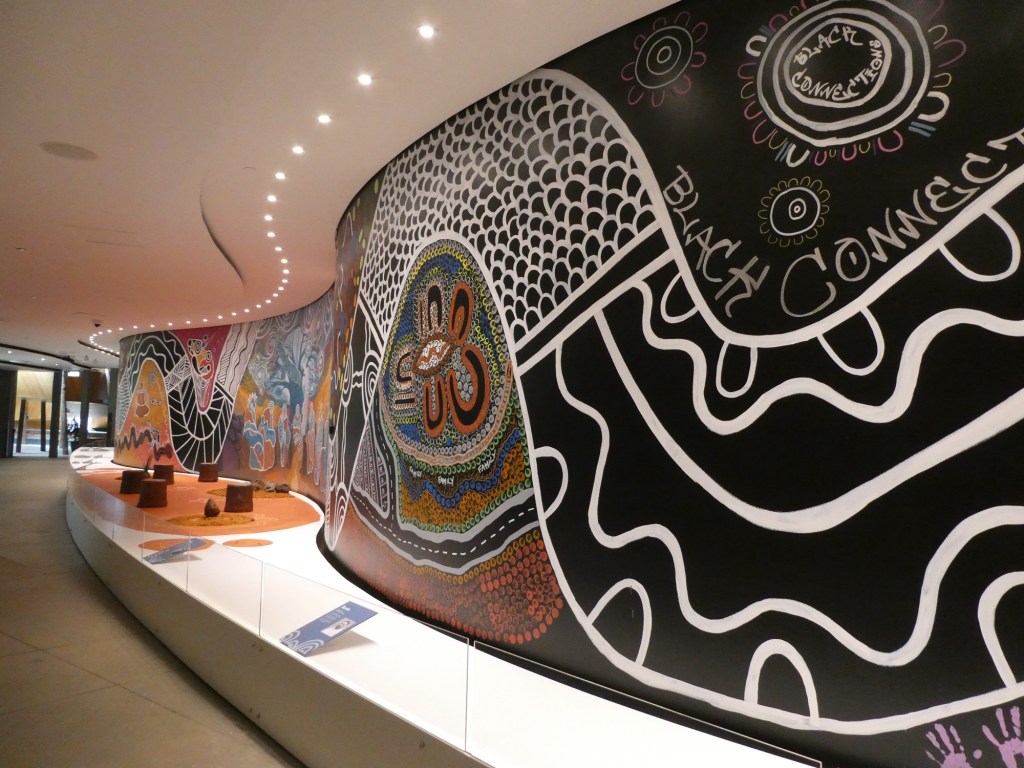
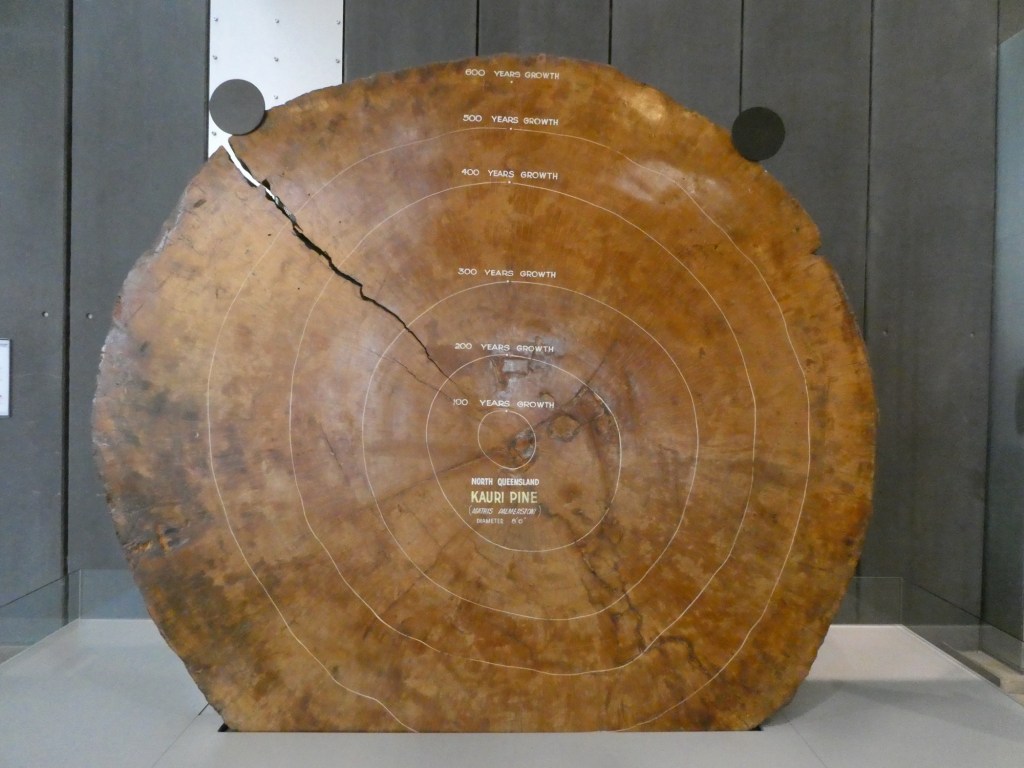
On our second day we went to the Melbourne Museum. The building was beautiful and although our time was limited, we saw an excellent exhibition about the Aboriginal people.
 Bette and Bob See the World
Recent Comments