
First we had to learn the correct way to say this port’s name. Not All-bany, but Al (like the start of Alan) bonnie. Albany is the oldest settlement of Western Australia. In 2026, Albany is celebrating its bicentennial having been settled in December, 1826 as a military outpost. Many of the places in the area have names related to royalty. The population of the area is about 40,000 and they have no traffic lights, just roundabouts. Although settled as a military post, it was mostly settled by convicts.
To get to Albany we sailed up the King George Sound, named after King George III. The inner harbor has a wealth of fishing options to include mussels, clams and cobbler (a type of catfish). The area exports wheat, wood chips ( we were told that the toilet paper we use is probably made from wood chips that came from Australia), rare minerals and sands. They use “road trains”, tractor trailers with 2 to 4 trailers attached, to get the goods to the port.
The town has a huge wind farm which supplies about 80% of the towns electricity.
During WWI, Albany was the port that most soldiers were sent overseas from. The town has a big memorial to the ANZAC troops. In the Second World War, the Japanese and German subs mined the harbor. It took some time to discover they were all fake mines.
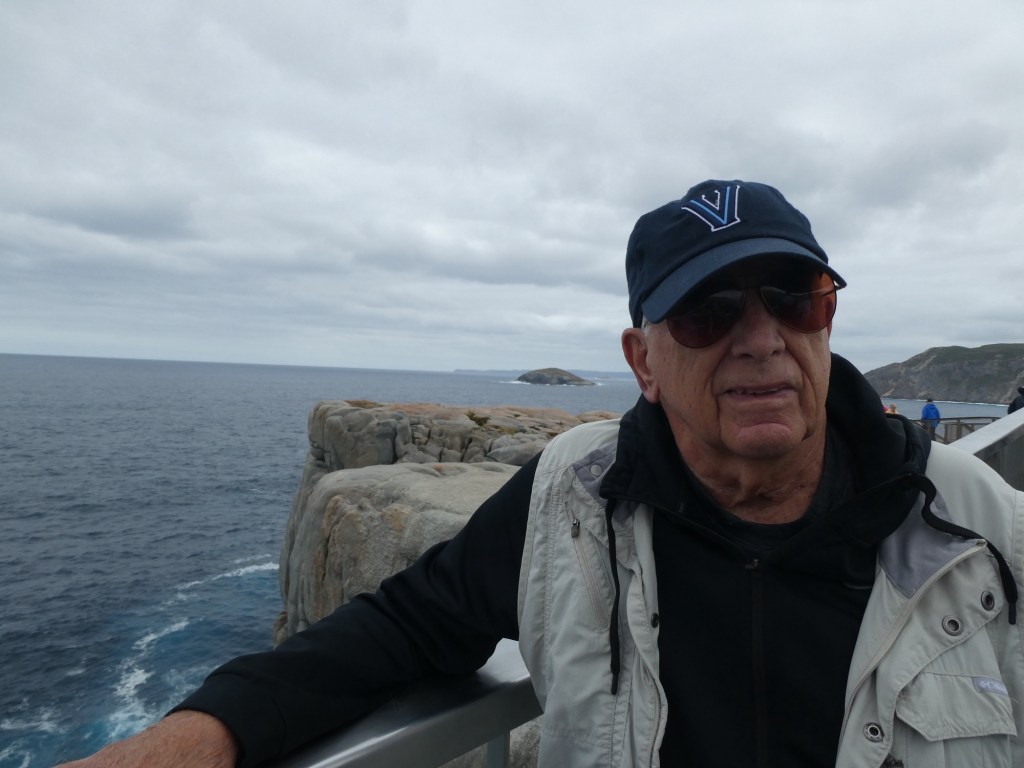
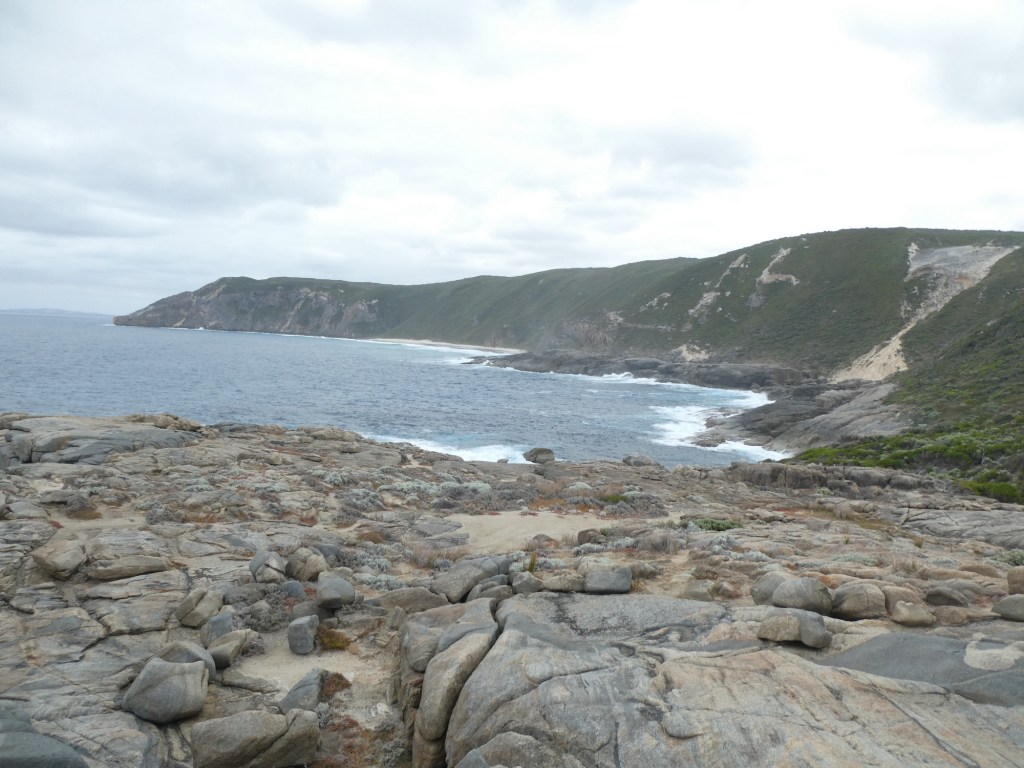
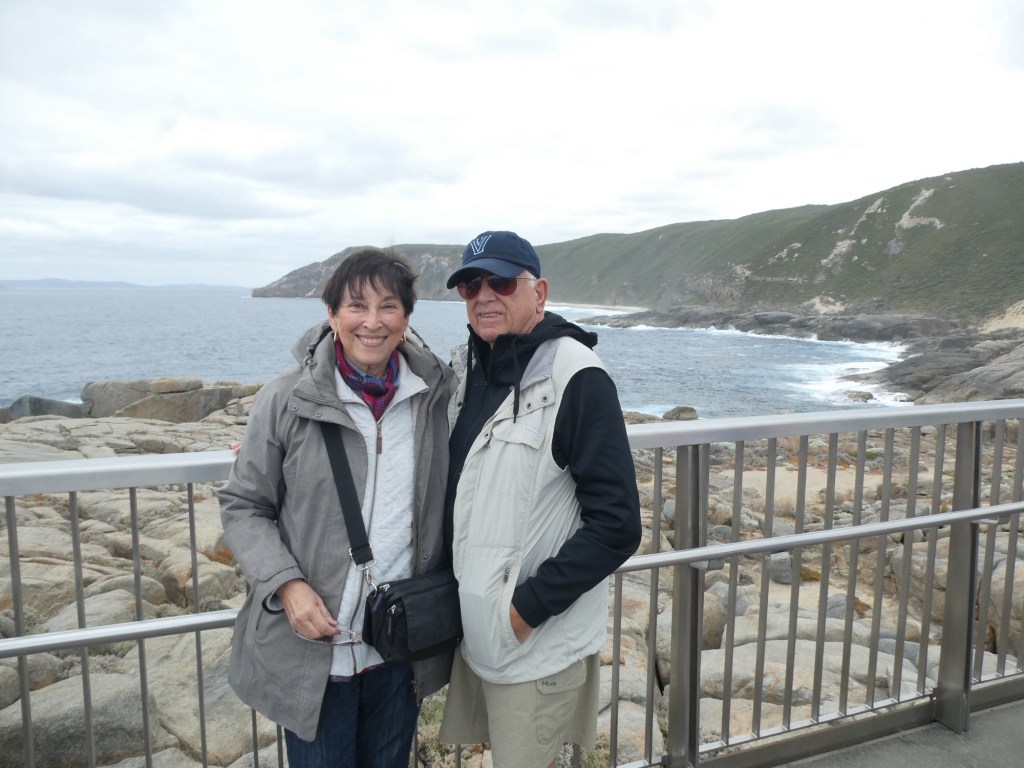
Our first stop was at The Gap and Natural Bridge in Torndirrup National Park. This part of Australia was once connected to Antarctica. The Gap is massive rocks separated from each other with the ocean coming in between and creating booming sounds. It was beautiful to see and hear and the park had a viewing platform that took you out over the gorge.
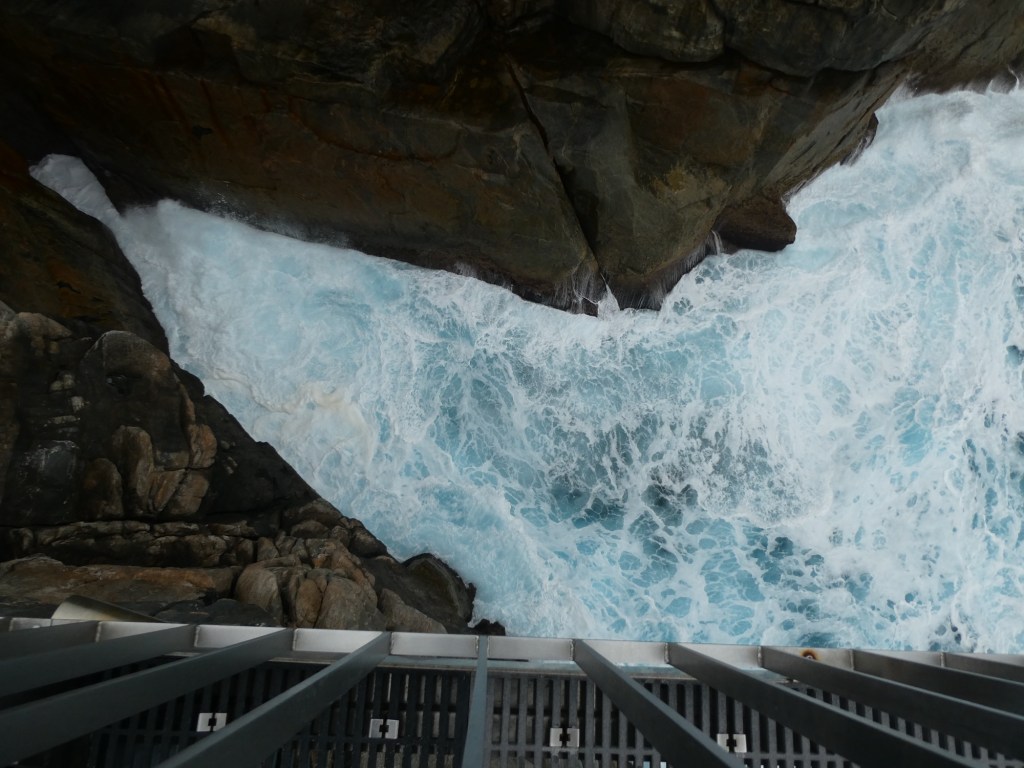
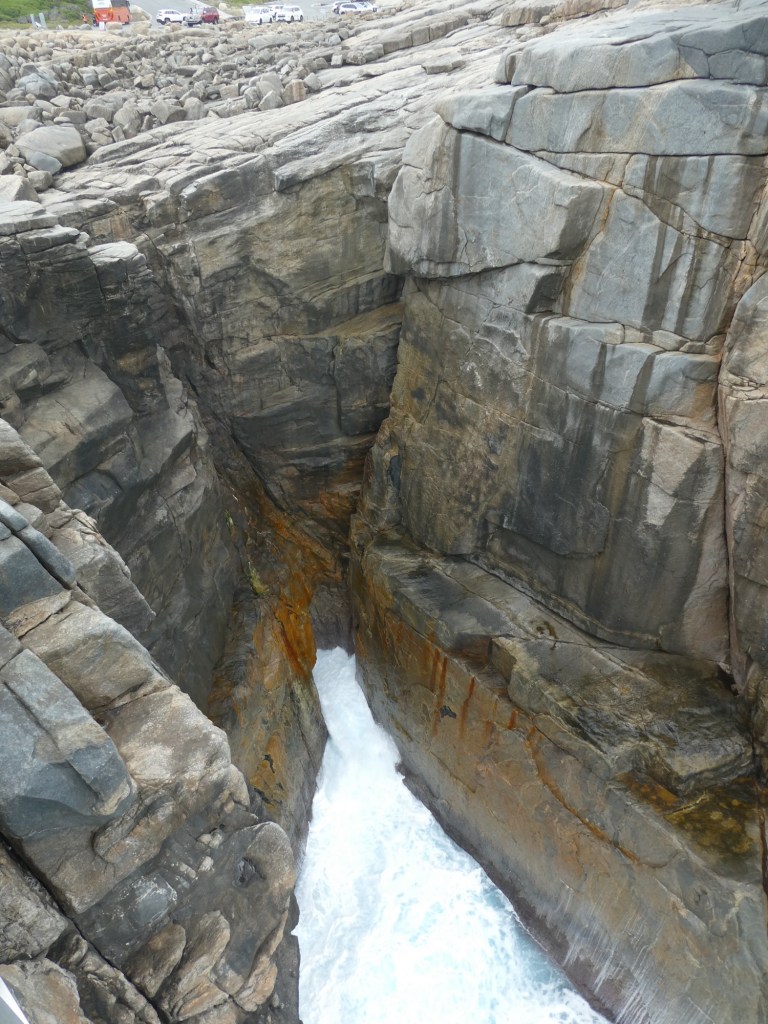

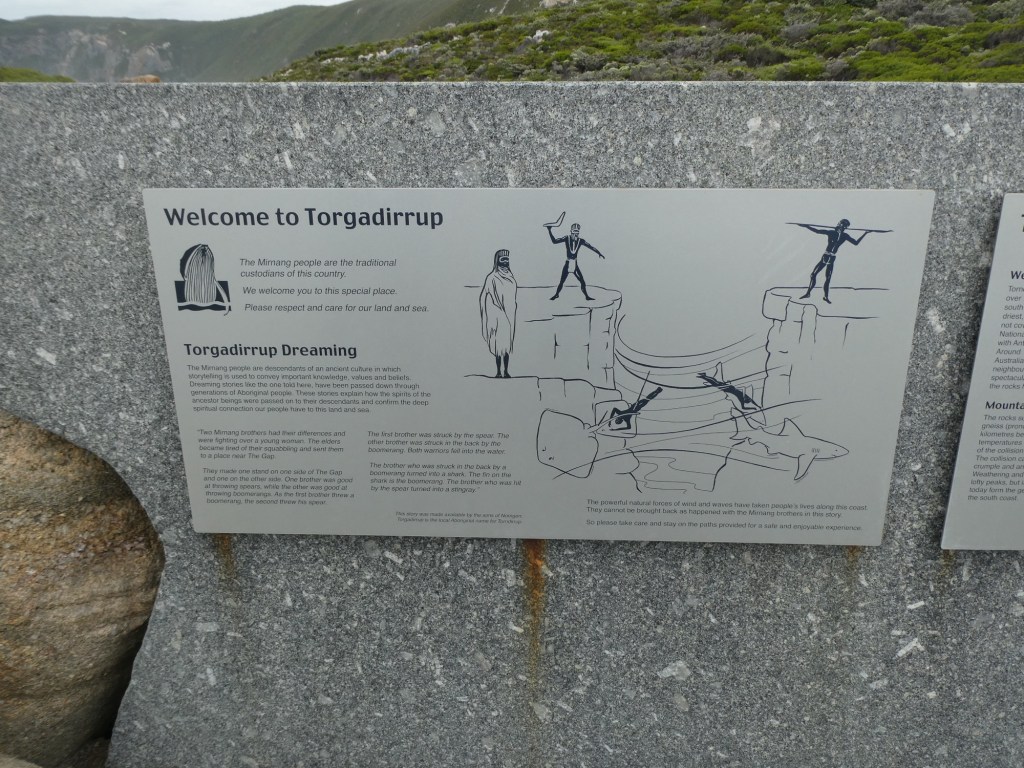
There is an Aboriginal story about two warriors who fought on each side of the gap and at the end when each died of wounds became the shark and the stingray.
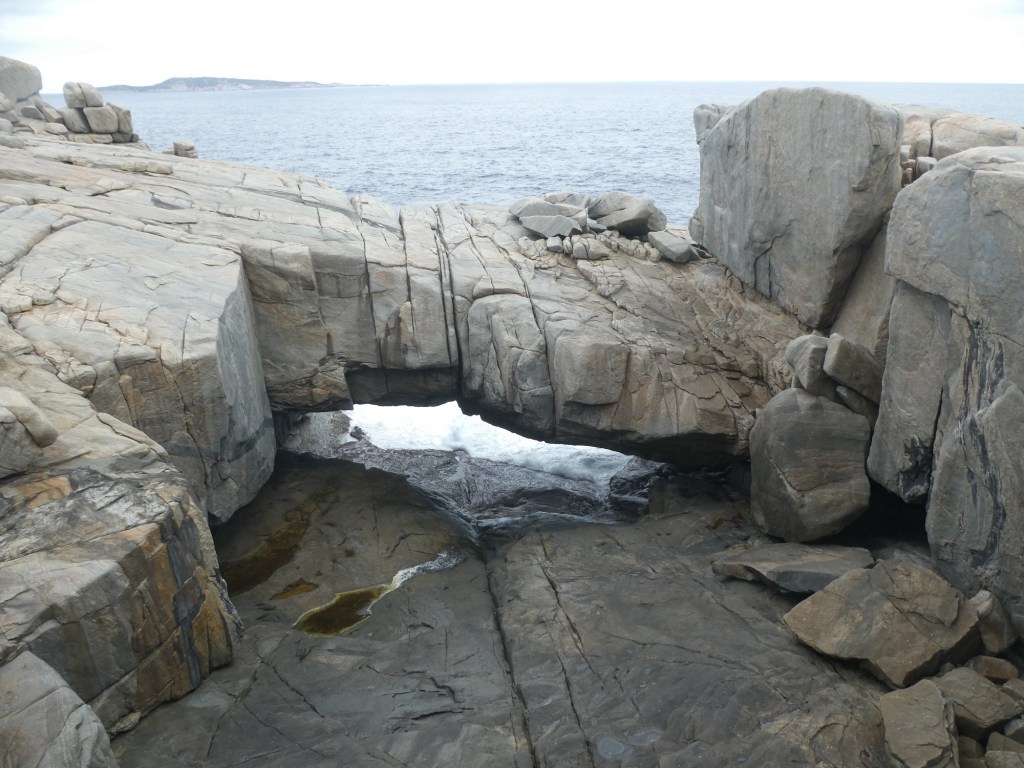
A short walk from The Gap was the Natural Bridge. The coast line here was very dramatic with pretty beaches, cliffs and roaring waves.
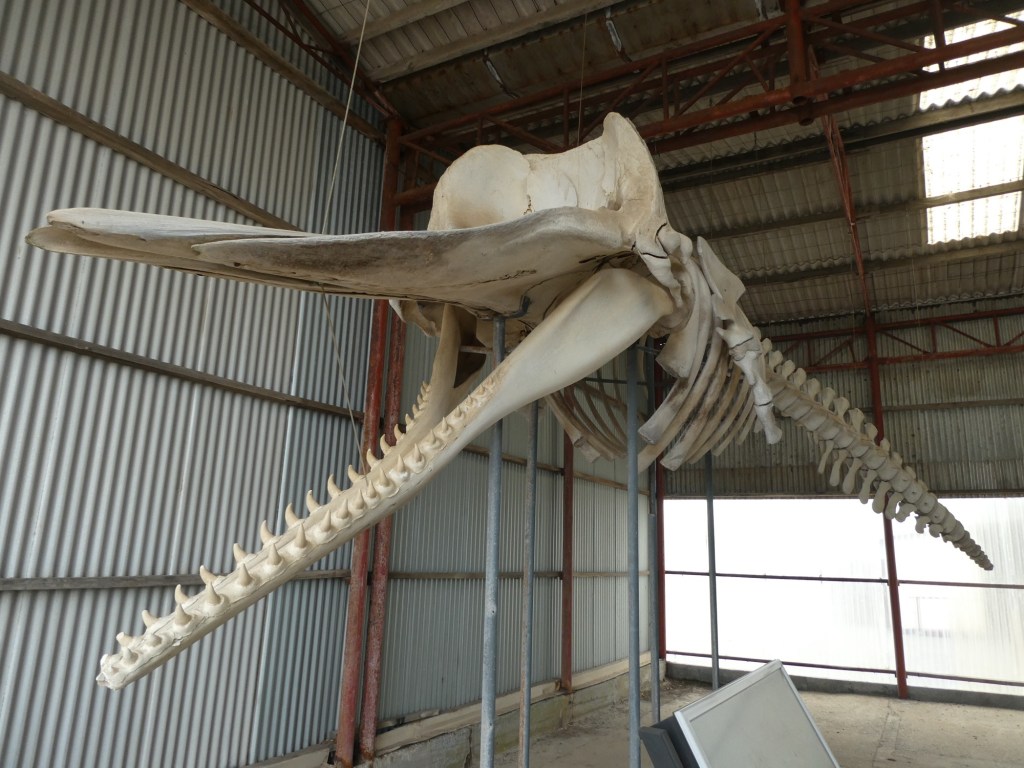
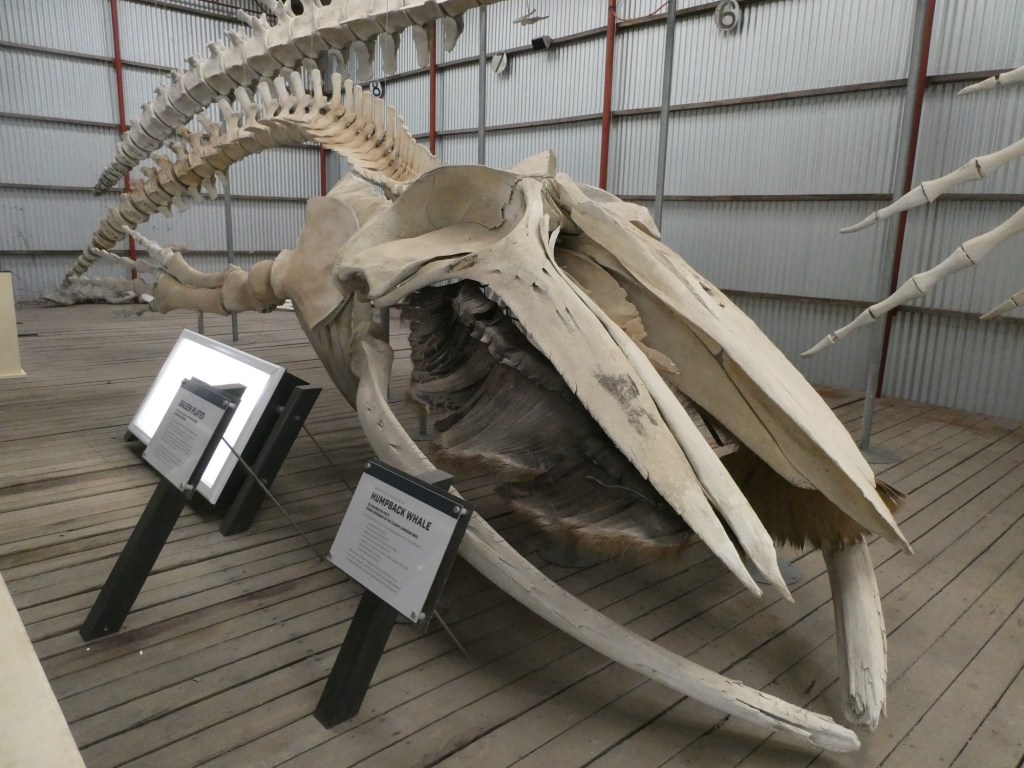
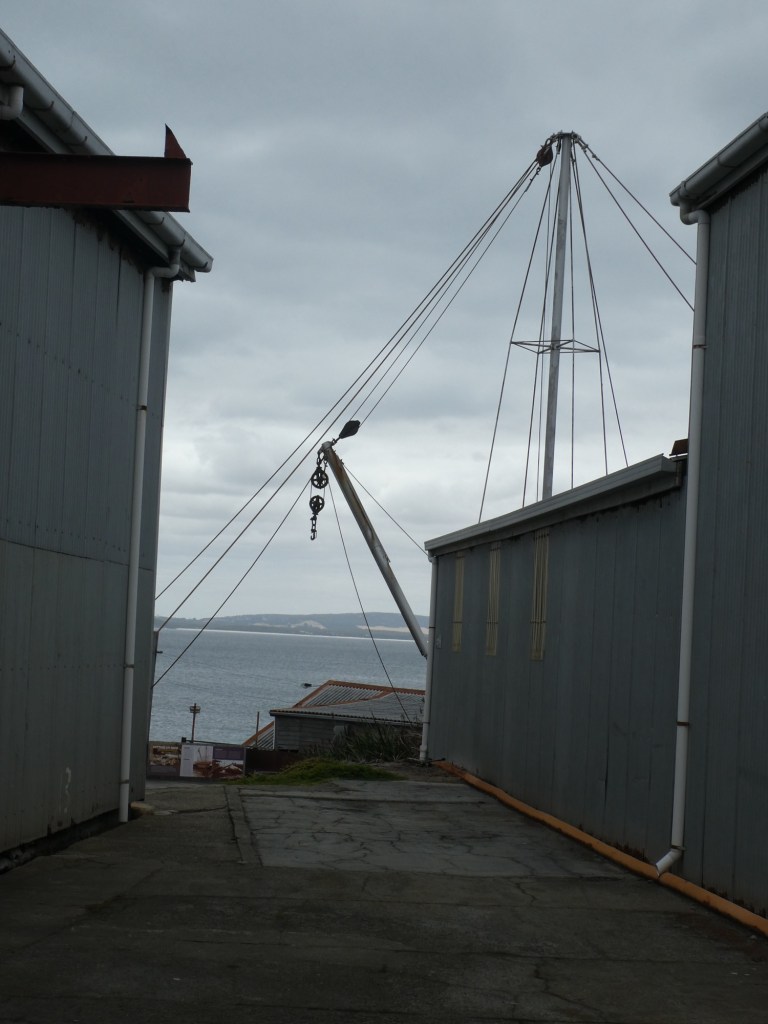
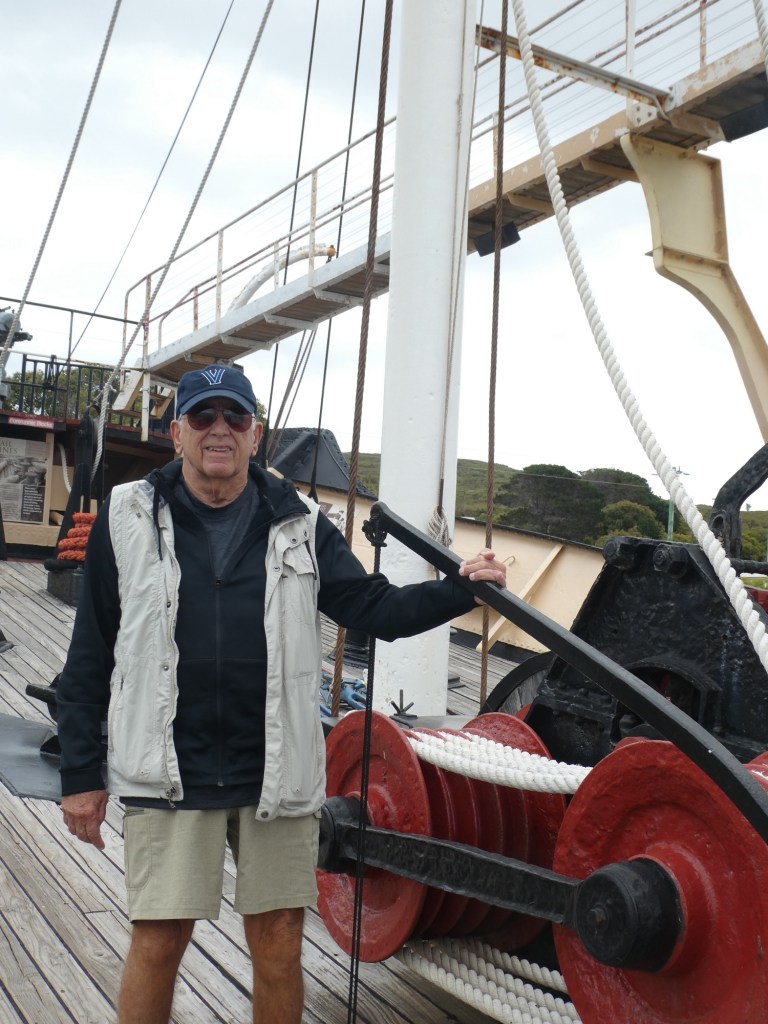
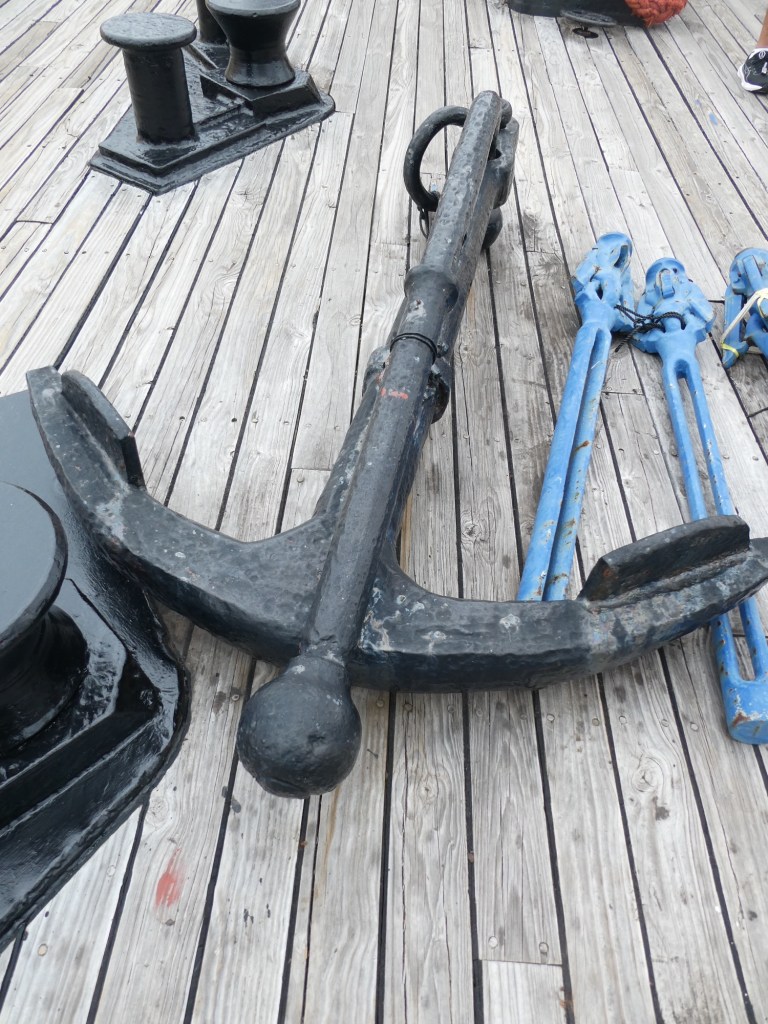
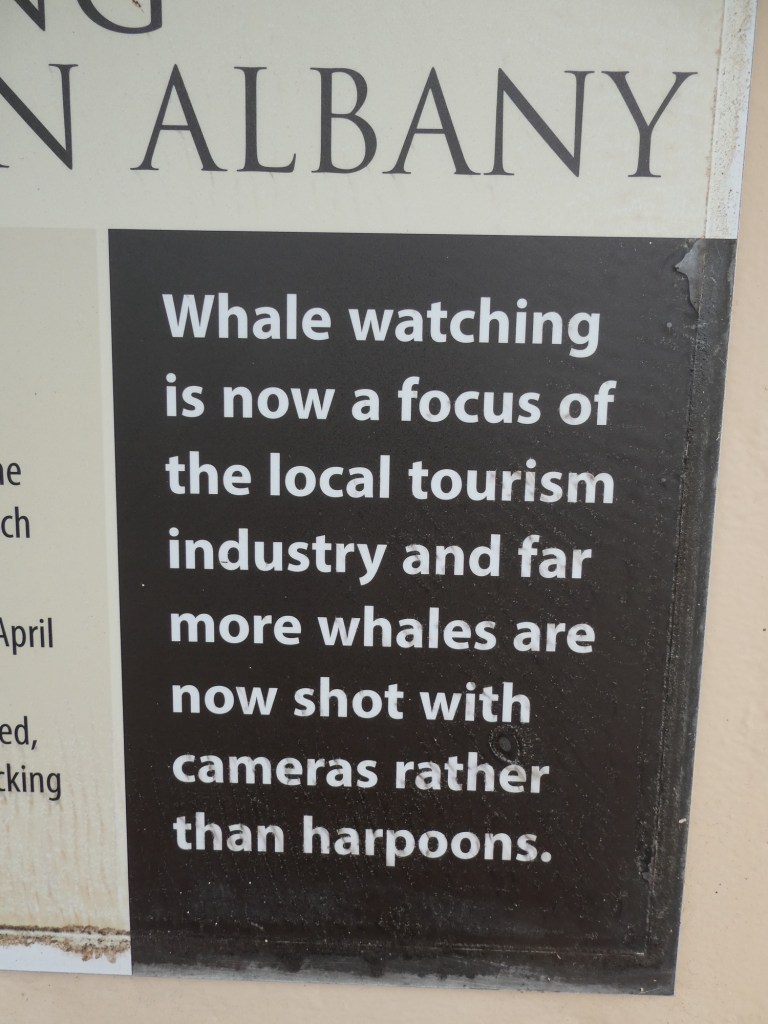
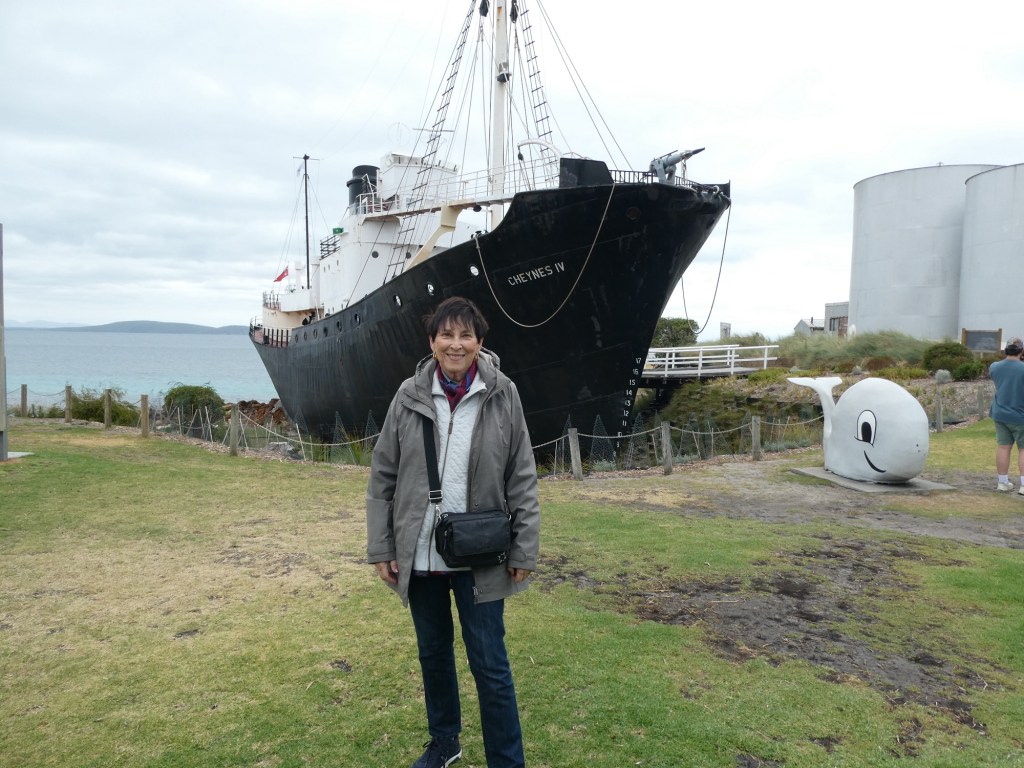
Our next stop was the Cheynes Beach Whaling Station. Whaling was a huge industry in the 1840s. The whales were caught only for their blubber. The Aboriginal people often came to work in order to get the meat of the whales which was beneficial to them. The place we visited was the longest running whaling station from 1952 – 1978. In the 1960s whaling for humpback whales was banned. The area has sperm whales so the whaling industry was not affected. The station was closed because in the 1970s the need for the whale oil was lessened and the cost to run the whaling ships was exceedingly expensive.
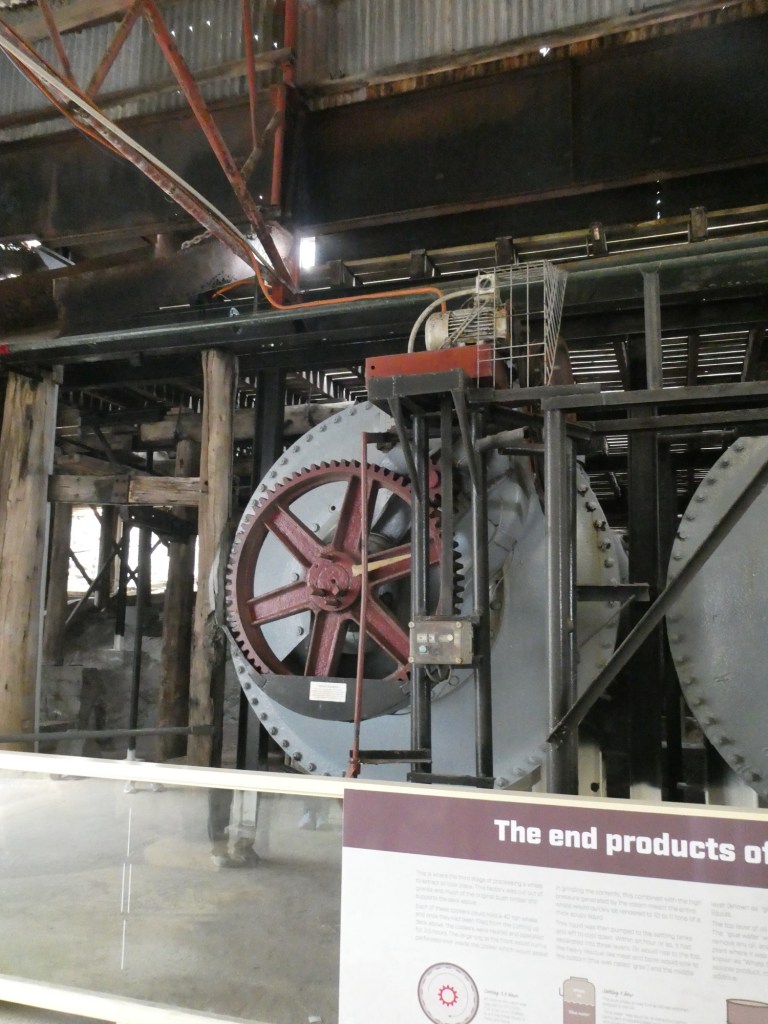
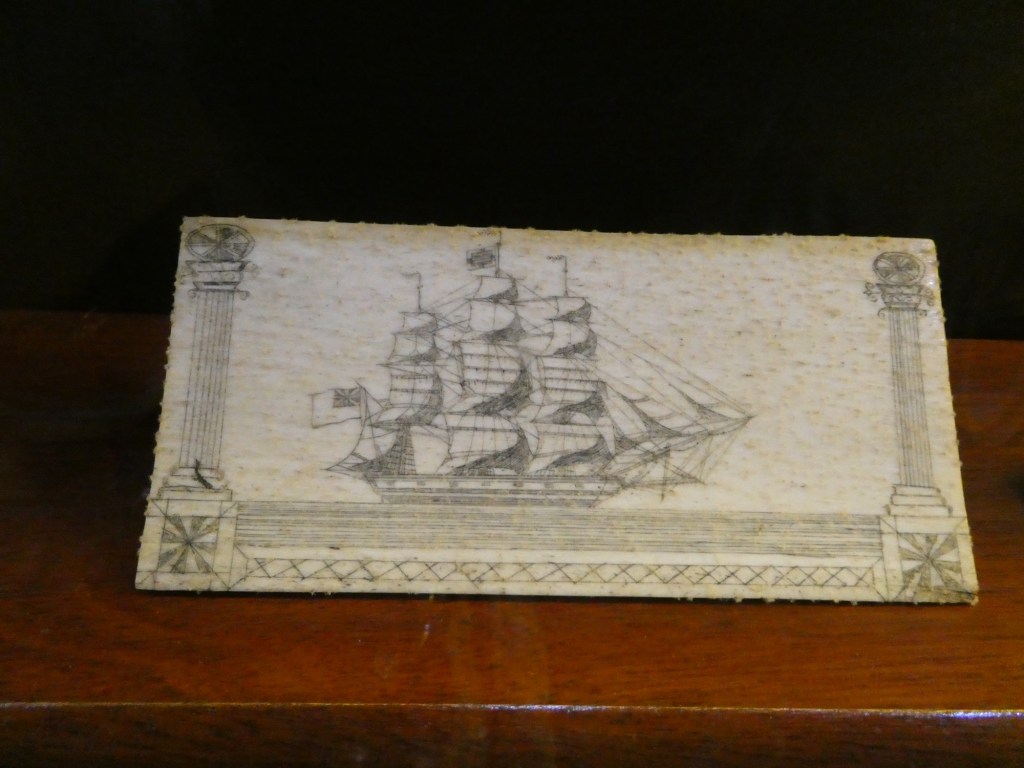
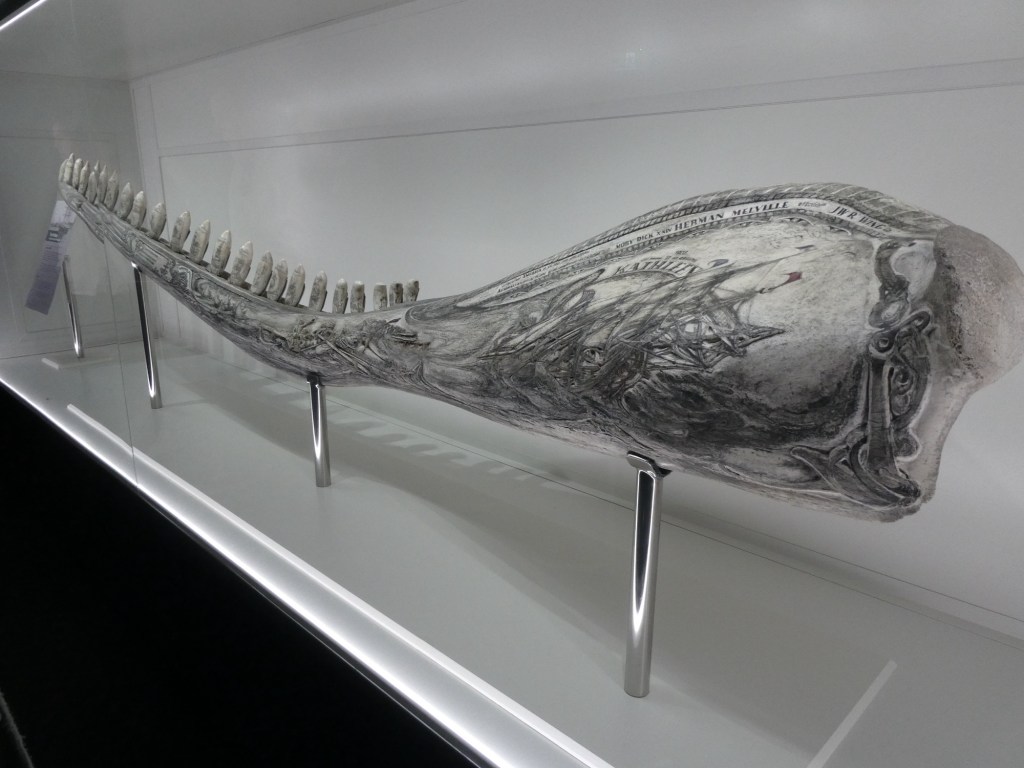
We had a tour of the full whaling station with informative talks at each place to explain what happened as the whale was processed. A 50 ton whale would provide about 7 tons of oil. The bones were ground to use as fertilizer. The teeth were sold for ivory. Although the main purpose in catching the whale was for its blubber, the remainder of the whale was not just discarded. The ships they used, were built in Norway and could travel at a speed of 35 kpm, which is the same speed a sperm whale can travel. One of the interesting exhibits was of scrimshaw. The word scrimshaw means “to waste time” and the sailors carved their items in their spare time when there was nothing else to do.
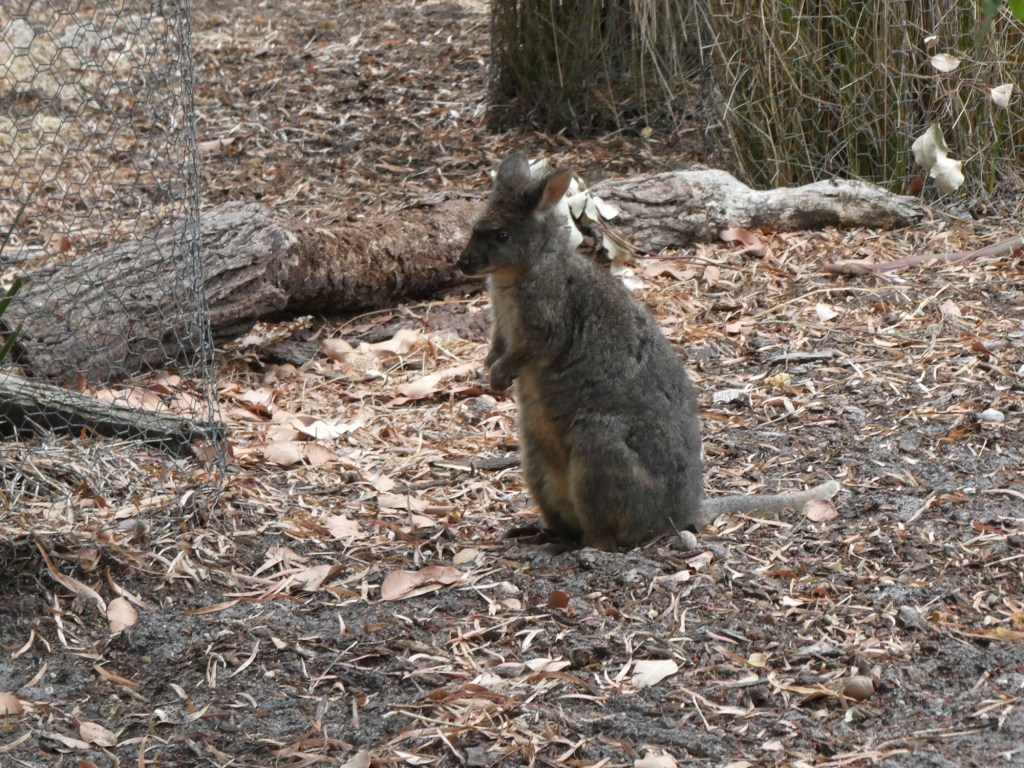
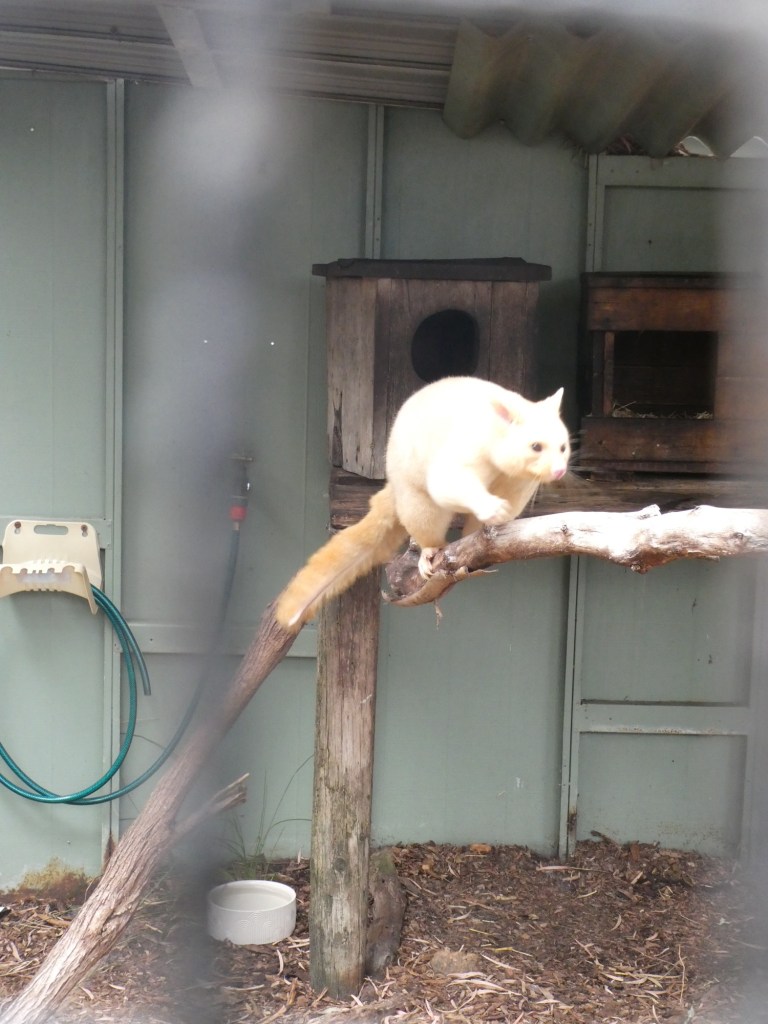
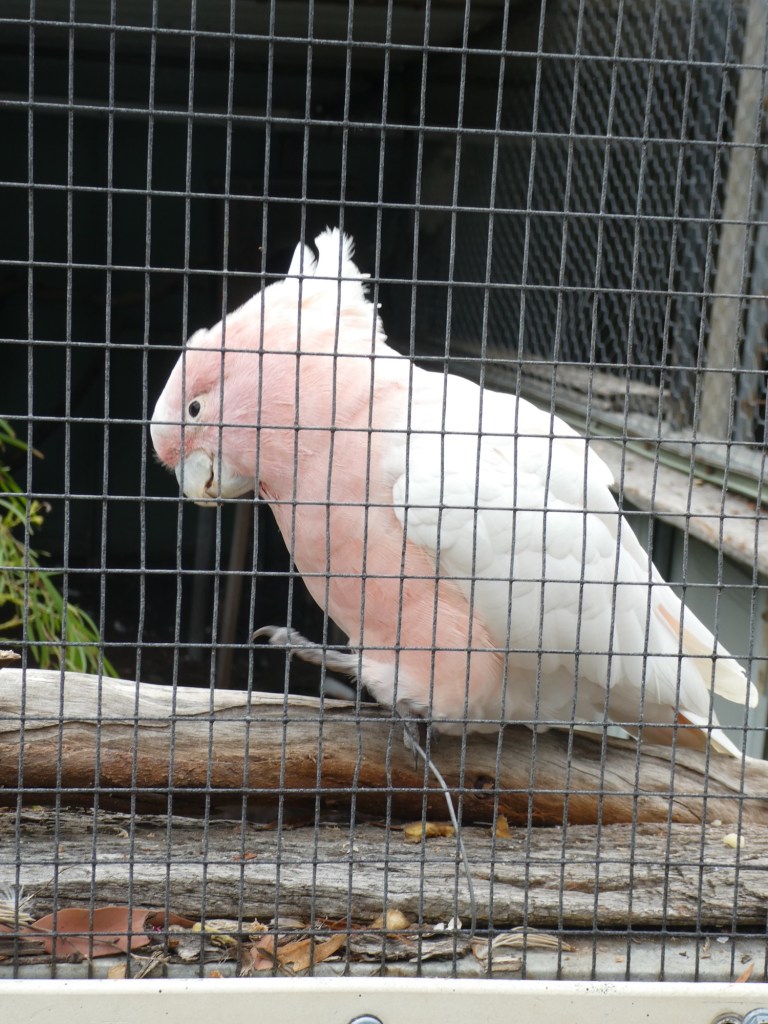
The whaling exhibit also had an area of Australian native animals.
This was one of the more interesting days we have had.
 Bette and Bob See the World
Recent Comments