Author Archives: bettesbatson

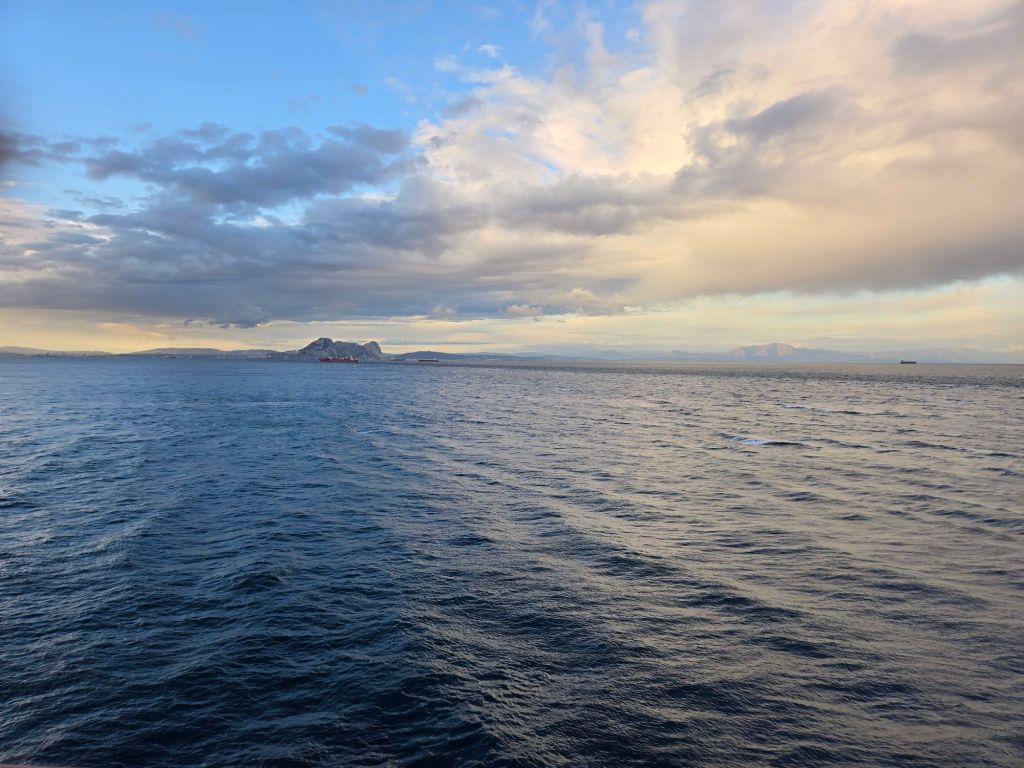
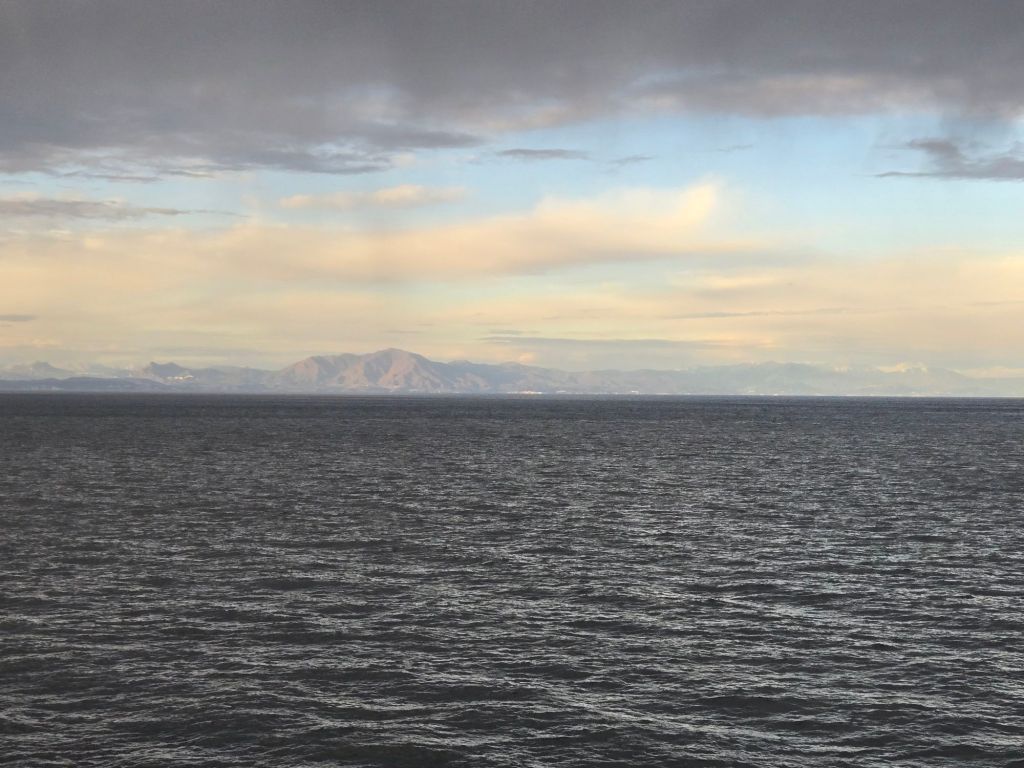
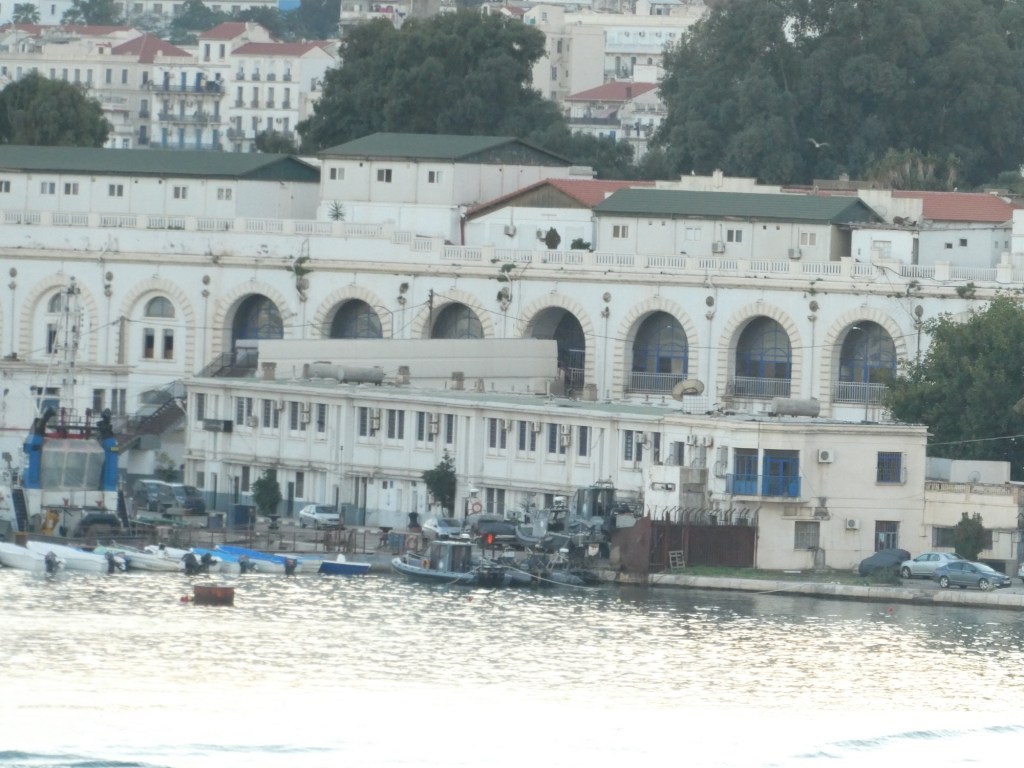
La Goulette (Tunis), Tunisia – December 8

Tunis is the capital and largest city in Tunisia. It sits along Lake Tunis, just inland from the Gulf of Tunis. It has a population of approximately 600,000 with 98% being Arab. The country became a republic July 25, 1957. Tunisia is a Muslim country. The center of Tunis is the Medina, a world heritage site. Jasmine is the national flower. 40% of the land is the Sahara desert. Their main source of income is from olive oil and dates (3 million trees).

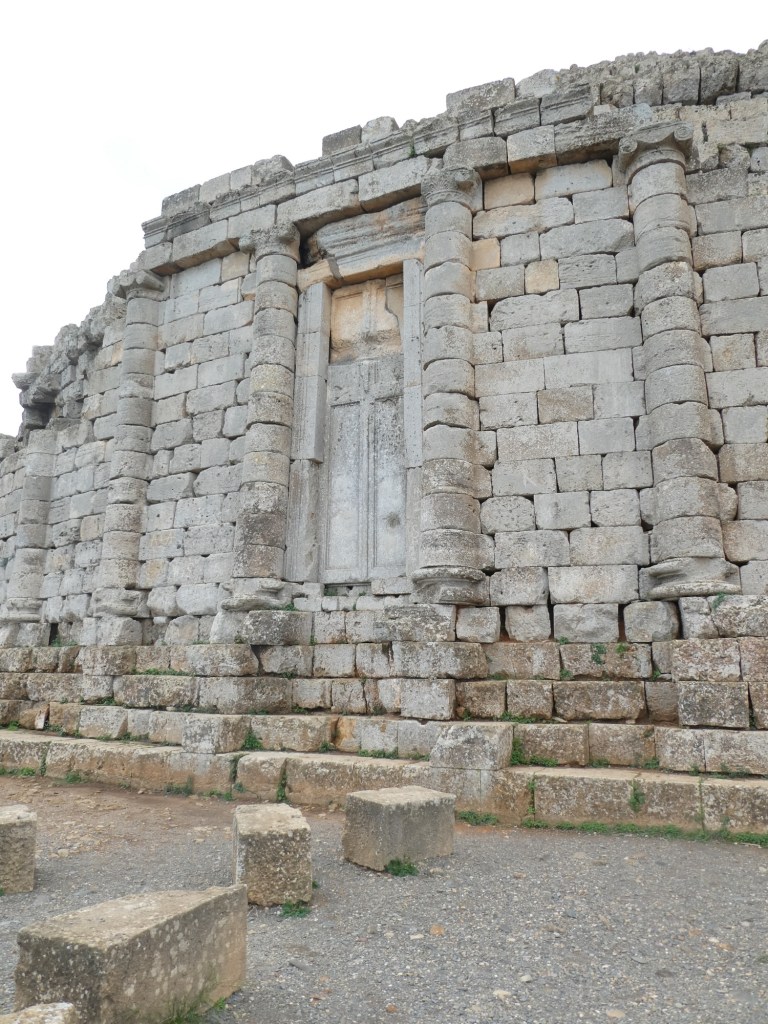
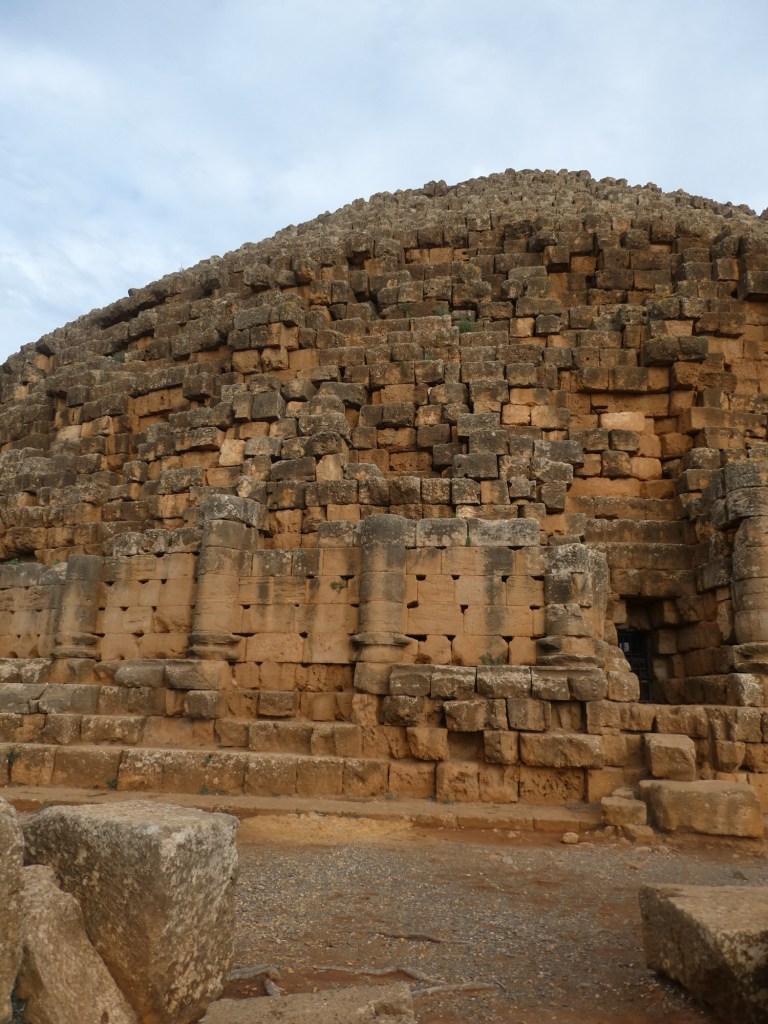
Carthage was established in 698 AD but came into its hay day in the 12th century when it became the most important city on the Mediterranean Sea. The area called Carthage was the 2nd largest city outside of Rome. It was established by the Phoenicians. It was overtaken by Rome after the 3 Punic Wars.

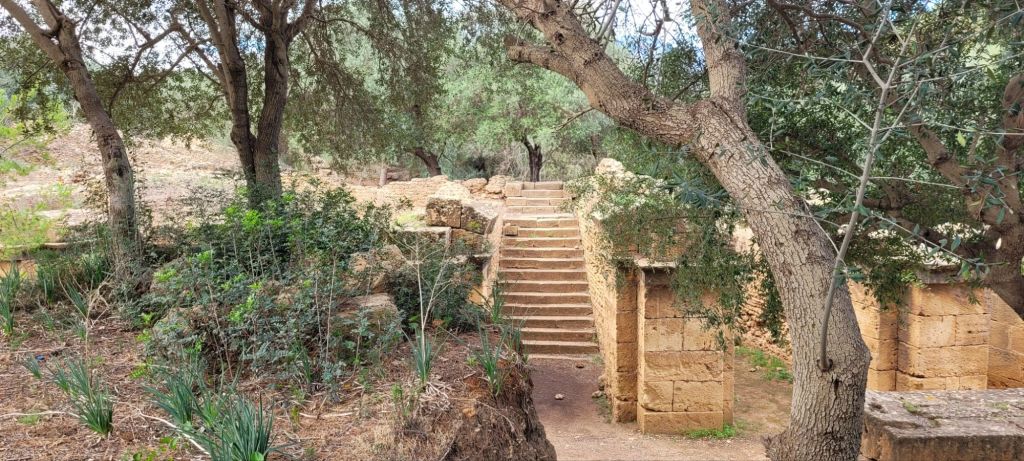
Today Carthage is a suburb of Tunis with the old archeological areas in and among the current city.

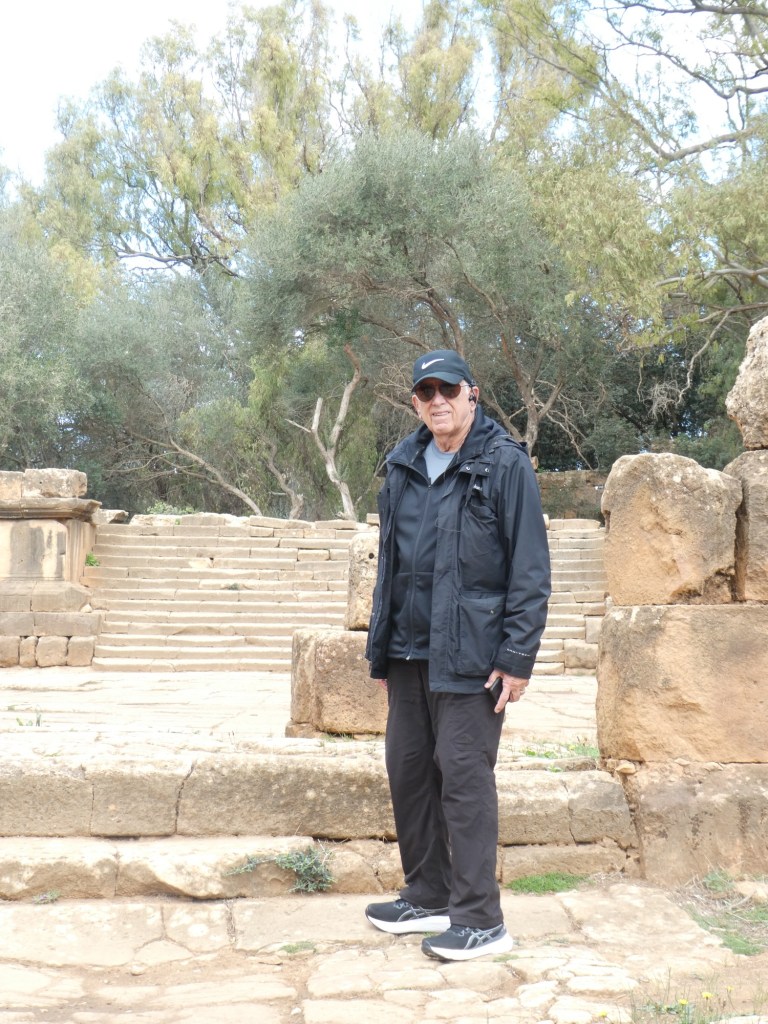
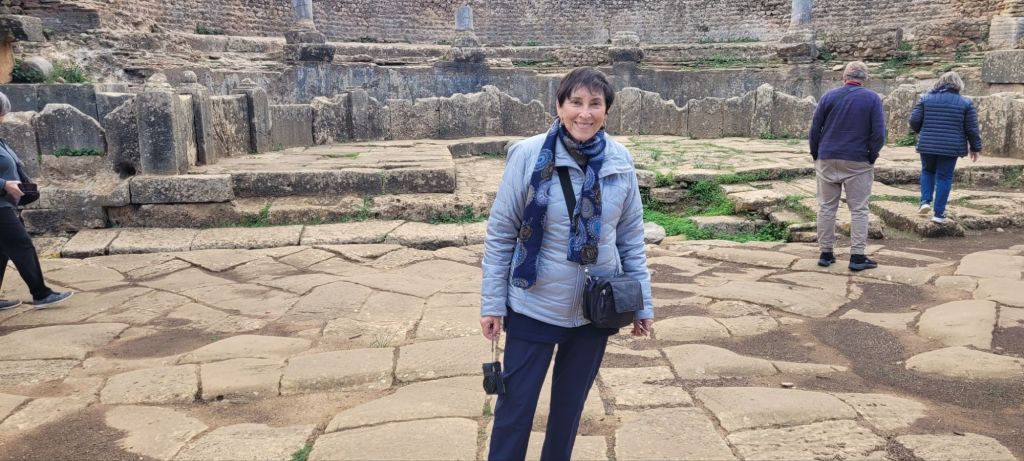
Our tour was to see Carthage. Unfortunately the day was like this, cold and windy, drizzle, cold, heavy downpour, sunny, and then drizzly. Carthage was made a UNESCO world heritage site in 1979.

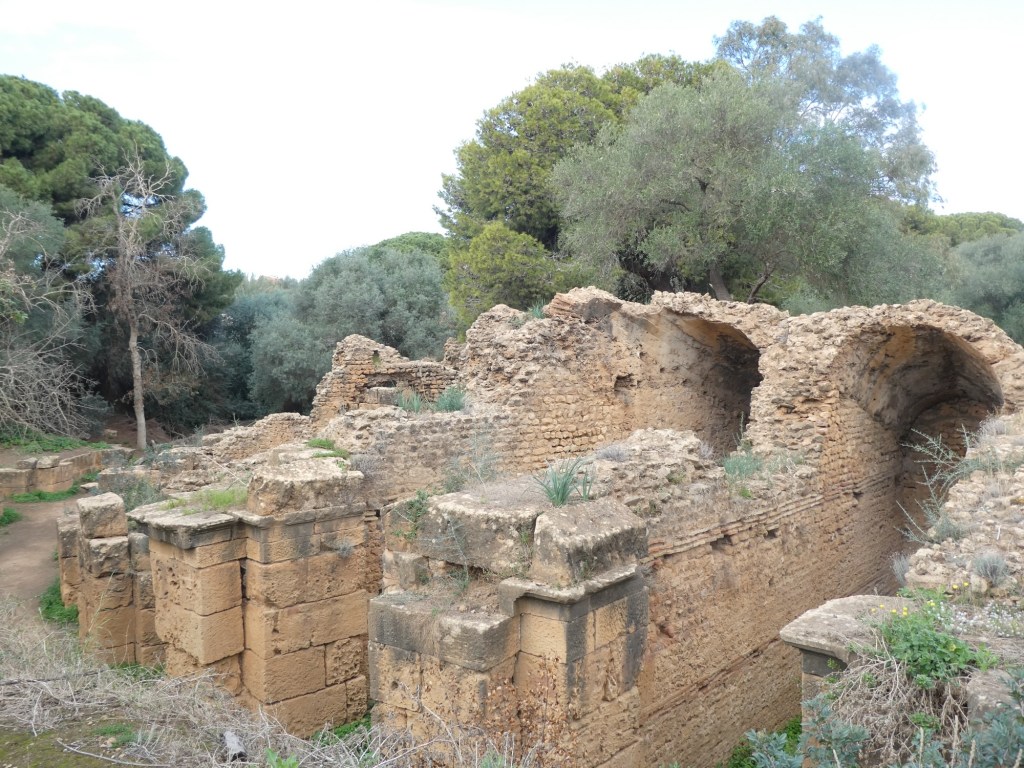
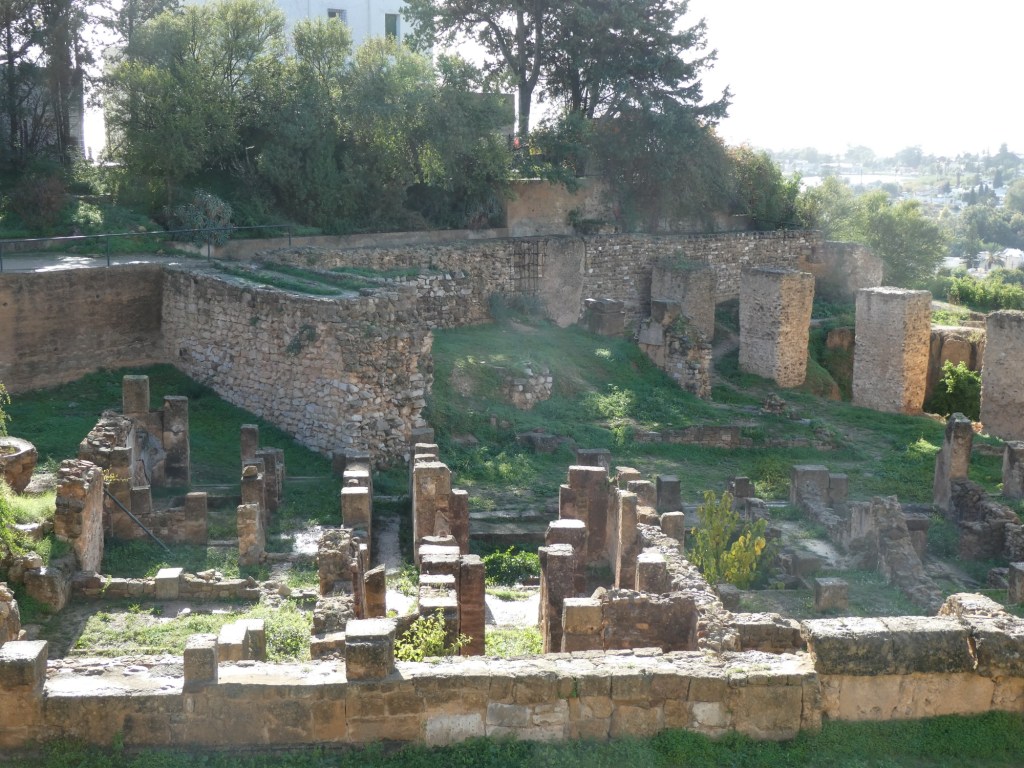
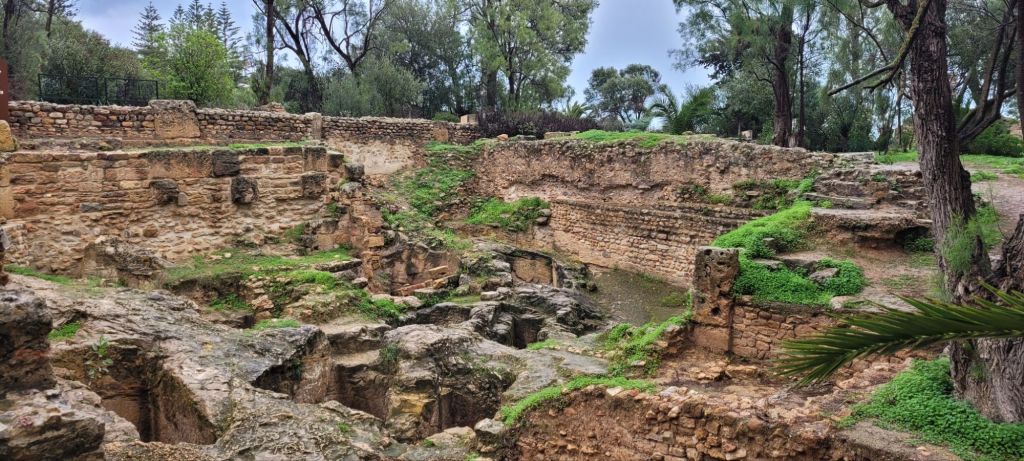
There were 2 main gods that the Phoenicians prayed to the god of fire and the god of fertility. We saw an area that our guide indicated was used to bury the sacrifices. Most were animals, but some were human. We toured 2 different sites.

Fire and fertility representations
Stones from the sacrifice area

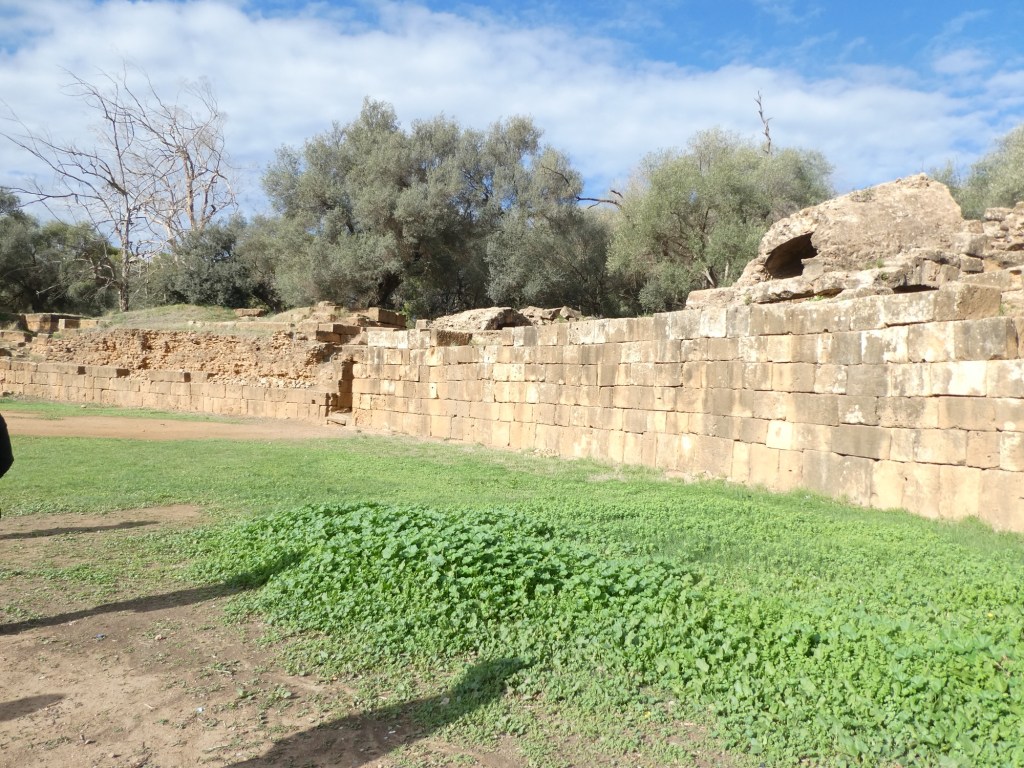
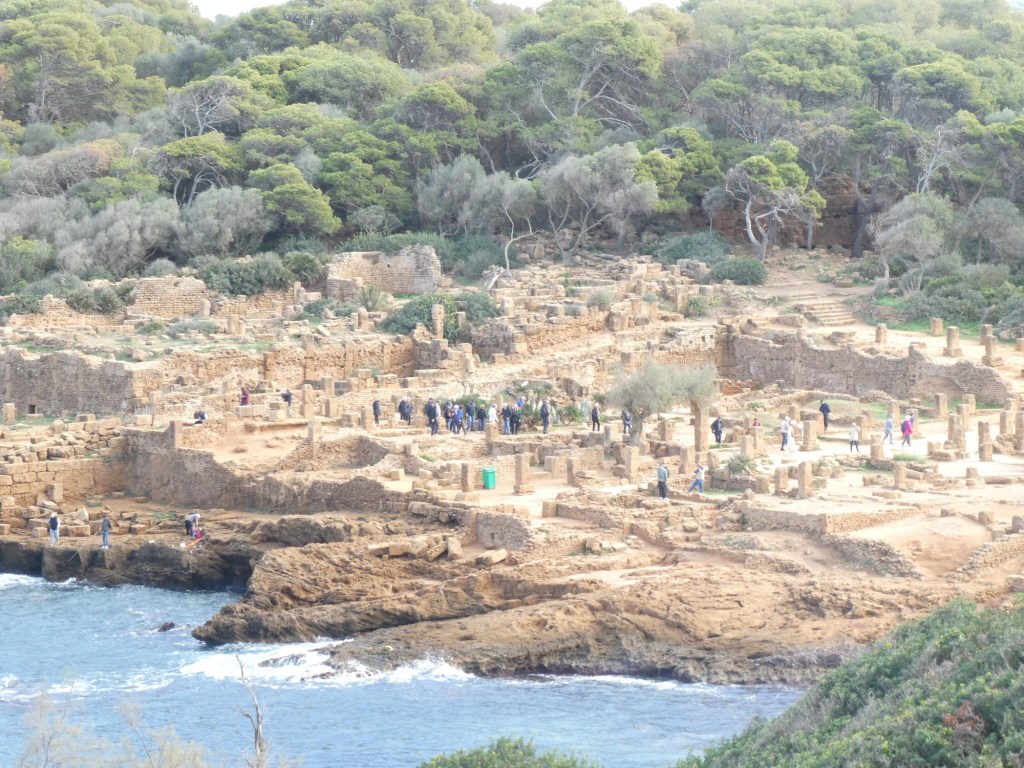
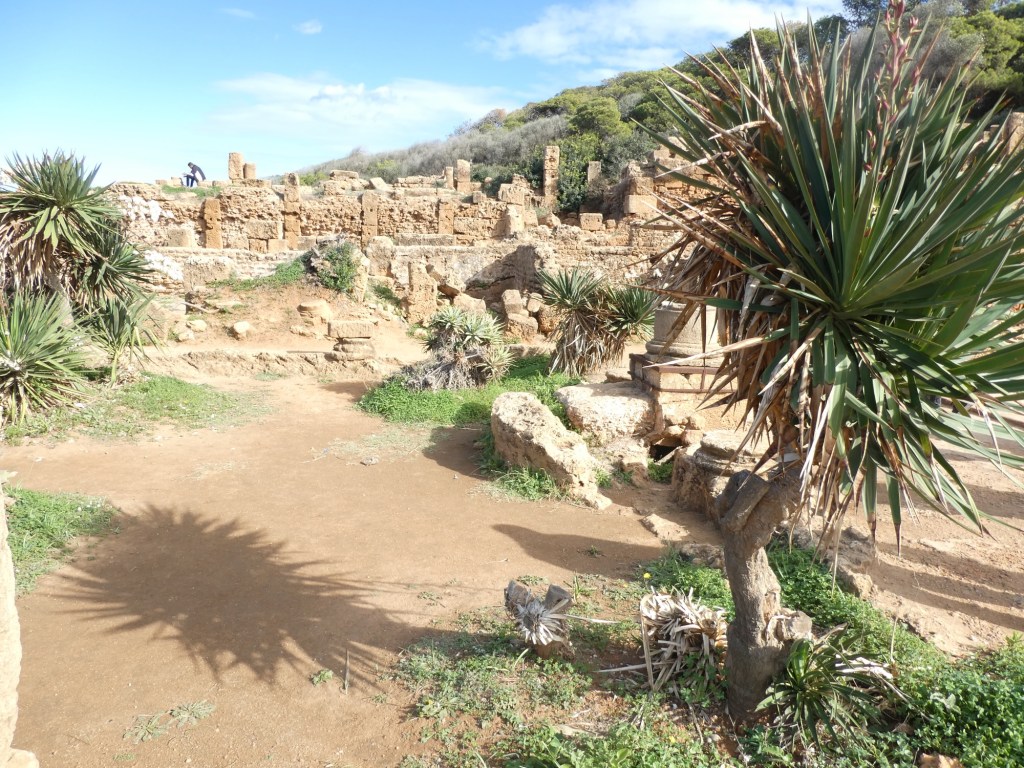
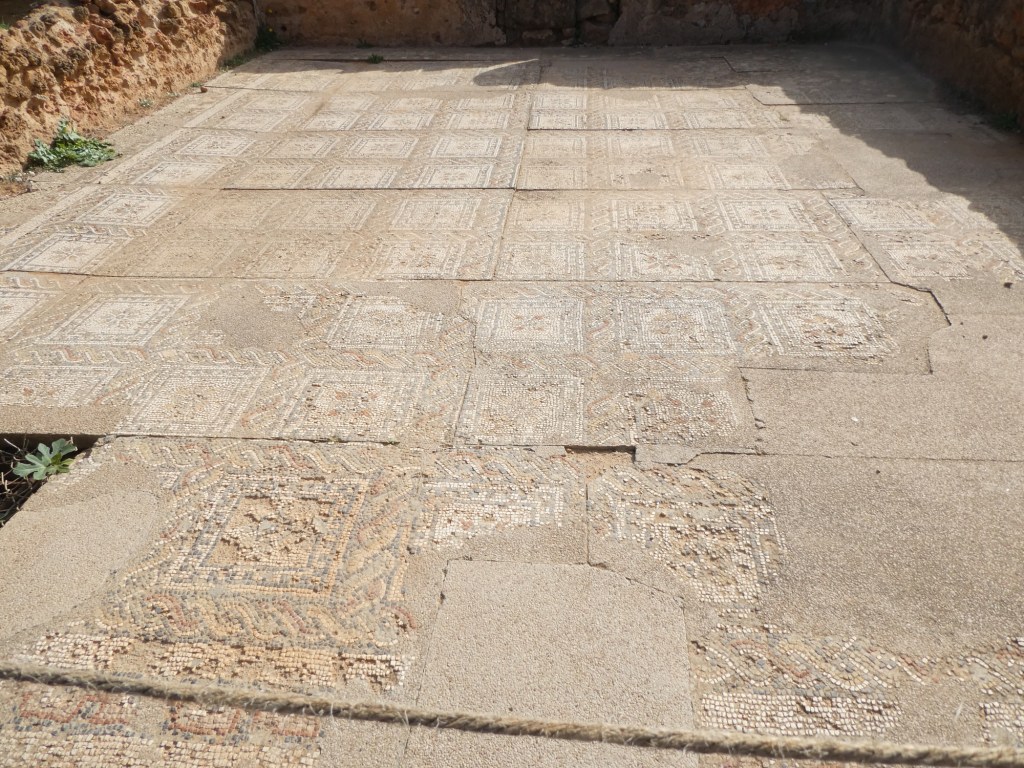
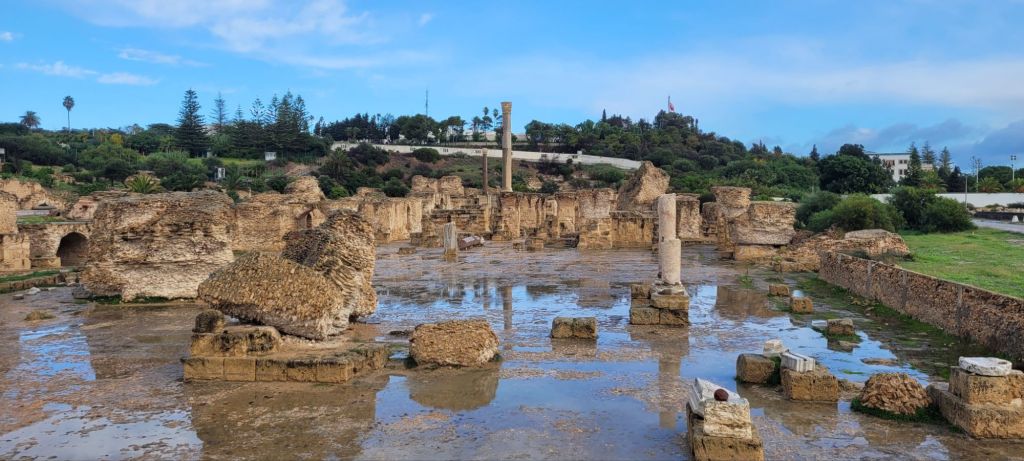
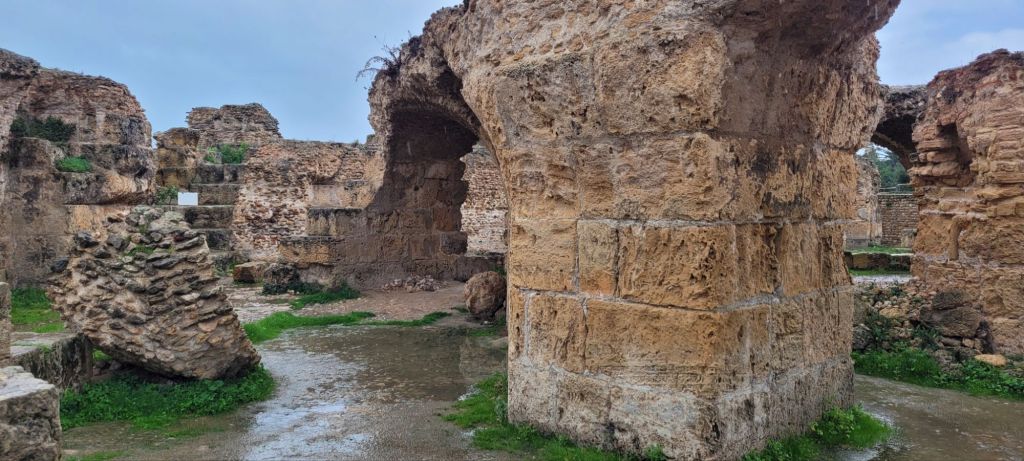
We then continued on to the main area of Carthage. We saw the various buildings and saw the harbors that made Carthage the prime port and hub for trade and war that it was.

A fountain
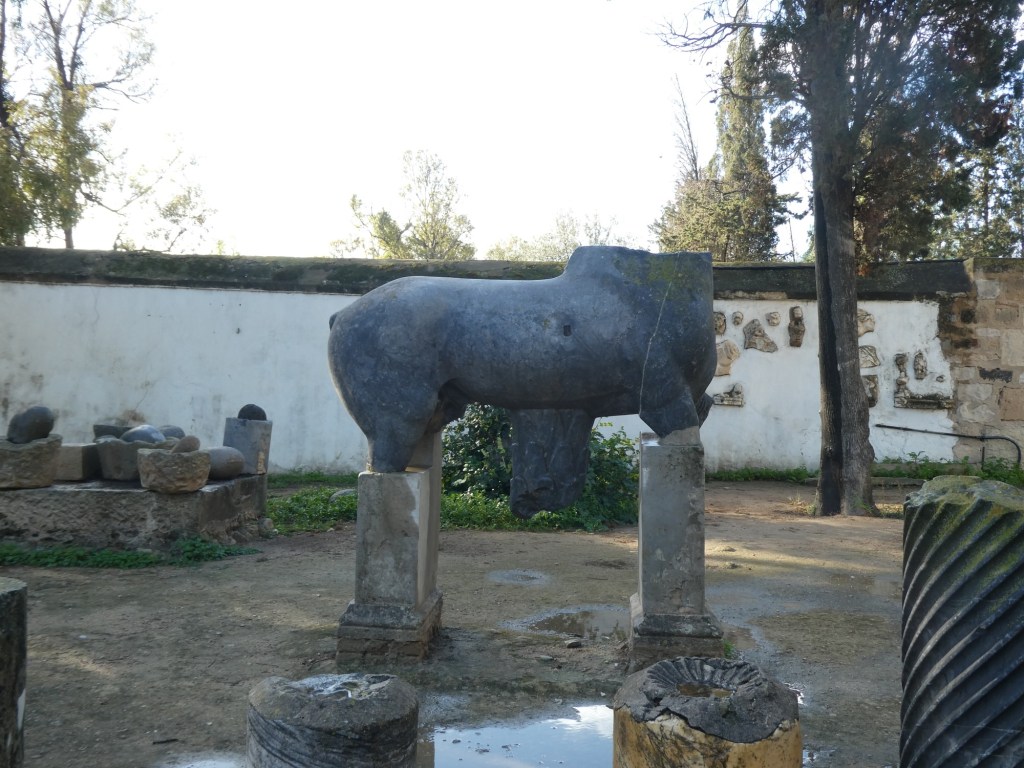
Horse

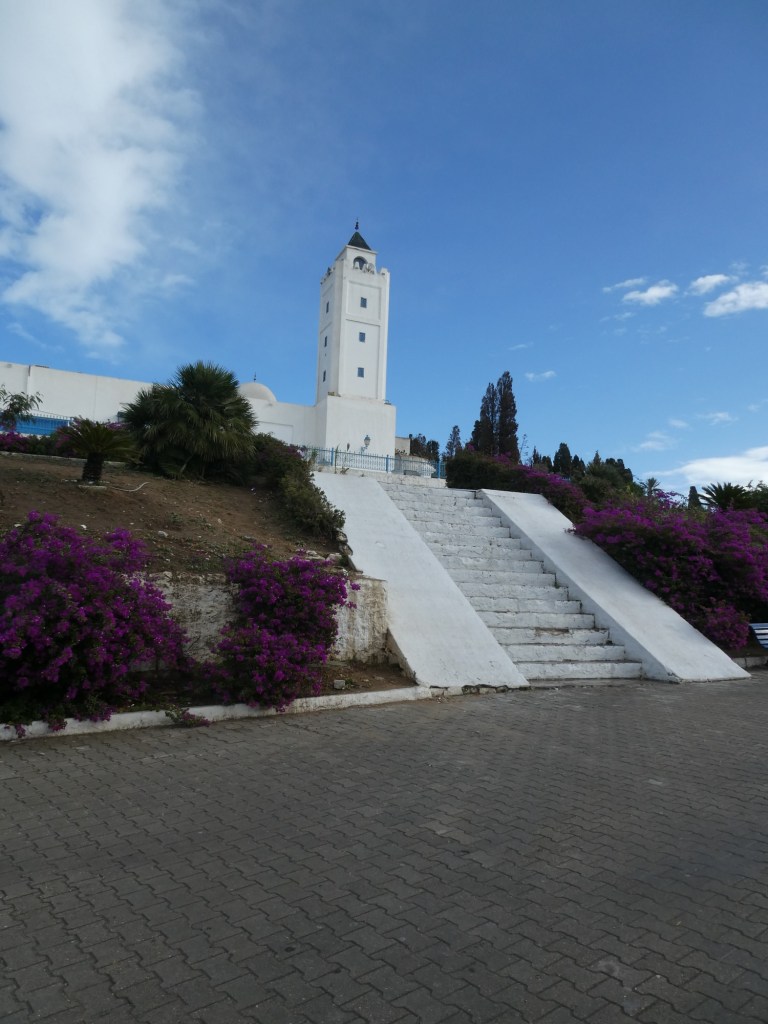
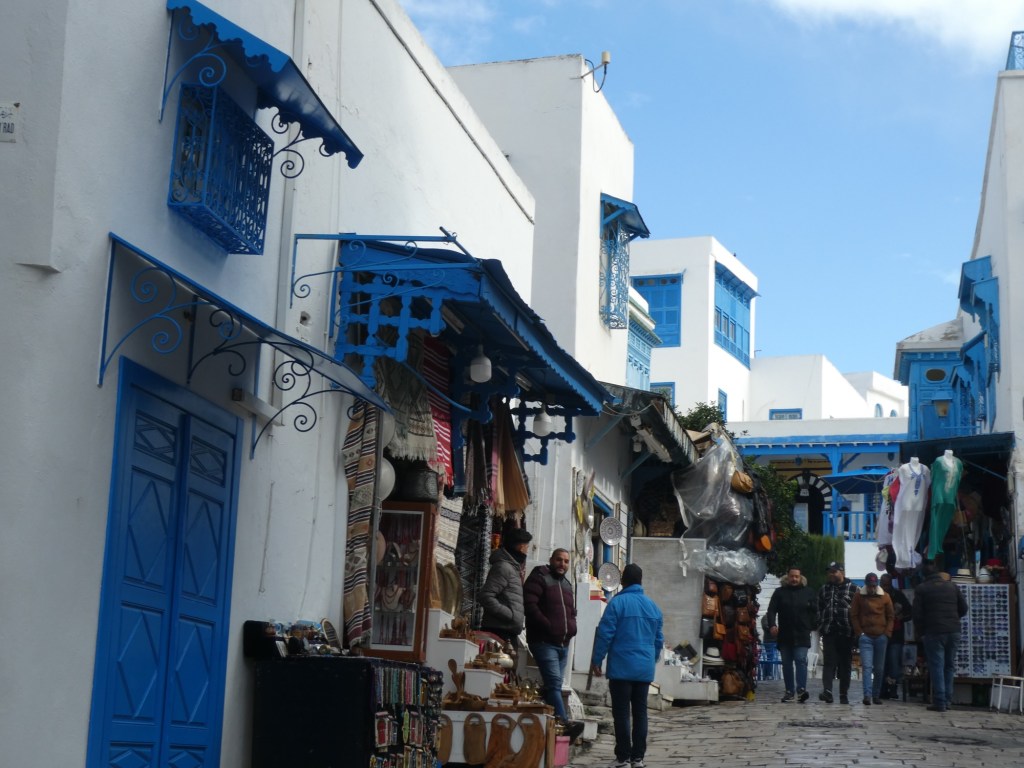
Our next stop was the blue and white city of Sidi Bou Said. We saw their mosque from the outside and then strolled the streets. We climbed to the top of the hill and then did some shopping.

Mosque

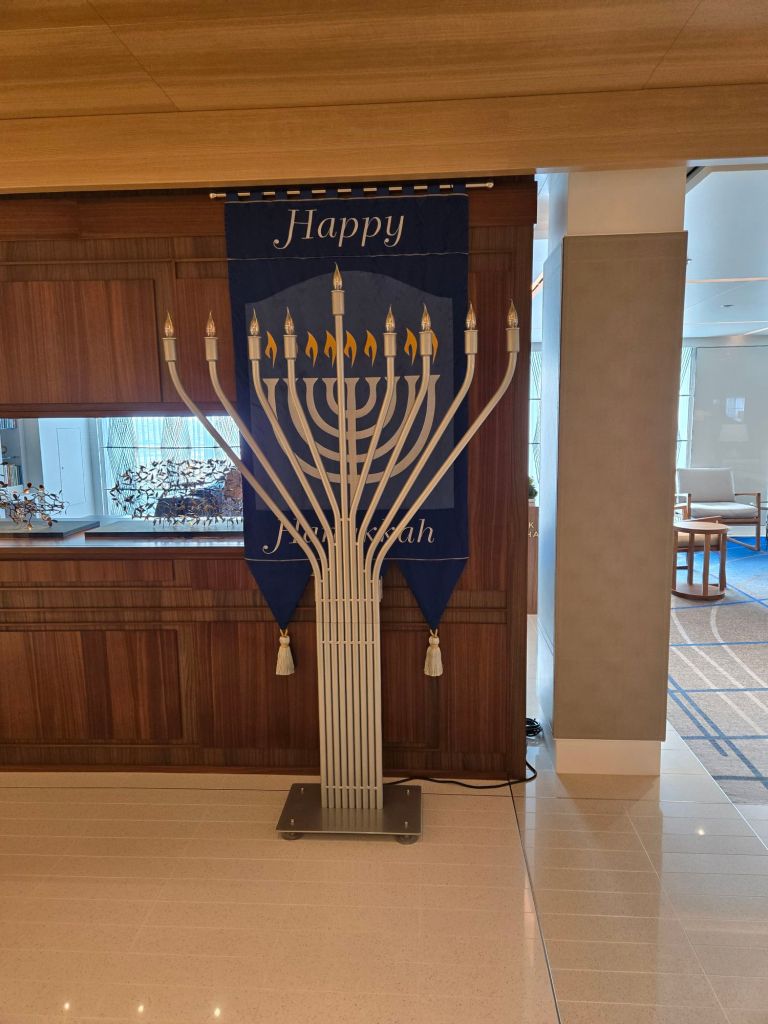
We then returned to the ship which had more holiday decorations.

Birch trees in spa area

More adventures to come.

Categories: Uncategorized | Leave a comment

Valletta, Malta – December 7

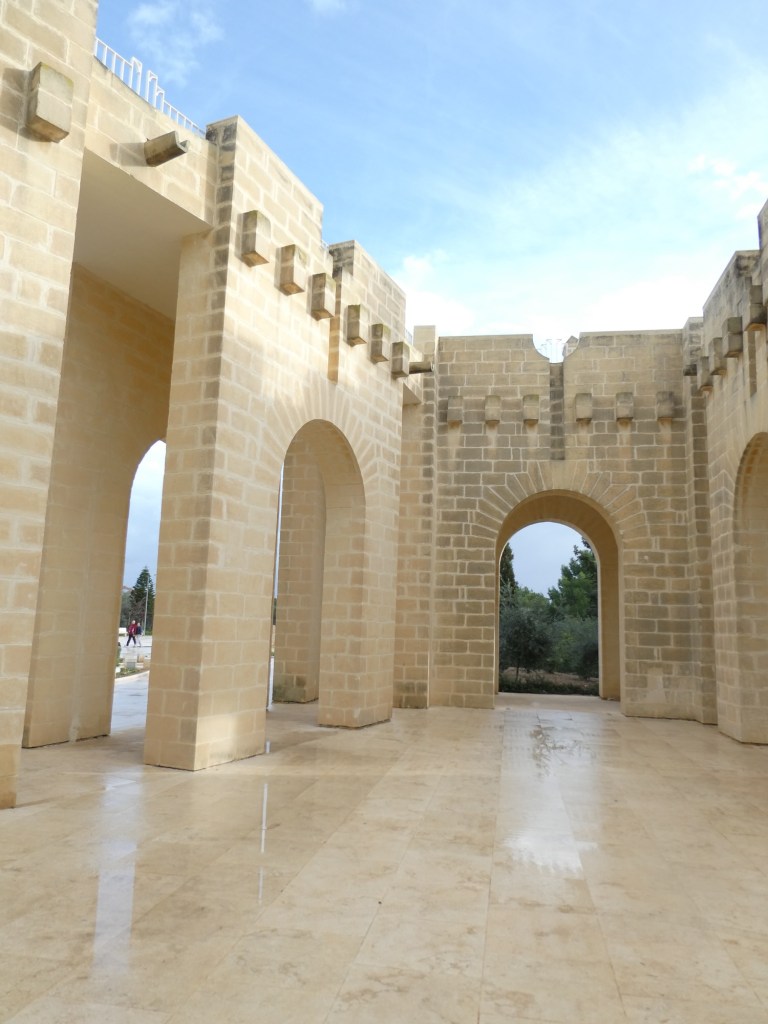
We overnighted in Valletta and started our second day there with a tour of Mdina and Mosta. Since Malta we a British colony until 1954, they drive on the wrong side of the road. We were warned to look both ways when crossing since we are only used to looking to the right. We learned that there are 4 desalination plants that provide the water for Malta and that the government subsidies water and electricity for everyone. All bus transportation is free as well as all schooling through university.

Our first stop was at a glass blowing factory. This is one of the main industries of Malta, brought to them by the Phoenicians. Unfortunately the glassblowers were not at work when we were there. Across the street from the glass factory which was in an old RAF hanger was Malta National Park. Bob and I walked around for a while. It was very nice with gardens, fountains, picnic areas, playgrounds and hiking area.

Christmas tree in front of glass factory with 2,000 balls

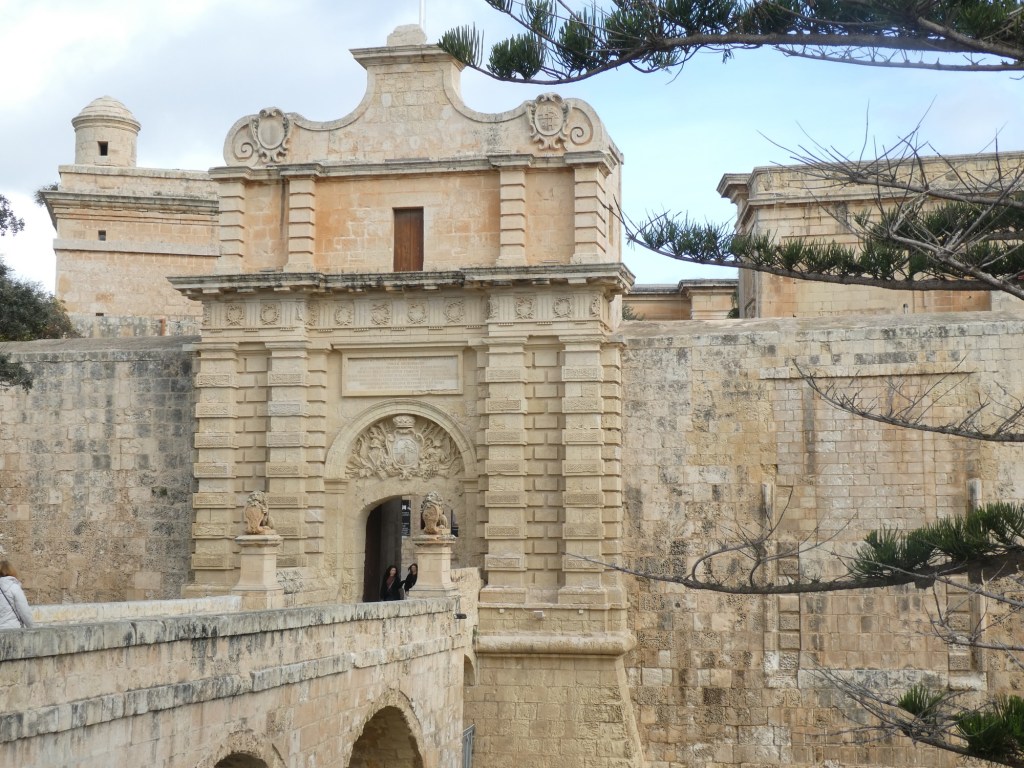
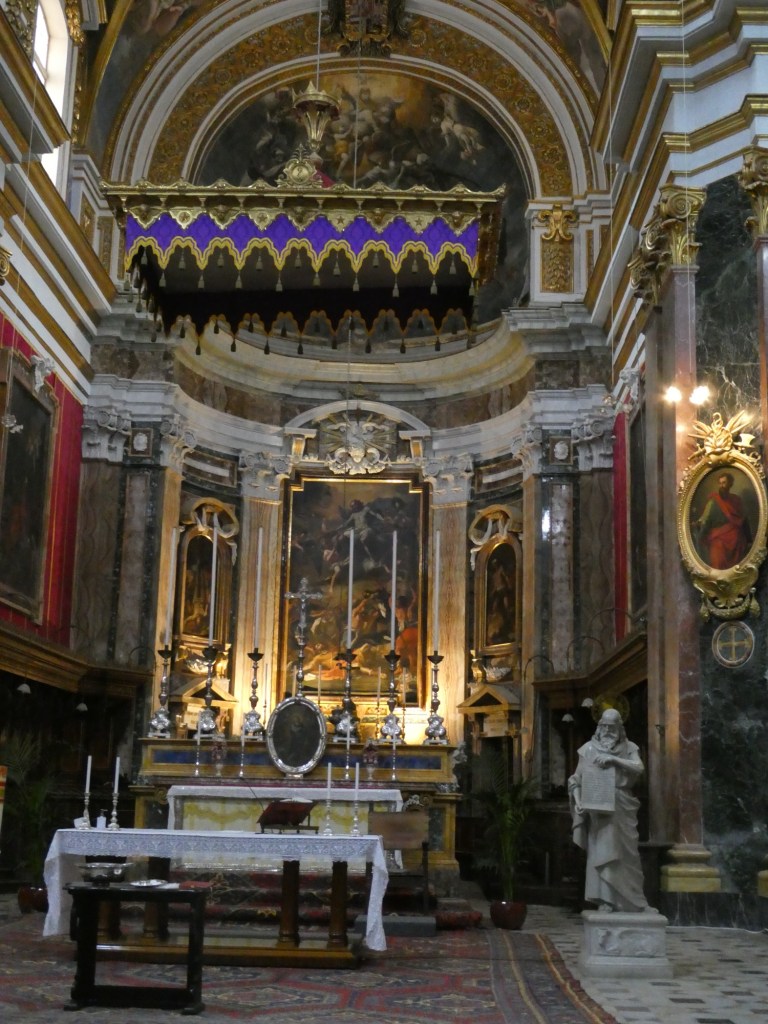
Our next stop was the walled city of Mdina, called the silent city. There are only 74 people who live here currently. Mdina was the original capital of Malta. It is built in both a medieval style and a Baroque style. Part of the city was destroyed by an earthquake in 1693. Mdina is the seat of the Bishop of Malta. The cathedral is dedicated to St. Paul who landed in Malta after a shipwreck. The church is in the Maltese Baroque style, which is a calmer interior design. The families who still own property here are nobles, because they have the money to maintain these old properties. Some are turning them into boutique hotels to help pay for maintenance.

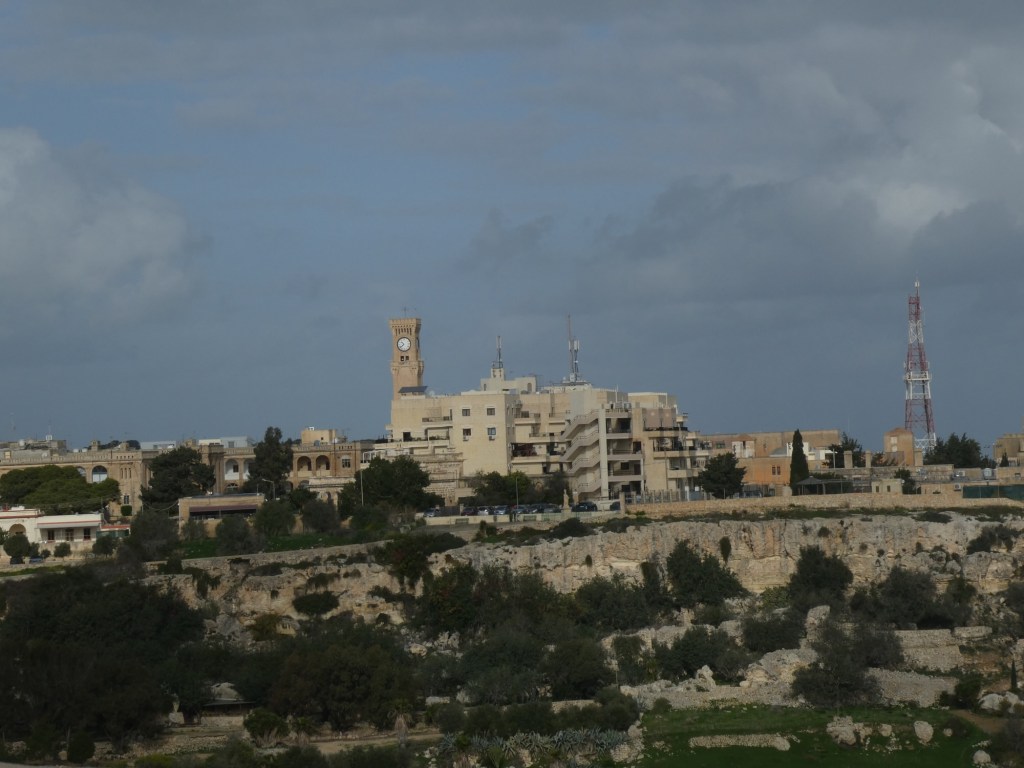
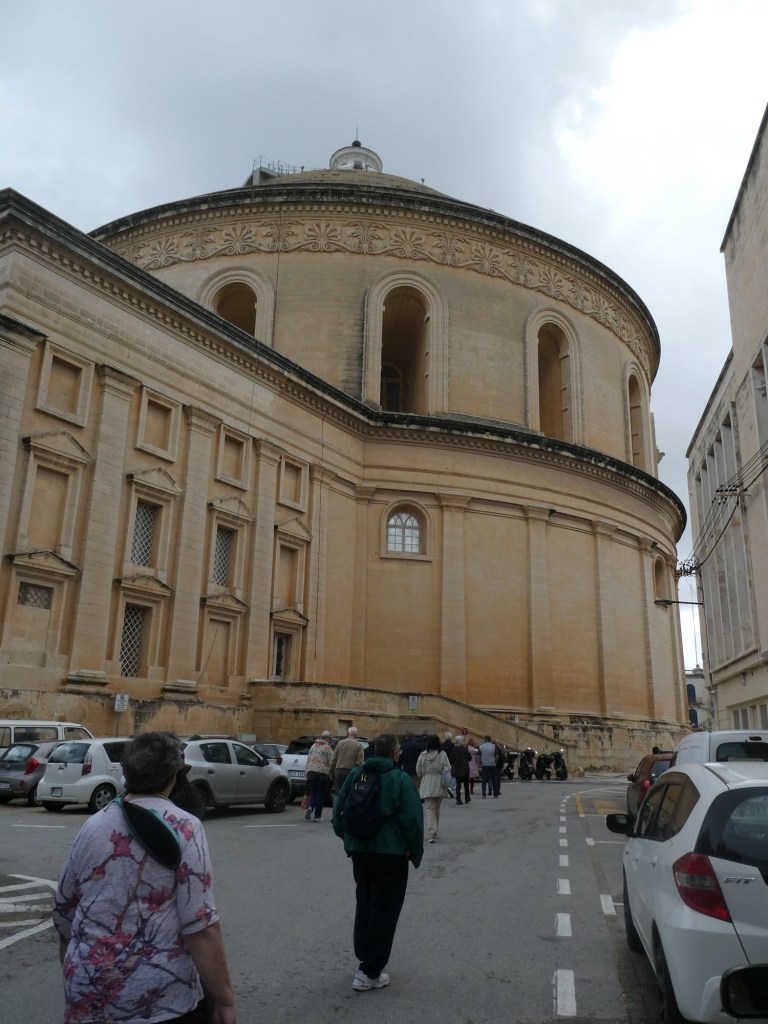
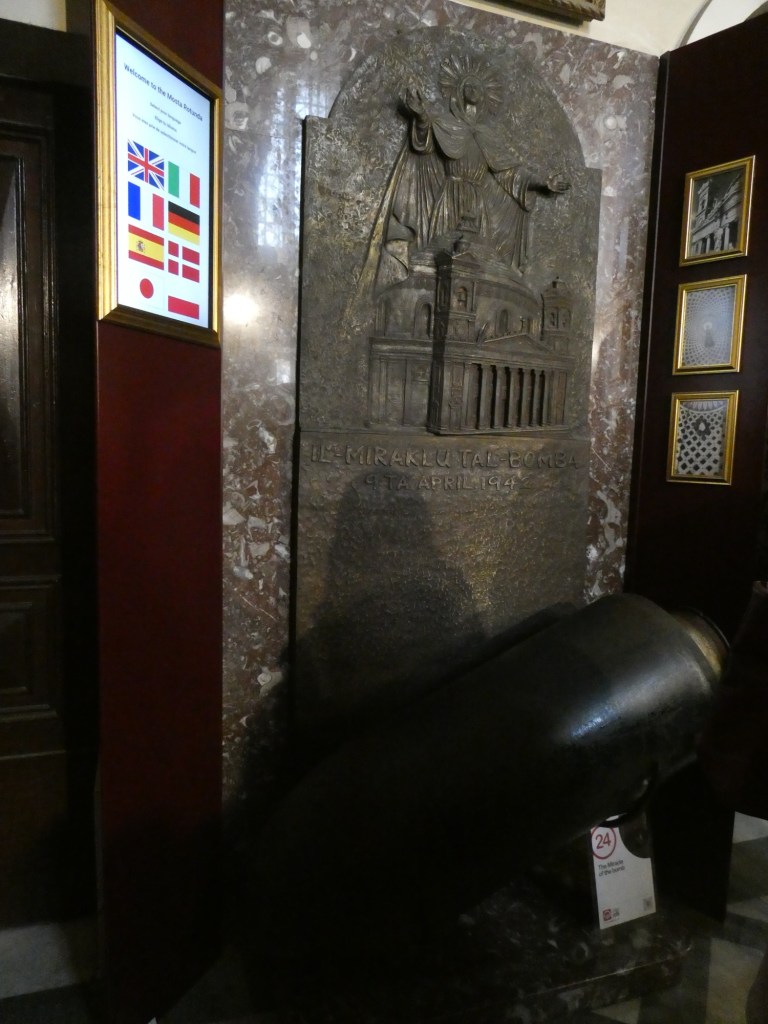
Our next stop was in the city of Mosta. It is in the middle of the island of Malta. The church we visited here is a huge round church that resembles the Parthenon in Rome. The priest’s family that provided the money for the church wanted it designed this way. It took 33 years to build and is dedicated to the Virgin Mary. It is neo-classical in style. It is colored in the 3 colors that represent the Virgin Mary, blue, white and gold. The various arches hold chapels. On April 9, 1942, 3 bombs were dropped on the town of Mosta. 2 fell outside of the church and did not detonate. One pierced the dome and it too did not go off. The locals call this the miracle of the bomb.

The unpainted spot is where the bomb pierced the dome
A replica of the bomb about 1/2 size

Categories: Uncategorized | Leave a comment

Valletta, Malta – December 6

Malta is a group of 5 islands in the Mediterranean Sea between Sicily and North Africa. It is the 10th smallest nation in the world. It was held over time by almost every civilization that bordered the Mediterranean. There are ruins that date back to 5,000 BC.

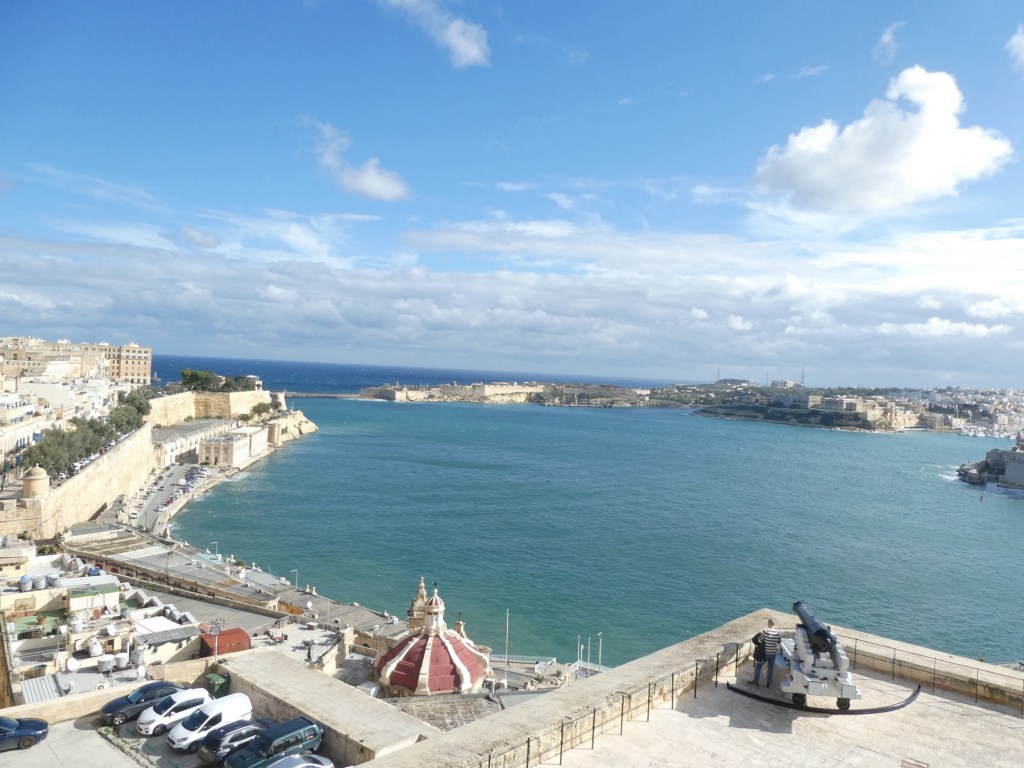
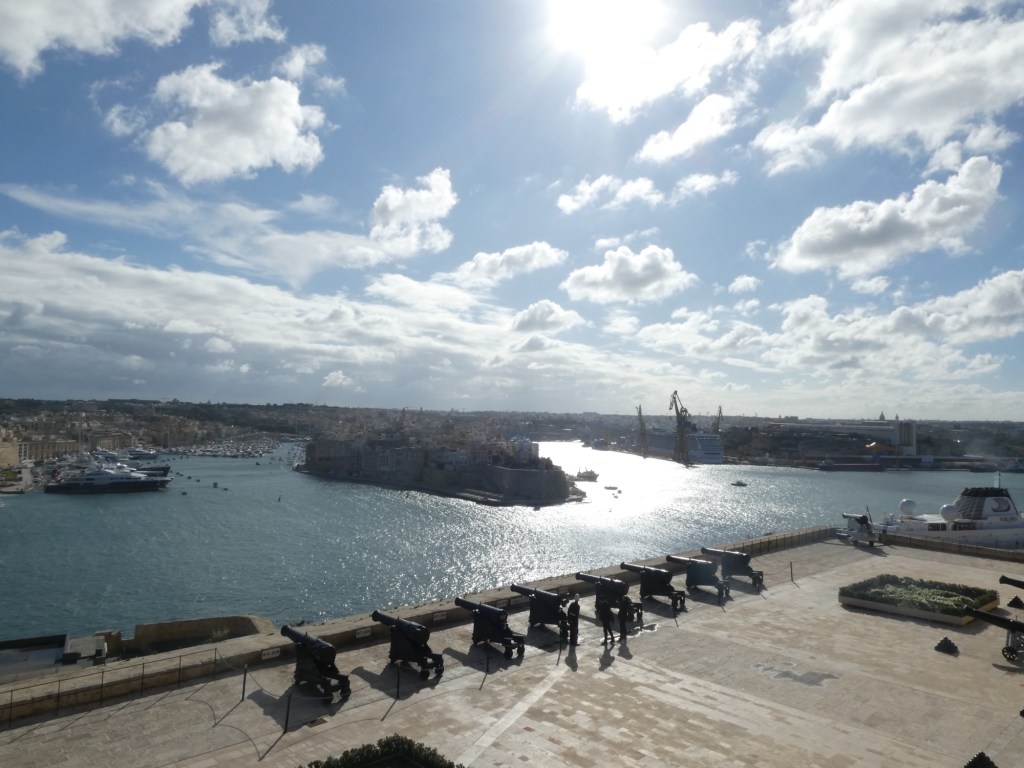
Valletta, the port for Malta, is one of the first planned cities in Europe and most of the construction is of the honey-colored limestone found here. The buildings look baroque and there is virtually a church on every corner. The churches are very plain on the outside but their interiors are amazing. The city is a UNESCO World Heritage Site. The harbor is huge and designated as the Grand Harbor. It is surrounded by many forts.

We had to go through actual passport checks because there was an international meeting being held in the city. The group, Organization for Security and Cooperation in Europe, and Secretary of State Antony Blinken was one of the speakers. Other than having to show our passport when leaving the ship we were not held back in any way.

Valletta is a walled city and sits on a high bluff. We were bussed to the starting point of our walking tour. The city was fully decorated for the Christmas season and we walked through a Christmas market, but it was only open late in the day, not the morning when we were there.

Malta was used in the Second World War and according to our guide was the most heavily bombed place. Malta joined the EU in 2004 and has been an independent country since 1964. There are 365 churches. The island of Malta is about 27 kilometers long and 14 kilometers wide. Tourism is the main occupation on Malta and they also do ship building and ship refurbishment. They have no natural resources. The population of all the islands is about 550,000. About 25% of the population is foreign because they need the additional workers to support the island. 80% of the population is Catholic.

The major expansion came when the Knights of St. John settled here. They arrived in 1566 and the founder of Valletta was Jean de Parisot Valette. The original knights were actually nobles, usually the second son of the family. They started by being hospitalists. They established hospitals in Jerusalem. The original knights were monks. They basically came from 8 regions and when we went into the giant church, there were ornate chapels for each region.

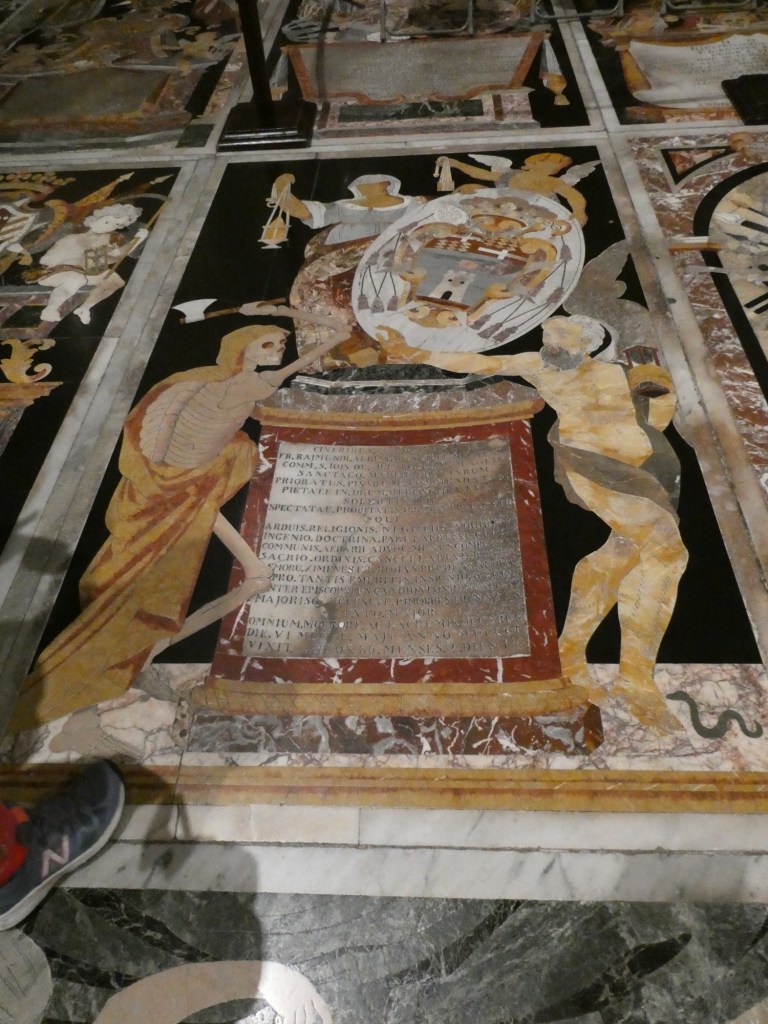
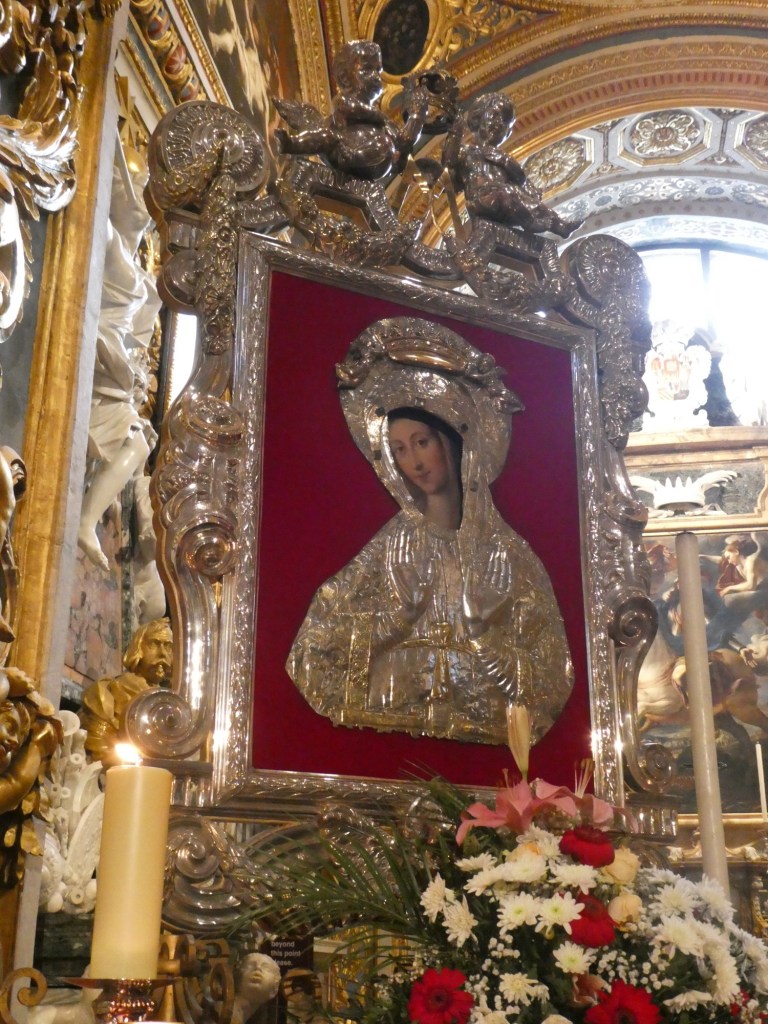
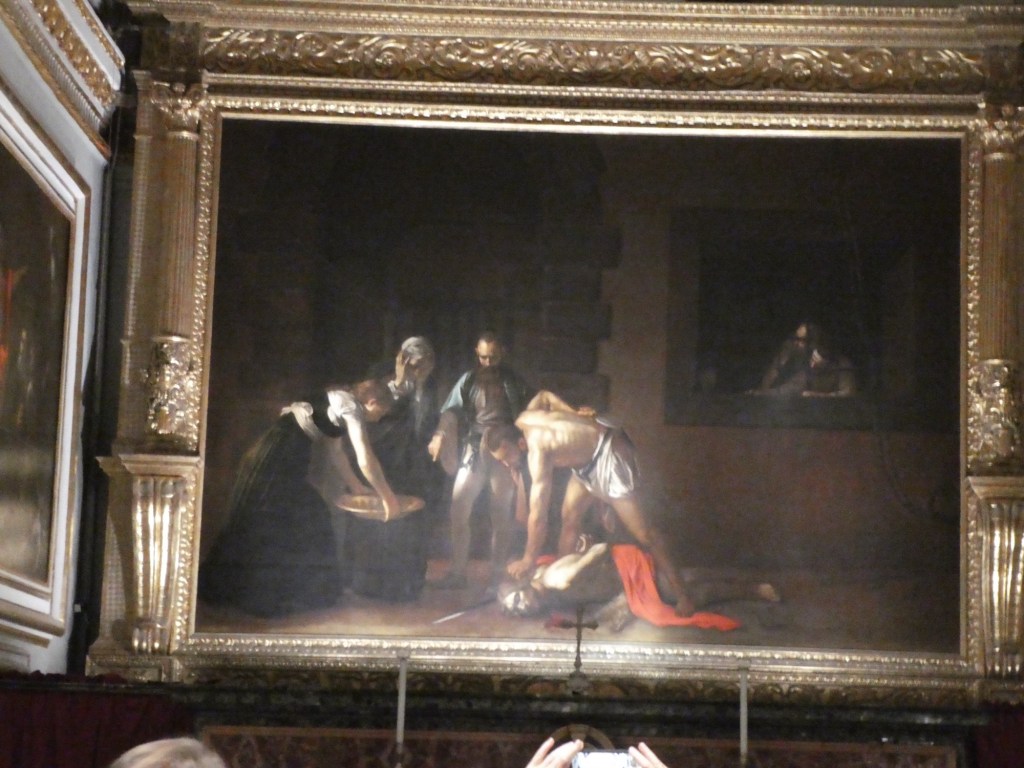
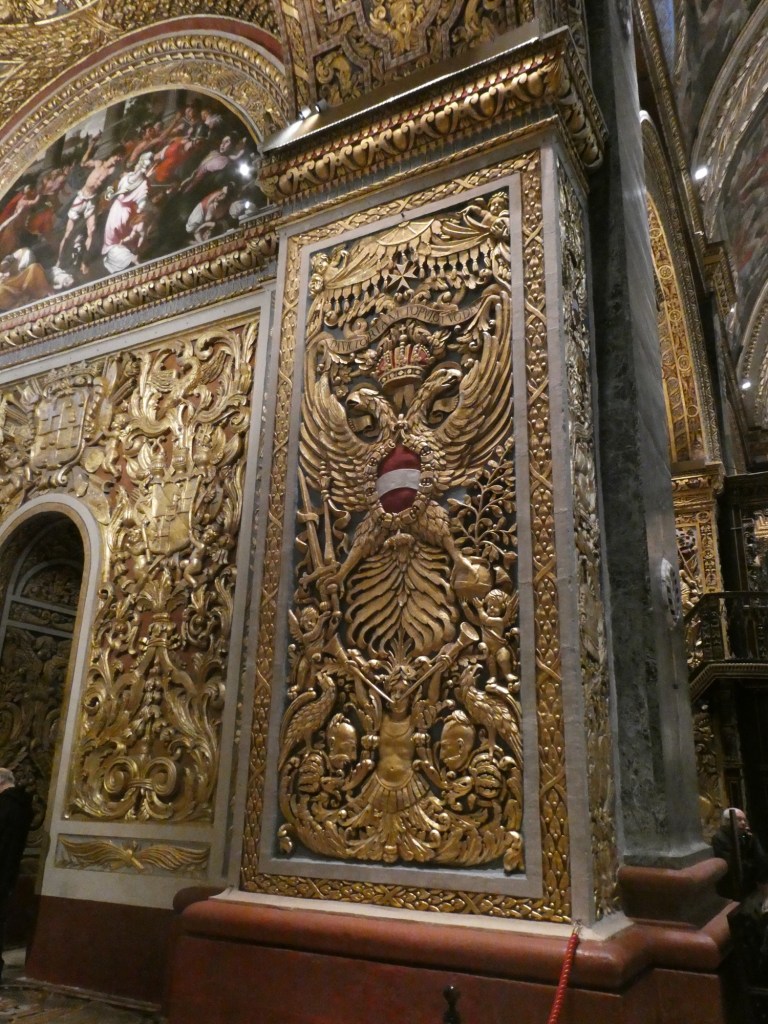
Our first stop was at the St. John Co-Cathedral. It is a co-cathedral because it is not the seat of the Bishop. The exterior of the building is plain yellow with a few towers and a clock tower. Inside it was amazing in how opulent it is, The walls are covered with marble carvings covered in gold. We saw all the chapels which were amazing. The floor was covered with the marble tombstones of the former knights. They were very ornate. It was built between 1574 – 1577. The ceilings are covered in beautiful frescoes representing the life of St. John. There are 2 paintings by Caravaggio; The Beheading of St. John the Baptist and St. Jerome Writing.

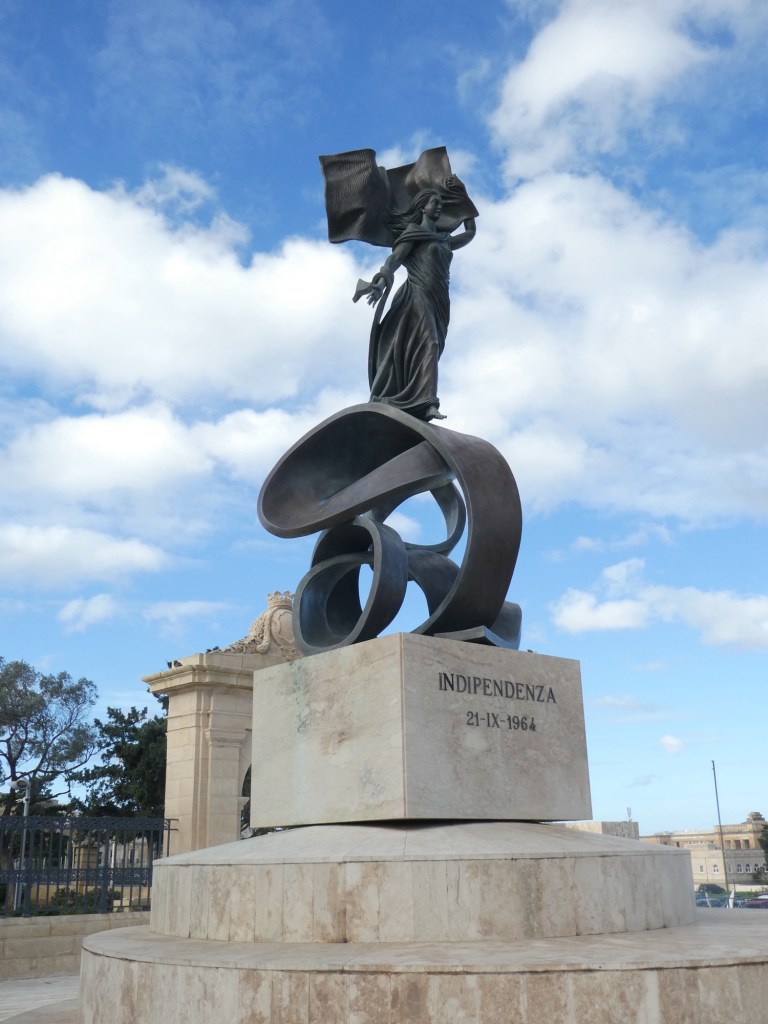
The independence statue
The opera house destroyed in the war, now is an open air theater
A marble tombstone
The two Caravaggio paintings
Co-cathedral clock/bell tower

Our second stop was at the Barrakka Gardens which gave us a panoramic view of the harbor and the many forts surrounding it.

Jean Valette

Our final stop was a talk by a current Knight of St. John. It was very interesting to learn about the current workings of this organization. They are a Roman Catholic organization AND a charitable organization. They continue to try to epitomize the traits of St. John the Baptist: selfless giving, honesty, frugal life and unsparingly critical. They began as a hospital order in 1048. Their founder, Jerome, established the first hospital. In 1113 the organization was recognized by the Pope as a Catholic organization. Around 1140, they became militarial and policed the Mediterranean to keep pirates from invading various places. They arrived in Malta in 1530 and since that time there has been free health care in Malta.

Their motto is “defense of the faith and assistance to the poor” (900 years old). Their central government is in Rome and their current budget is 200 million Euros. Our speaker told us about all the good they do all around the world. They provide disaster relief, go to war zones, run medical facilities around the world. It was very interesting to learn so much about this amazing group of people.

Please take some time to Google the Co-cathedral and the Knights of St. John to find out more. Or maybe I have told you more than you really wanted to know. 😉

Categories: Uncategorized | 2 Comments

Scenic sailing – Tyrrhenian Sea

A sea day! We slept in late and had a leisurely breakfast in the observation deck. We played trivia with some other guests and although we got a lot of answers correct we did not win.

This leisure day has allowed me to catch up with my blog.

When we first boarded the ship on December 1 there were no holiday decorations. Then on the morning of the 3rd there were lots of areas decorated.

It is almost time for a lecture and then a little later a port talk.

We arrive this evening in Valletta, Malta.

More as our adventure continues.

Categories: Uncategorized | 1 Comment

Civitavecchia, Italy – December 4

When your port is Civitavecchia you go to Rome. Well if you are the Batsons you go to Tarquinia. Since we had been to Rome several times in the past AND since it was 2 hours on a bus in each direction we chose to do a tour closer to the port.

Some general history, Rome is said to be the birthplace of western civilization. It is built on 7 hills. Mythology says that it came to being from the birth of twins, Romulus and Remus. Trivia fact, Remus is the older of the two. This all took place along the banks of the Tiber River. The Roman culture focused on the arts and community.

Civitavecchia is an old military port for Rome, approximately 2,000 years old. The city was bombed in WW II because of its importance as a port for Italy. It is one of the most important ports on the Mediterranean for tourism. There were only 3 cruise ships in, but this is also not the real tourist season for the Mediterranean.

Tarquinia was also a large port for Rome in the day. Today it is inland but that is because all the marshlands have been drained. The local economy is based on farming, fishing and a small amount of tourism.

Our tour was of the Etruscan Necropolises of Tarquinia. About 2,600 years ago the Etruscans were the rulers of Italy. They had a very sophisticated lifestyle and had a sophisticated culture. Although the Etruscans used the Greek alphabet, any writings left cannot be read.

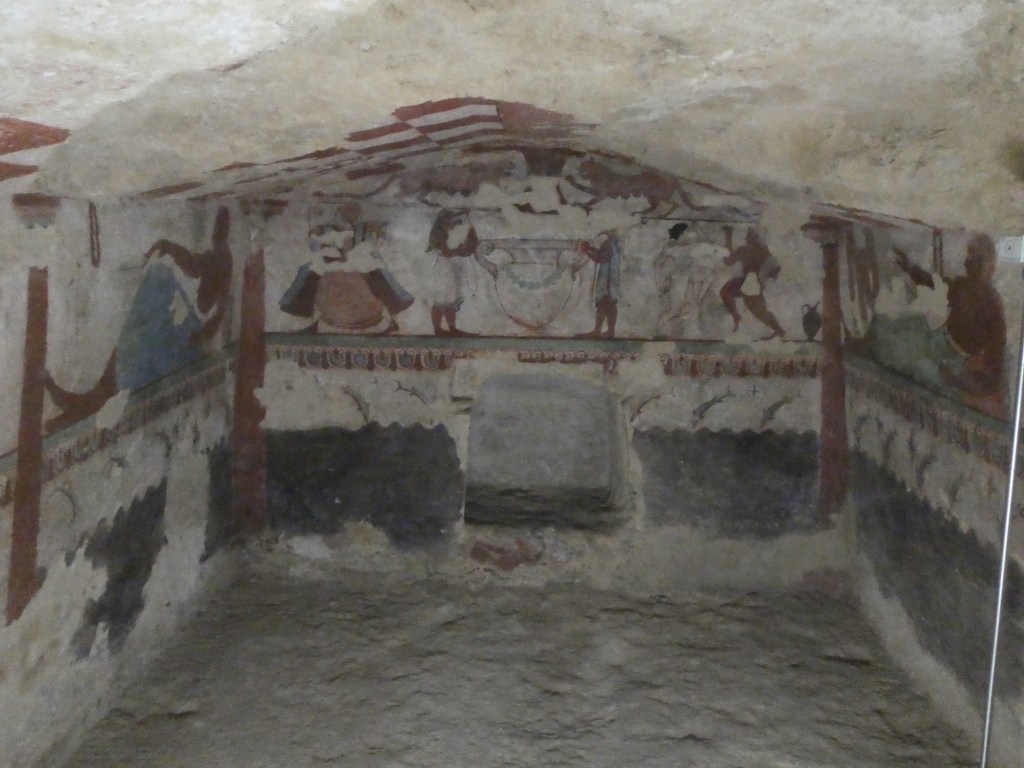
Our first stop was at the Necropolis. The Etruscans buried their dead in limestone houses buried deep in the ground. They believed in a second life so were buried with items they would need. Some were buried as a corpse, but many were cremated. I think it was the peasants who were cremated and put into small boxes and then into mushroom looking structures.

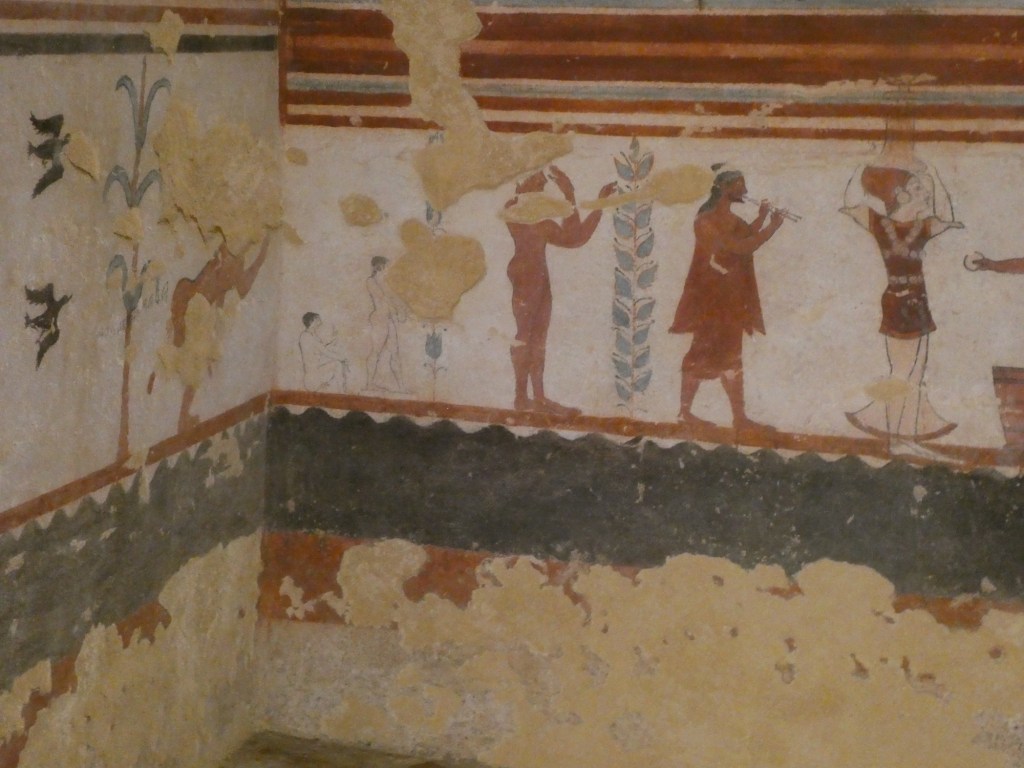
There have been 6,000 of these tomb houses discovered and about 14 are open for tourists to see. The ones of the very rich were ornately painted and these are the ones we saw on our visit. We had to walk down about 16 steps to an observation area. The actual tombs were behind glass and there was a button to push to illuminate the actual tomb. We were able to see 3 different ones.

The figure in the bottom left, they think is the artist who should not have been in the mural

They believe the artists who did the paintings came from Rome. These paintings are actually frescoes.
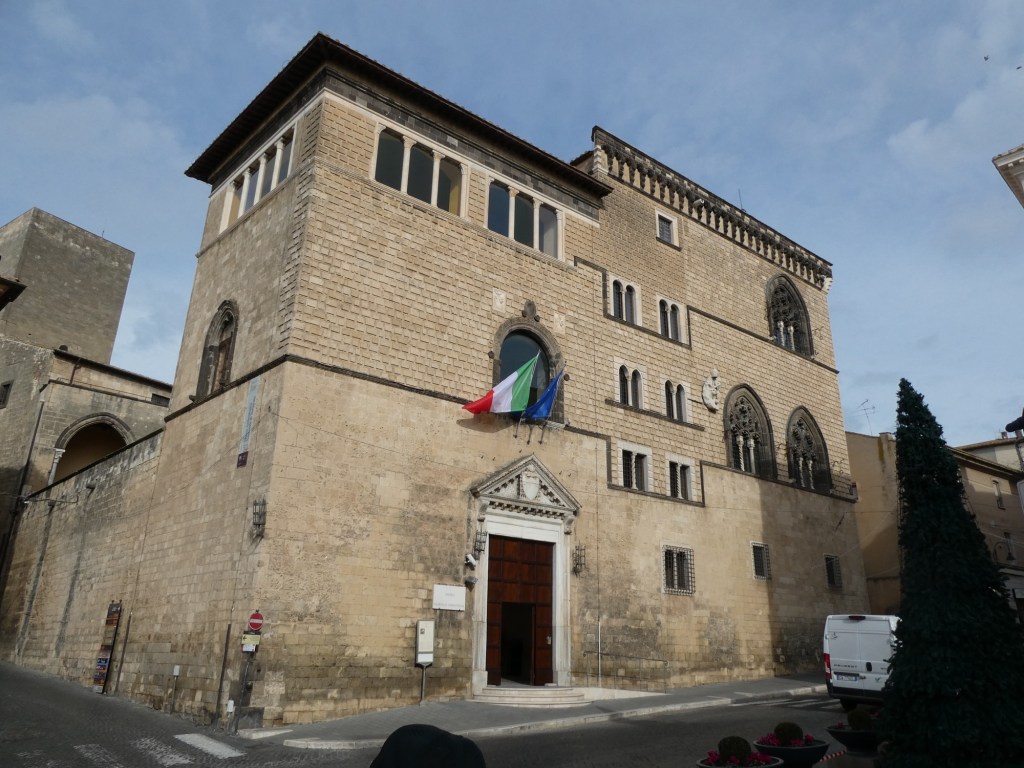
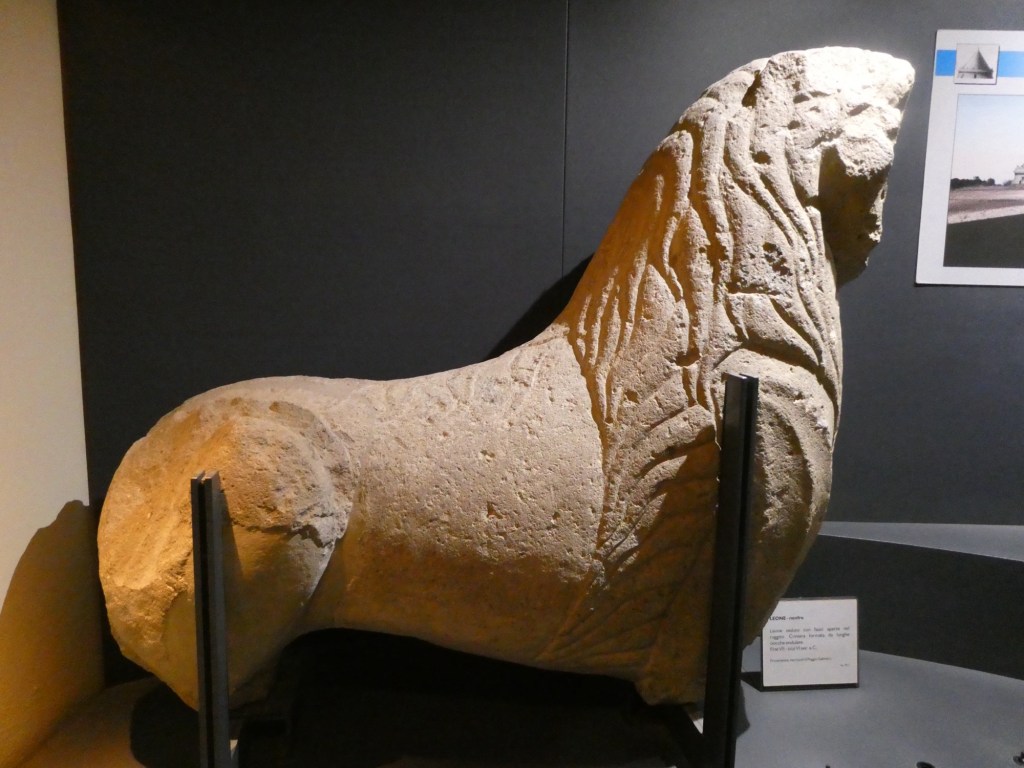
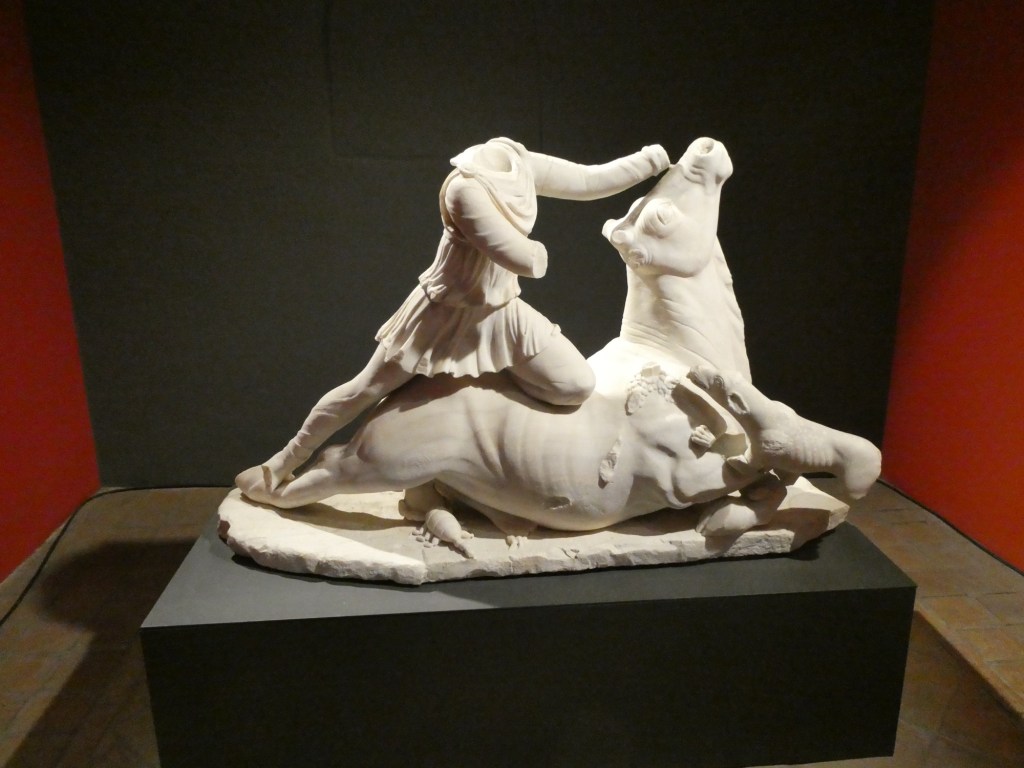
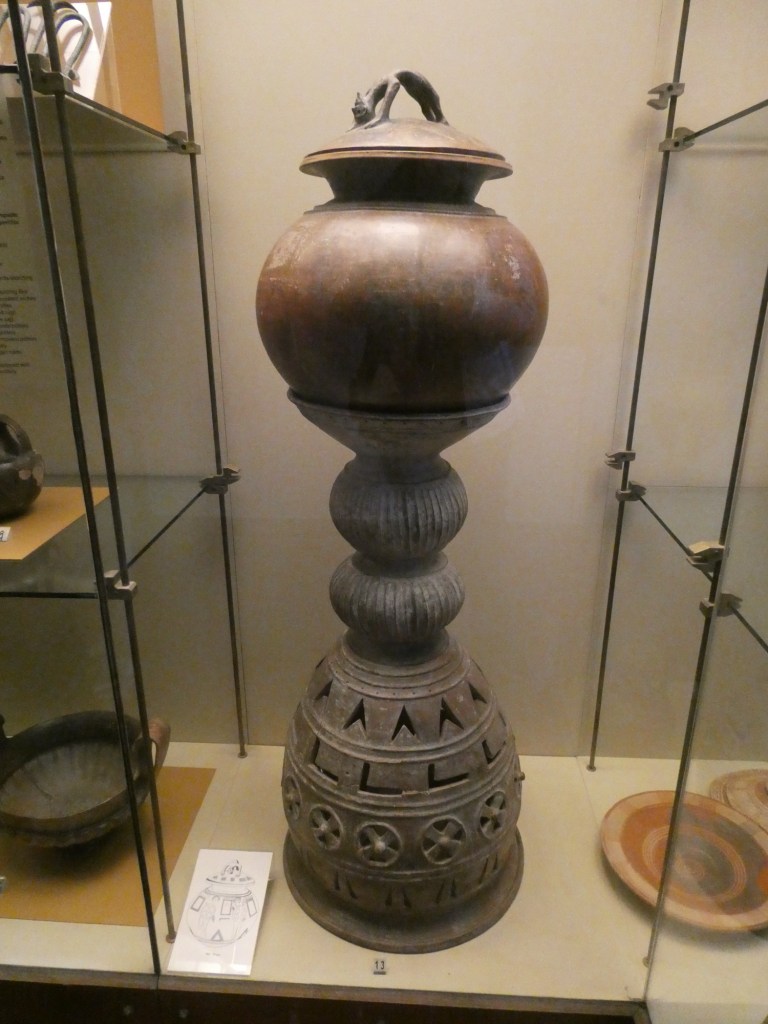
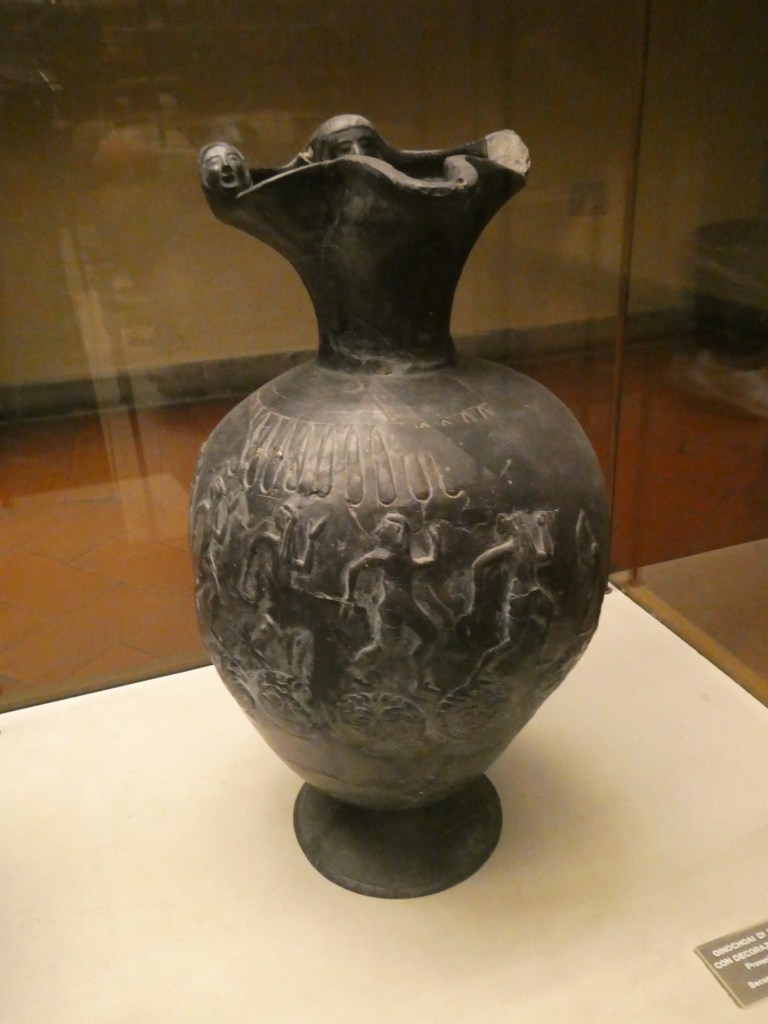
Our second stop was in the museum dedicated to the Etruscans. Most of the artifacts were thought to be around 2,700 years old. There were sarcophagus, statues, pottery and jewelry. The art was amazing to see. Our guide had been an archaeologist at one time and he was able to give us very good and detailed information on what we were seeing. The museum was in the palace of the bishop built in the 14th century.
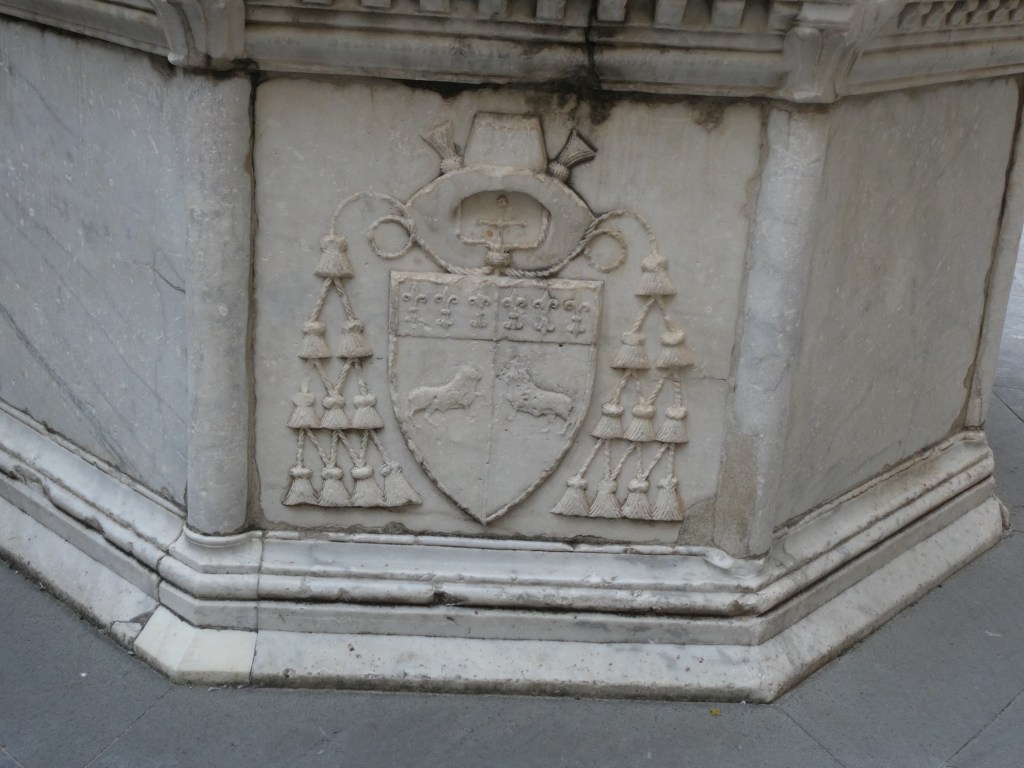
The bishops seal on the well
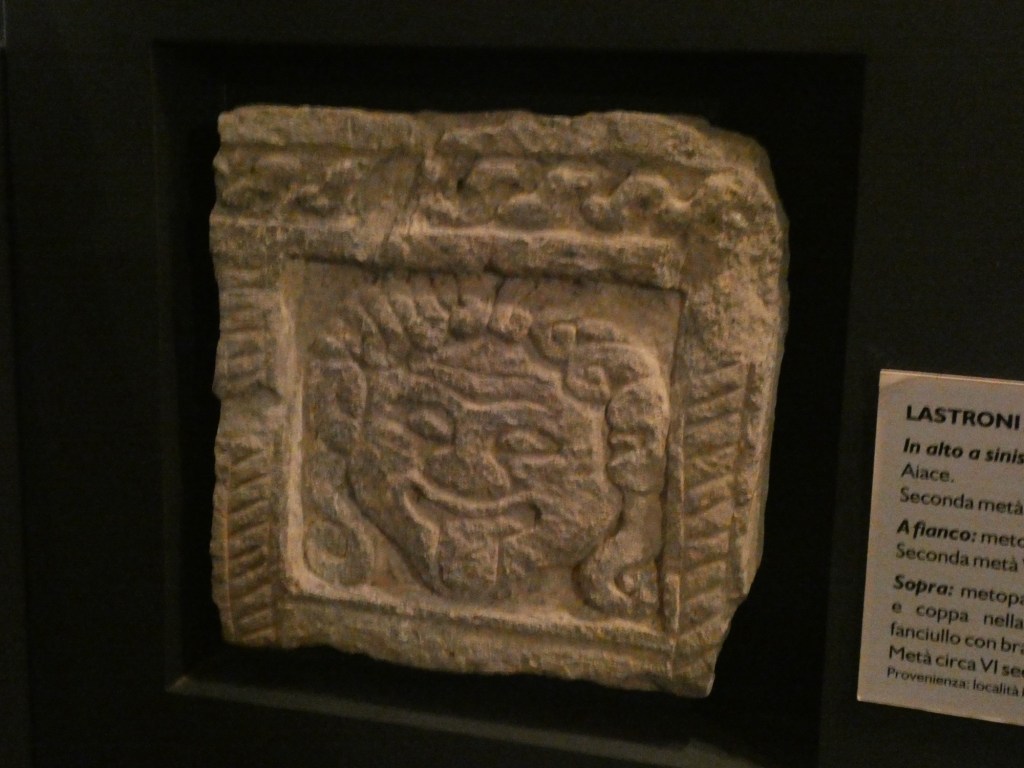
Medusa
These horses are from 300 BC and are ceramic. They are slightly smaller than life size. The front one is yellow and the back one is red. They were originally very colorful.
What the burial mushroom looked like
Stove
Easter egg
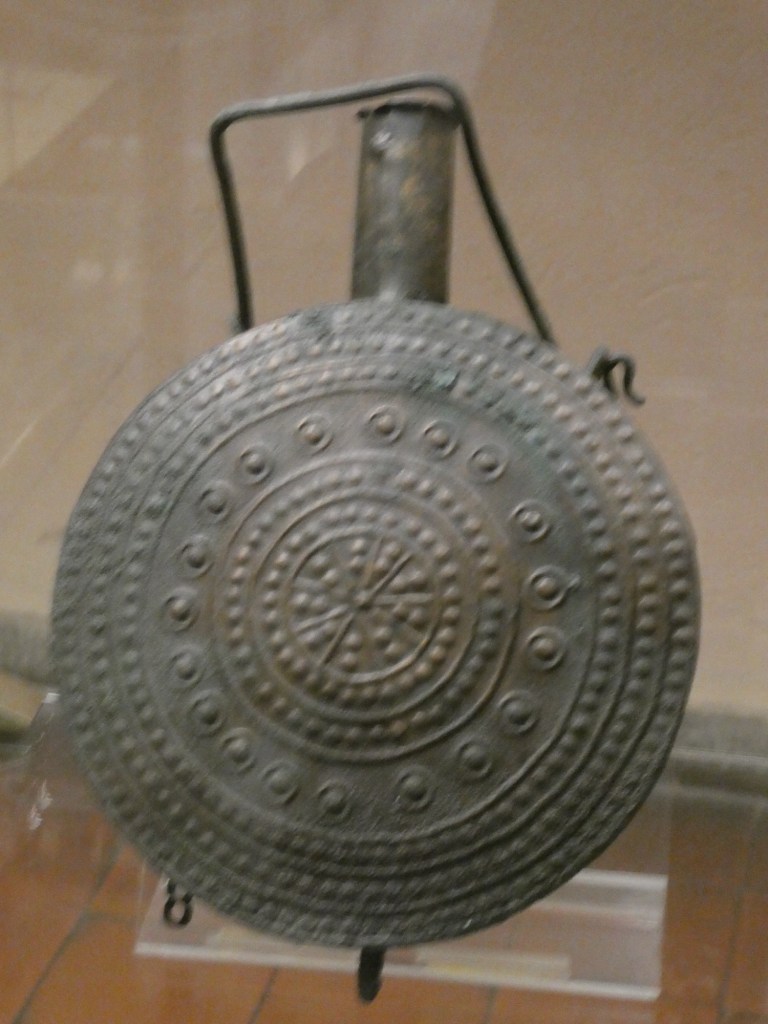
Mirror – other side would have been polished

It was a very interesting day and we learned so much.

Categories: Uncategorized | Leave a comment

Ajaccio, Corsica – December 3

Corsica is the 4th largest island in the Mediterranean Sea and is part of France. The main language is French but there is also Corsican. Ajaccio is the largest city on the island with a population of 16,000. Corsica was originally part of the Republic of Genoa but was ceded to France to settle a debt in 1769.

The island is 83 million years old. The surrounding waters of the Mediterranean are very deep, more than 1400 meters. There are 432 mountains on Corsica. It was a port way back in history because it has abundant sources of water. During WW II it was bombed accidentally by the Americans. As payment for this accidental bombing, the Americans helped rid the island of its huge mosquito problem. This allowed the inhabitants of the island to move off the mountainsides and down closer to the shore. Although this is an island, they do not have much industry using the sea. They farm and have tourism as their main industries.
The island was invaded over history 14 times. Almost every civilization around the Mediterranean invaded Corsica. The island originally had no trees but each conqueror brought trees from their country of origin.
We heard about 2 famous Corsicans: Pasquale Paoli, a statesman and military leader who wrote the Corsican constitution and who was friends with Jefferson and gave him inspiration for the American constitution. The second famous Corsican was Napoleon Bonaparte. Napoleon was born on Corsica on August 15, 1769. He left the island at age 9 and went to live in Paris. During our touring we saw his birth home, the family chapels, the cave he went to, to write and many statues.

We learned about the many things that Napoleon did; he moved doctors from universities to buildings used for sick people creating hospitals, made education mandatory, created garbage services and originated the numbering of houses. These were a few noted by our guide. The statues and pictures of him were done in such a way to make him look bigger than he was.

There was a lot of cleaning up and painting going on during our visit because the Pope was going to be there on December 15 to have mass for 35000 people. The Pope was invited to have mass at the opening of Notre Dame in Paris, but chose not to go there, going to Corsica instead. The people were pretty excited about this.

Ajaccio harbor in the morning
Fortunately these rain clouds did not get us
Watch towers used in ancient times to warn of fire
Baptismal font of Napoleon
Cathedral Notre-Dame-de-l’Assomption
Napoleon dressed like a Pope – one of several statues we saw in Ajaccio
Our home away from home

Categories: Uncategorized | 1 Comment

Marseille, France – December 2

Marseille, France is the country’s oldest city. It was founded by the Greeks around 600 BC. It has always been a port city. We were docked in the new port, where the passenger ships and ferries go. The old historic port was a short distance away. The commercial port, which is where most of the goods coming into France land is farther down the coast from Marseille proper and covers almost 55 miles of coastline.

The entry to the harbor area has several small islands. One had a jail on it and was the setting for the story of the Count of Monte Cristo. The old port has 2 forts protecting it. Marseille is the entry way for the French region called Provence. It is said that the French national anthem was originated here. The population of Marseille is around 860,000 with an area about 3 times the size of Paris. The area away from the harbor is hilly.

Our tour was to the town of Avignon and the Palace of the Popes. When we got on our bus, our guide told us that the taxis were striking and blocking the highways. She indicated that she and our bus driver had mapped out a route to avoid these blockages and get us to our destination promptly. Unfortunately this did not happen and we spent over 3 hours for our 1.5 hour ride. About the taxi strike. Apparently here in France doctors can have patients transported to emergency rooms or hospitals by taxi, if an ambulance is not available. The strike was because the taxis were having to wait a long time for the government to pay them and they wanted the client to pay and then the client would be repaid by the government.

On our ride, we passed many lagoons that were fresh water but eventually connected to the sea. Many had bright pink flamingos, which are the same species we get in Florida. The Rhône river is in this area and we saw it as we traveled.

In 1208, the Pope Innocent III had a crusade to eliminate the Cathars and make the area more Catholic and was also approved by the King of France Louis VIII. The crusade lasted until 1226 and at that time all the land of the ejected Cathars was divided up. None was given to the Pope although he had helped in the crusade.

There was a period of over 200 years when the Pope was not in Rome, as he is now. In 1348, the Pope purchased the land in Avignon with the intention to build a permanent residence. During the 200 years there were 7 Popes all who built on to the structure. Some were Pope for only a short while and some for lengthy times. Why were the Popes in France, well, apparently one Pope was traveling and died in France. When a Pope dies there is a conclave to elect a new one, AND it is held wherever the prior Pope had died. So, one Pope died in France the next one was elected there and chose to stay and so there was a succession of Popes in France. One of the last Popes decided to visit Rome, died there and the Italians elected a new Pope from Italy and made it impossible for the Pope to live anywhere else, which is why the Pope is now found in Rome.

We toured the Palace of the Popes, which was built over almost 200 years. It is mostly huge rooms that we saw. There were many preserved frescos and ceilings. There were no furnishings.

Our neighbor
The original sketch for the fresco you see above
The painted rooms were amazing
Original floor tiles
Another painted wall from the Pope’s bedroom
Another painted wall
In the main square in Avignon

The trip back was much better. No blocked roads and the correct amount of time.

Categories: Uncategorized | 1 Comment

Barcelona – November 30 and December 1

All of our flights were on time and we made it to Barcelona around 1:30 in the afternoon. There was a pretty long line at immigration but it went quickly. Our luggage arrived on the conveyor belt almost as soon as we got past immigration and our driver was there about 10 minutes after we picked up our bags.

Our room was ready when we got to the hotel. After washing up, we went out walking. We had no real plans for this visit since we had been to Barcelona several times. We just needed to move our bodies after two long flights. We opted for an early and light dinner at a tapas bar.

We really felt our ages this time and were ready for an early night. I think we both had our reading lights out by 8:30.

The next morning after breakfast we walked in the Gothic quarter to see an old synagogue.

We also were near the Gothic Cathedral.

And there was a small Christmas market that we wandered through.

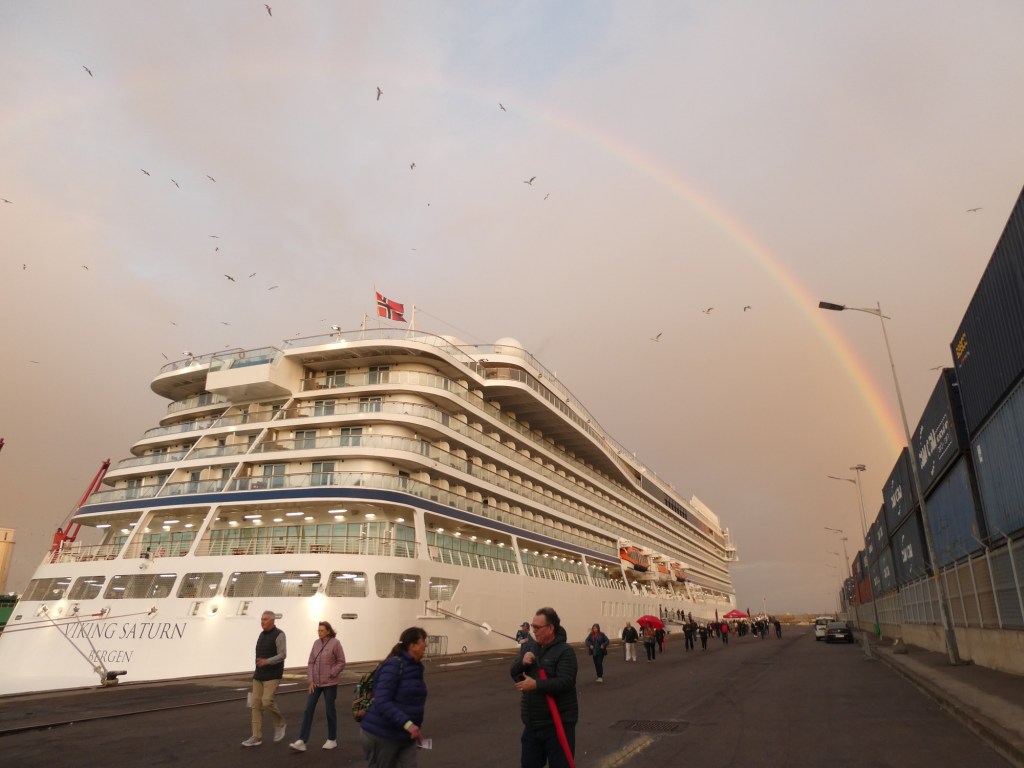
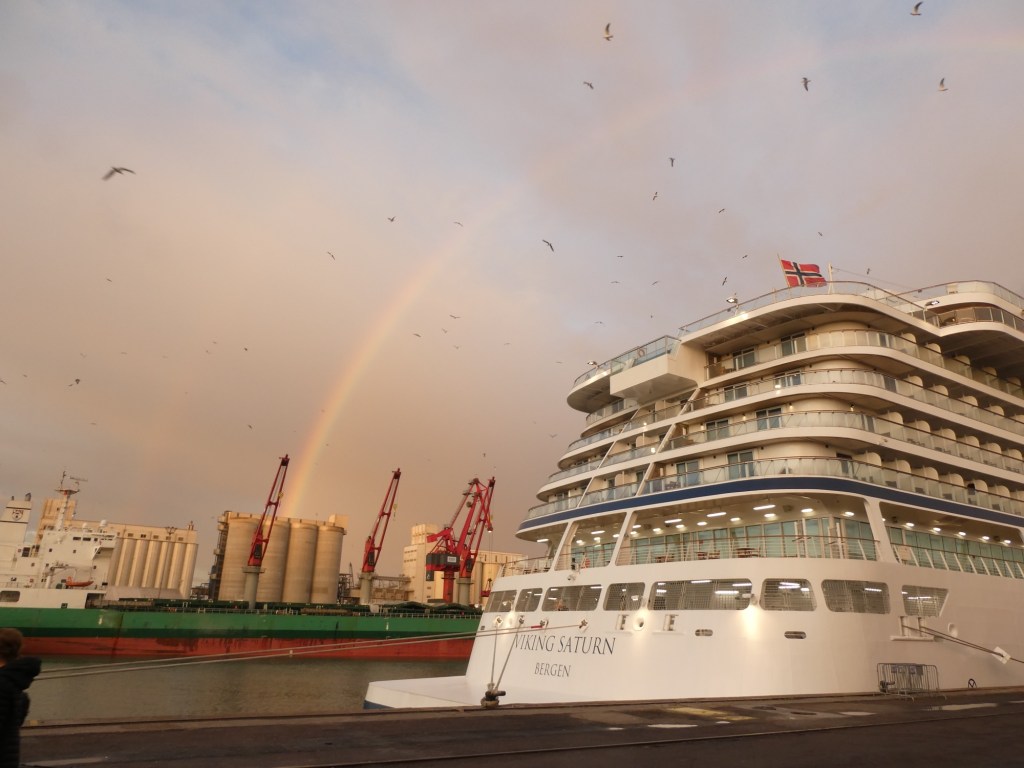
Then it was off to our cruise ship, Viking Saturn.  And now we are truly on our way.

Sailing out of Barcelona
Categories: Uncategorized | Leave a comment

Away we go again!

Currently sitting in the British Airways lounge waiting for our flight to Barcelona through London Heathrow.

We spent Thanksgiving at Jennifer’s and now are on our way to a Viking cruise. We enjoyed our days with Jennifer, Sunny and Abby. We had dinner one night with Mike, Dylan and Jerry since they were visiting Dylan’s family for Thanksgiving. We got to see Jacob on his very short holiday break and had the bonus of being there when Abby got her early decision acceptance to Villanova. A very good to visit to say the least.

More as we continue on this adventure.

Not very good at selfies 😞
Categories: Uncategorized | 4 Comments

Rouen, France – day 2

Today Bette got to go to Monet’s house and gardens in Giverny. The guide gave another history of the area, and then talked about painting. There were very strict rules that painters in France had to follow. However in the mid 19th century the landscape in paintings became the focus and not just the background. Around 1850, many artists broke with the current academy and in Fontainebleau started the Barbizon school of painting. Until this time artists only painted in studios, but now they began to paint outside, to take advantage of the change in light. To paint this way you had to paint quickly to catch the light in a precise moment, and therefore the brushstrokes were not fine as they were in earlier times. This gave an “impression” of the scene and so Impressionism was born.

Monet’s painting presented in 1872, Impression of the Rising Sun, was not well received, but was the first of this type of painting to be displayed in Paris.

Monet was born in Paris in 1840, spent his childhood on Le Havre at the mouth of the Seine and lived for some time in London. In 1890 he bought the house in Giverny and lived there with his 2nd wife and their combined family of 8 children. He slowly added to the property and now it encompasses about 15 acres. The house is in great condition.

The garden were in full bloom and quite lovely.

The water lily pond and bridge in the Japanese garden

In the afternoon Bob and I did an excursion to Chateau Gaillard and the village of Lyons la Foret. On the bus ride we again heard about the Vikings and the settlement of that area.

The Chateau is supposedly built by Richard the Lionhearted and he may have been the architect. It was built over a period of just 15 months. It stands on a cliff high above the Seine River. We got to see it from an overlook and then we walked to the ruins. You could not enter the chateau.

We next went to the small town. We saw their covered market area which was from the 1500s, the house where Ravel lived when he wrote Bolero. This week that we were in France, the country was celebrating VE Day, May 8 and there was a war memorial decorated with flowers.

Another good example of a timbered house
Where Ravel lived
Categories: Uncategorized | 2 Comments

Blog at WordPress.com.