Uncategorized

Table (Top) Mountain, Lions Head, Flowers and Wine

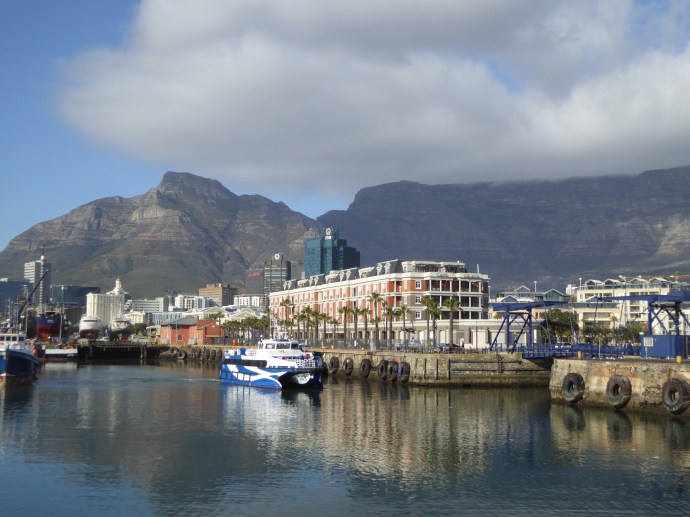
The first day we were in Cape Town, the famous mountain, Table Mountain was covered by clouds (“the tablecloth”). This day, July 15, we woke to bright sun, clear skies and no tablecloth. We were hustled off to Table Mountain and up we rode in the gondola to the top. The views were amazing. Our local guide was Gillian and she told us about what we were seeing, how the land was formed millions of years ago and some of the history of the area.

Before we actually left for our touring we had a guest lecturer, Ibrahim. He had lived through the apartheid years, watched his home be razed in District Six and now was a lecturer for tour groups and others. The story of apartheid is very sad, with some repercussions still visible. District Six was a melting pot before everyone was moved out to make it a white only area. It took 13 years to finally get everyone out at a cost of 15 billion Rand, but all the religious building are standing to this day.

After spending time at Table Mountain, Sunny, Jen, Jacob, Abby and Bob left to do a hike on Lions Head. It was a great hike, so they say, but very difficult using chains and ladders at some points to make the assent. It is higher then Table Mountain, which you use a gondola to get to the top.

Mike and Bette continued with the tour group, seeing some additional areas of Cape Town, before getting to the Kirstenbosch Gardens, located on the side of Table Mountain. We did a short walk through the gardens, seeing the national flower of South Africa, the King Protea. We had lunch in a restaurant, Mayo, in the gardens, having some traditional foods that included a spinach and potato dish and a pumpkin and peanut butter dish. There were 3 different tandoori type meat dishes. All of them were very good.

The gardens were endowed by Cecil Rhodes who made his wealth from diamonds. He was also the founder of the Rhodes scholars and named a country after himself, Rhodesia – now Zambia and Zimbabwe.

Bette went on to the Zeitz Museum – ultra modern art. The building was amazing – the art weird.

After a short rest back at the hotel we had a wine dinner at Constantina. Food was excellent, wine not so much to me.

We finally ended our day – tired but having seen and done so much.

Atop Table Mountain

At the gardens

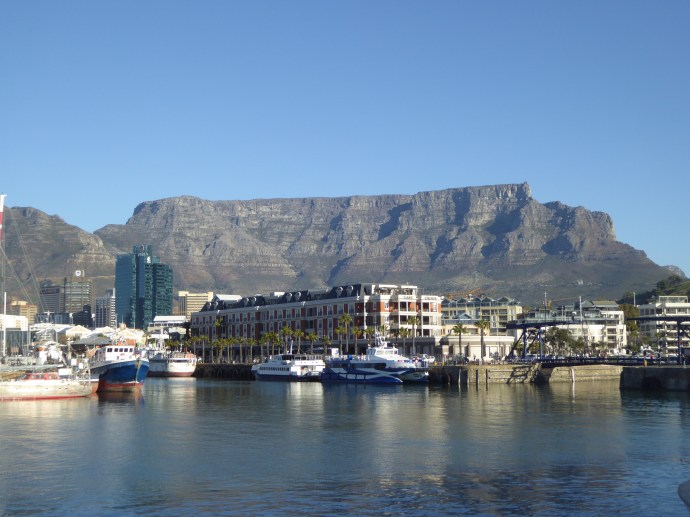
Table Mountain and Cape Grace Hotel on a beautiful clear day
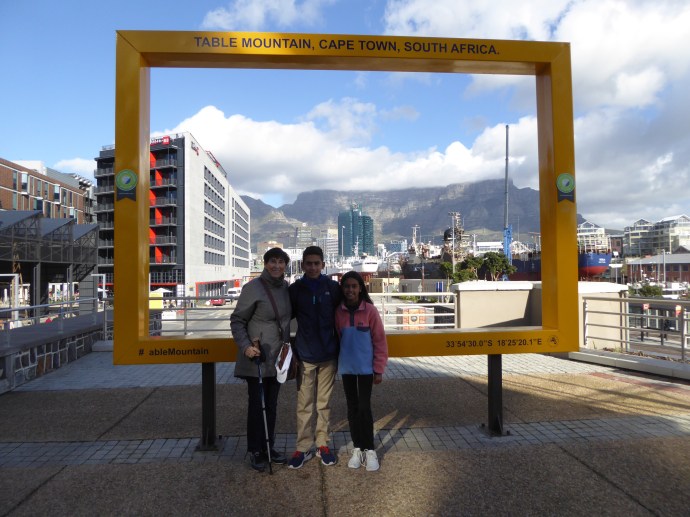
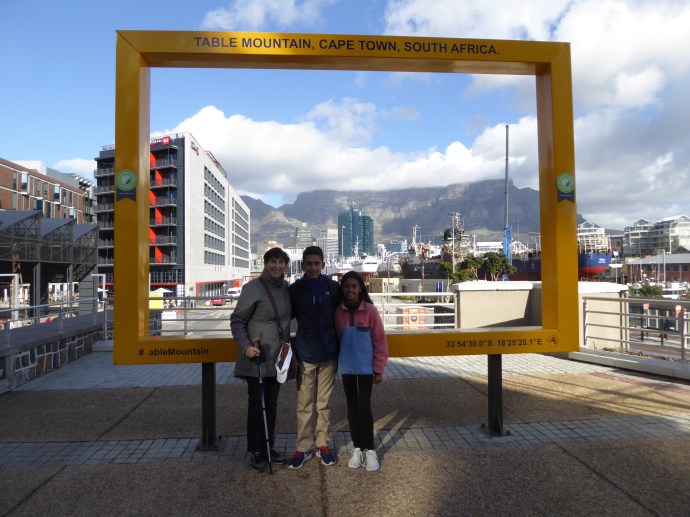
One of the many spots in Cape Town with a frame to pose in with Table Mountain in the background

(Wi-Fi keeping me from including photos – not great in the wild!)
Categories: Uncategorized | Leave a comment

Cape Town – Day 1

After a good nights sleep we were ready to start out touring.

We had pre booked tickets for Robben Island where the political prisoners from the apartheid era had been held prisoner.

Robben Island has served as a prison for over 500 years. It also was a leper colony for many years. The political prisoners were held in a maximum security prison and the criminals were in a medium security prison on the island. The island is about 10 kilometers from Cape Town in Table Bay. We were transported by a ferry. Although the seas looked calm, it felt like we were on a roller coaster.

The political prisoners were only allowed 30 minute visits, twice a year with their families, and children had to be at least 18 to visit.

The political prisoners had to do hard labor, either working in the limestone quarry or harvesting kelp in the cold water of Table Bay.

In all the years there were only 4 escapes.

The most famous prisoner held there was Nelson Mandela. Our tour was led by a form inmate.

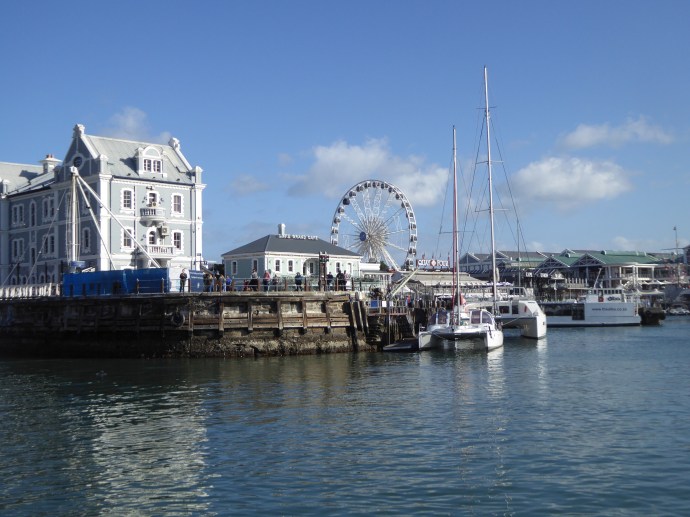
After our tour we walked around the Victoria and Alfred Waterfront.

We then met our tour group for drinks and dinner. Great start to our African adventure.

Cape Grace hotel with Table Mountain in the background

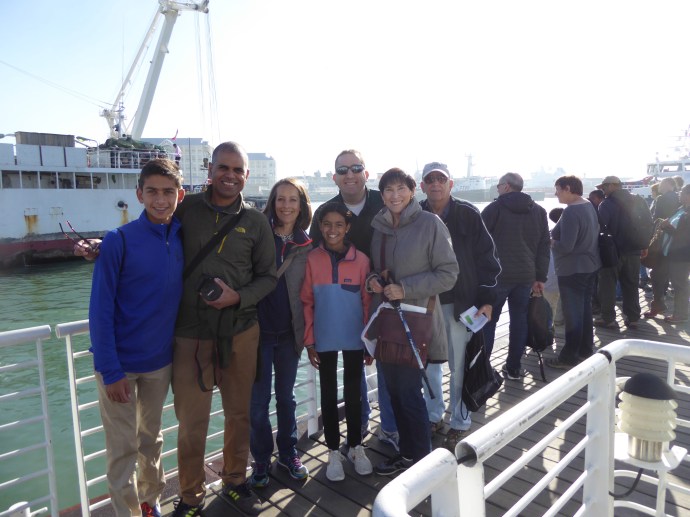
Waiting for the boat to Robben Island

The long road to freedom

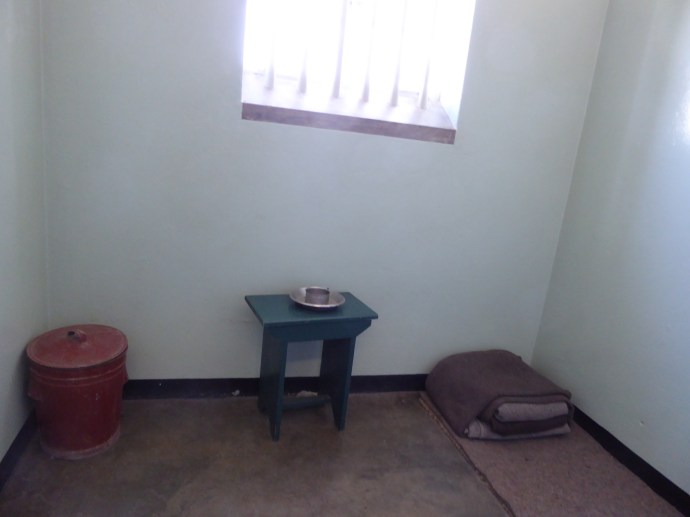
Mandela’s cell

Categories: Uncategorized | 2 Comments

Flying away

We left Boston at 5 PM on July 12. Our first flight took us to Amsterdam. We had a long layover, and then we got onto our flight to Cape Town South Africa.

The big surprise of the day was that we had upgraded to Business class for the trip. Abby and Jacob did not know this until we got on the first flight. Can’t begin to tell you the looks on their faces when they got to their seats.

The first flight was around 7 hours and the second was around 11 1/2. We arrived in Cape Town at 9:30 PM on July 13!

Welcome to Cape Town

Our driver was waiting for us and we quickly were through customs and on to the beautiful Cape Grace hotel.

We were all glad to not be flying any more.

(Wi-Fi not strong enough to add photos 😞)
Categories: Uncategorized | Leave a comment

T minus 1

Tomorrow we leave for our family African adventure. We are all packed (finally). Most of the suitcases weigh the required 44 pounds – one does not (confess it is me).

We are all very excited to be on our way. We have 2 long flights. The first is Boston to Amsterdam (7 hours). Then on to Cape Town, South Africa (11 hours +).

Here is a photo of Jacob and Abby with the group journal.

Thanks to Carleen for the great animal print book.

Hope you enjoy our adventure with us.

Categories: Uncategorized | 7 Comments

Getting ready to safari

We are about 3 weeks away from our next big trip. We will be in South Africa and Zimbabwe. We are fortunate that we will be with our children and grandchildren on this adventure. Sad that Michael’s fiancé and son will not be with us.

The photo is of our safari clothes which we have sprayed with a product that is supposed to make them mosquito and tick repellent. Will report on how well this works.

More once we are on the trip.

Categories: Uncategorized | 3 Comments

Corner Brook, Newfoundland 

On September 4 we arrived in Corner Brook.  I think we were all happy to be getting off the ship.  We had booked a tour that was the highlights of the town as well as seeing the Bay of Islands.  


We were on a tour bus, with about 35 other people.  

Corner Brook is the second largest city on the island of Newfoundland, with a population of approximately 30,000.  We were on the most westerly part of the island, with St. John’s being the most easterly city and the largest as well.  Corner Brook is at the mouth of the Humber River.  It’s main industry is pulp, paper and board lumber.  Because of automation the factory employees only 2,000 down from 10,000.  It was a planned community and was established because of the deep water port.

There are many lakes and ponds, left over from the last glacial period.  There is a large National Park about 2 hours from this city, Gros Morne.  It is the second largest in the Atlantic Canada area.   Because of the very good salmon fishing in the area there are five 5 ⭐️ hotels.

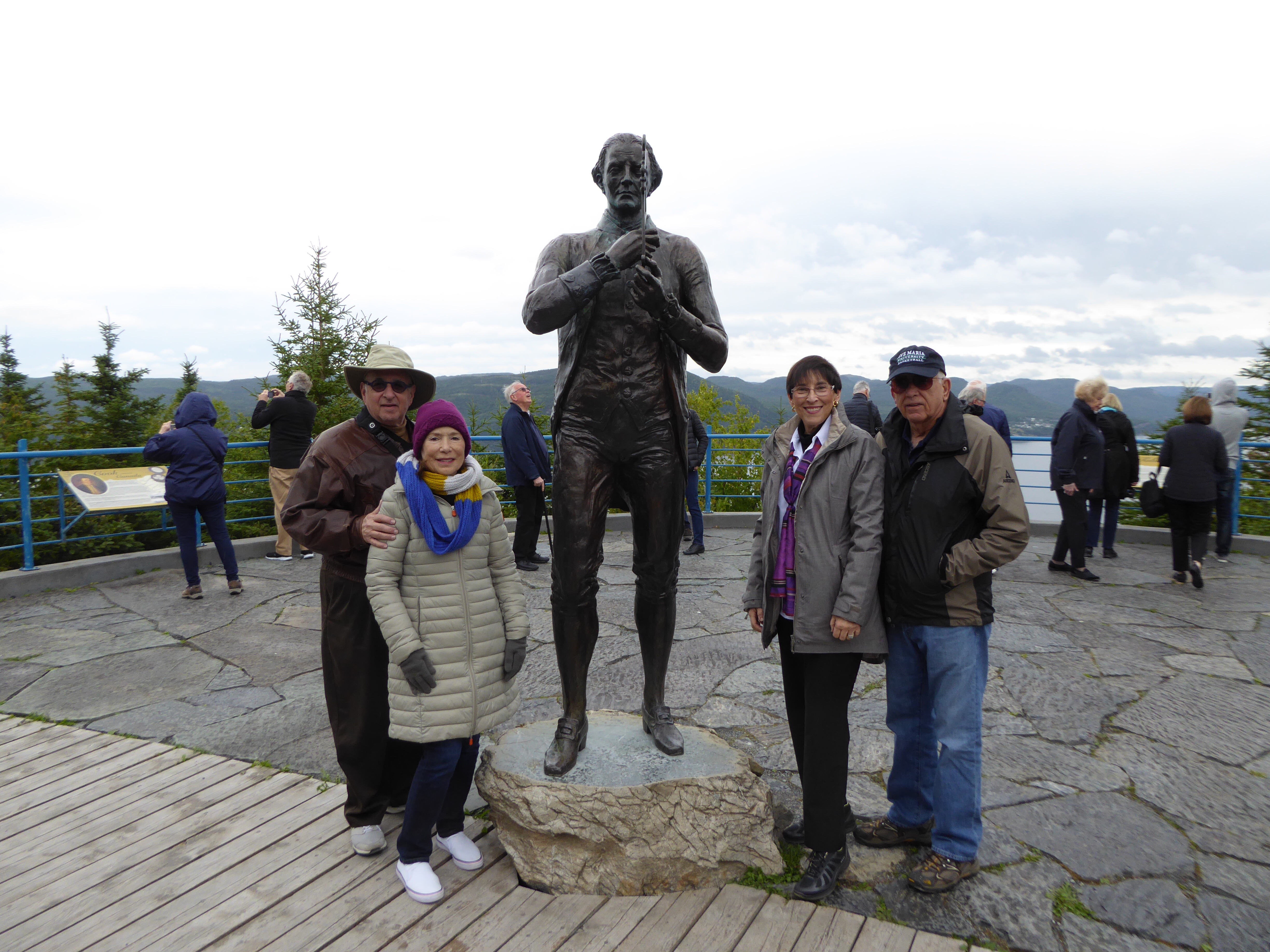
Our first stop was at the Captain Cook Monument.  He explored here and mapped the island with great accuracy.  He did 3 Pacific explorations and circumnavigated the globe twice.


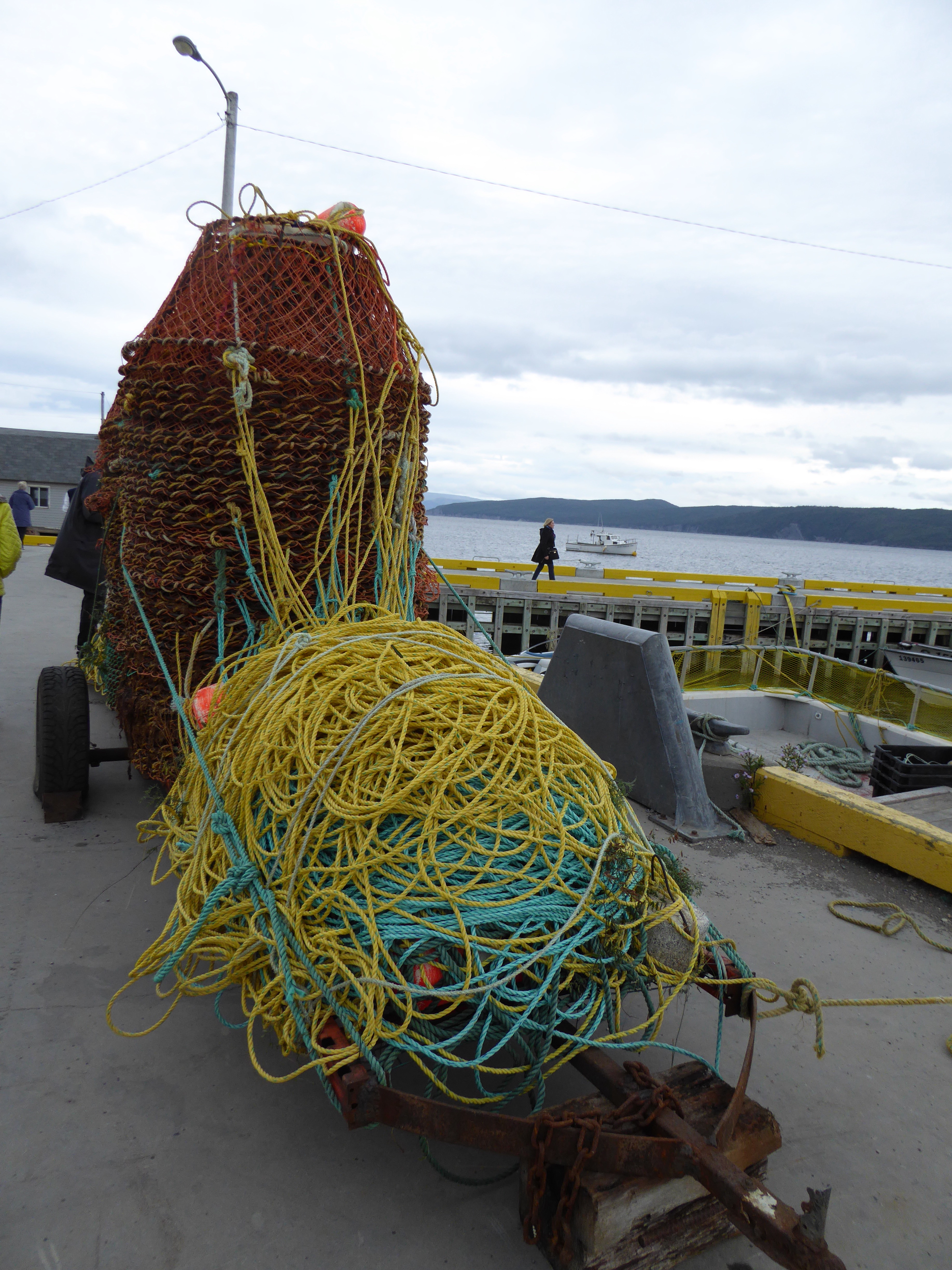
On our journey we saw Frenchman’s Cove, Blow Me Down mountain, Bottle Bay and Lark Harbor.  In the winter the bays freeze and the locals have activities out on them.


We stopped at a church for coffee and refreshments.  We tasted goodies that had cloudberries and blueberries.  We are in the height of berry season.  Unfortunately the trees have not started to change color.  We were told that this is quite a beautiful place to see the fall colors.

Unfortunately we had rain almost the entire time we toured, and rain most of the afternoon after we returned to the ship.

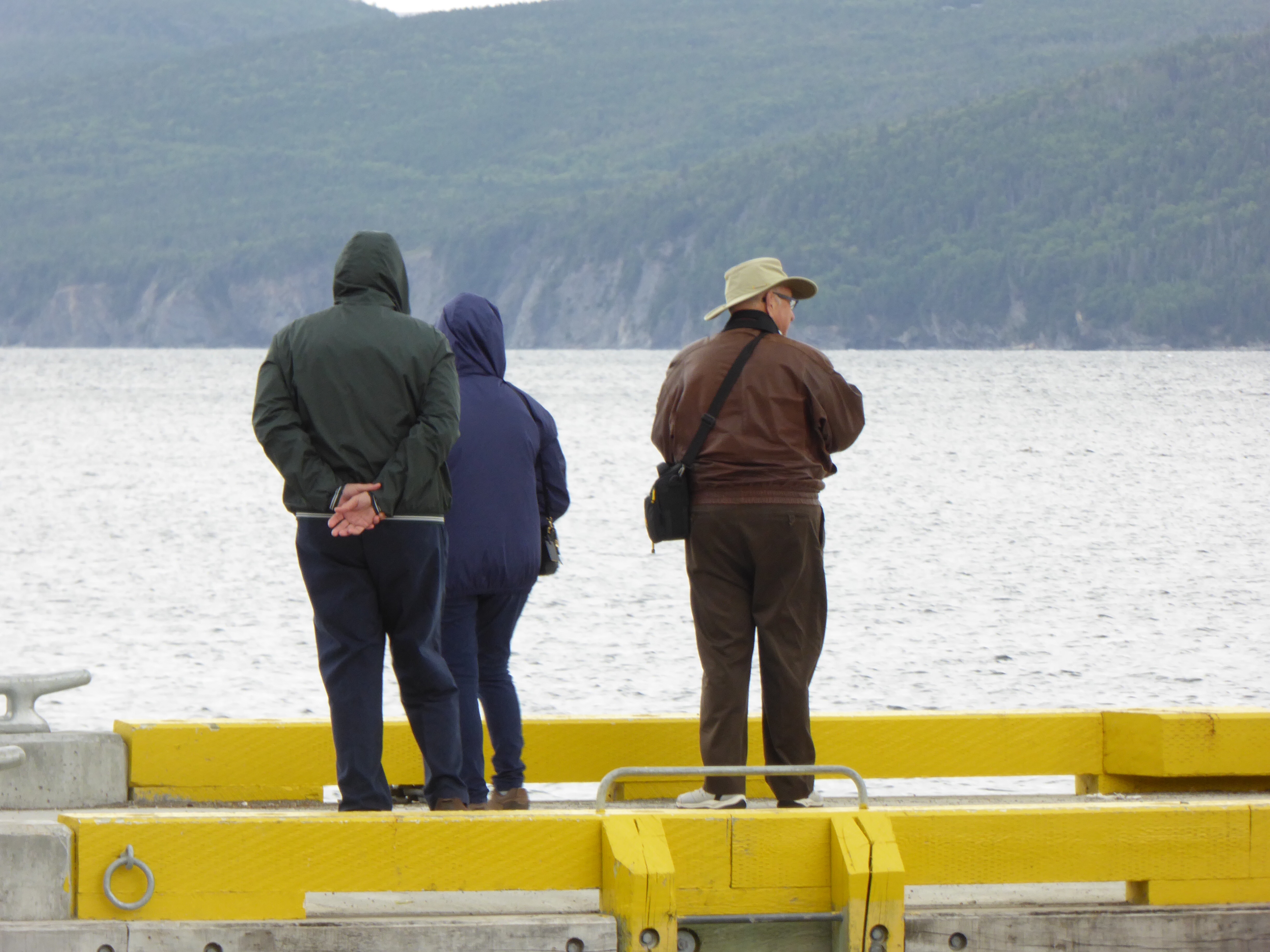
These are photos of us leaving.

Categories: Uncategorized | Leave a comment

Prince Christian Sound and Narsarsuaq, Greenland 🇬🇱 

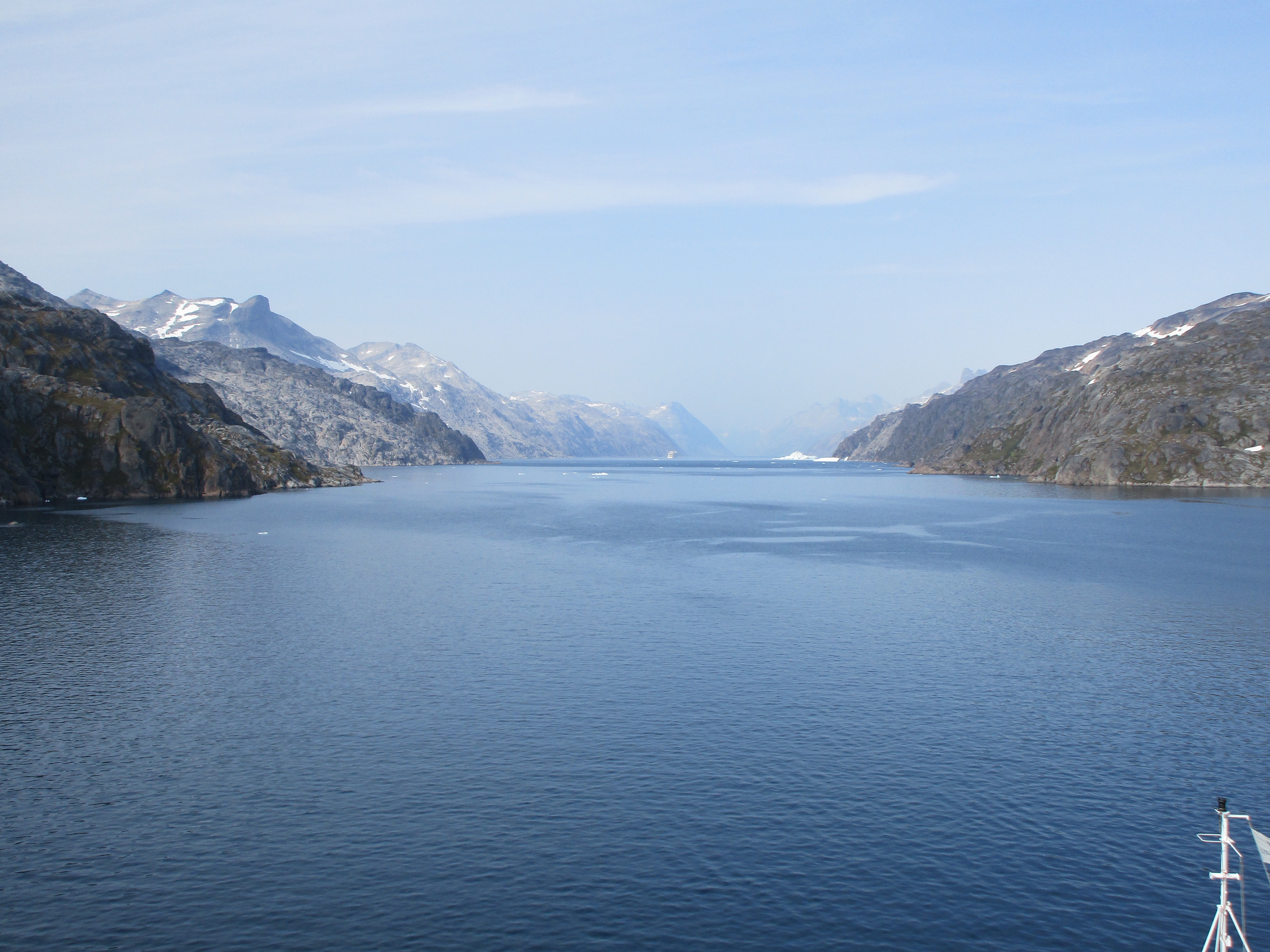
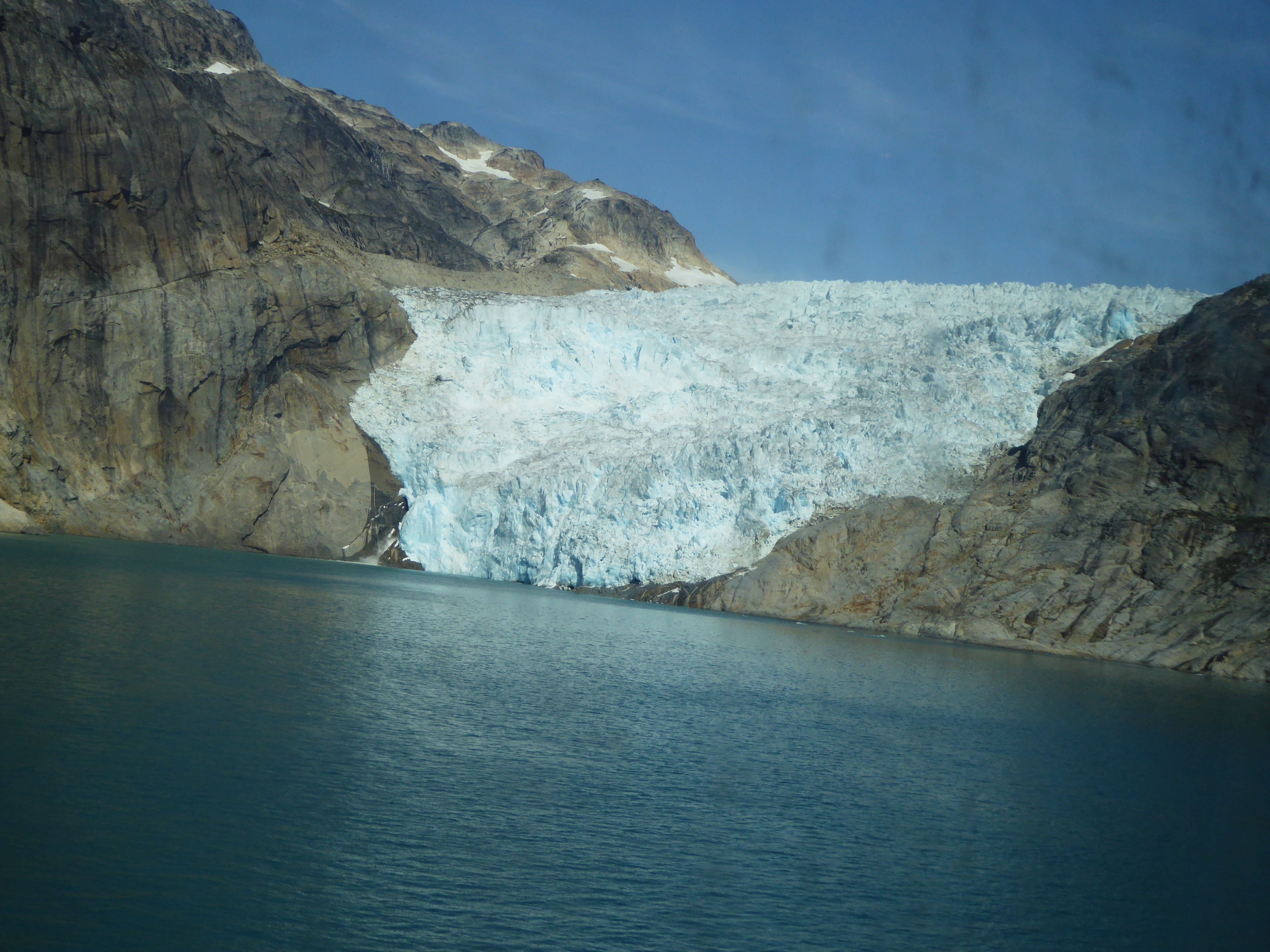
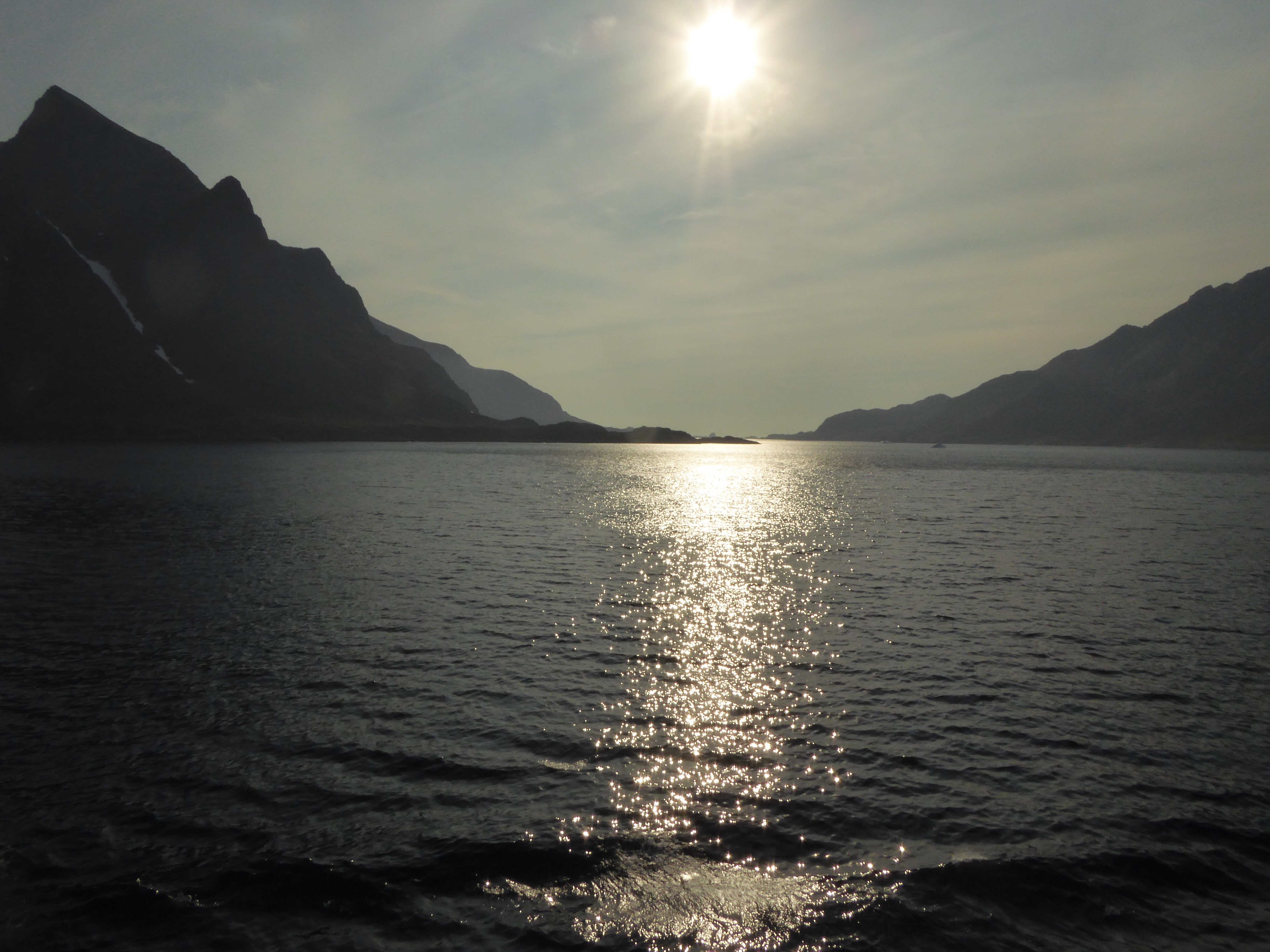
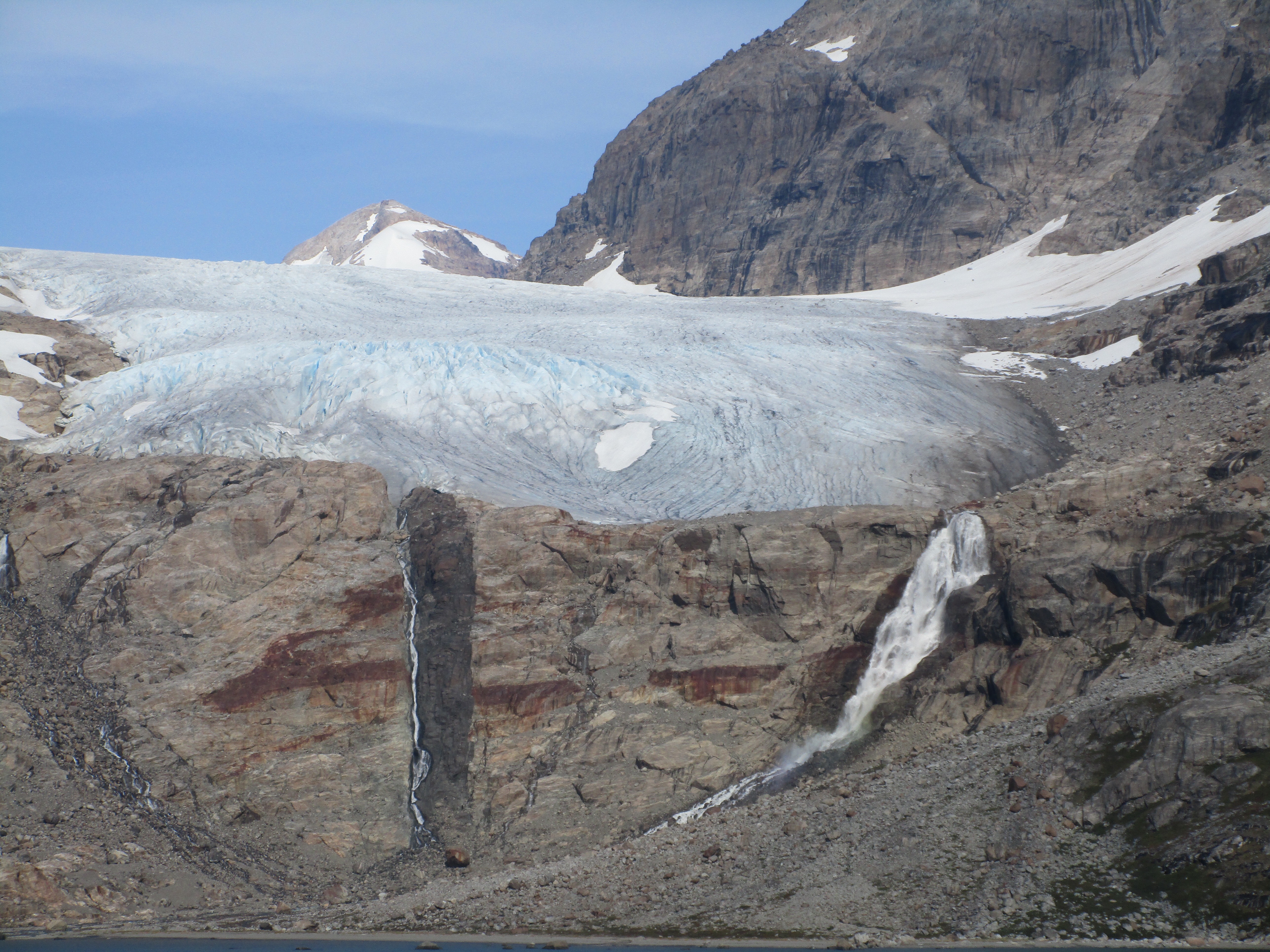
Thursday, August 31 was a sea day of sorts.  Around 11 AM we entered Prince Christian Sound.  A sound is like a fjord but is open at both ends.  It is usually formed by glaciers eroding the land and the sea connecting.  Greenland is currently colder than it was when it was settled by the Vikings.  When they settled Greenland they were able to farm.  Now the people here can’t do that.  Greenland is not part of the EU, but has ties to Denmark.  The main exports are fish and animal skins.  There are vast mineral deposits, but because of the harsh conditions can’t be mined.

Greenland is the largest island in the world, it is a self governing territory of Denmark and has a population of only 56,000 people.  4/5s are native Inuit people.  It is mainly covered by an ice cap left over from the last ice age, 10,000 years ago.  In the north of Greenland it is too dry for much snow, but in the south of Greenland the snow is thickening the ice.  If all the ice here melted it would raise the sea level by ~23 feet.   

Early on for transatlantic travel, Greeenland was a stop for refueling.  The US had an Air Force base here in 1950s.  It no longer is in use, but the field is used for flights.  

On the 31st we had spectacular weather.  We were able to be out on deck viewing the fabulous scenery. 


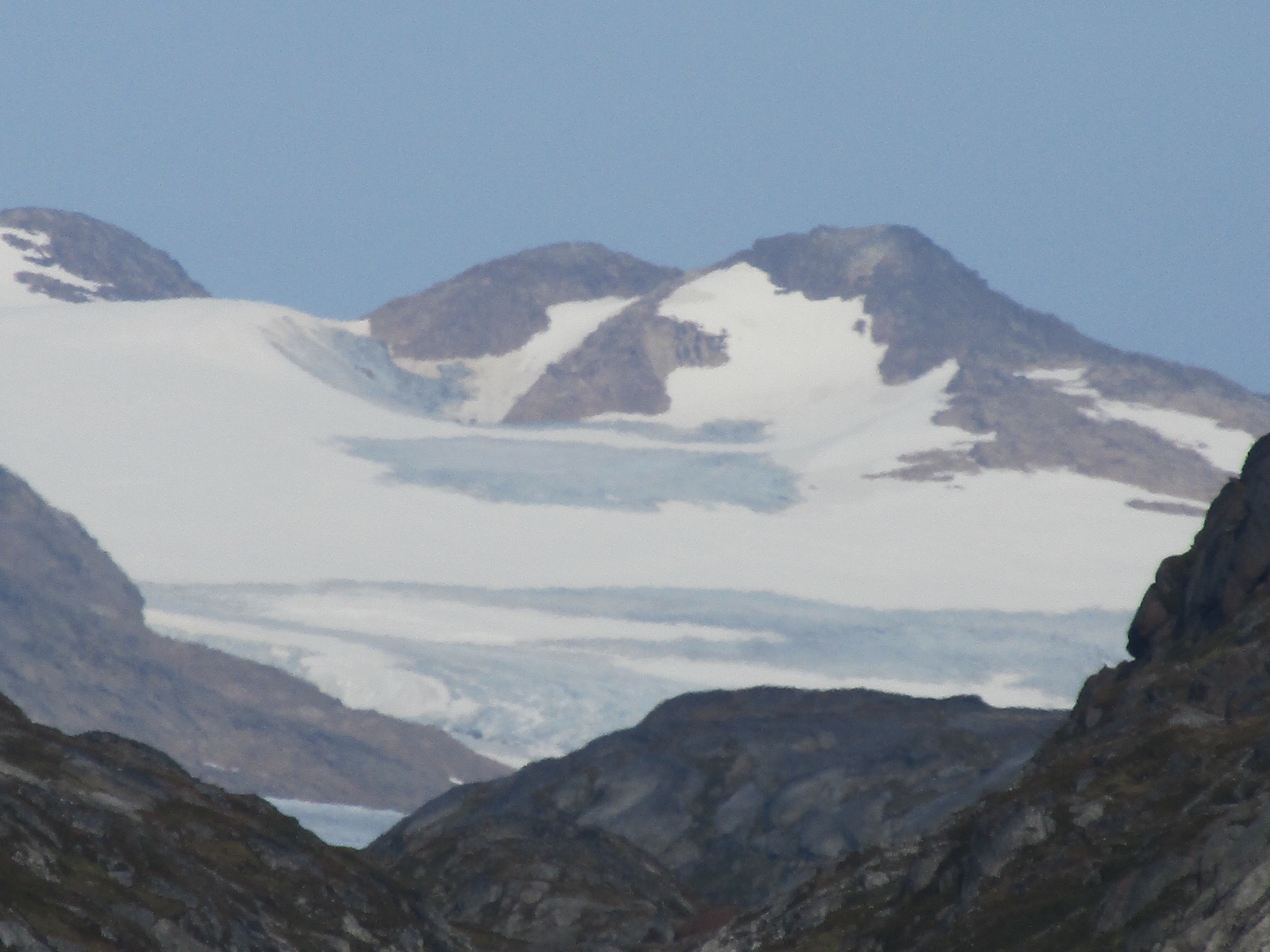
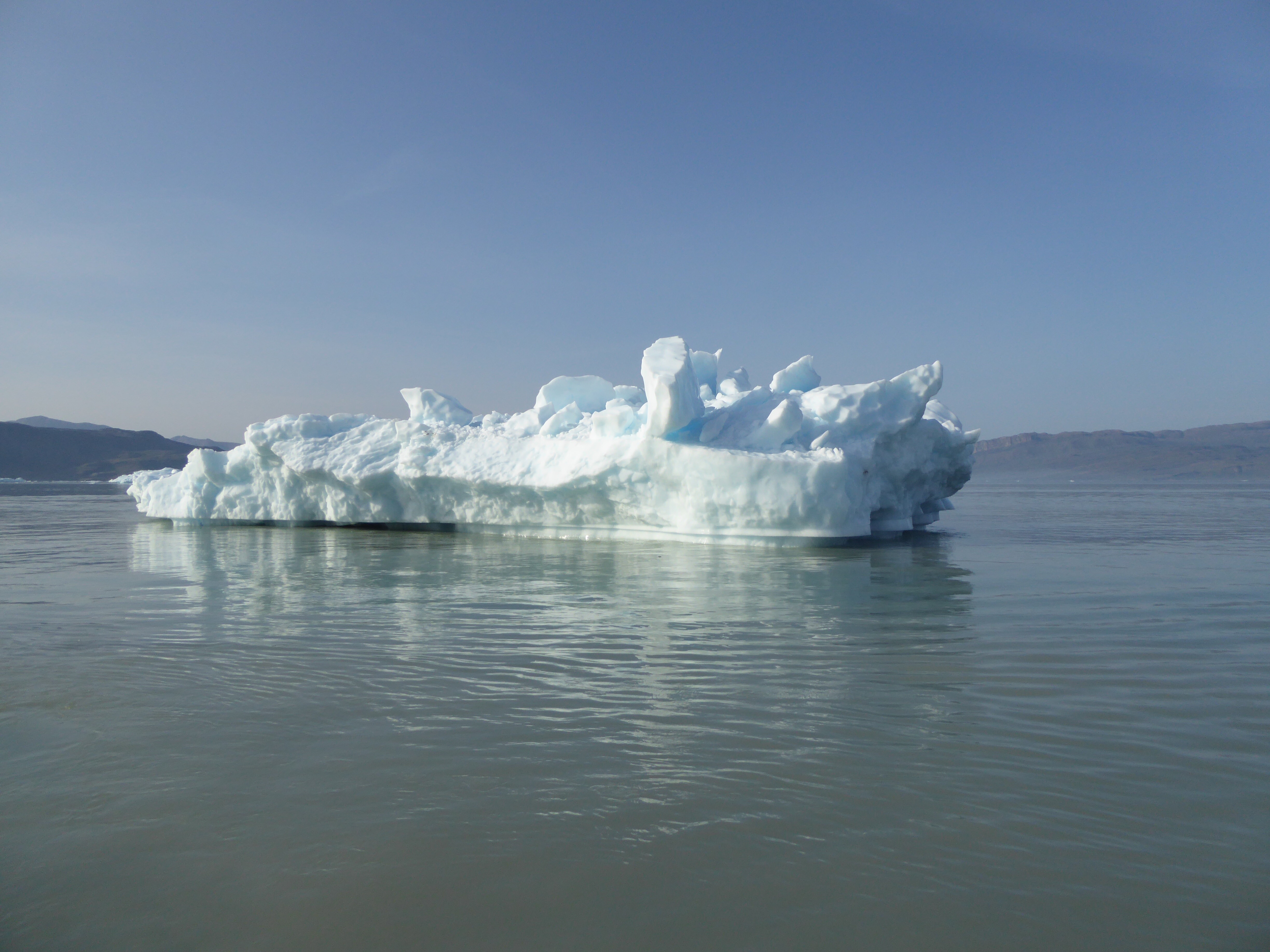
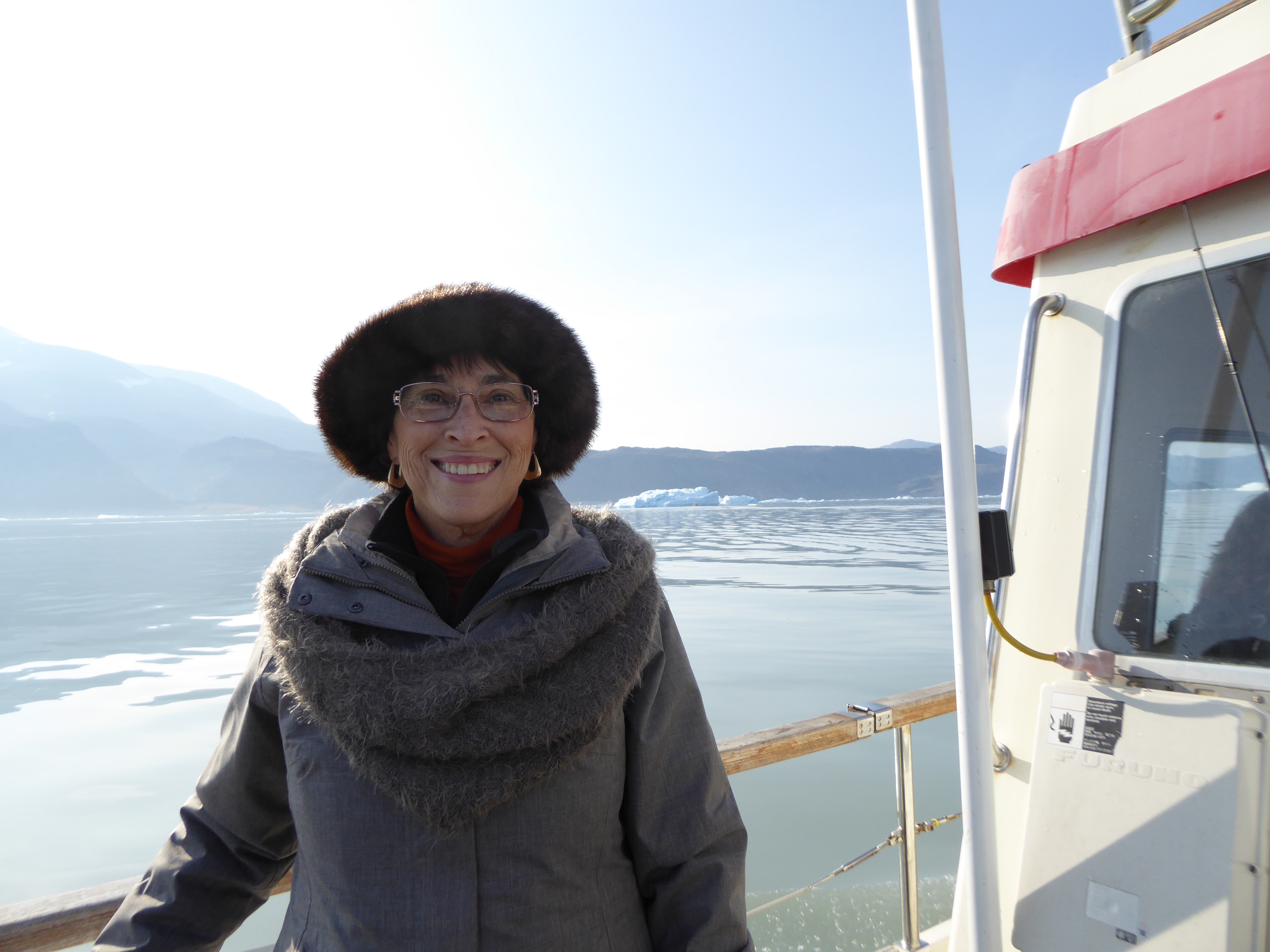
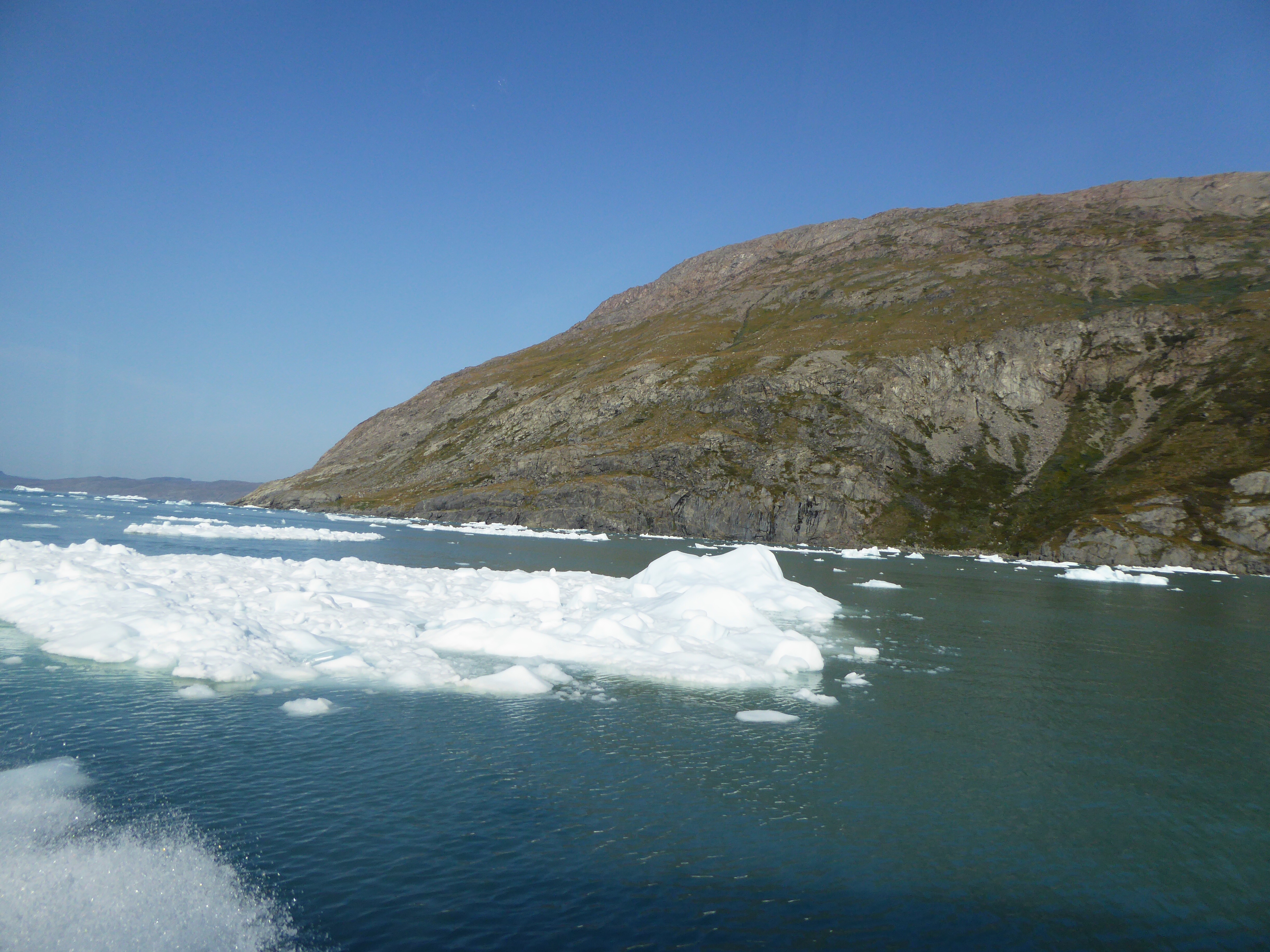
After we left the sound we sailed for Narsarsuaq, a small town of 200.  On September 1, Michael and Bette did a boat cruise among icebergs and even went up the icefjord to see the glacier up close.  It was again a beautiful warm day.  When we got back we walked with Janice into “town”.  We learned that they get 10 cruise ships a year.  The airport will close in 2 weeks until spring.


Bob went on a hike, which was billed as moderate, but was not.


It was a few fabulous days as you can see from some of the photos. 

Categories: Uncategorized | 2 Comments

Reykjavik, Iceland 🇮🇸 

For the second time this summer we were in Reykjavik.  Reykjavik means Smoking Bay.  It was settled by Vikings from Denmark in 874.  The country of Iceland sits on the mid Atlantic ridge.  The main industry used to be fishing, but currently it is finance, banking and tourism.  Reykjavik is the most Northern capital city in the world at 64 degrees N.  The Arctic Circle is at 66 degrees N.  The country of Iceland attained it’s full independence from Denmark in 1944.

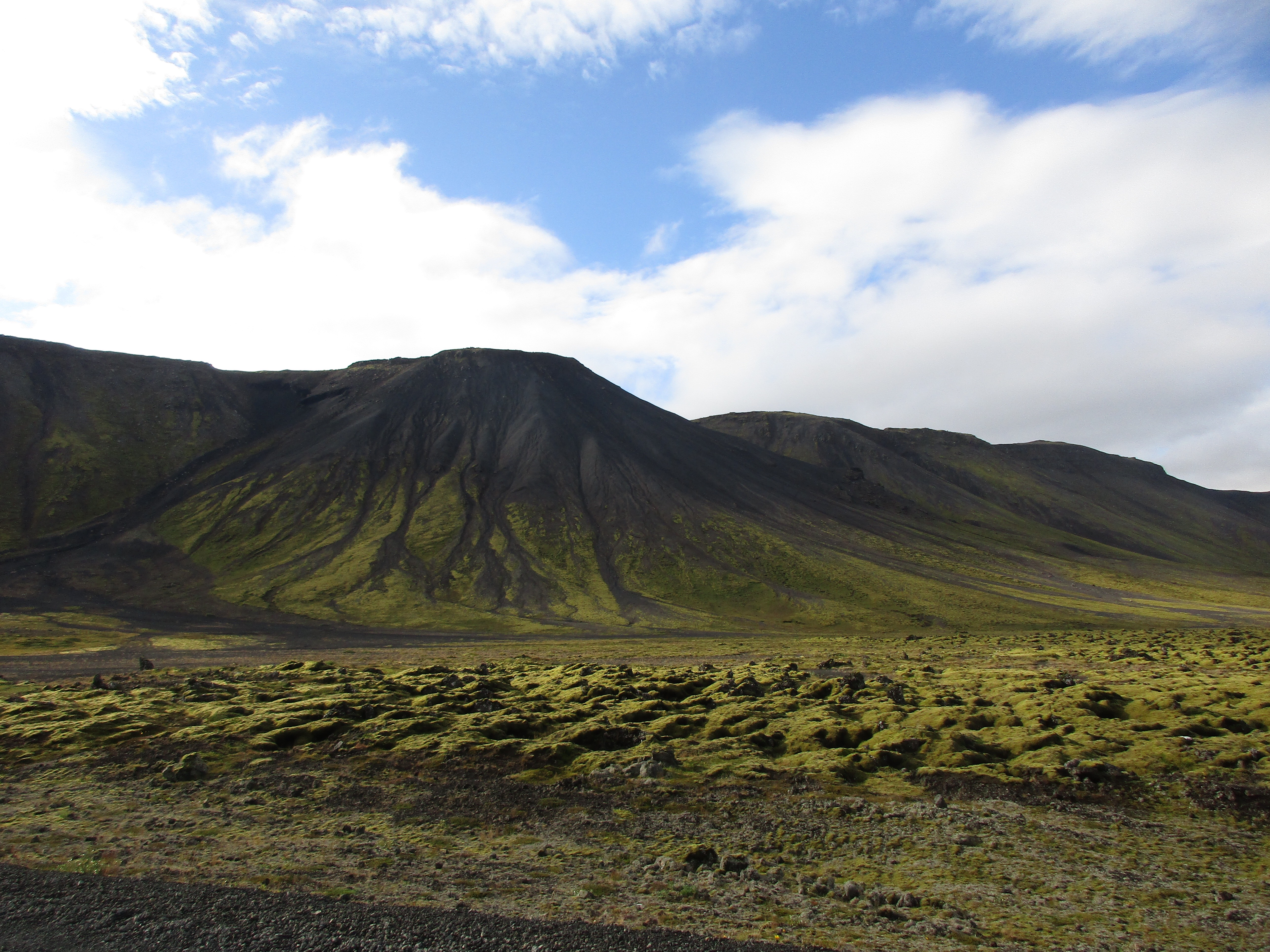
After 2 sea days we were ready for our “Volcano Exploration” tour.  We were in one of the super jeeps, with 42″ tires.  Our first stop was a lava tube.  We drove out of the city for about 40 minutes.  We were on the Reykjanes Peninsula.  The landscape was amazing.  There were lava fields covered in grey moss, which actually had a yellow color to them.  We headed toward a mountainous area that our guide, Bernie (his Icelandic name was too hard for us to use) said was part of the island that was the oldest.  They were not very tall mountains but were beautiful to view.


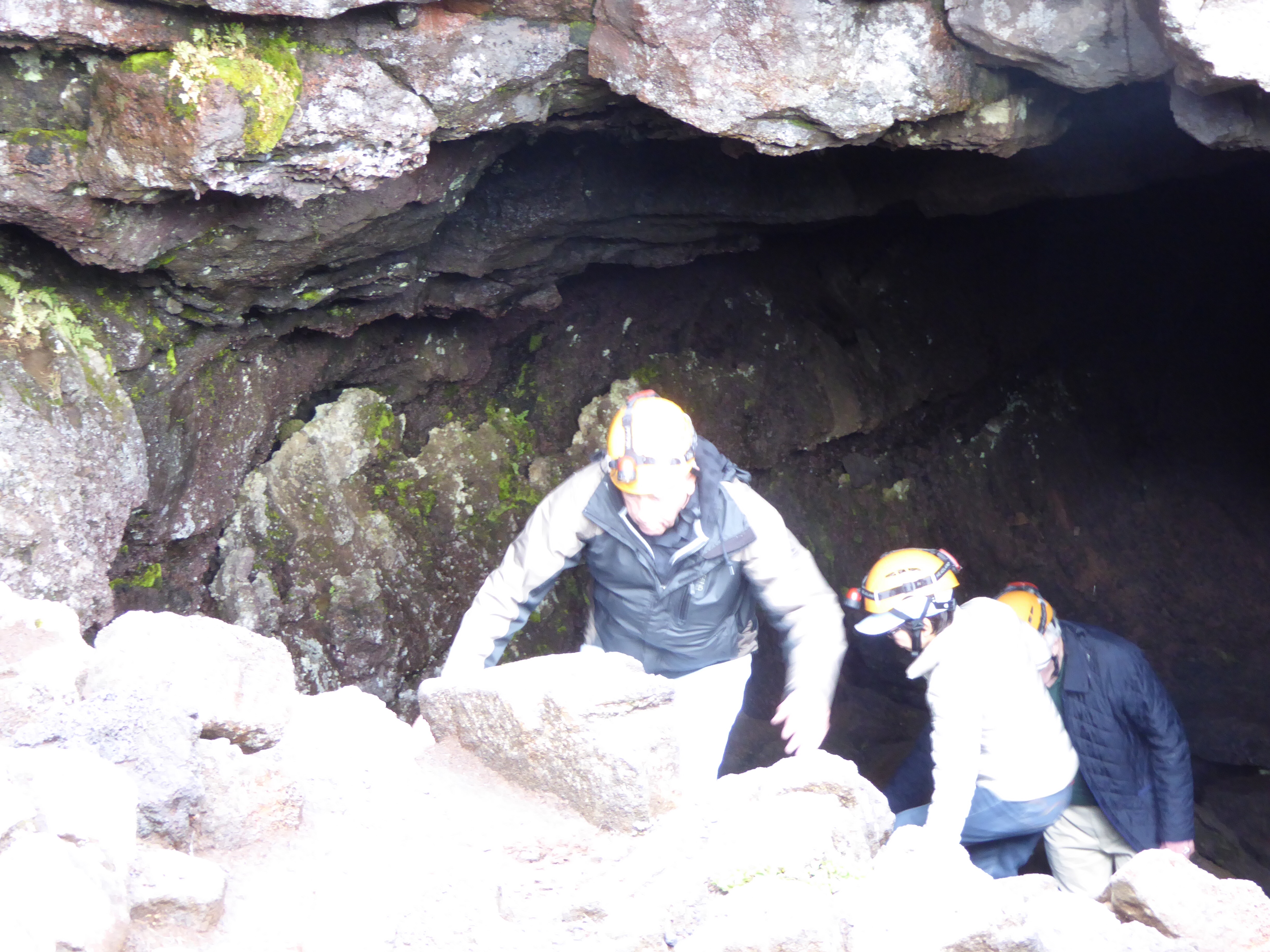
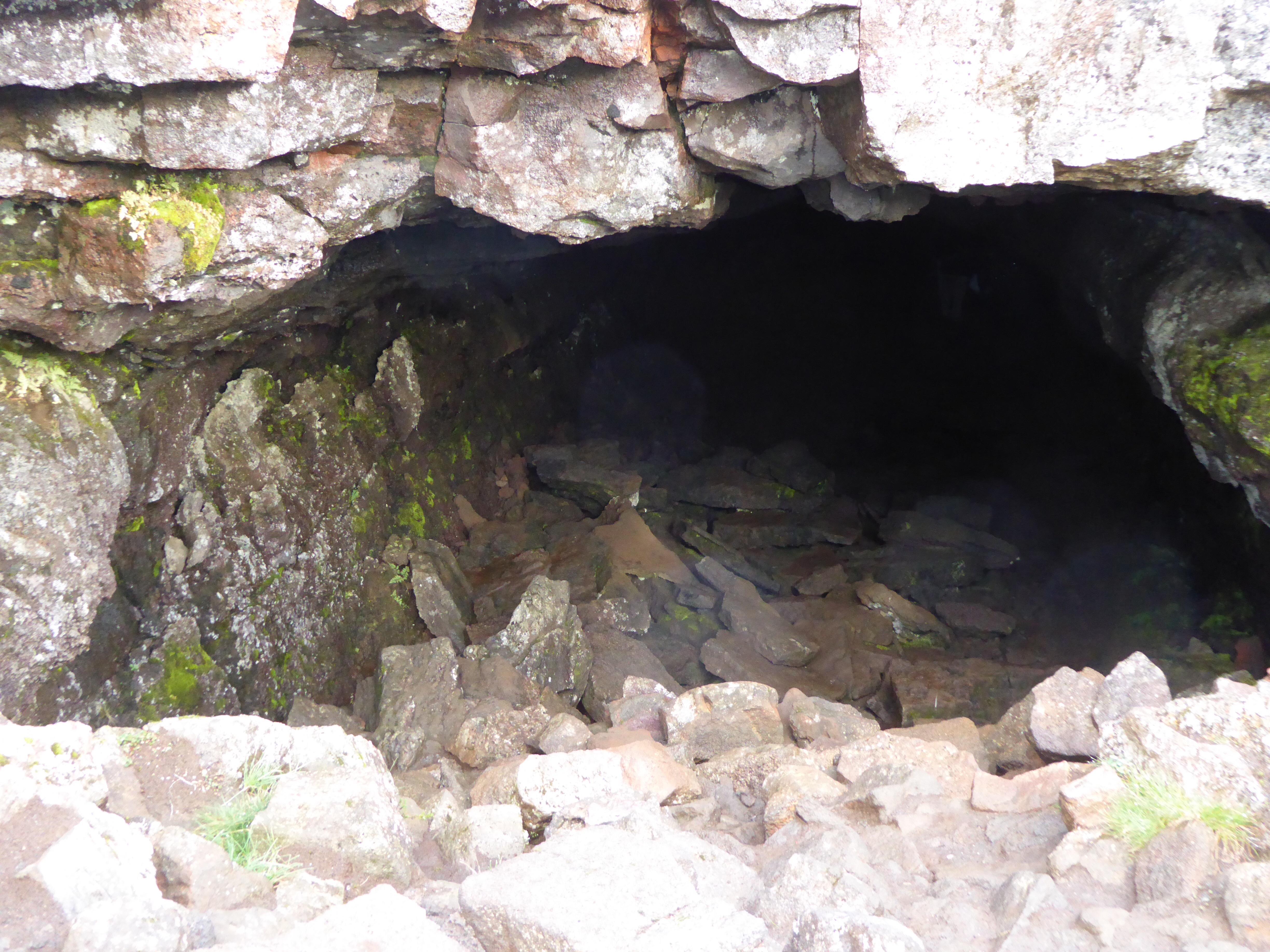
After donning helmets we walked down a path and then climbed down into an area that was the entrance to the lava tube.  Bob went with the group into the tube, but Bette saw the jumble of rocks she would have to climb down and stopped at this point.  According to Bob, it was a neat experience.  It was dark and cool, with some water dripping from the ceiling.  The way in was narrow with a low roof at some points, but then it would open up.  They went in about 100 yards.  Bob said when they turned off their headlamps it was really, really dark.


We then went “off road”.  We were actually on old unpaved roads but the ride was fun.  Up and over small hills and splashing through wet areas.  Our guide explained that you are not allowed to just go anywhere you want, because the government is protecting the land, the vegetation and natural beauty of Iceland.  There are big fines if you destroy any land and even plants.

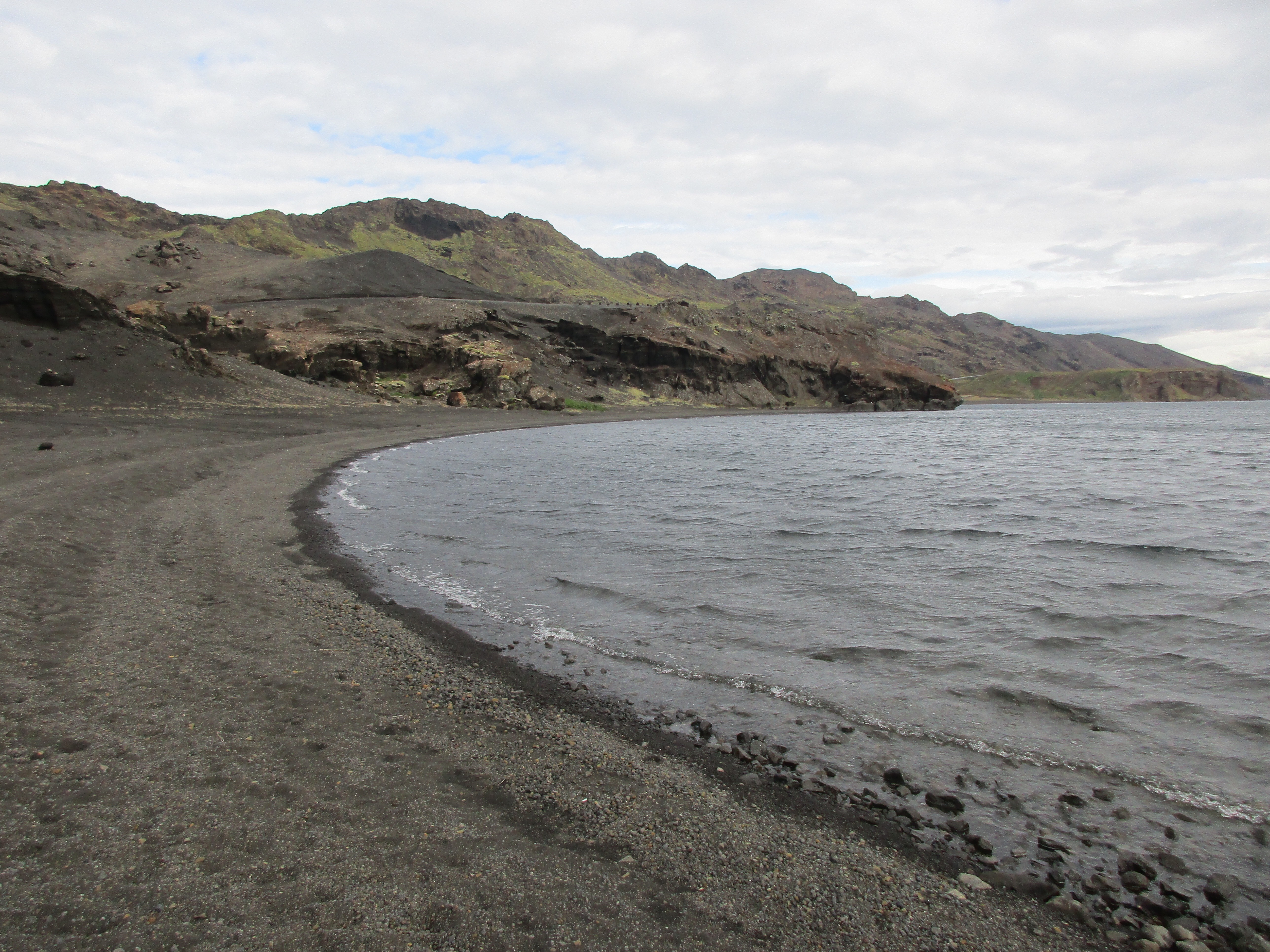
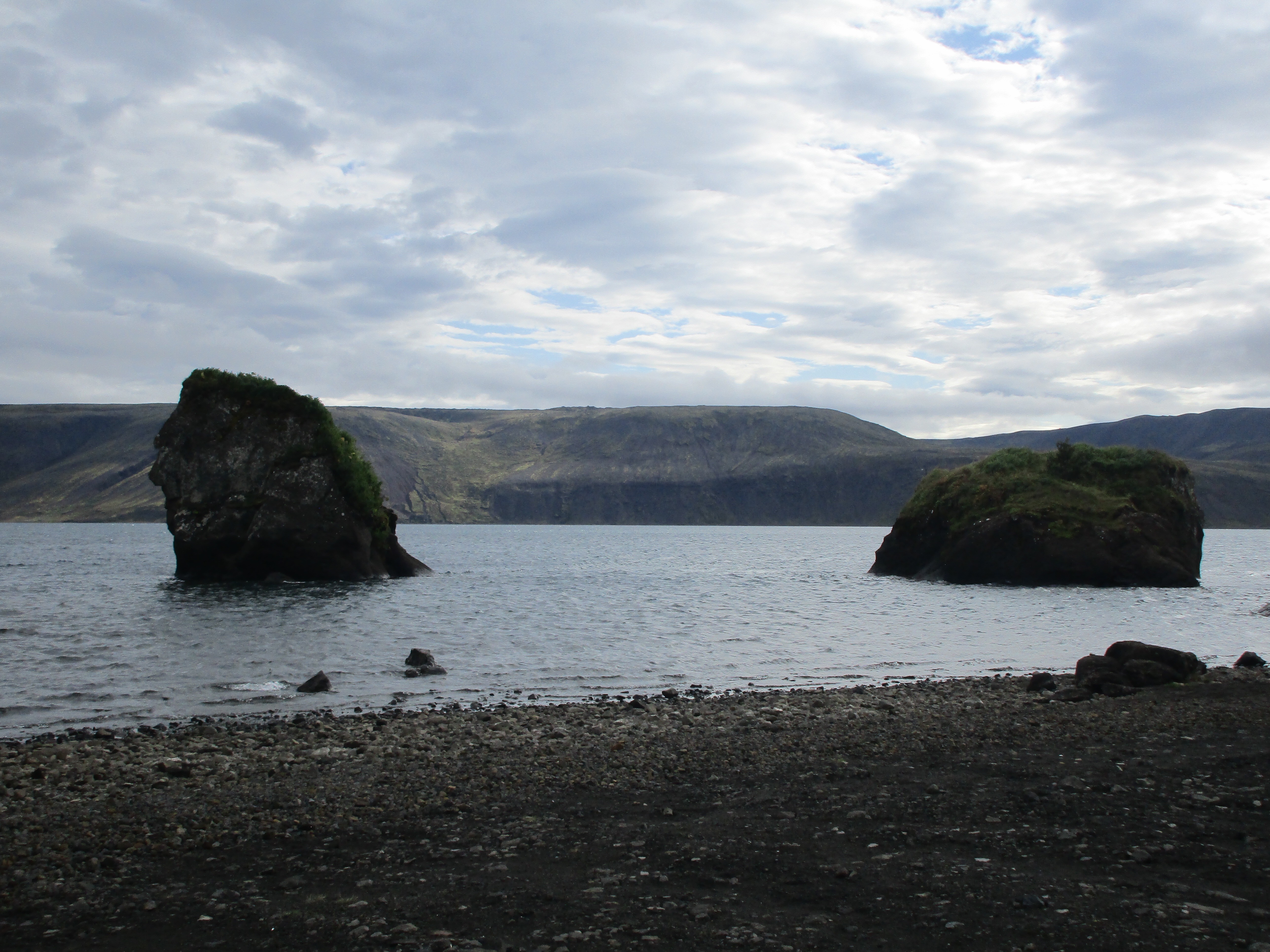
The next stop was at a black sand beach on the shore of Lake Kleifarvatn.  The lake was huge.  Our guide told us that about 10 years ago an earthquake in the area opened fissures in the land under the lake and it was almost drained dry.  It took about 5 years for it to come back to it’s current size.


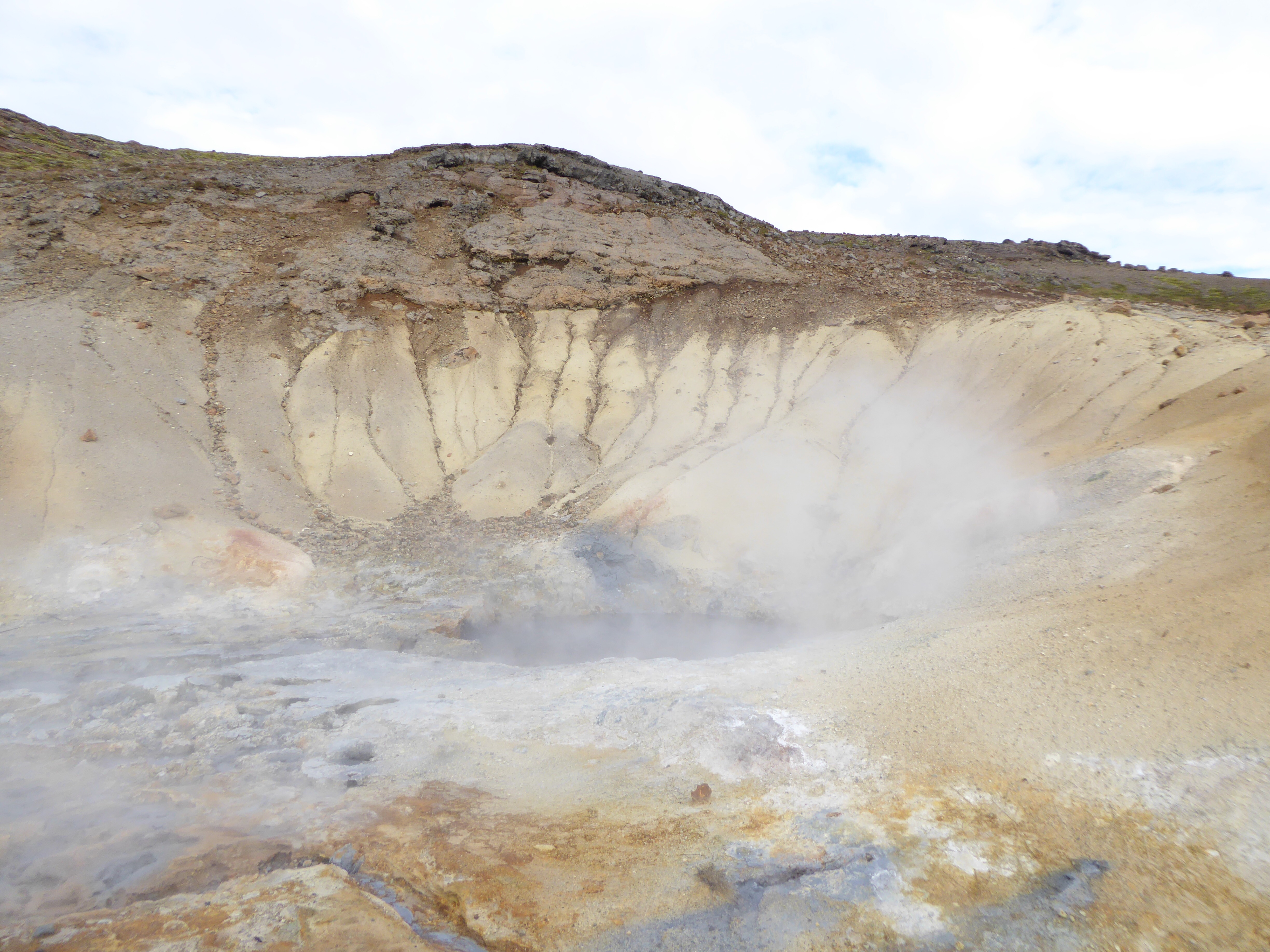
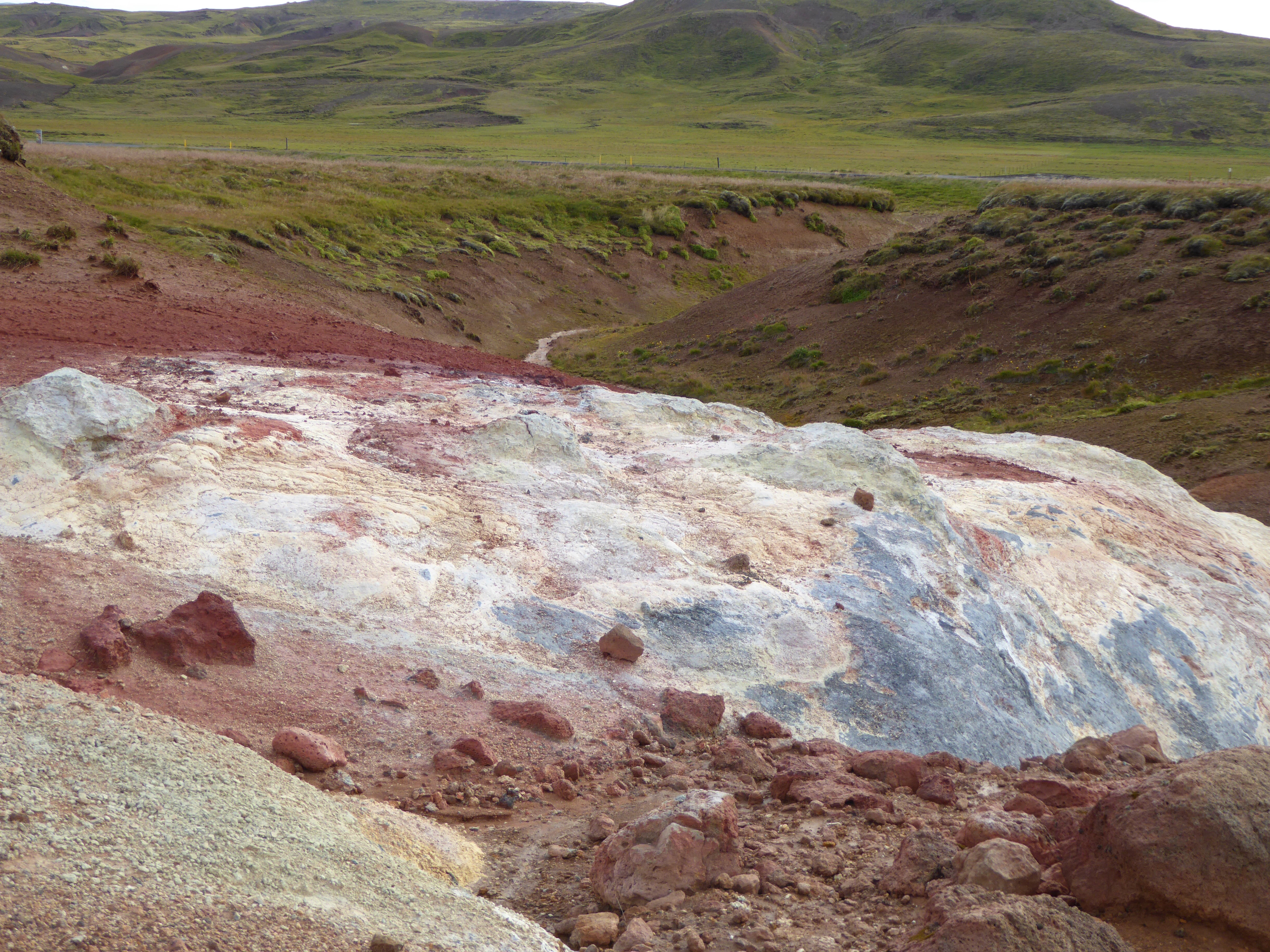
We next went to an area with bubbling mud pots and running hot water.  The colors of the rocks and ground were interesting to see.


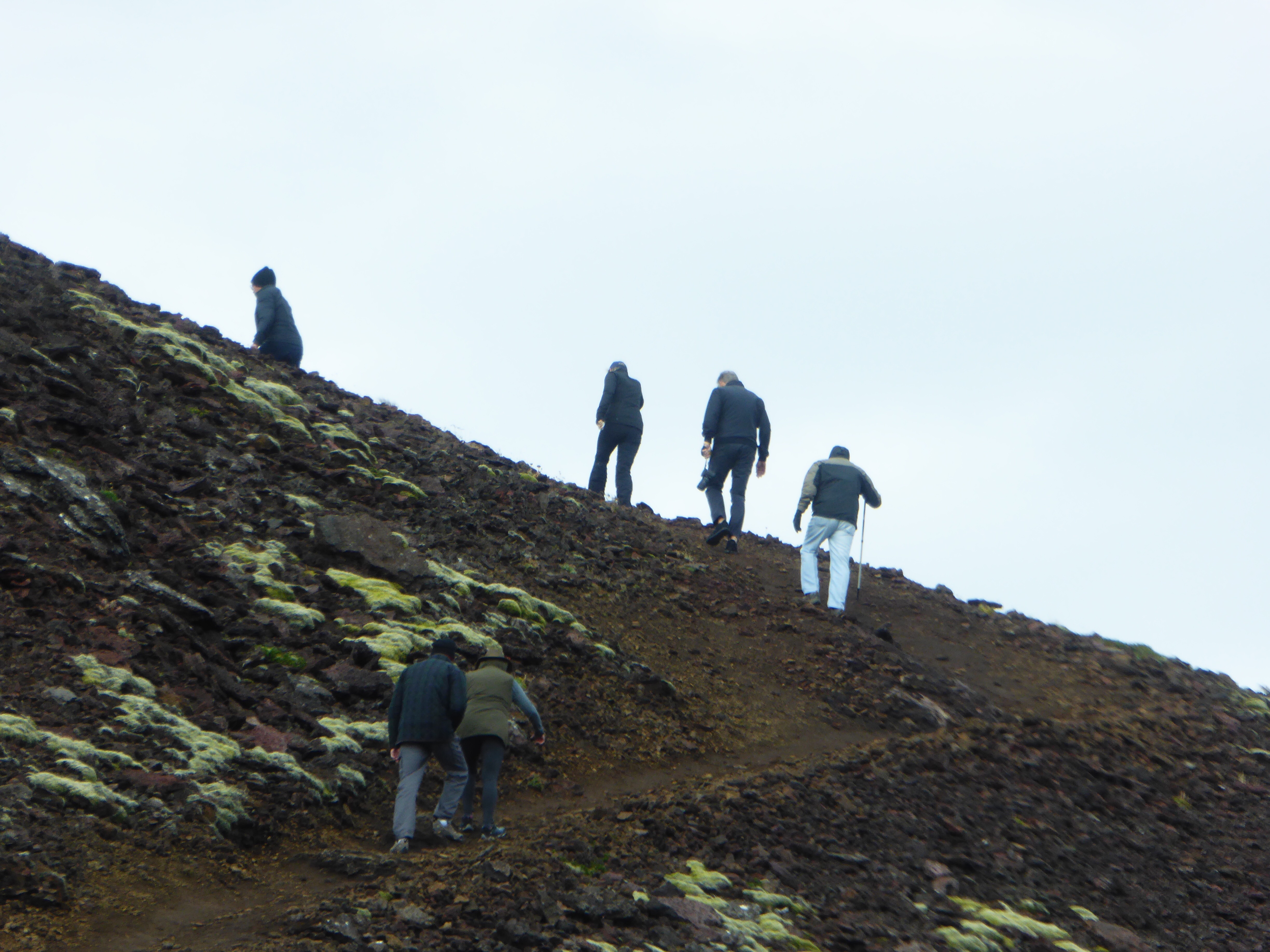
Then we went to Storaeldborg, a dormant volcano.  There was an opportunity to climb to the top to see the cauldron.  The wind was blowing at 25 MPH or more.  Bob did the climb.  At the top he had a hard time not being blown off!


Then to lunch in Grindavik, a small fishing village.  We had lobster soup and really good brown bread with Icelandic butter.


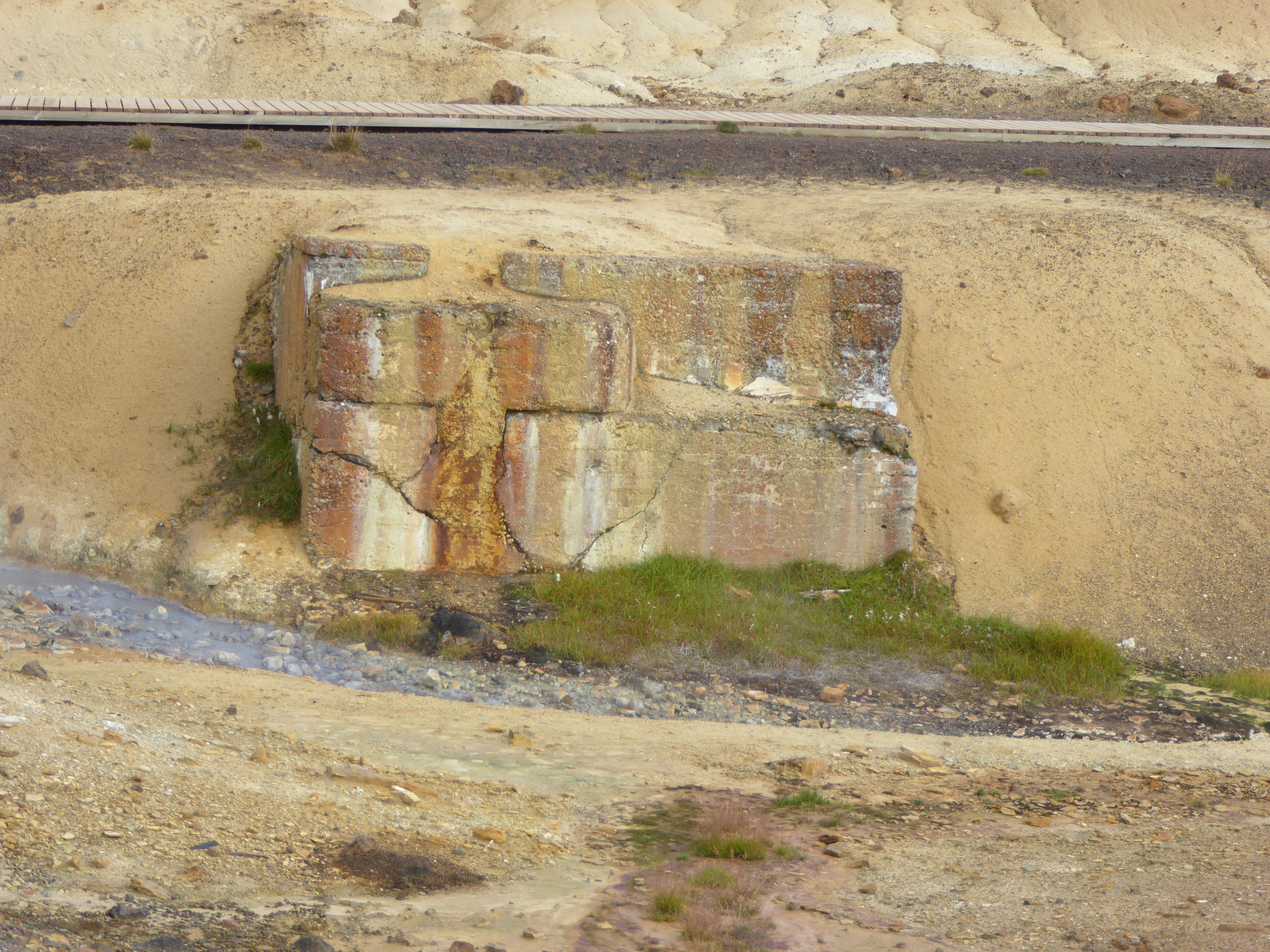
We then went to an area that was steaming.  Everywhere we looked steam was coming from the ground.  There was also an abandoned bore hole.  This was one that had been used originally to bring the hot water/steam to Reykjavik for heating.  Bernie explained how they use their thermal energy to generate electricity and heat their homes.


And then we were back on the road to the city, passing the Blue Lagoon, now one of the top tourist destinations in the world.

It was a fun and very active day!

Categories: Uncategorized | 1 Comment

Belfast, Northern Ireland

On August 26, we were in Belfast, Northern Ireland.  Janice and Michael went shopping with the chef again and Bette and Bob had organized an excursion to the Giants Causeway and various sites where the Game of Thrones TV show is filmed.

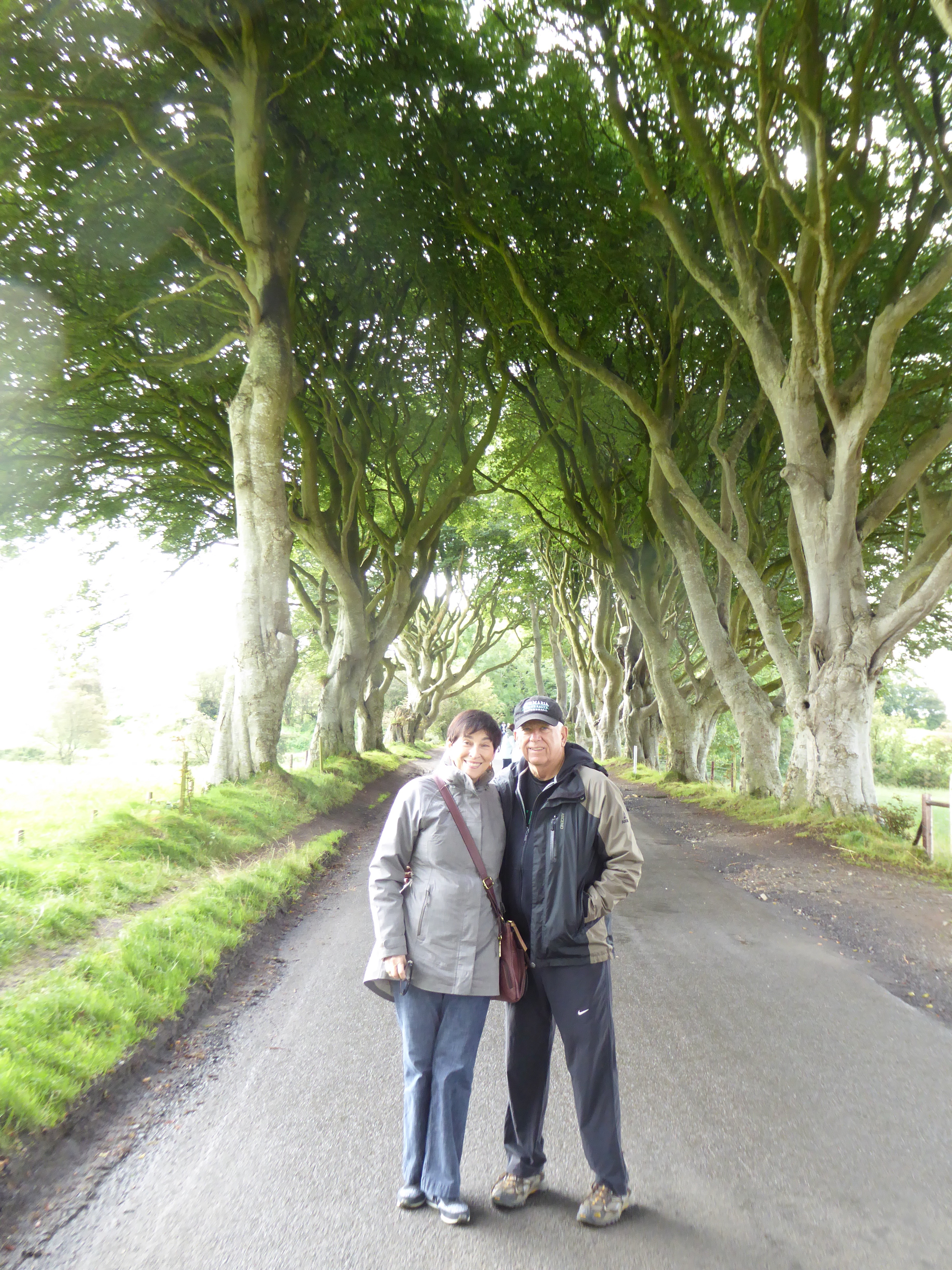
Our first photo stop was at Dark Hedges, a road scene from GOT.  It was here that Arya leaves for King’s Landing.


Our next stop was at Baluntoy Harbour, which was the setting for Iron Harbour in GOT season 6.


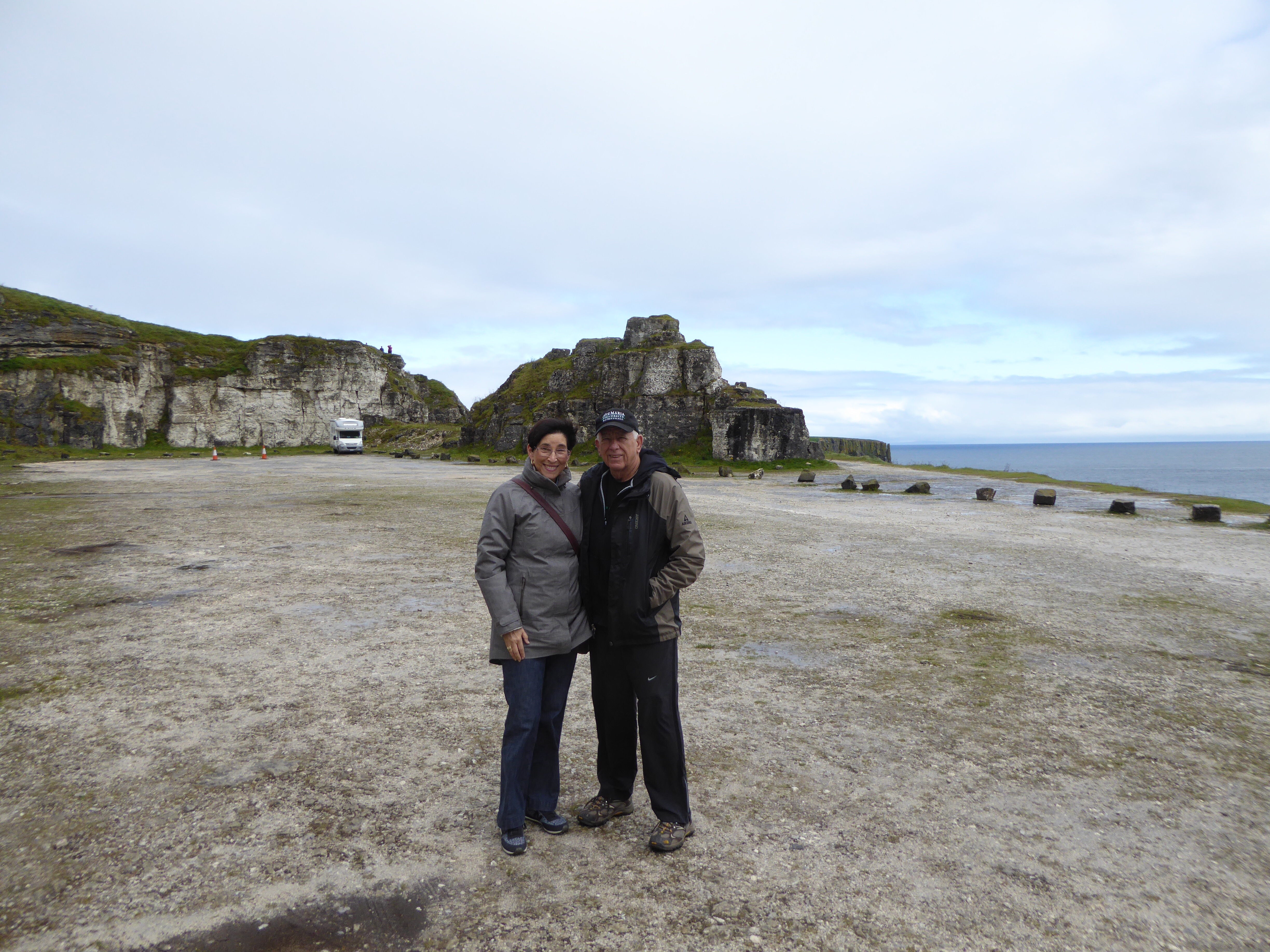
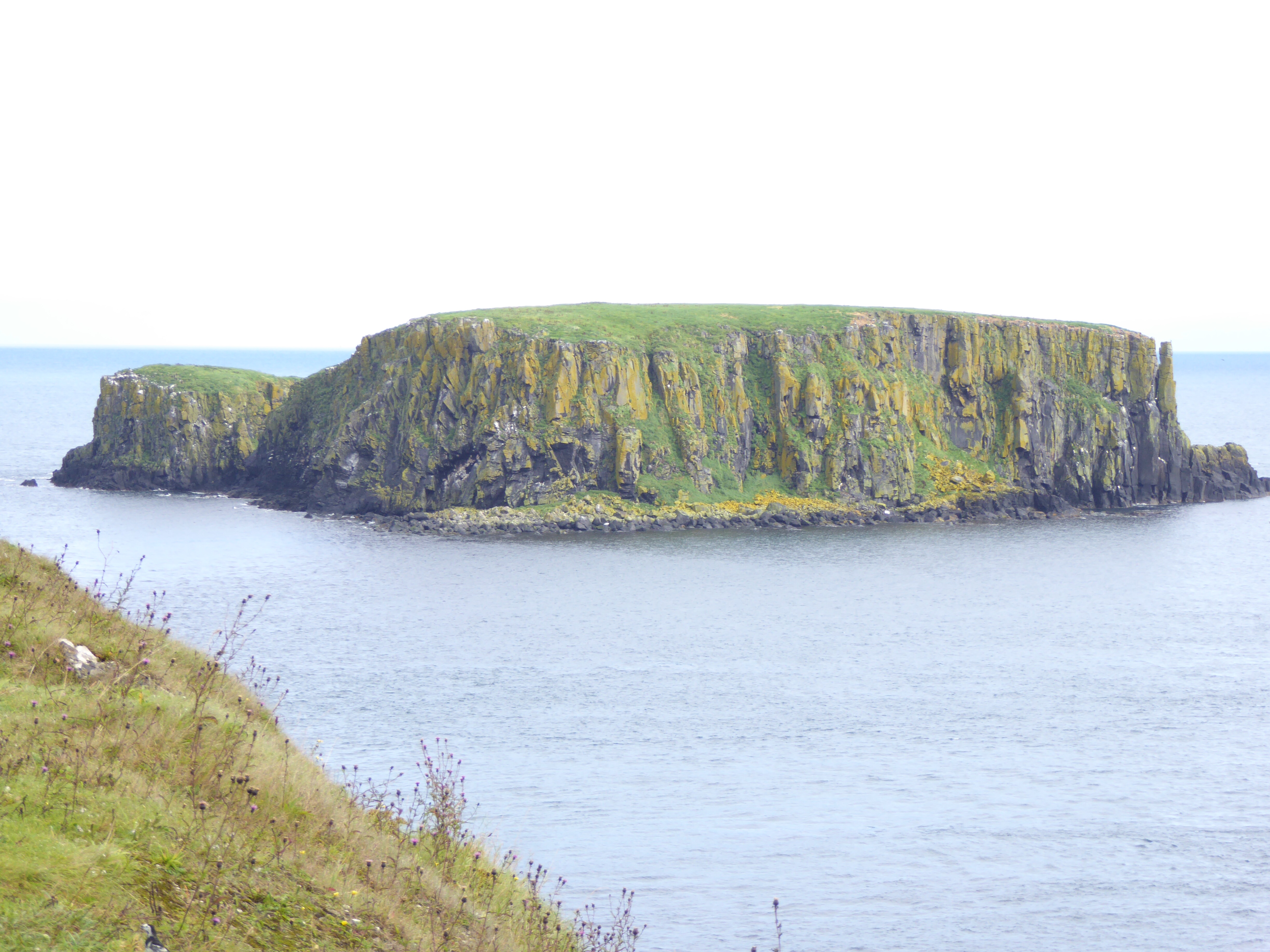
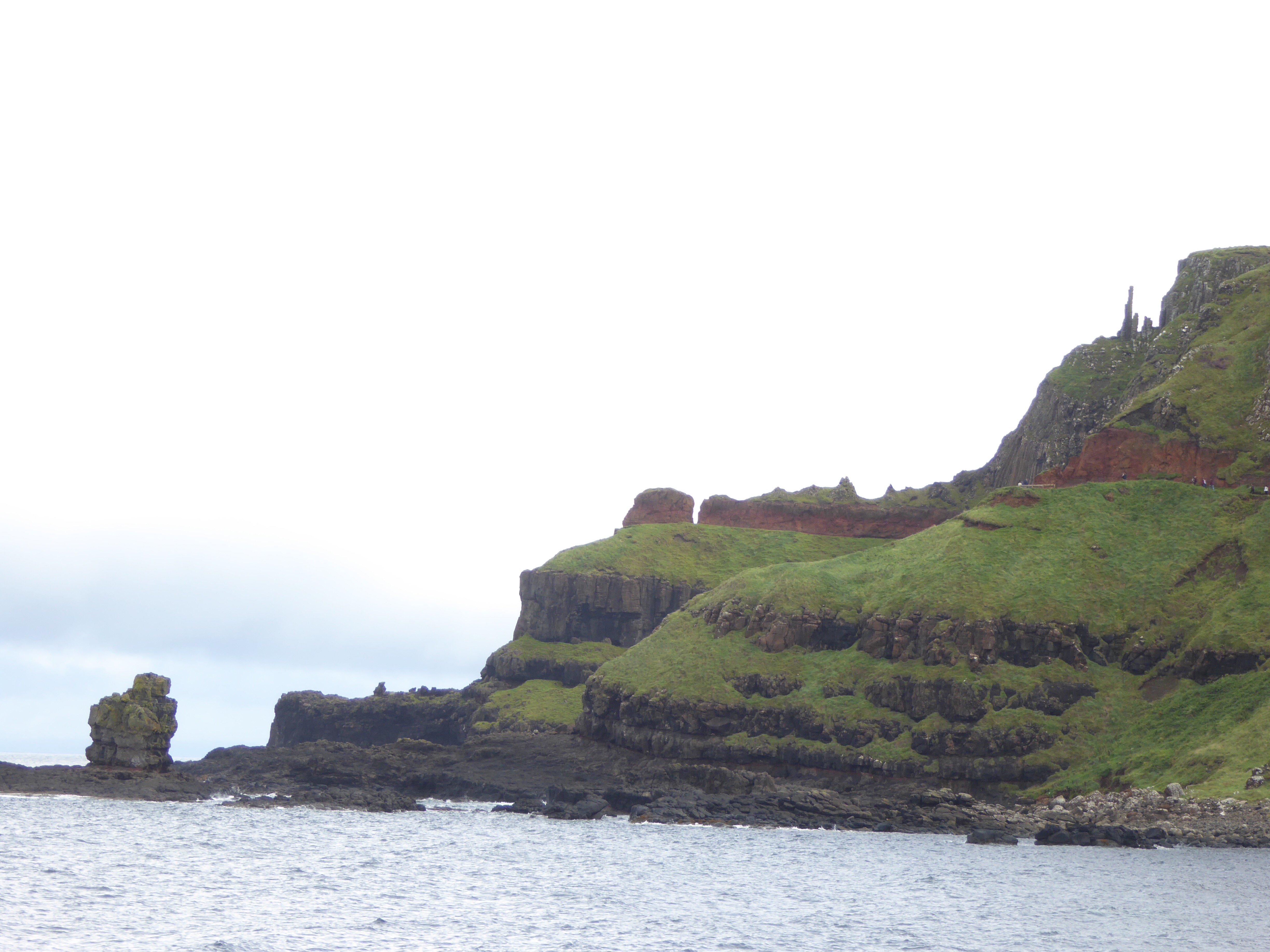
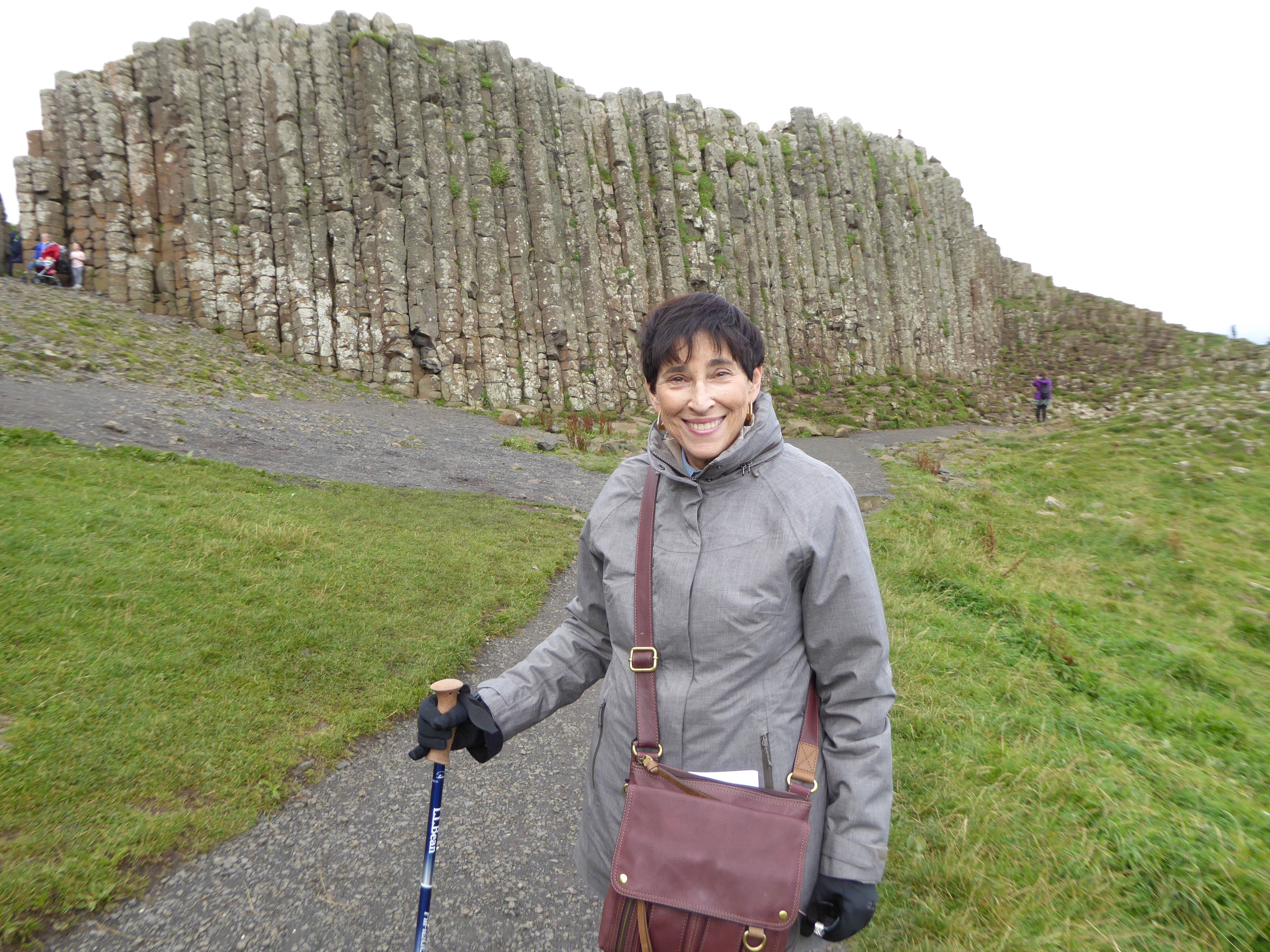
Then it was on to the Giants Causeway.  Our driver and guide, Norman, had a CD with the story of how the Causeway was formed.  It is made of volcanic basalt pillars.  They run from this point just north of Belfast to Scotland which is approximately 20 miles away at this point.  The last time we were here, it was pouring rain, but this day we only had cloudy skies, followed by rain.  Bob actually got to hike to one of the points above the Causeway.

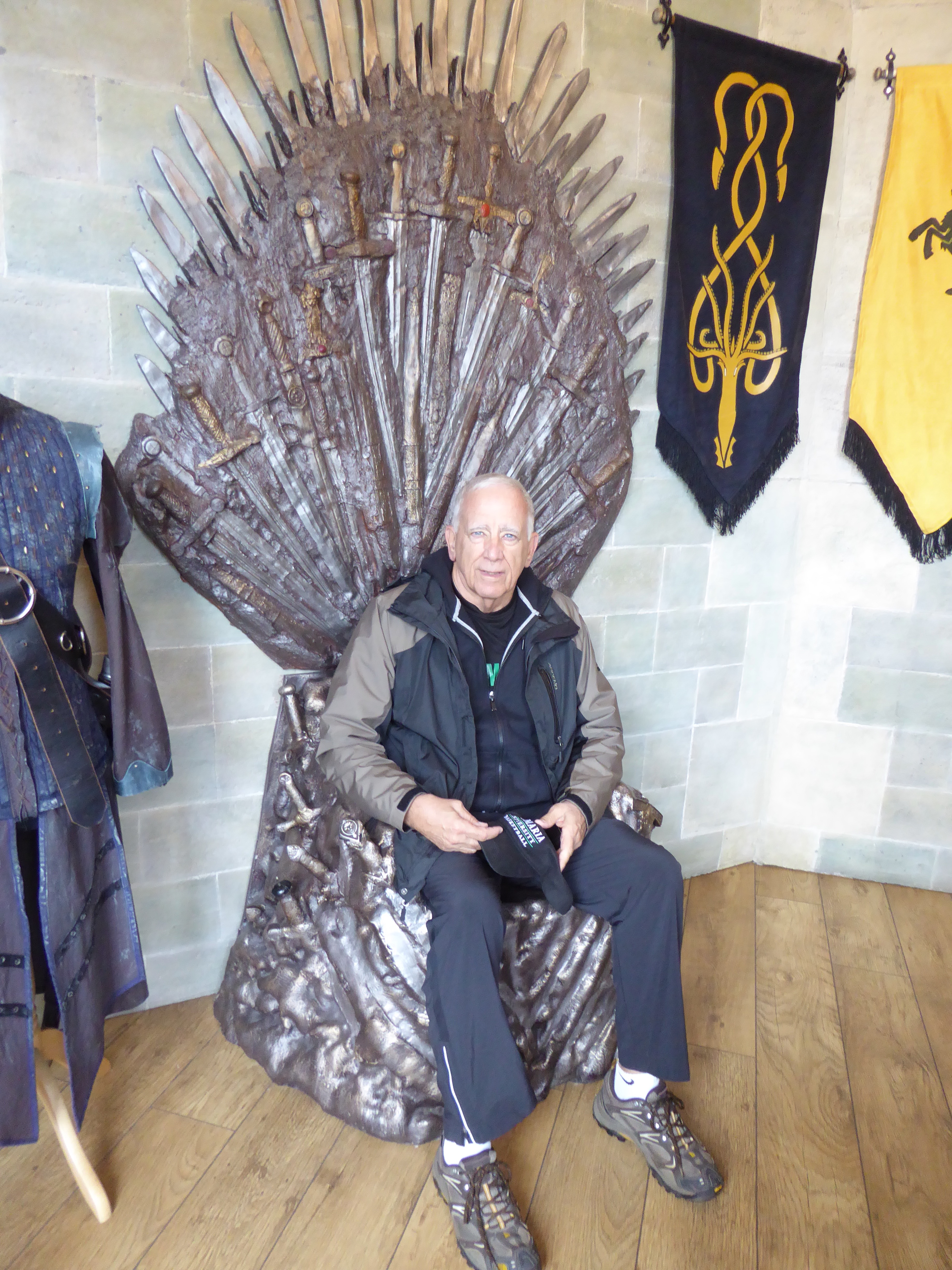
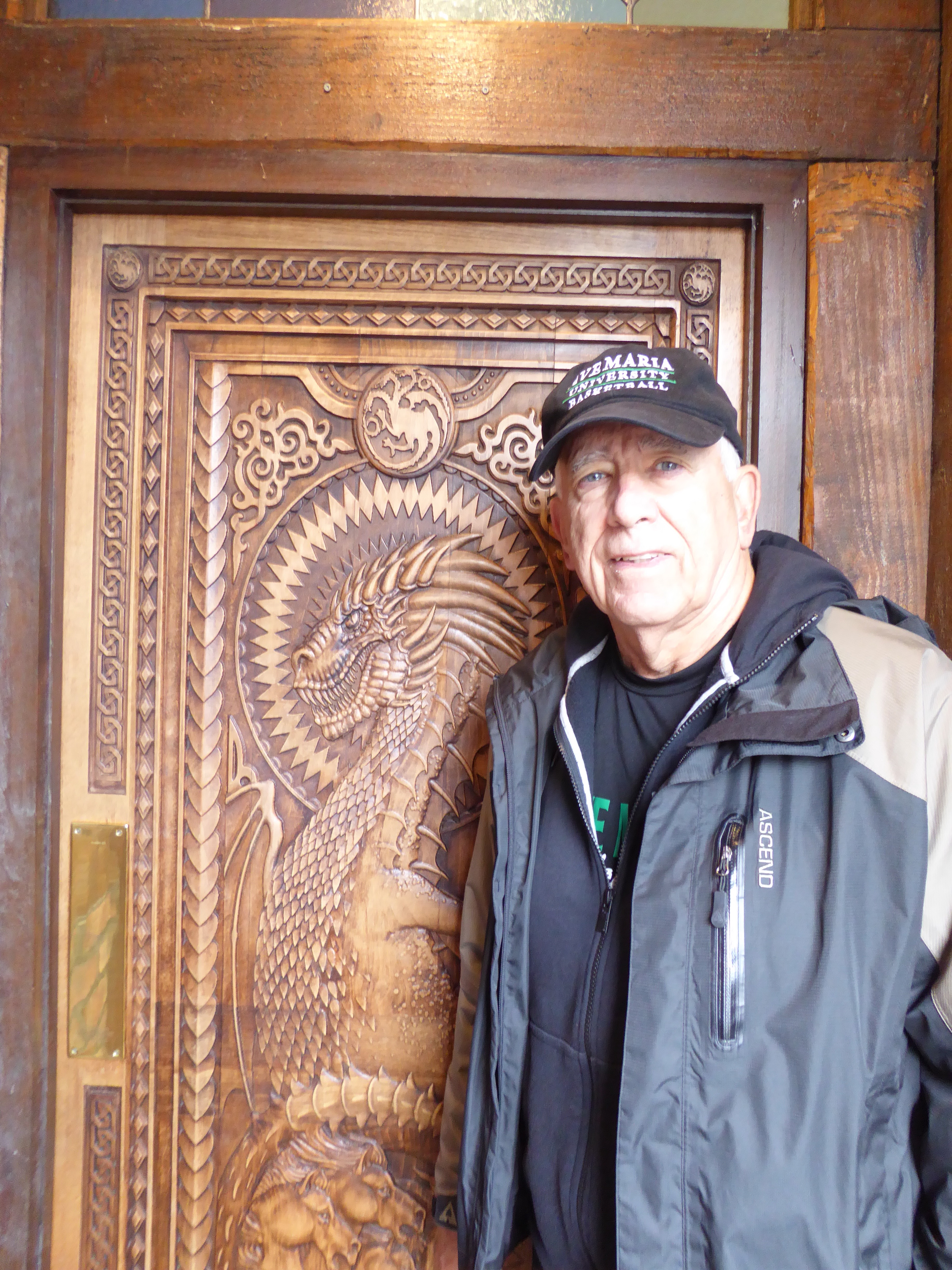
We stopped at a cafe to see a door from one of the episodes and a replica of the Iron Throne.


After lunch at a cafe, not as good or nice as the one from the prior day, we went to see White Park Bay.  Beautiful shore line and beach.


A quick stop at Dunluce Castle, which is used for Greyjoy Castle.


Then back to Belfast.  We did not go to see the wall that separates the city, the Catholic area called the Falls and the Prodestant area called Shank Hill.  The time of the “troubles” pitted the two religious groups.  Since 1996 there has been peace.  Our guide indicated that the people realize that this is how it should be and even though there are disagreements they are settled without violence.

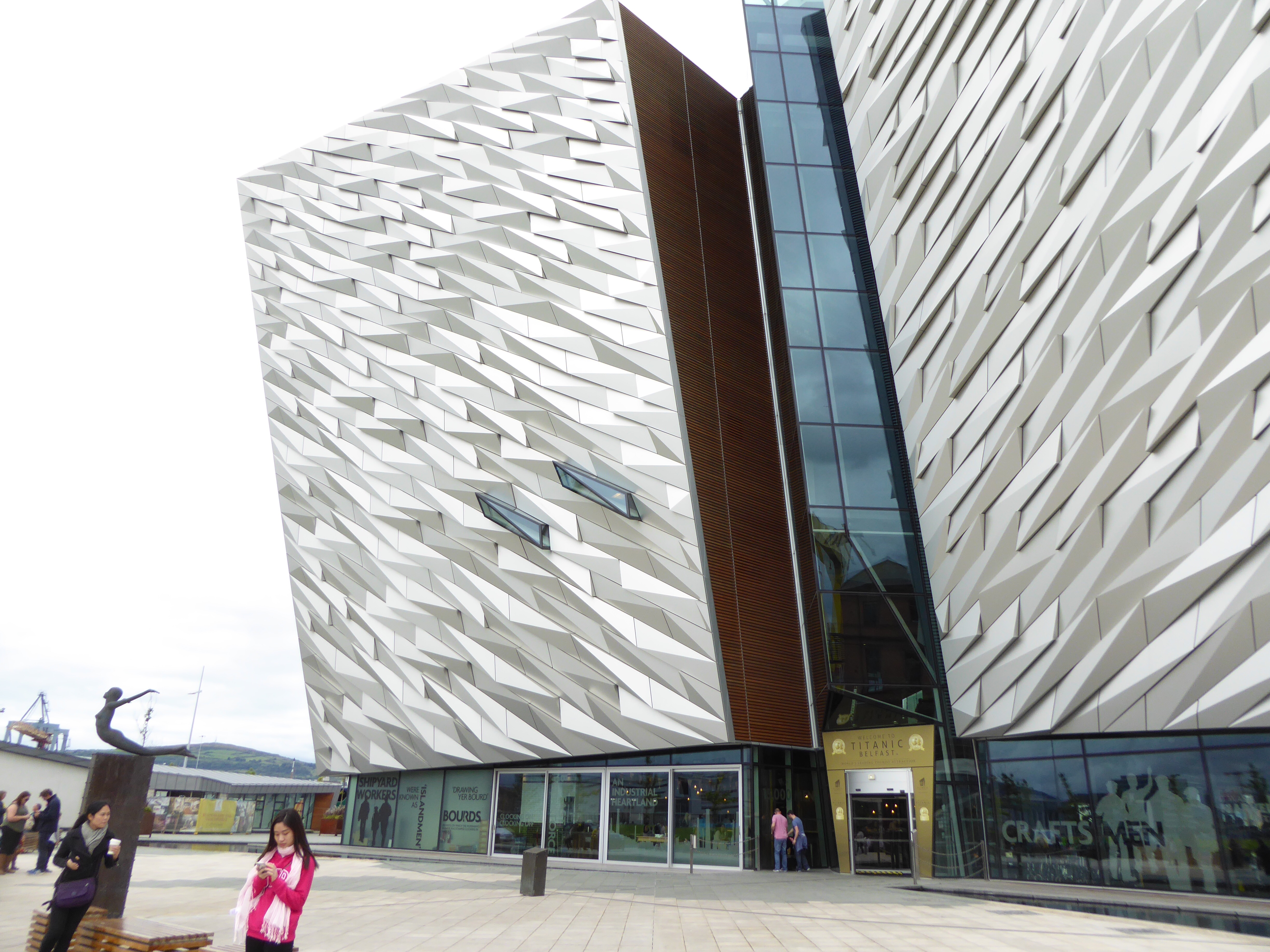
Belfast is a working class city.  It is the capital of Northern Ireland and is still part of the U.K.  It was a big ship building area, specifically the Titanic.  Now it is a big port for both cruises and shipping.

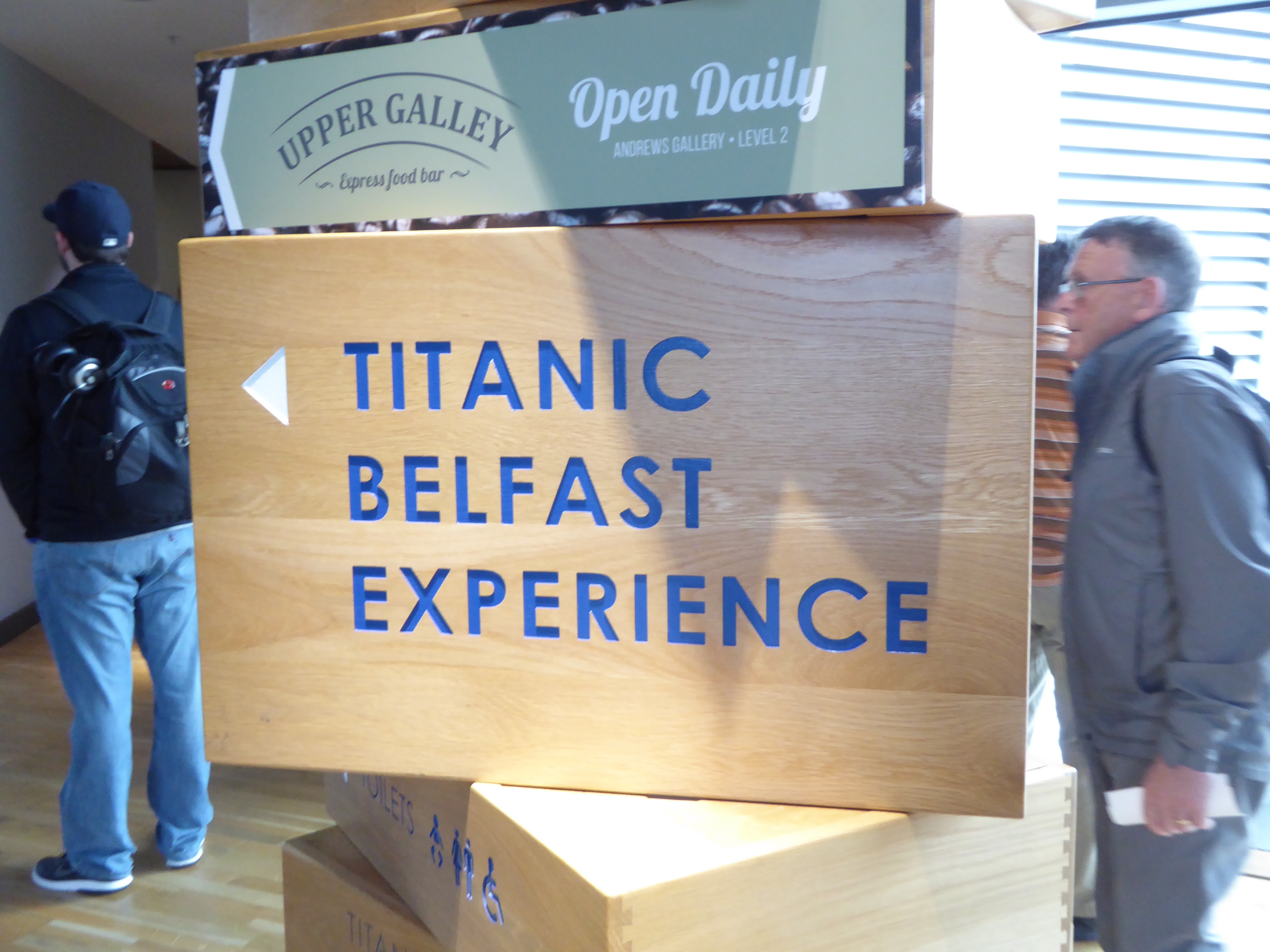
Bette ended the day going to the Titanic Museum, which is in a beautiful building with interactive exhibits.


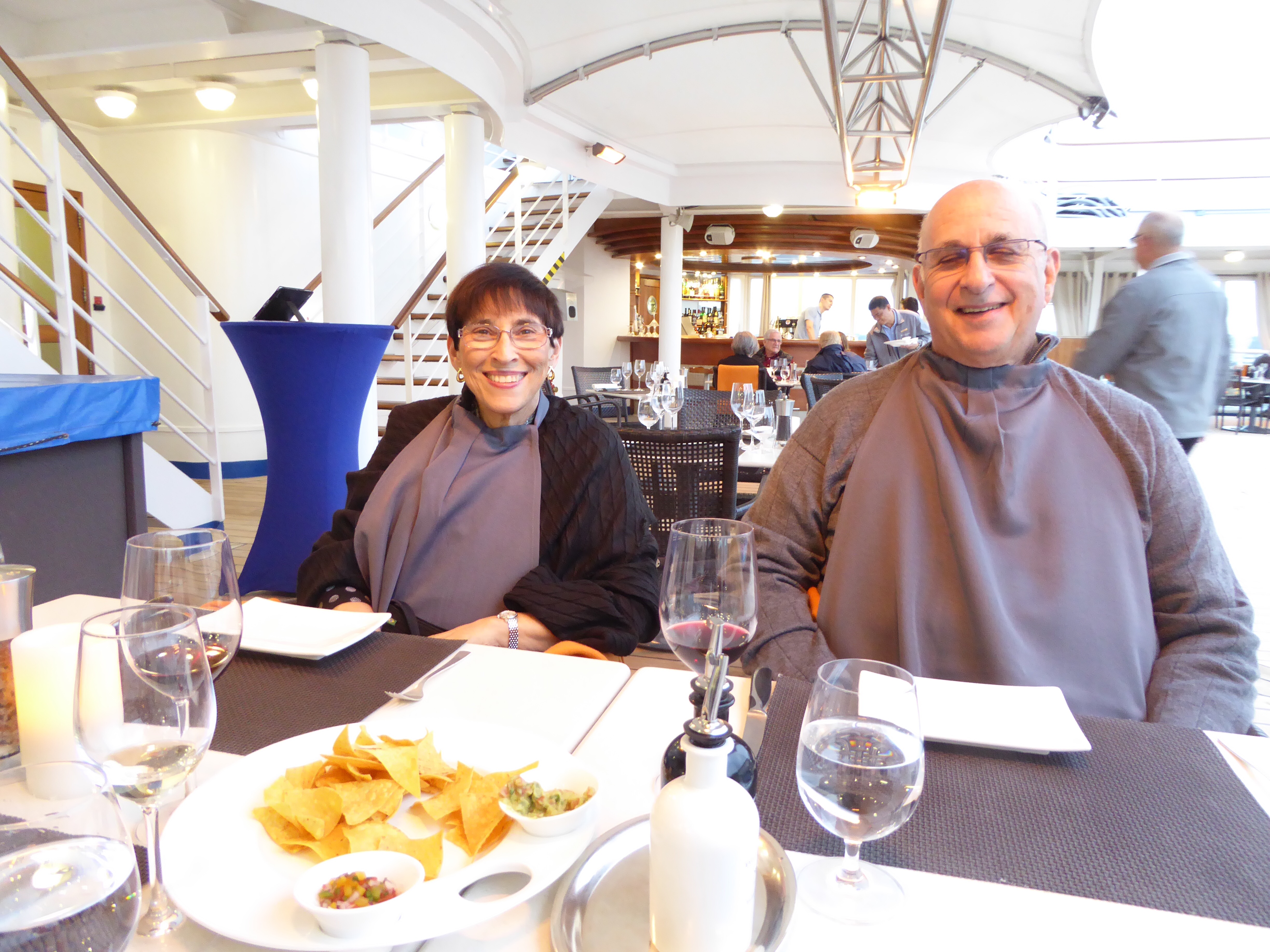
Dinner was on the pool deck at the Grille.  We cooked our own meats on hot rocks.  We thought it would be a good night to do this since we did not sail until late, and did not have to worry about cold windy weather.  The bibs are so we didn’t get splattered while cooking.

Sorry about Janice’s closed eyes 😔


Another great day.  Next up, 2 sea days to give us some time to relax.  It is a vacation, you know.

Categories: Uncategorized | Leave a comment

Dublin, Ireland 🇮🇪 

Today, August 24, we were in Dublin, however we did not stay in Dublin.  We had a guide, Derek, who had a whole day planned for us in County Meath.  Dublin itself was founded in the 9th century with both Gaelic and Viking heritage.  The Normans arrive around 1168, walled in the city.  In 1922 Ireland became independent from Great Britain.  Today Dublin is a financial hub, bustling port, capital of Ireland and a tourist destination.

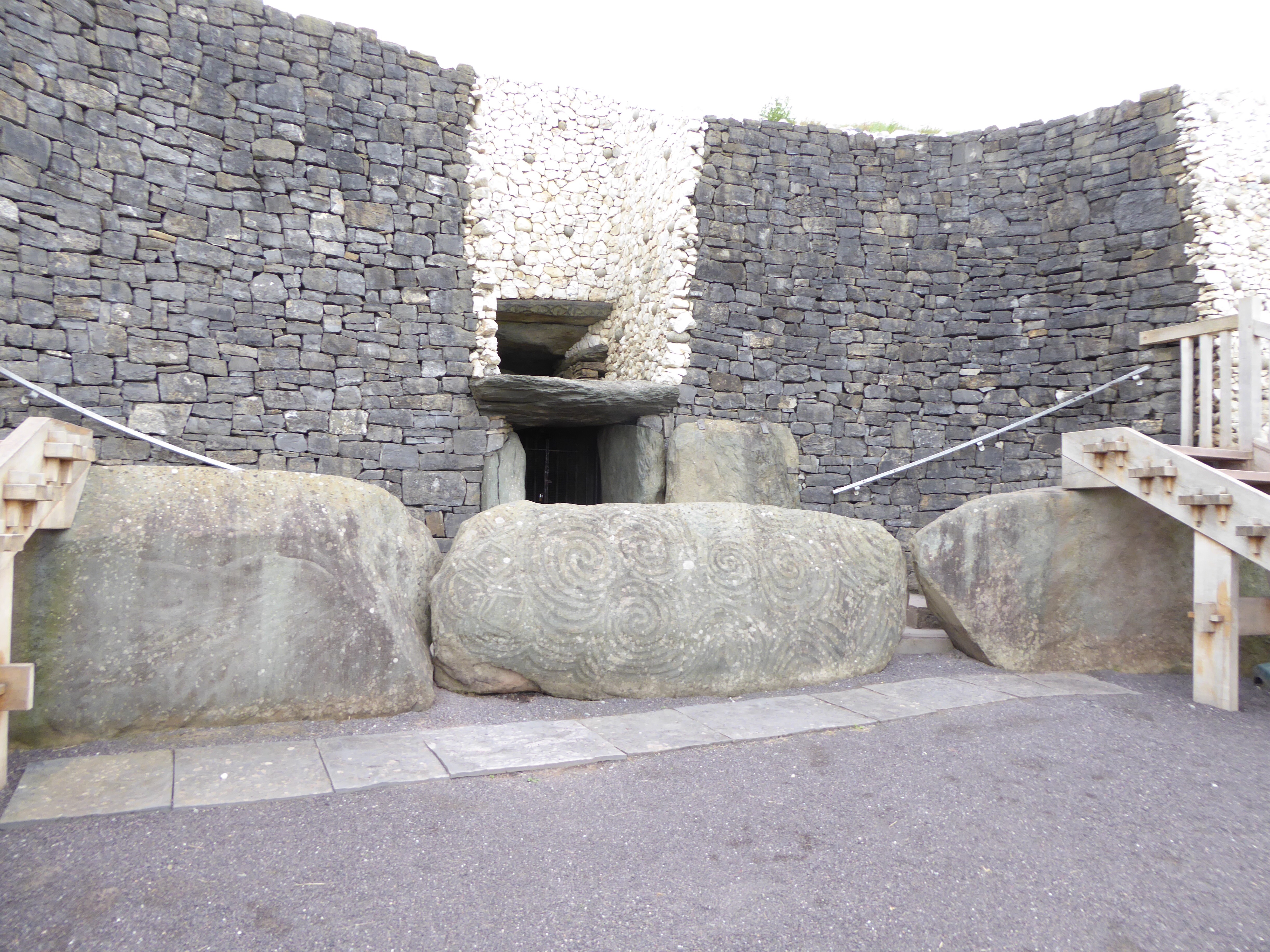
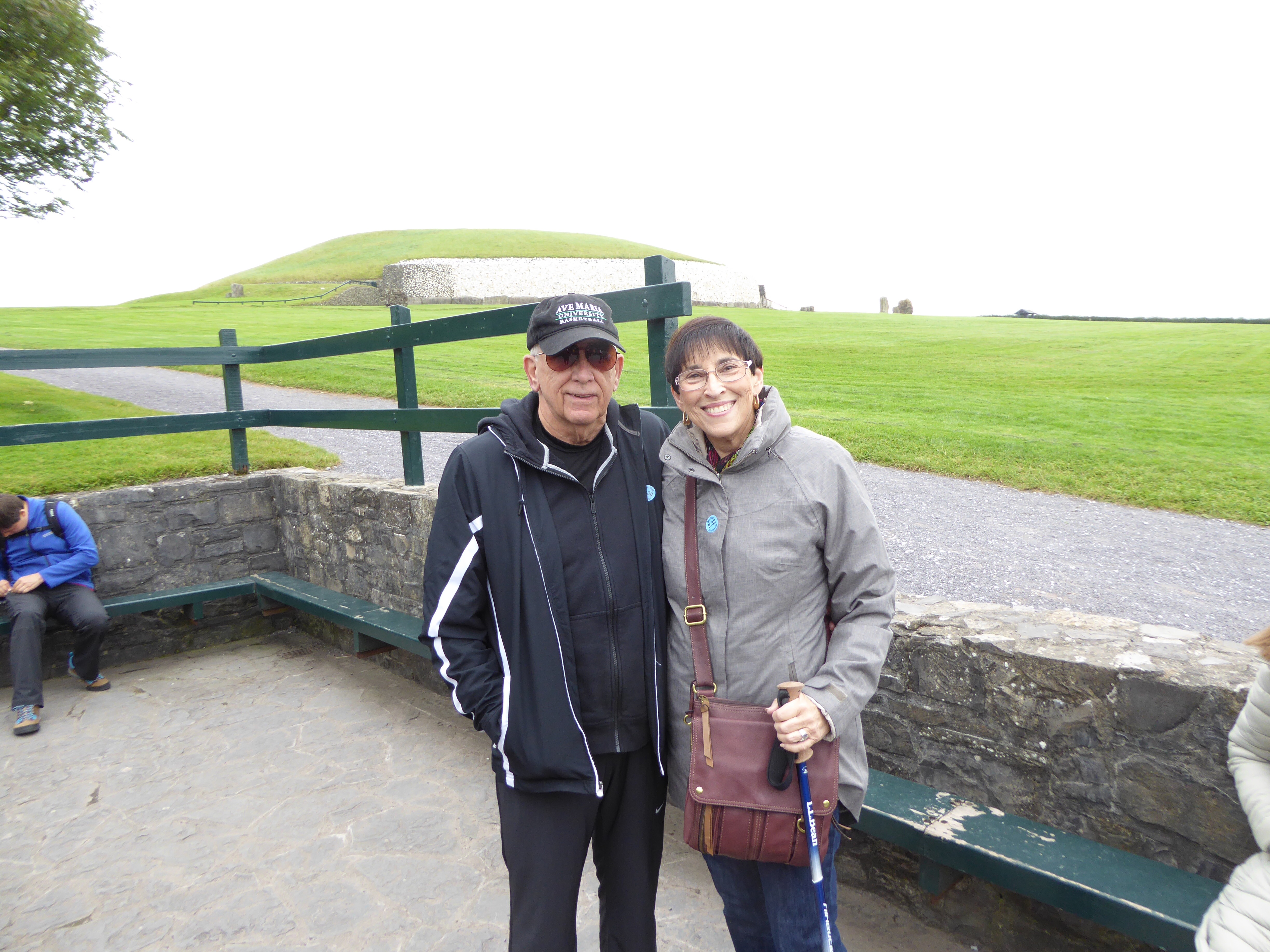
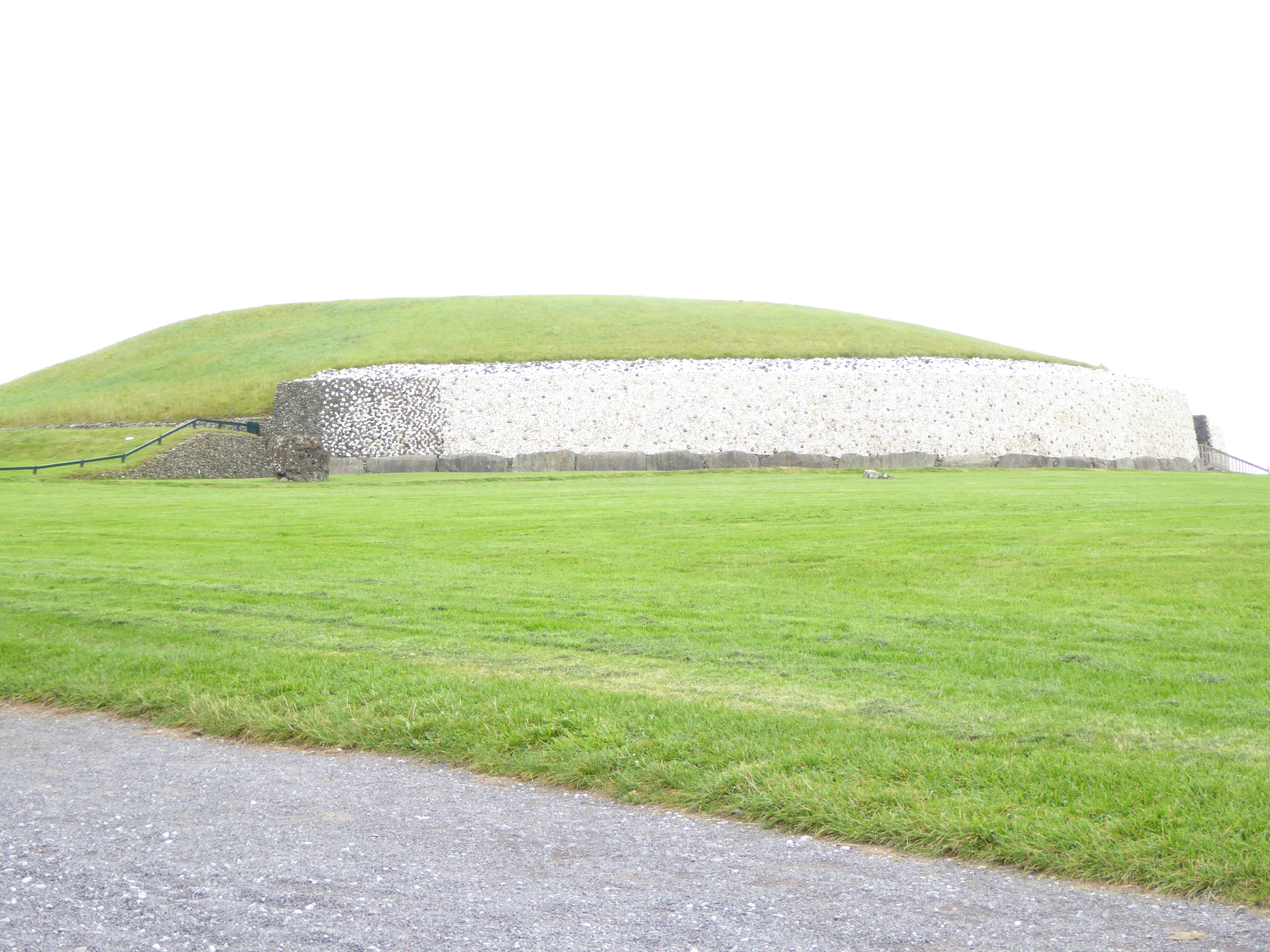
We left the city and headed to the Boyne Valley.  A famous battle was fought here, but we were here to see tombs built by Neolithic peoples.  There are over 40 tombs in this area, we went to Bru na Boinne, a UNESCO world heritage site.  At this site there are 3 major tombs/mounds.  The major one that we actually visited is called Newgrange.  It is over 5500 years old, older than the Pyramids and Stonehenge, built of gigantic stones and smaller rocks.  It lines up on the winter solstice with a beam of light entering the small box over the door and lighting up the interior chamber.  It was rediscovered in 1699 and the exterior has been reconstructed.  The interior is exactly the way it was when originally built.  To enter you had to duck down under low rock ceiling beams and go side ways through narrow passages.  It was quite something to see. The archeologists believe it took at least 3 generations to build.  The second mound is called Knowth and it lines up with the 2 equinoxes.  It too can be visited but we did not do that.  The last one is called Dowth and was destroyed by an explosion.  It lined up with the summer solstice.

Hieroglyphics on the entry stone


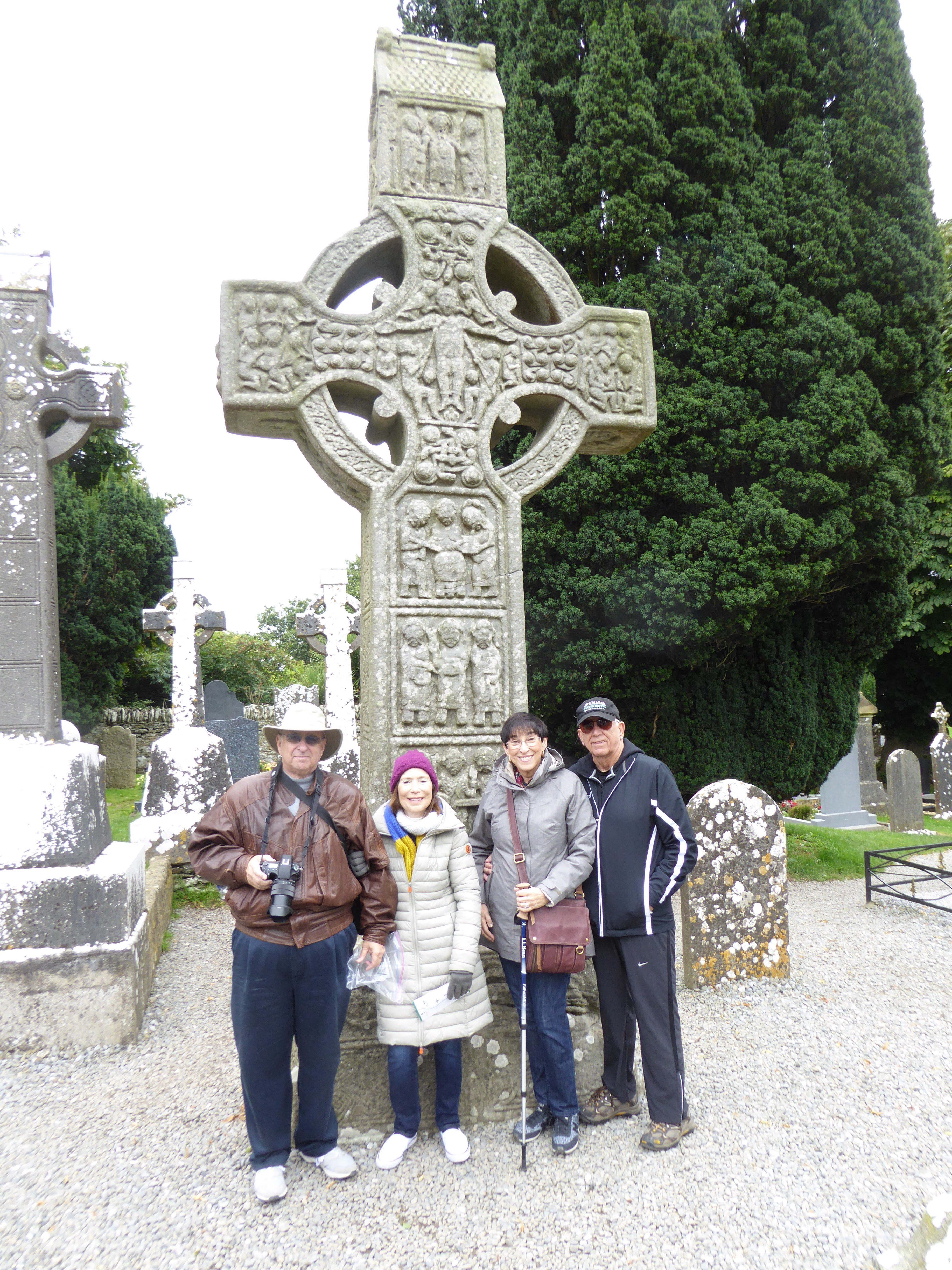
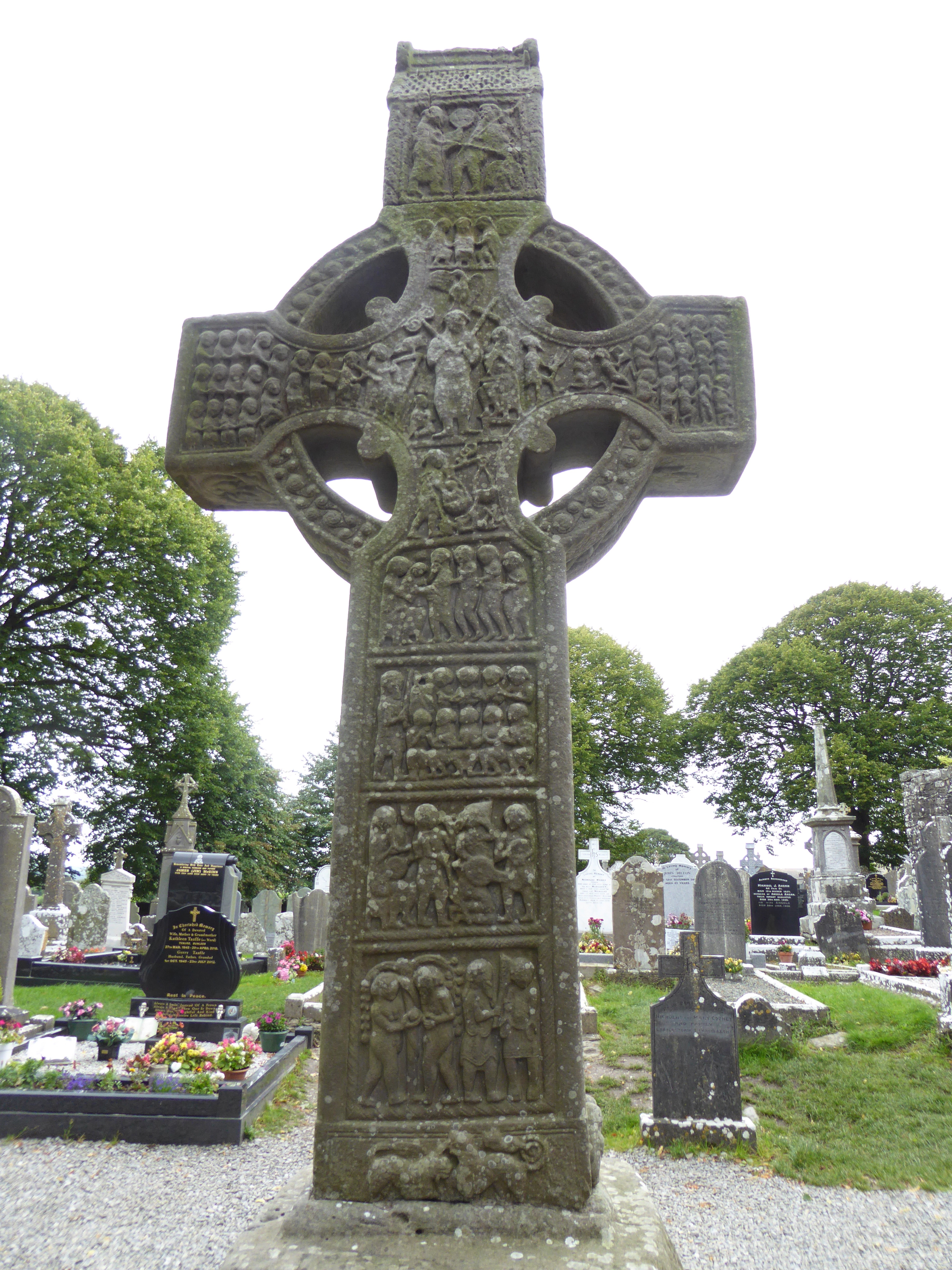
Our next stop was at Monasterboice, an old abbey.  There was a tall tower that dates to 1070.  It was attacked by the Vikings many times.  The monks moved the scriptures to the top of the tower to protect them.  There were two large carved, stone crosses, Murideach’s Cross and West Cross, which is the tallest in Ireland.  The cemetery was very peaceful with family grave plots that dated back hundreds of years.


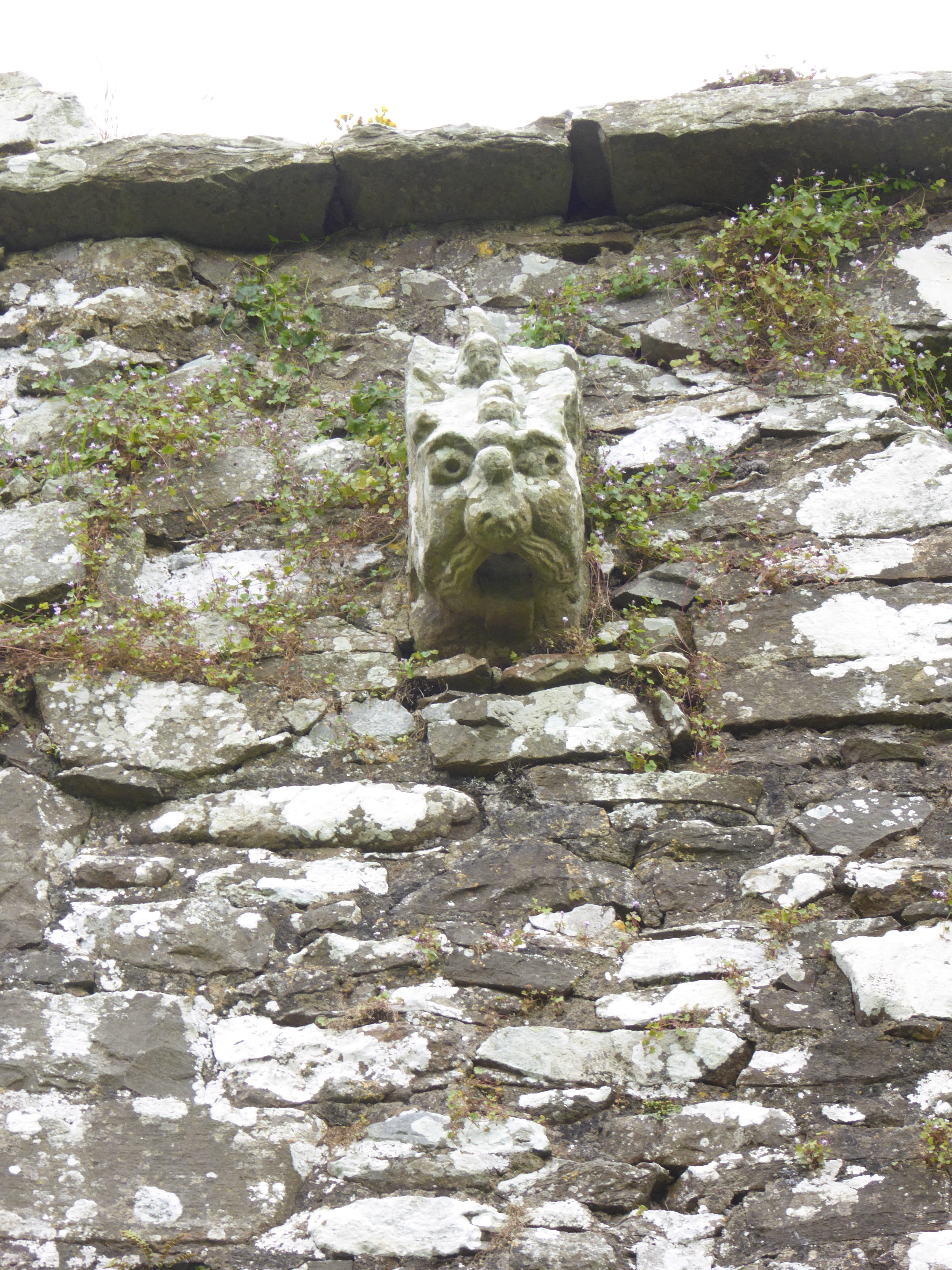
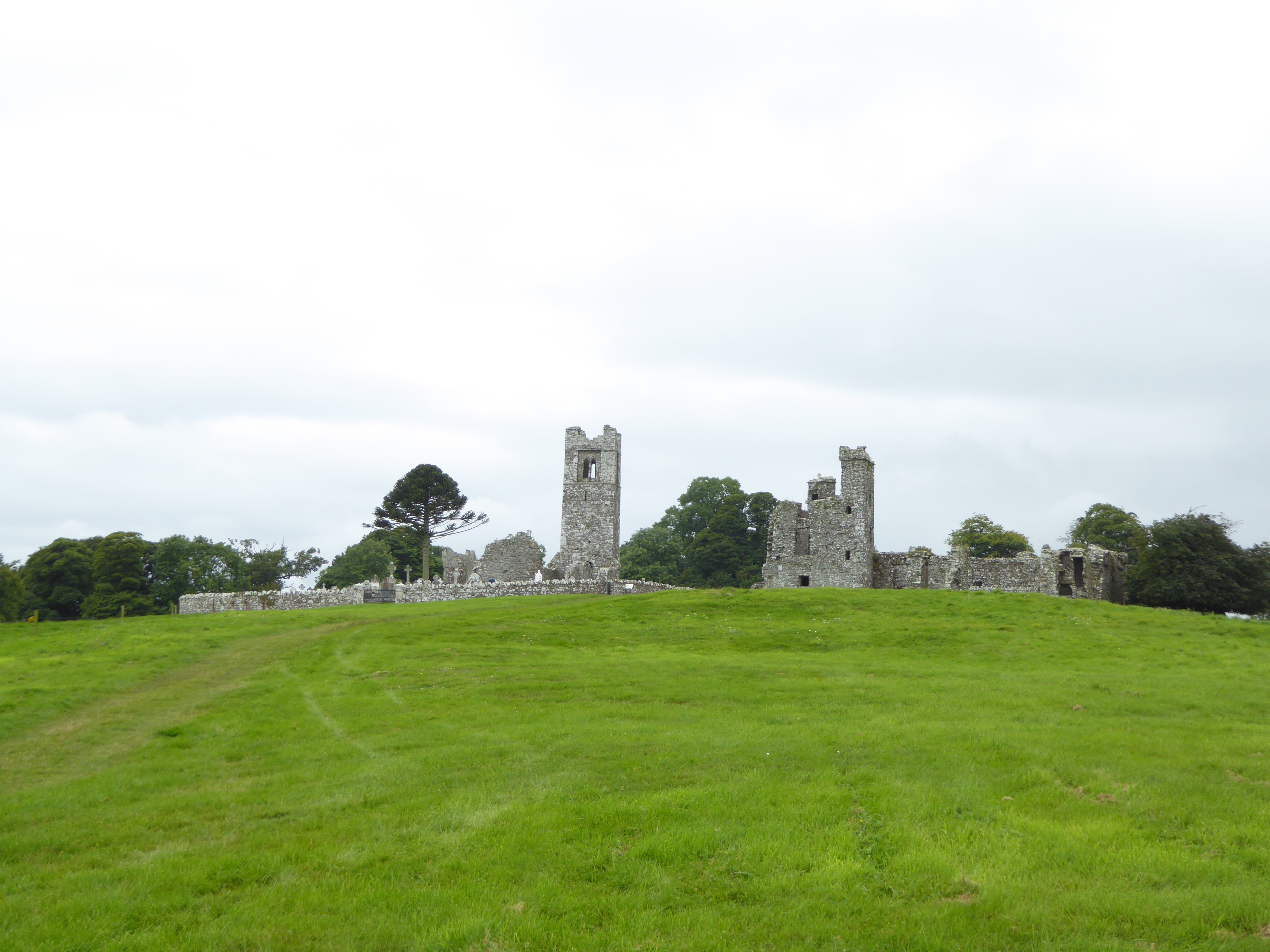
Our next stop was the Hill of Slane, where St. Patrick lit the first paschal fire in 433 which brought Christianity into Ireland.  Today, the people of the area still light the fire every year.  The Slane Abbey was built in 1512 and had hidden faces in various places.

Derek Smith with the family gravesite at Hill of Slane


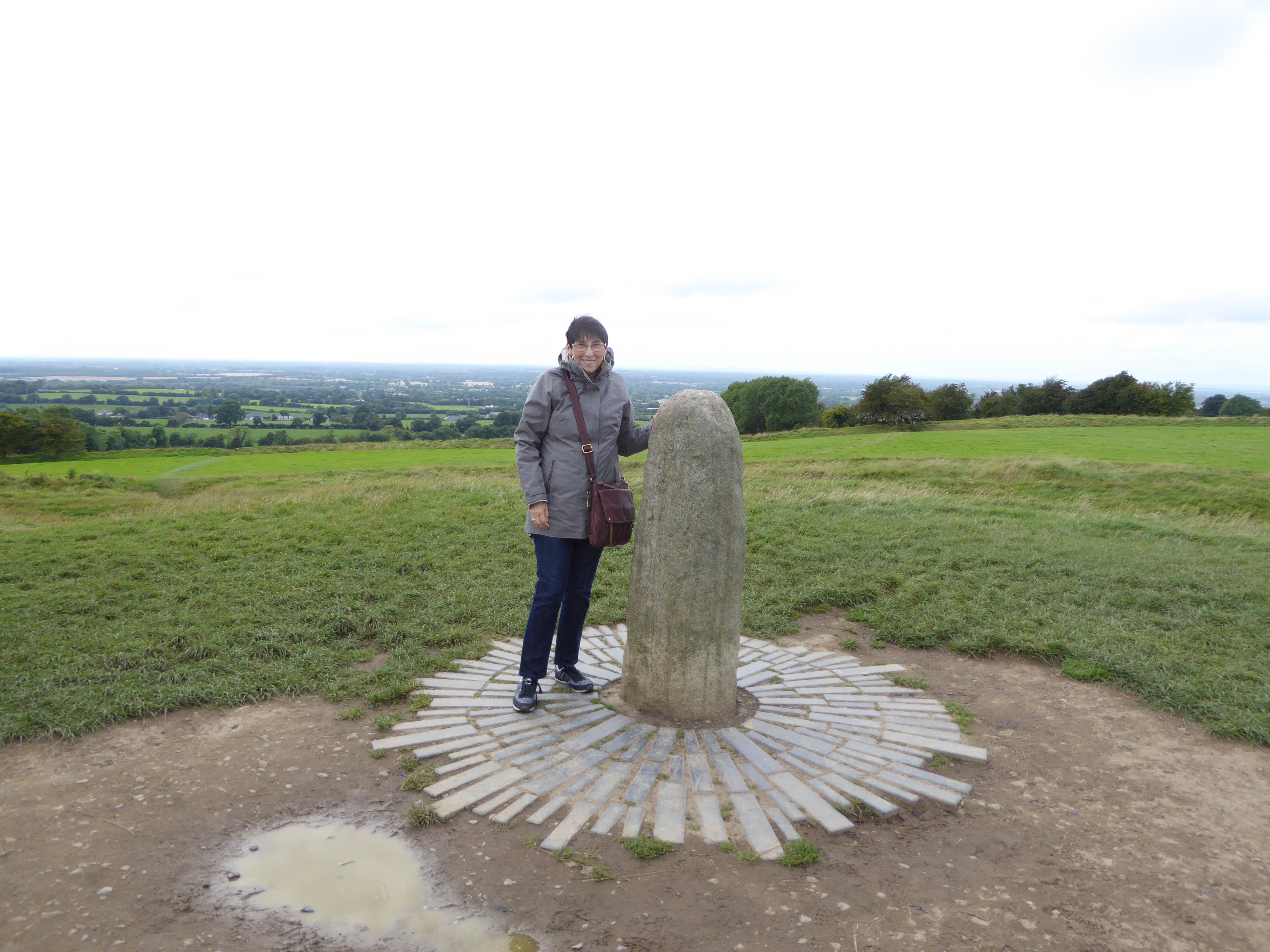
We next stopped for lunch at a delightful cafe right at the foot of the Hill of Tara.  It was at the Hill of Tara that the kings of Ireland were crowned.  Our guide explained some of the rituals – pagan rites that happened when a new king was being crowned.  One of the most famous kings was Loegaire and they have traced his DNA to a good portion of the people in Europe today.  They only had one queen, named Maeve.

This is what the site looks like. When you are on the ground you can’t get this view.


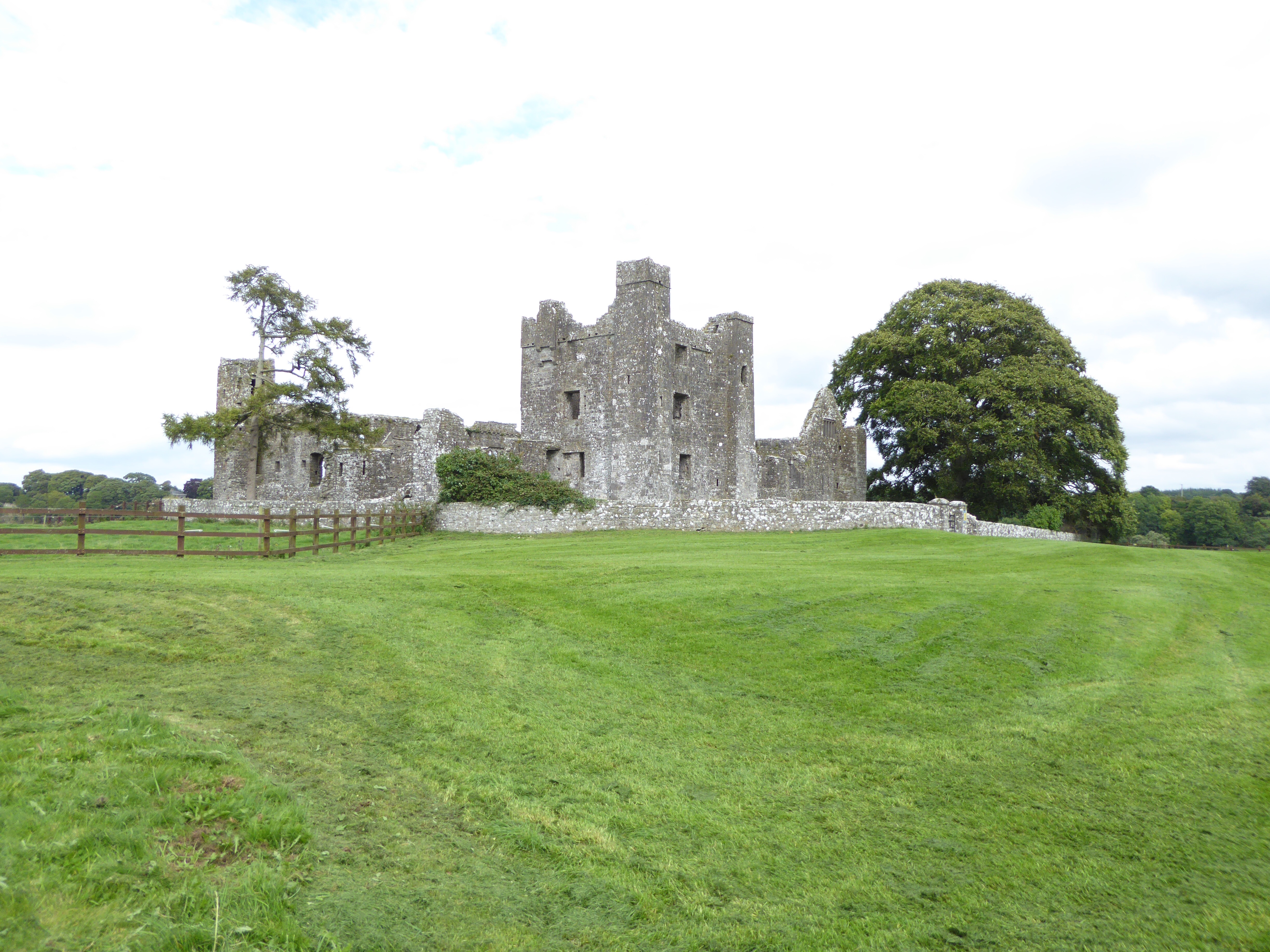
We made a quick photo stop at Bective Abbey, the second oldest monastery in Ireland dating to 1147.  The trees surrounding it are about 410 years old.  At different times it was a monastery, mansion and castle.  We could see the different renovations that had been made over time.


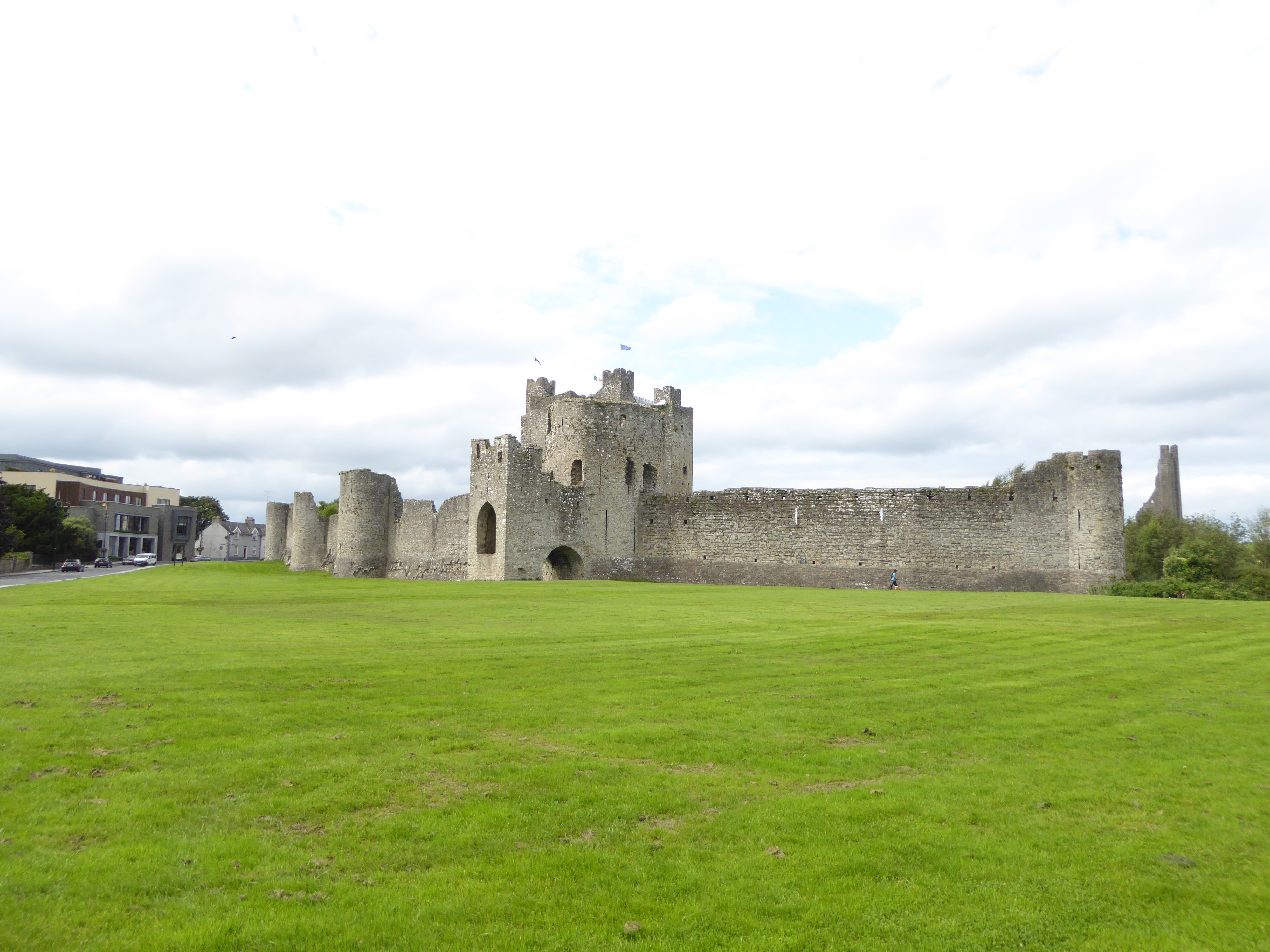
The last stop of the day was at Trim Castle.  It was built in 1173, is the largest Anglo-Norman castle in Ireland and 3rd largest in Europe.  It is in the center of the town of Trim and had been idle from 1446 to 1991.  It is now part of the National Trust and being maintained.


We had a long day, but a very interesting one.

Categories: Uncategorized | 3 Comments

Blog at WordPress.com.