Monthly Archives: May 2026

Potsdam and then on to Berlin

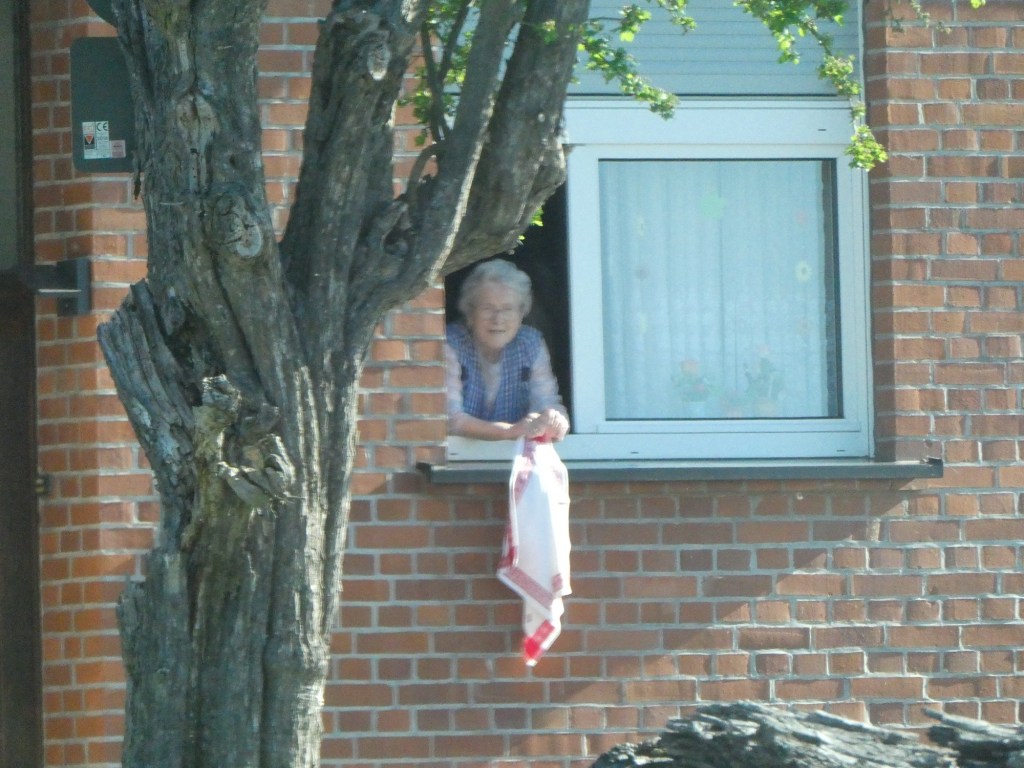
We left the ship this morning for the final time. The day was organized with a ride of 1 hour to the town of Potsdam. We had a tour in Potsdam with time for lunch. Then we transferred to Berlin. The sign saying you are in Berlin was only 10 minutes into our ride, but to actually get to the heart of Berlin and our hotel took an hour. When we left the ship there was an older woman who waved at all the buses each time we left the boat.

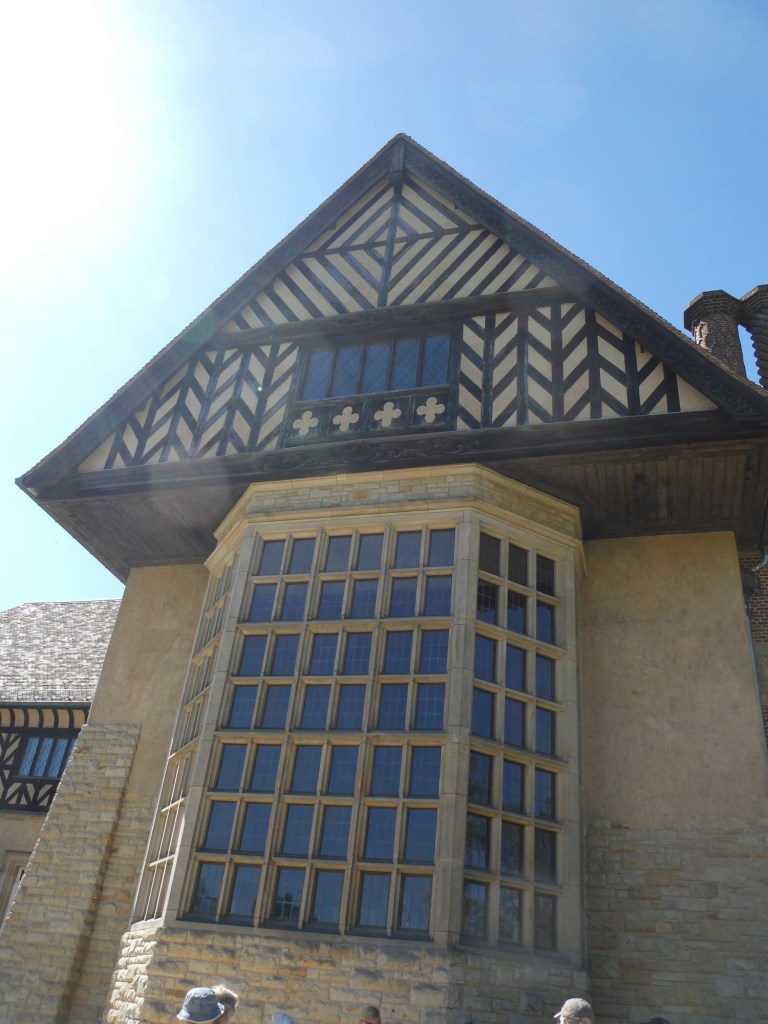
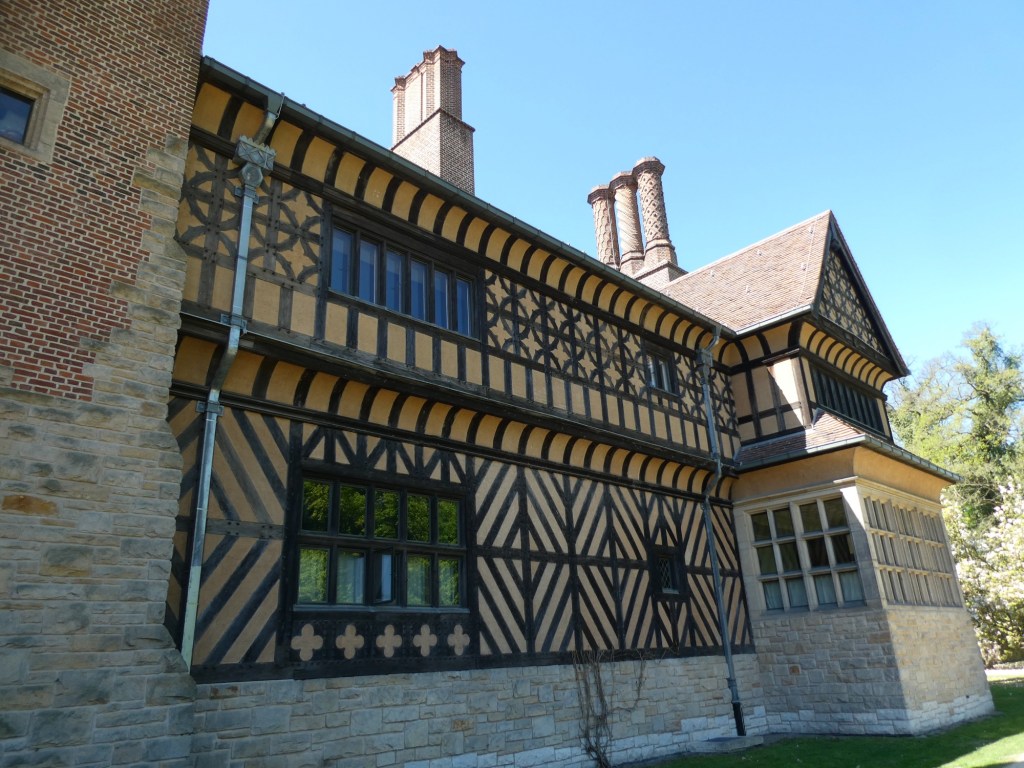
Potsdam is the capital of the Brandenburg region of Germany. It means under the oaks. It is famous for the Potsdam Conference which was held at the end of World War II to divide up Germany. The leaders at this conference were Stalin, Churchill and Truman. The purpose was to also denazify Germany, deal with war criminals and to support democracy. We toured the exterior of the palace where the conference was held. They only made an agreement not a treaty. It was held at Schloss Cecilienhof. This was the start of the Cold War.
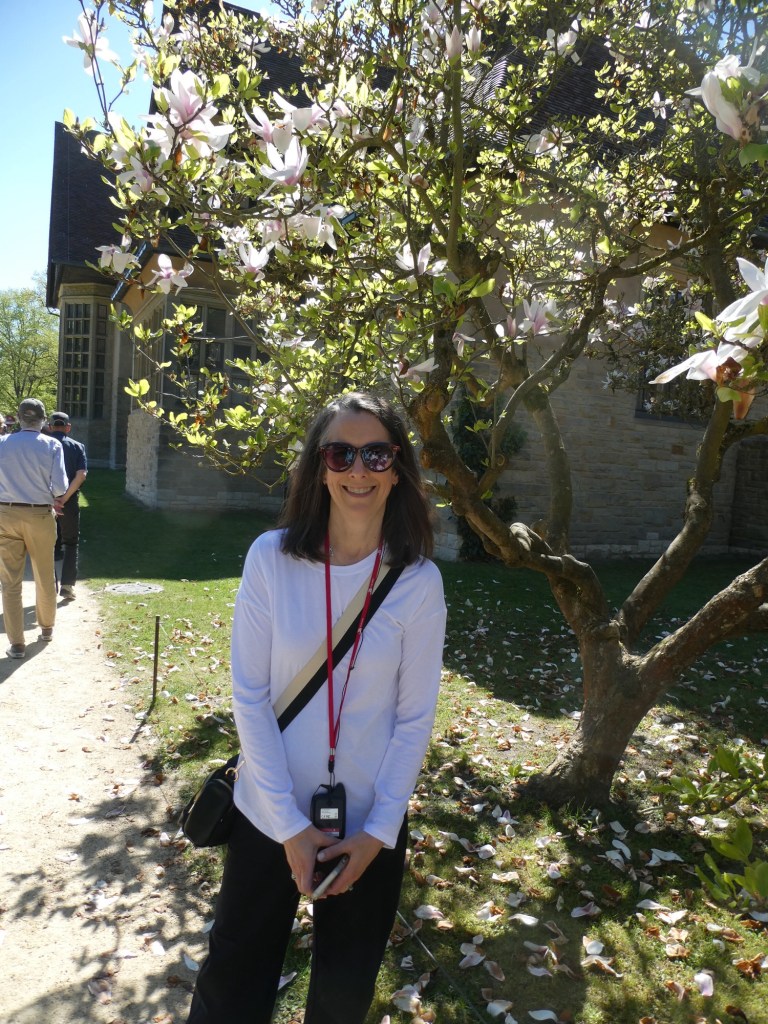
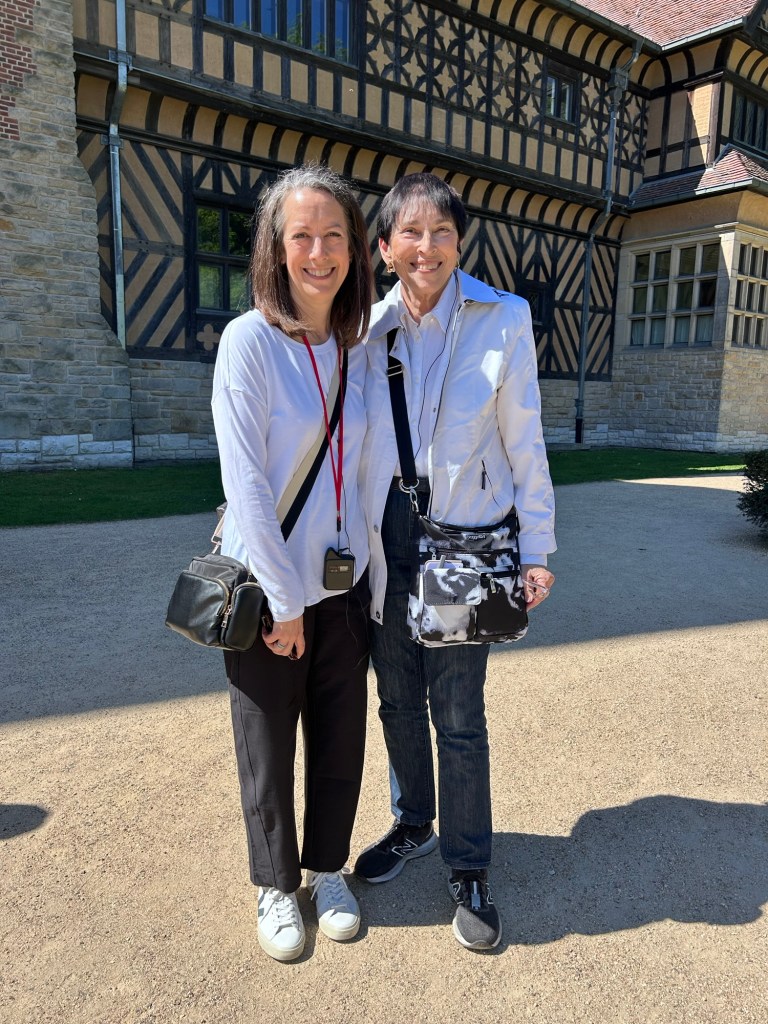
Magnolia tree and Jen
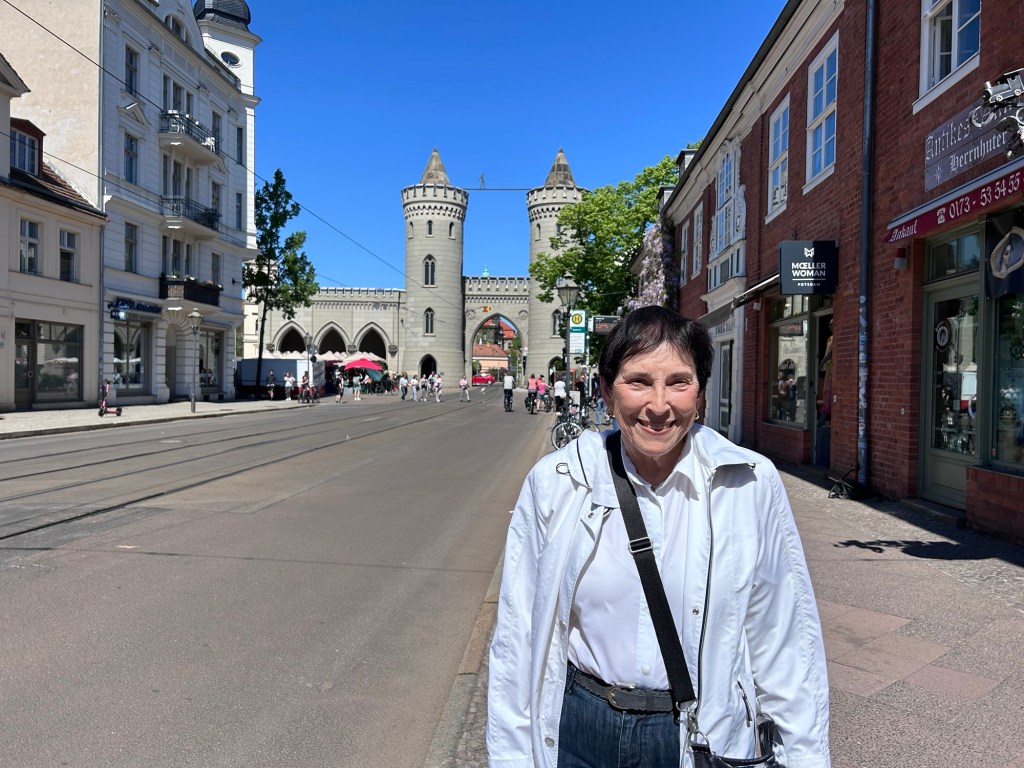
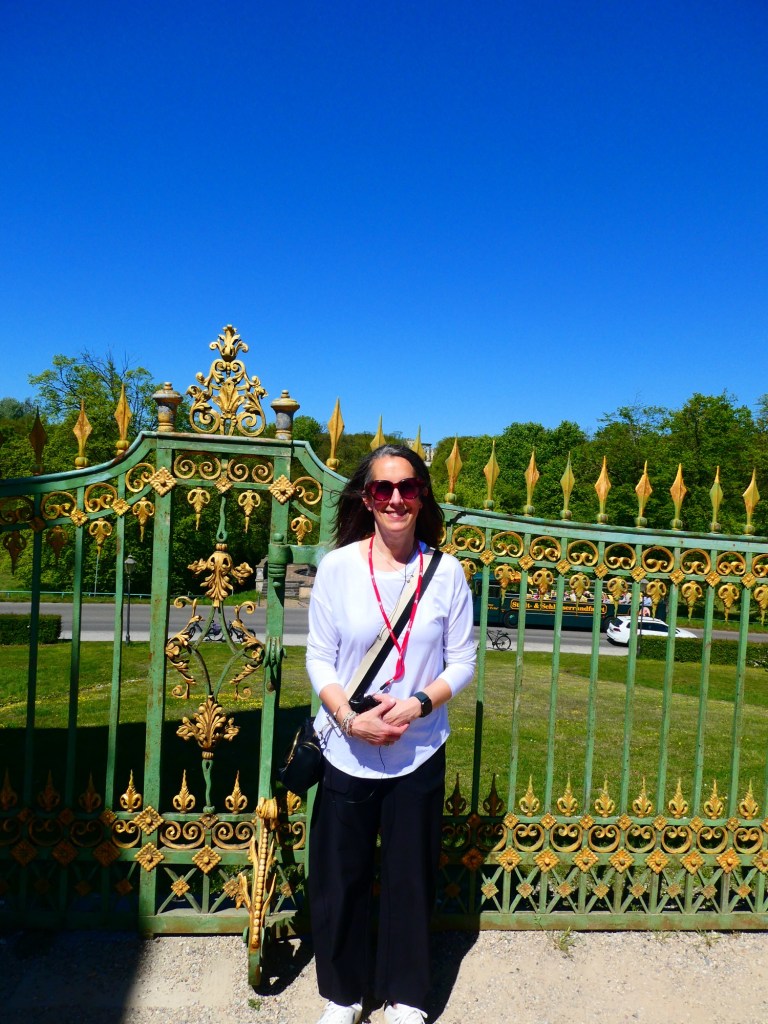
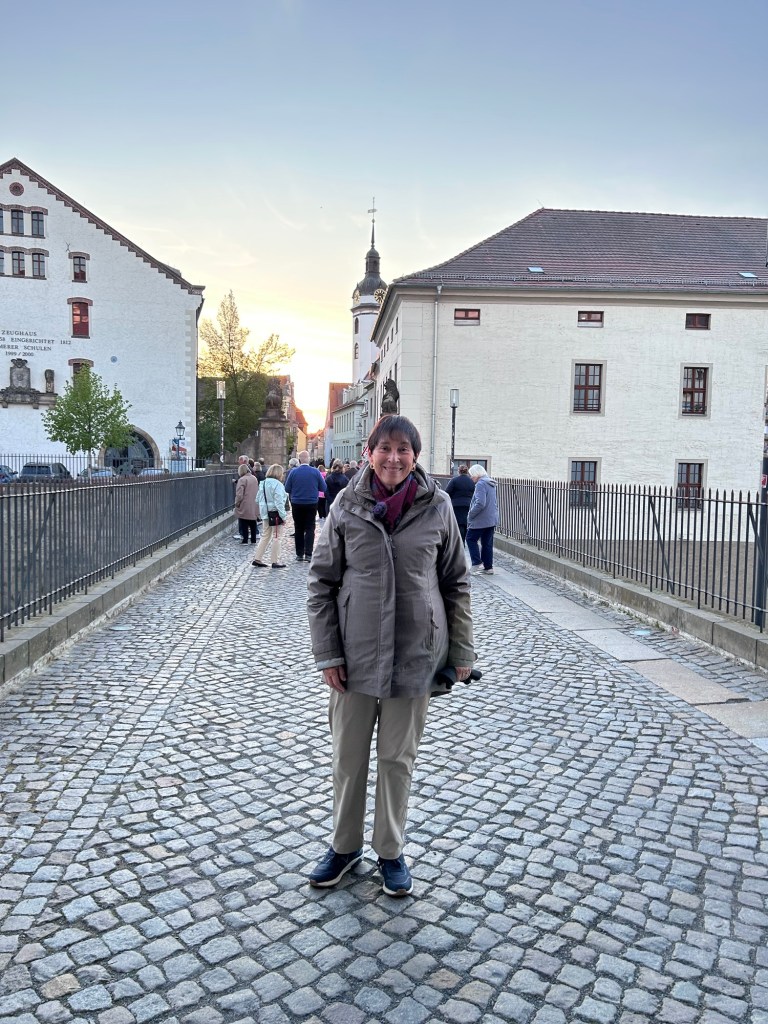
Green Gate in Potsdam
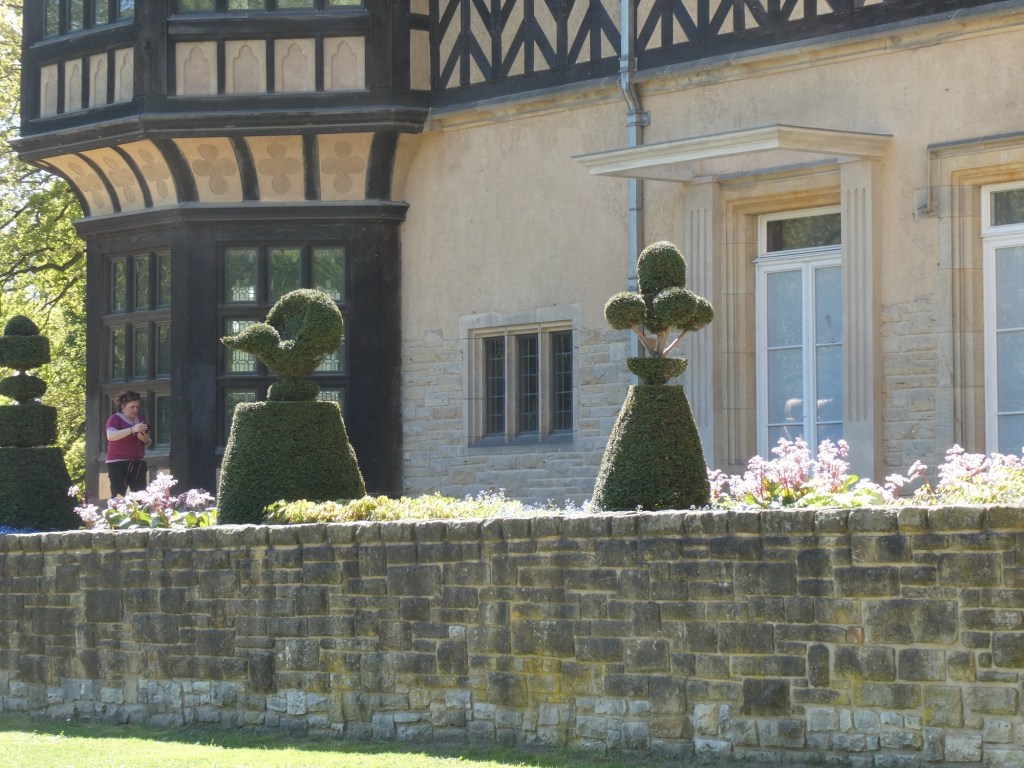
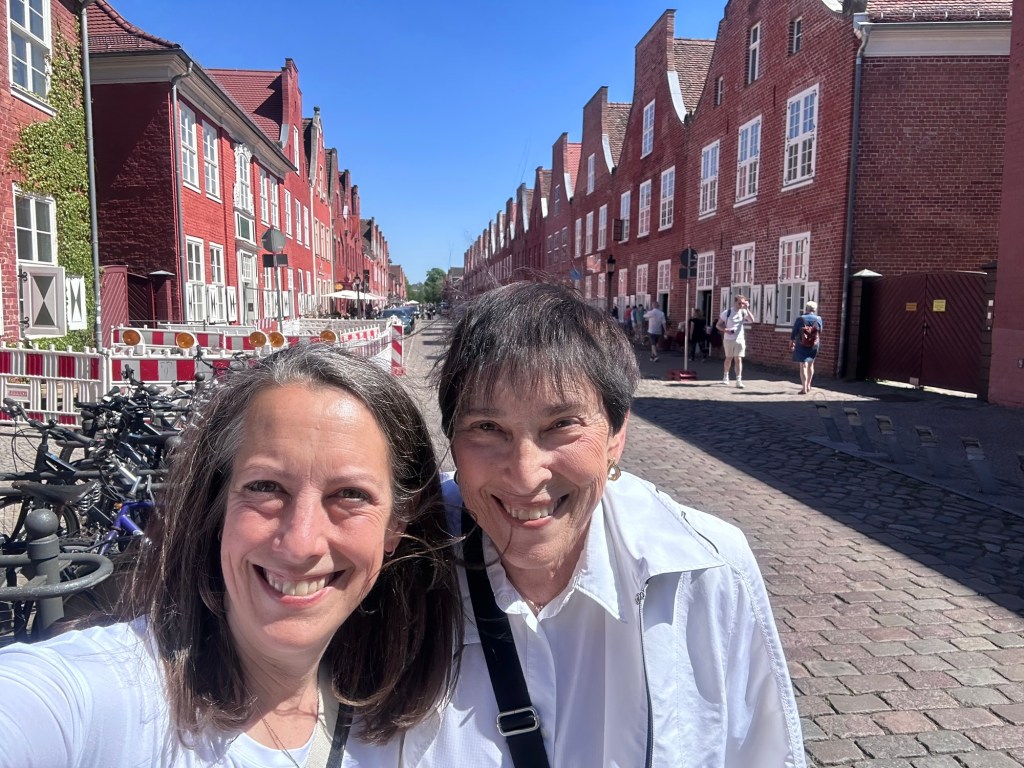
Dutch area in Potsdam

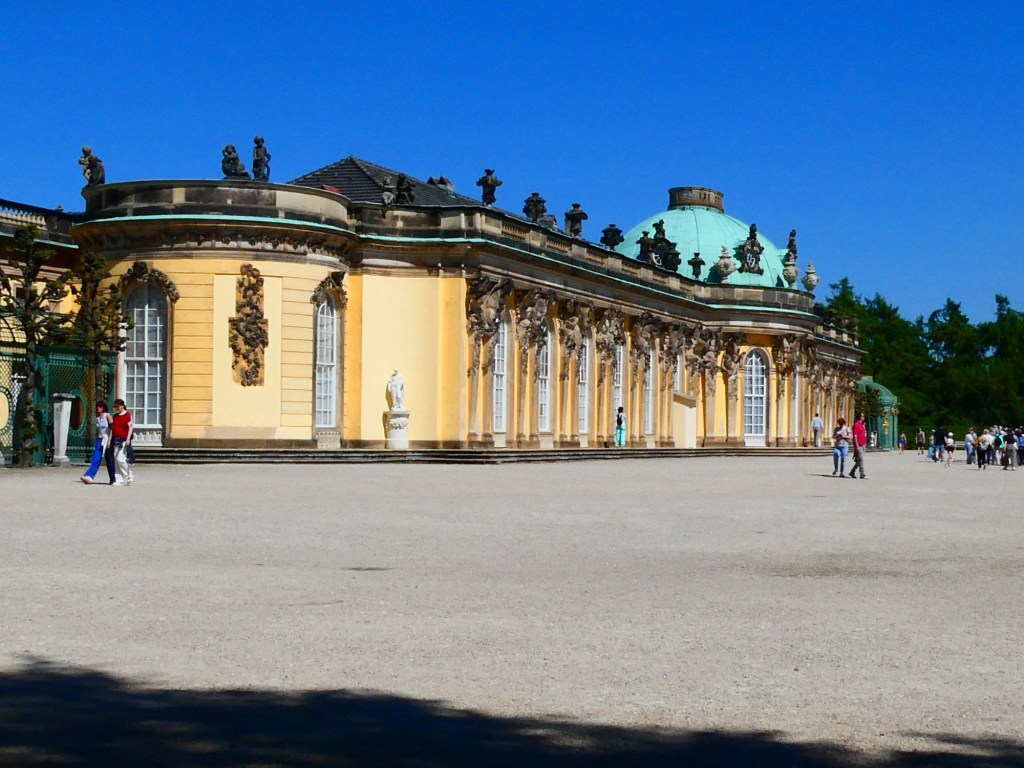
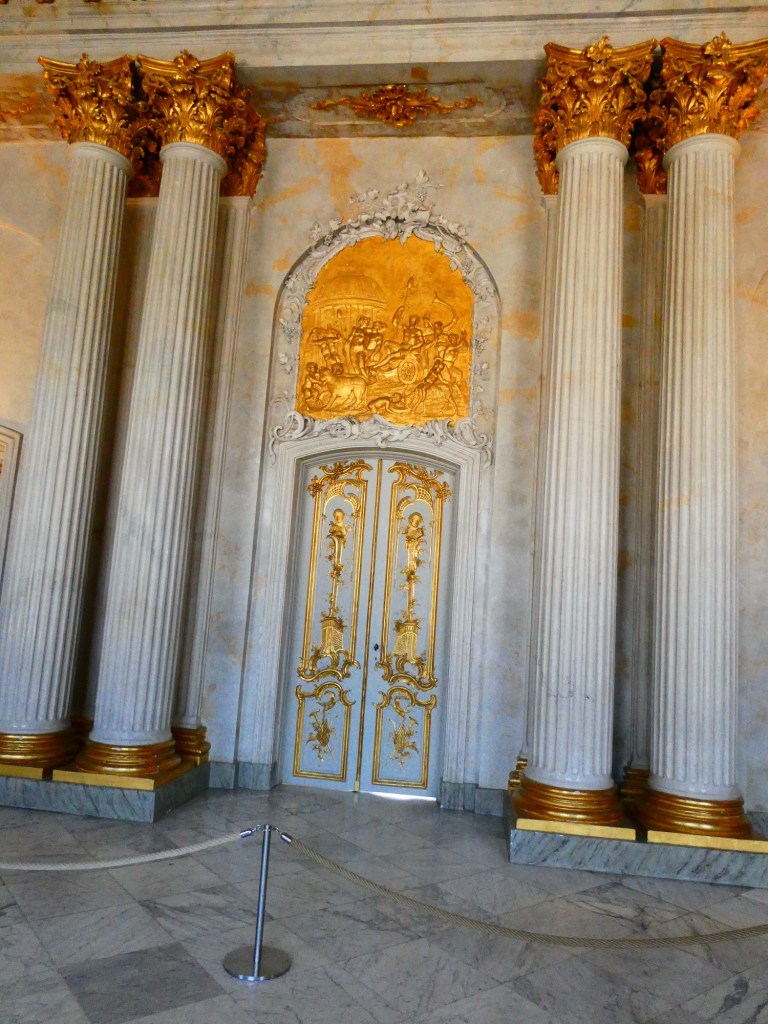
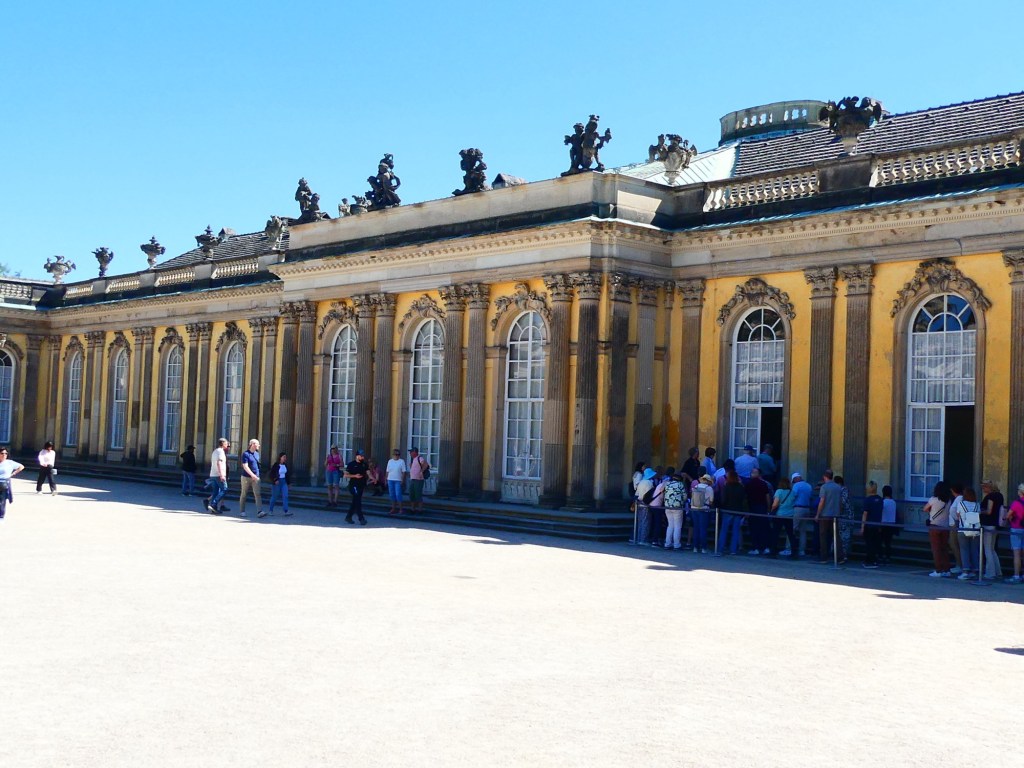
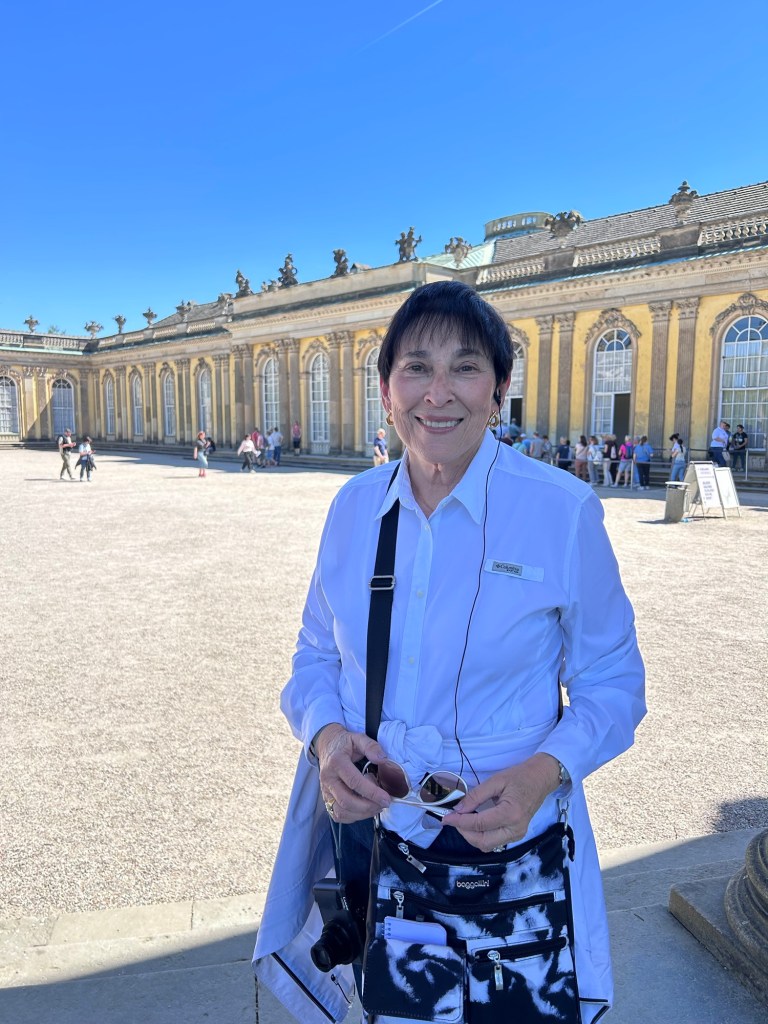
We then went to our second stop which was Sanssouci Palace. It was built for Frederick the Great in only 2 years. It is a small palace and was only used by him. He had a well stocked library of over 2,000 books all bound in red calfskin. Frederick the Great came into power at the age of 28 in 1740. The decorations were very ornate. The palace was in a huge park.
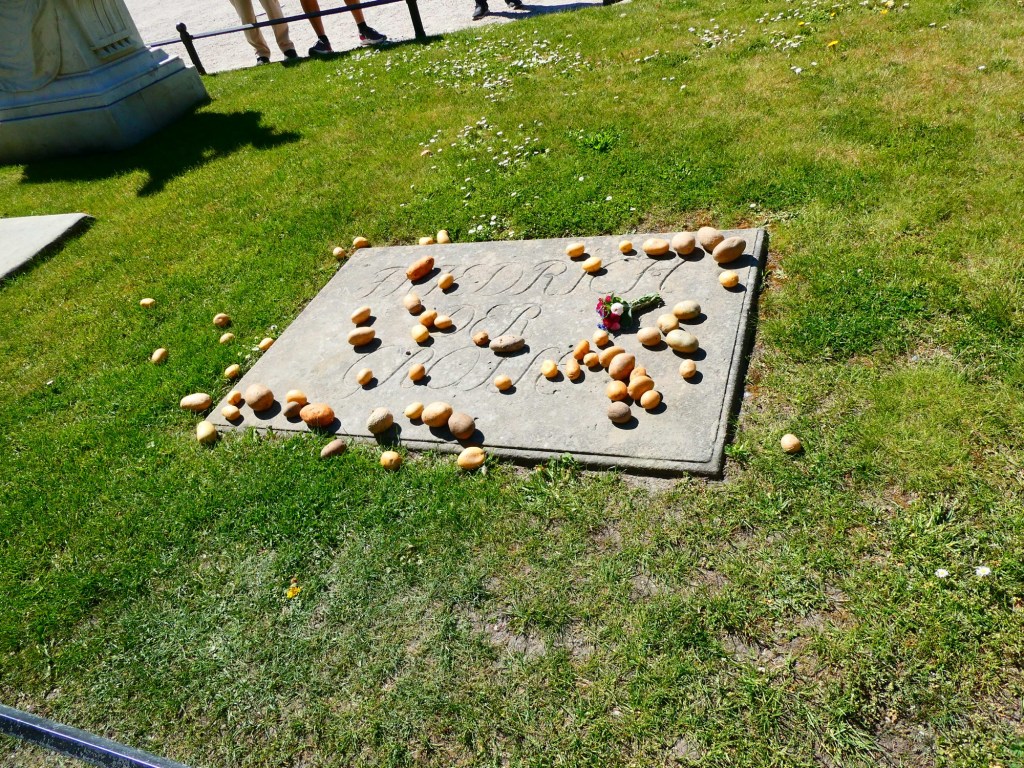
Frederick the Great’s grave covered in potatoes
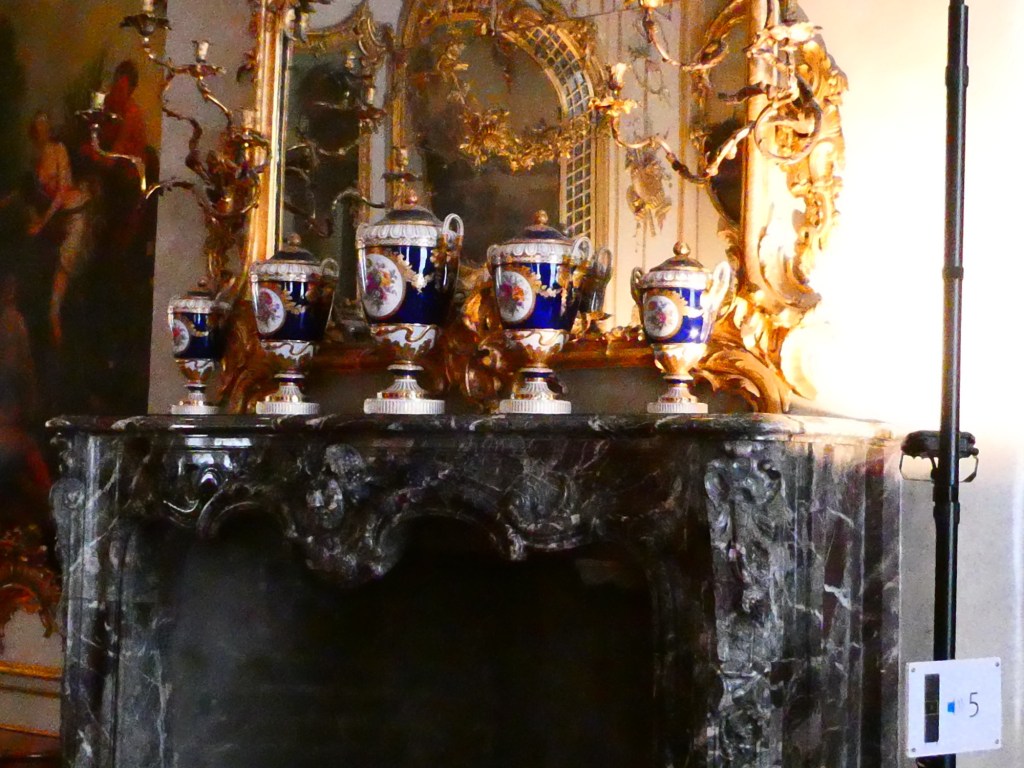
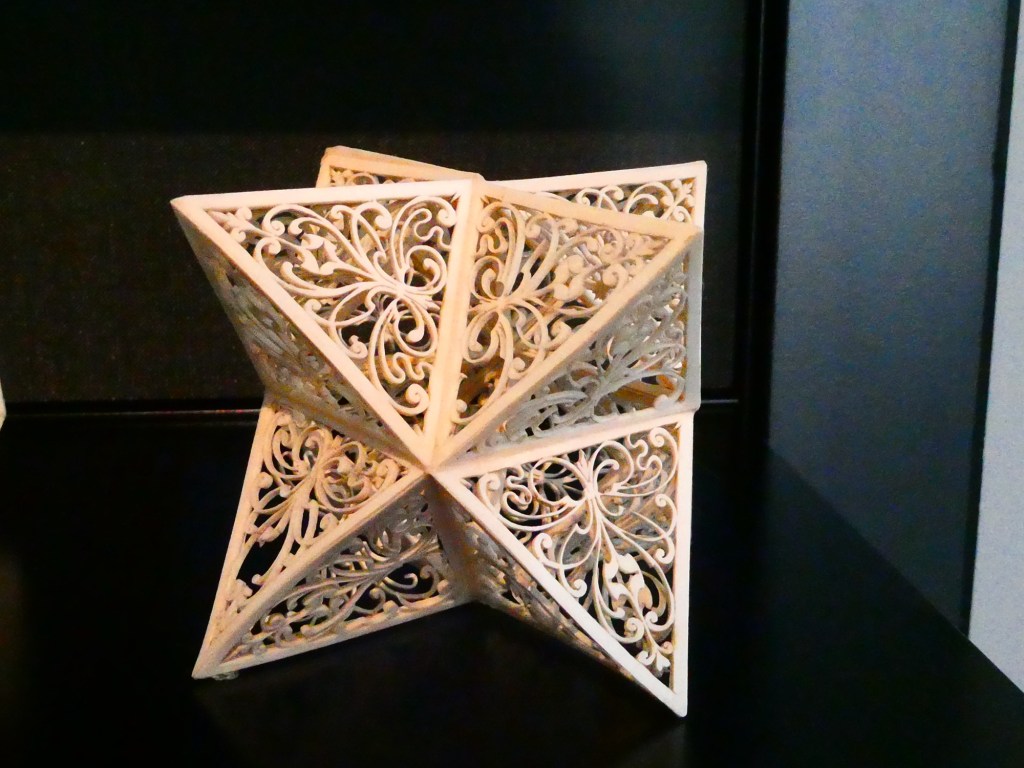
Meissen vases

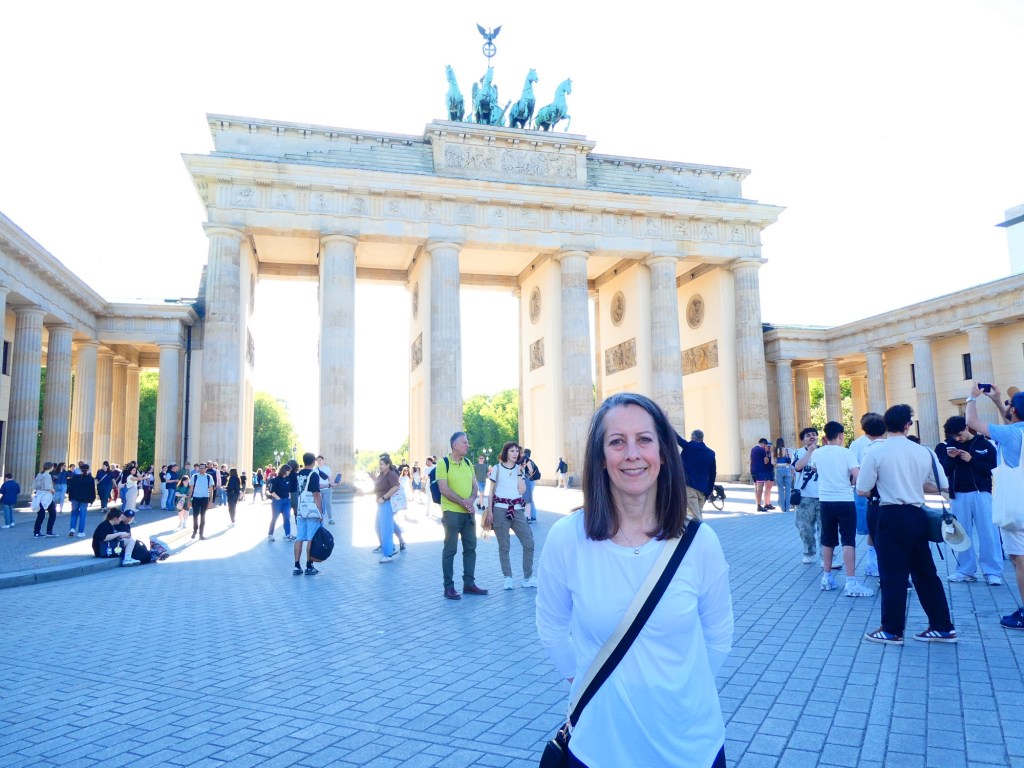
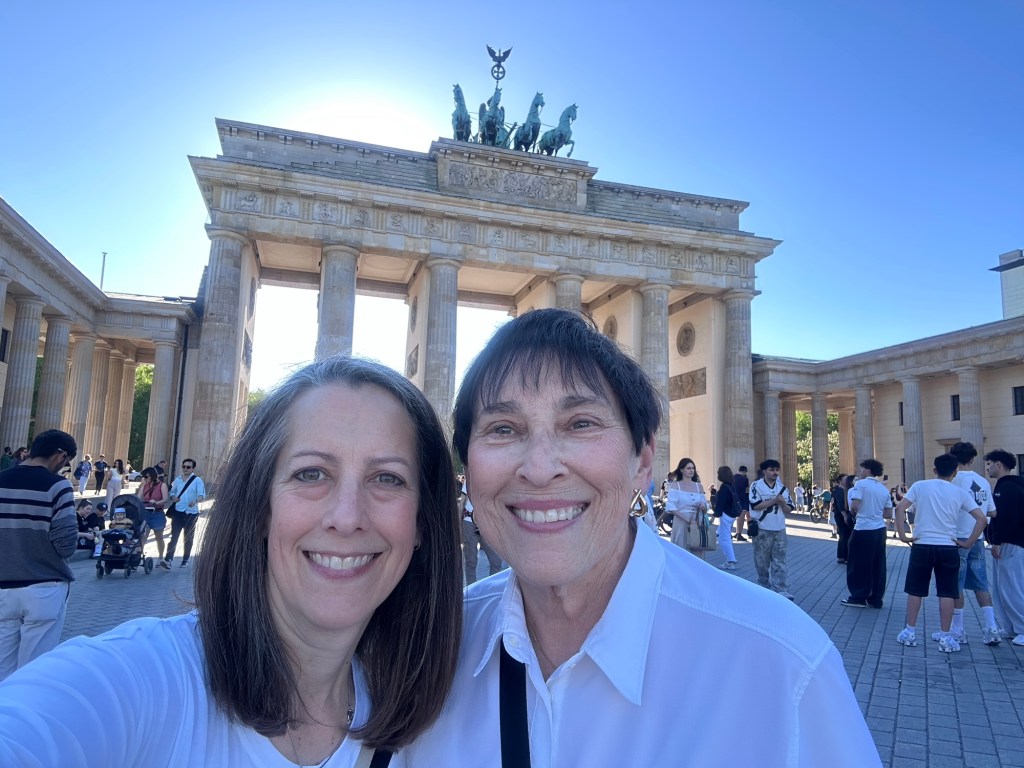
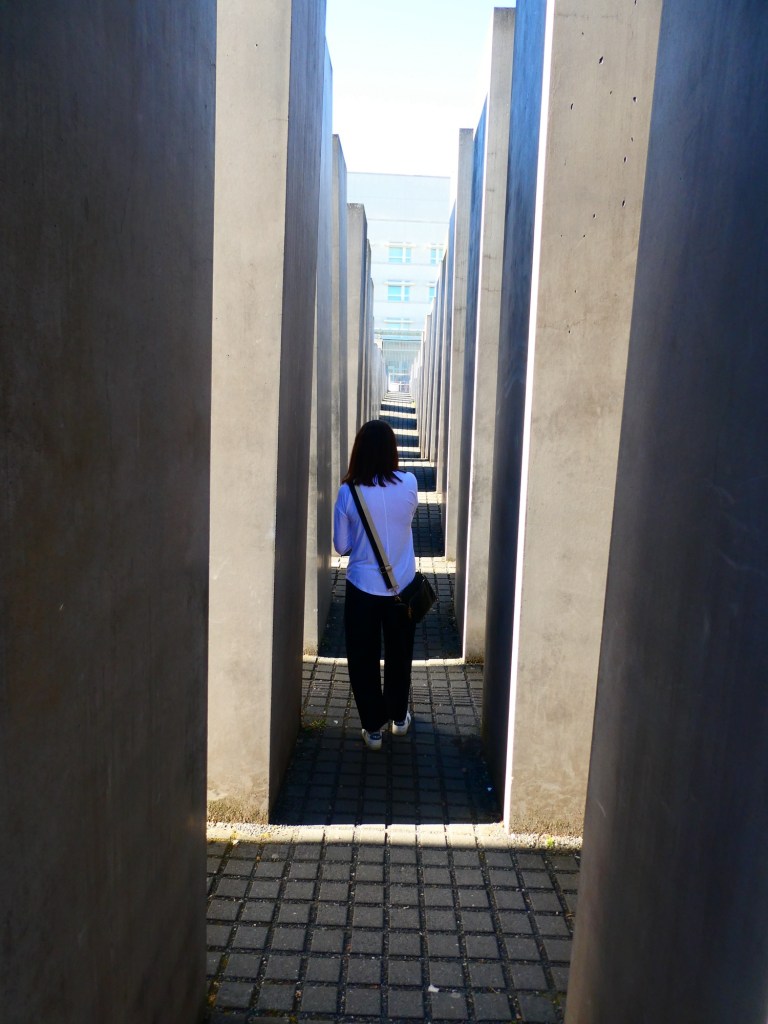
Upon arriving in Berlin, Jen and I walked to the Holocaust Memorial and the Brandenburg Gate. We then had a wonderful dinner at Berta.
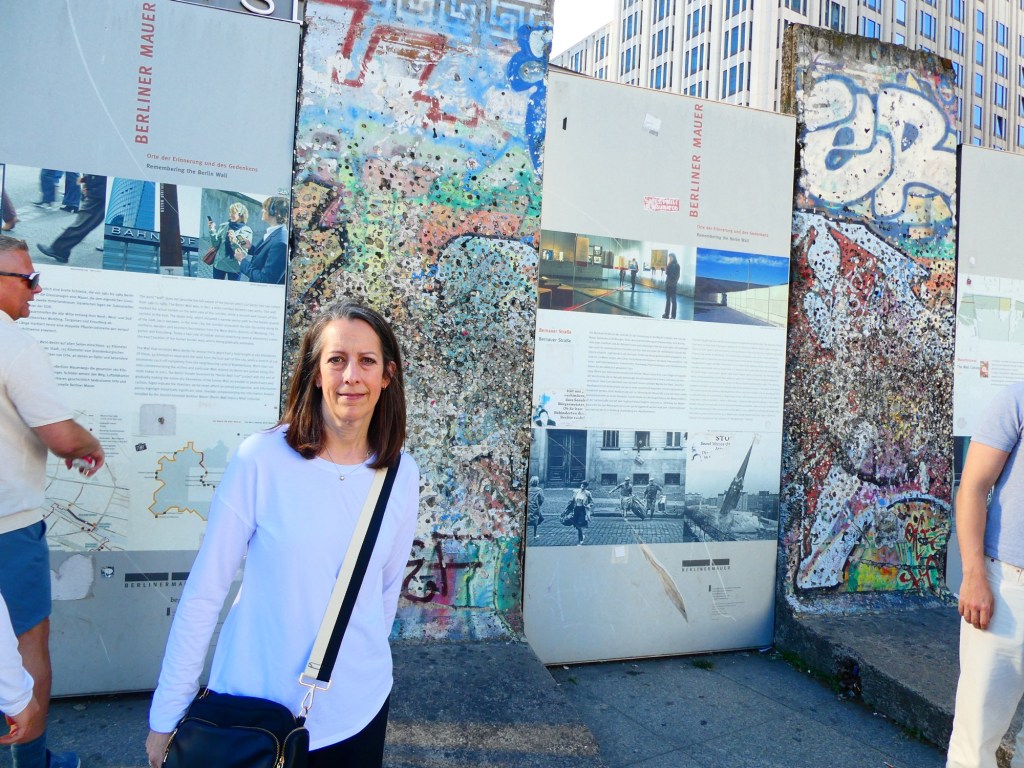
A section of the Berlin Wall
Categories: Uncategorized | Leave a comment

Wittenberg

We sailed most of the morning from Torgau to Wittenberg. About 7 kilometers from Wittenberg the ship usually spins around and they back into the docking area. Unfortunately the river has grown even more shallow and they could not turn the boat as needed. So we ended up sailing into Wittenberg going forward. This posed no problem for us, but the next cruise will not be cruising, they will be parked here and bused to the sightseeing events. Then half way through the cruise, they will have to pack up and transfer to the boat that is now stuck in Dresden for the rest of their trip. We were so fortunate to not have that happen to us.
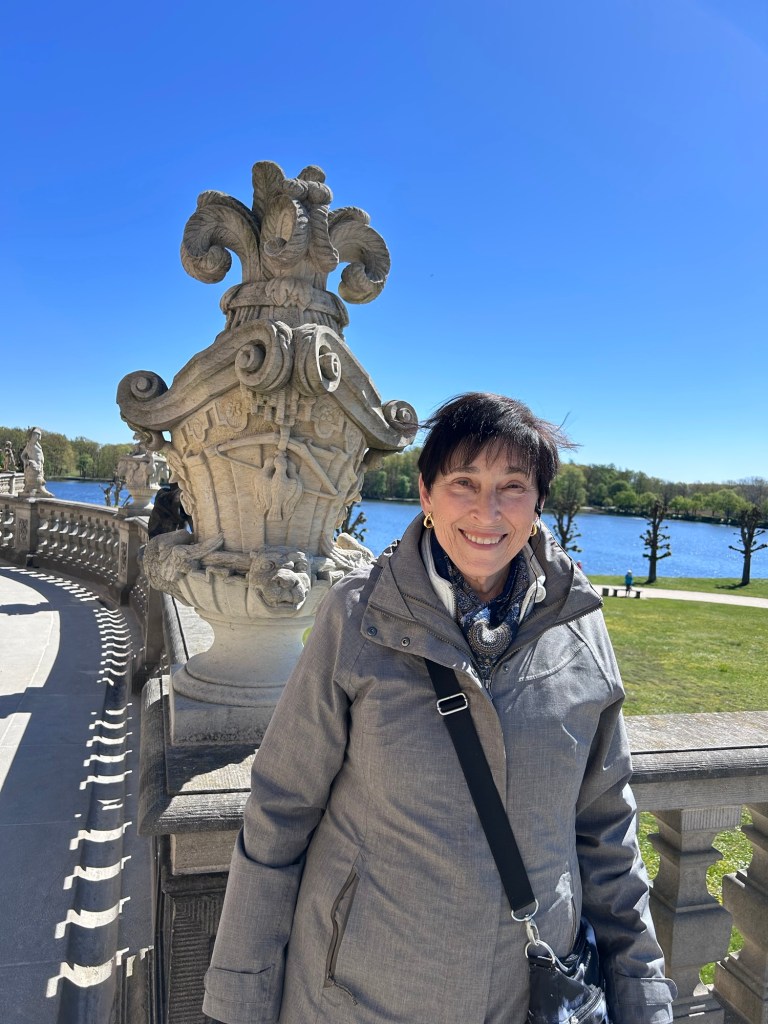
Wittenberg currently has a population of about 50,000. It is in the area called Saxony. It has 4 UNESCO World Heritage Sites. Our tour focused on Martin Luther. He was the reformer who changed the religion from the Catholic way of thinking to a more liberal way. The Lutheran Church follows his beliefs.

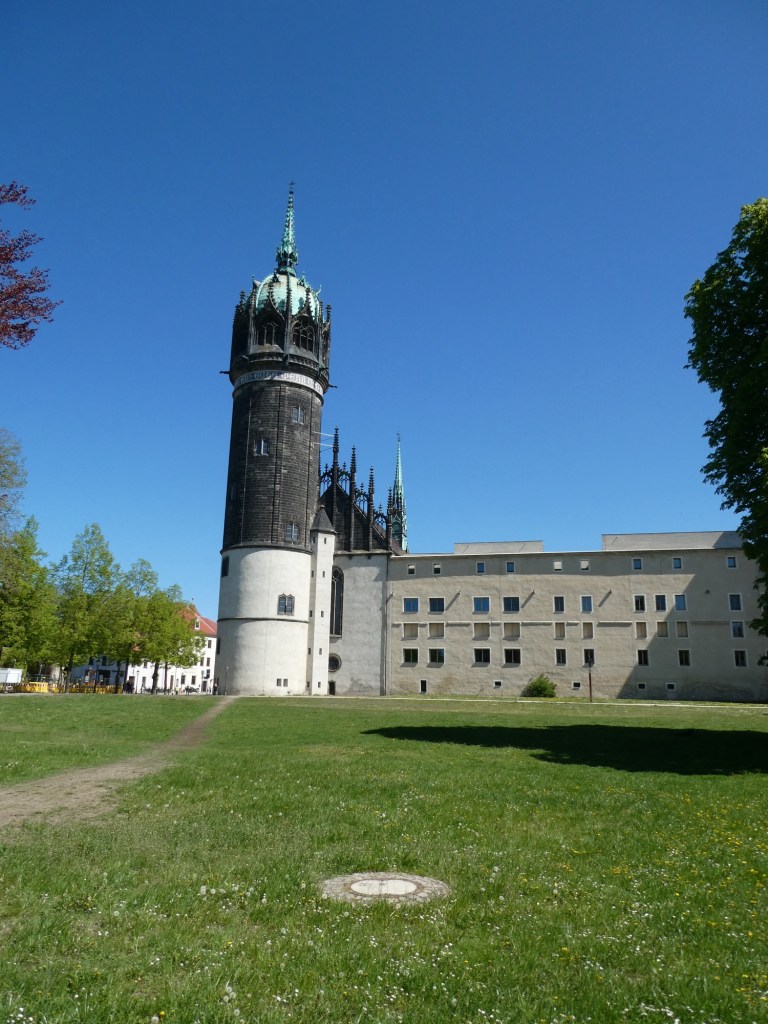
We visited the Castle Church which was built by Frederick III, also called Frederick the Wise. It was built in 1506, with the tower being added in 1842. The large church was built for the exclusive use of the king.

Martin Luther was a monk who came to Wittenberg to become a teacher at the University. He found that he had more ideas about religion and on October 31, 1517 the reformation of the church started with Luther posting on the church doors his 97 treatise. In 1534, the Luther bible was printed, which was a translation of the bible of the times into what became the current German language.

He eventually marries a woman named Katharina who was a nun. He helped her and 11 other nuns escape from their house. He married her because she was very smart. They had a home in which they housed students. They also fed the poor and had 6 children. Every year in June, Luther and Katharina had a marriage ceremony.

There is a garden in his name with 500 trees from around the world. His symbol is the Luther rose and the town has Luther bread.

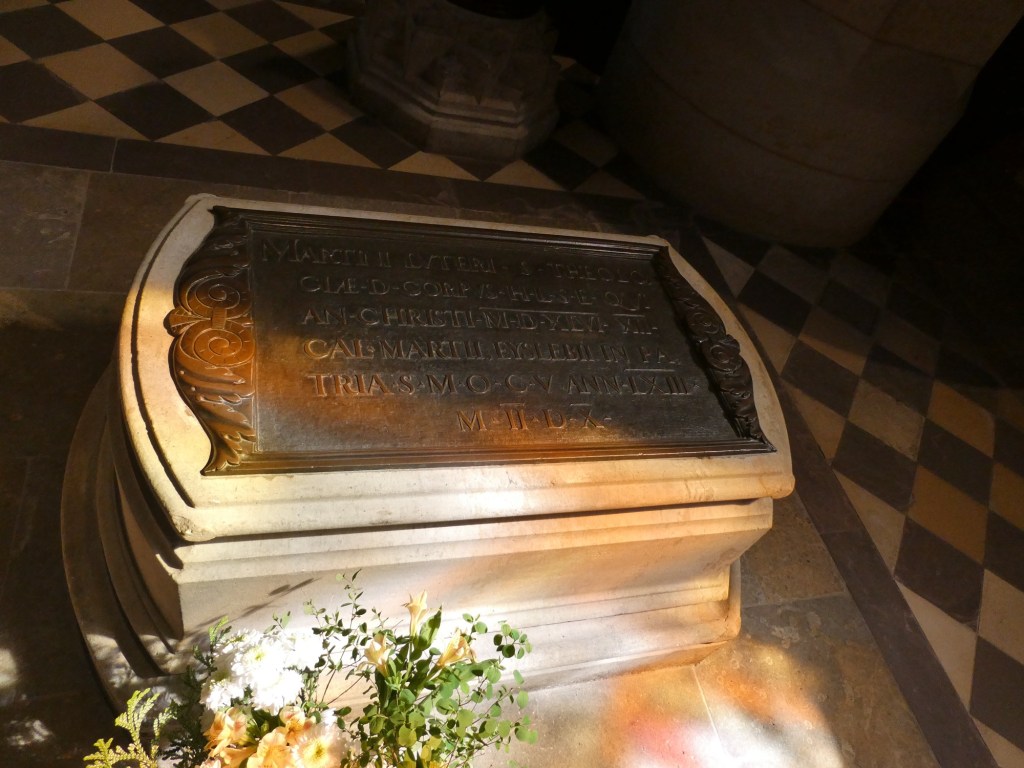
Martin Luther’s grave
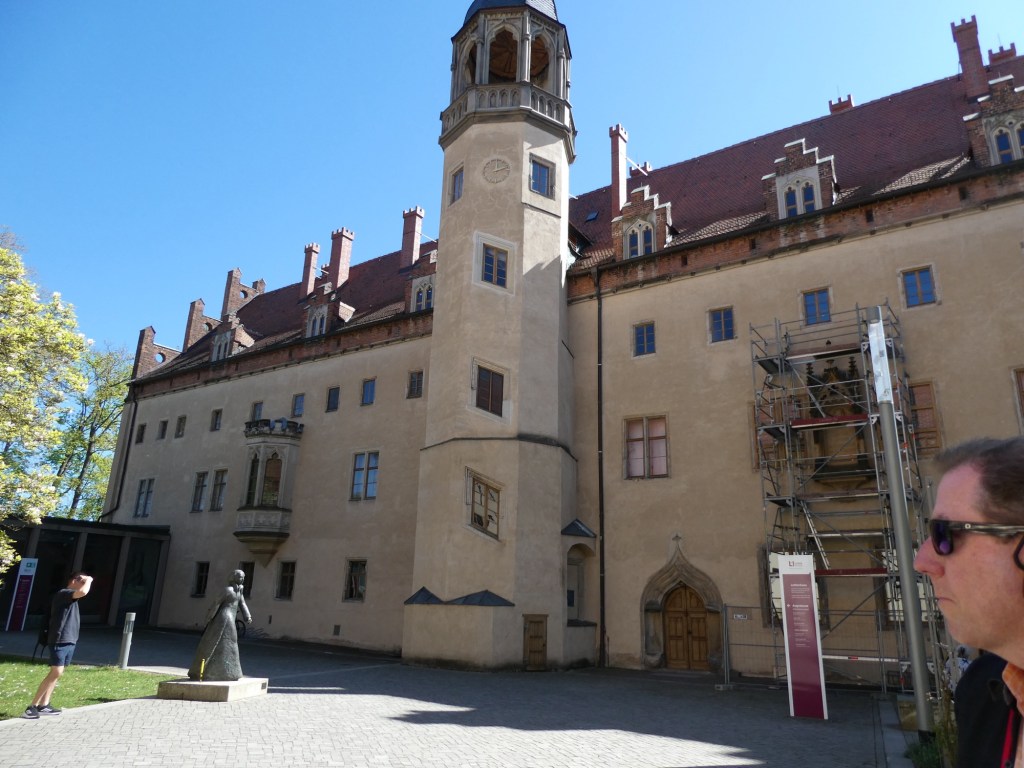
Martin Luther house
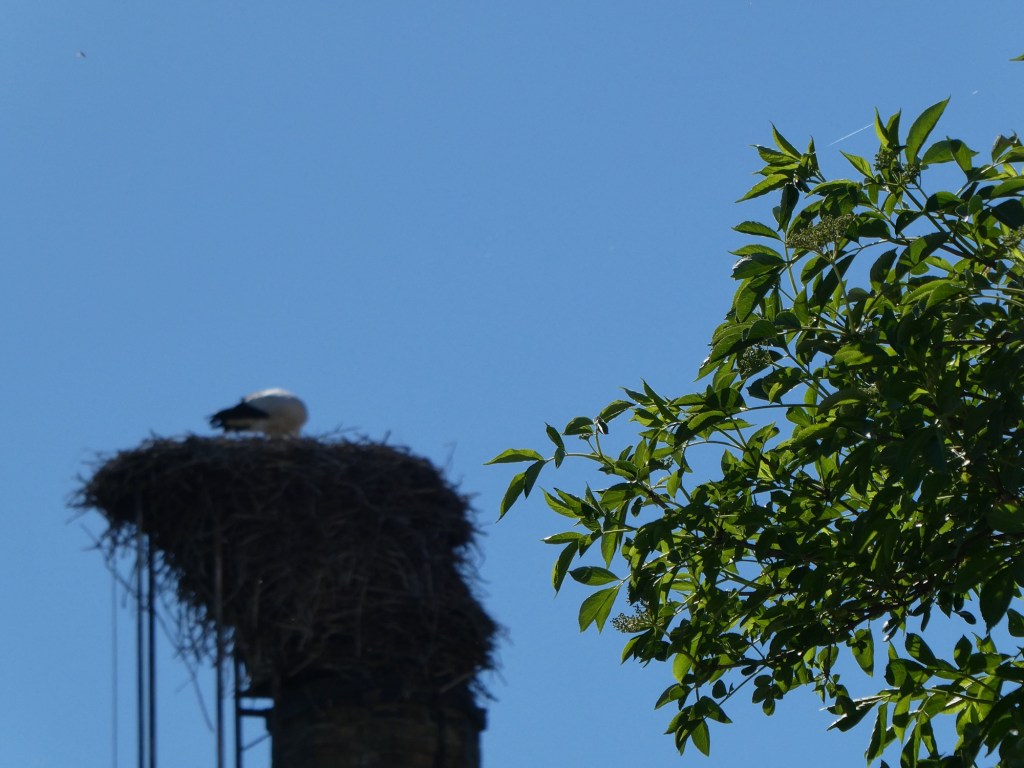
A stork in its nest

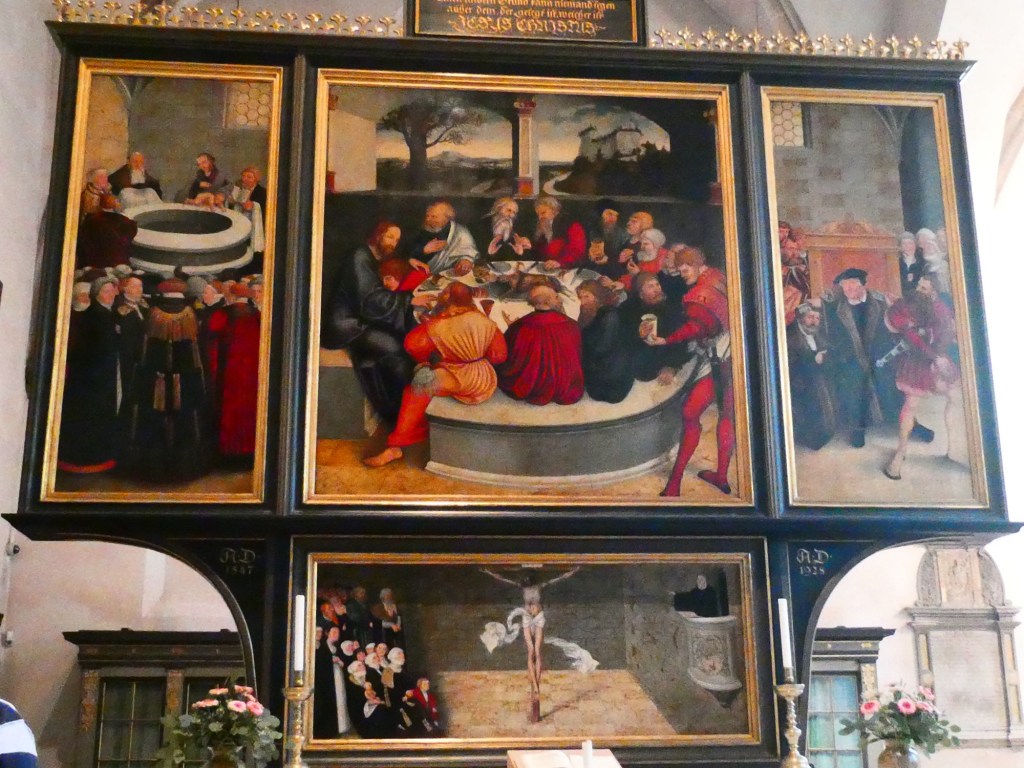
Altar piece in St. Mary Church

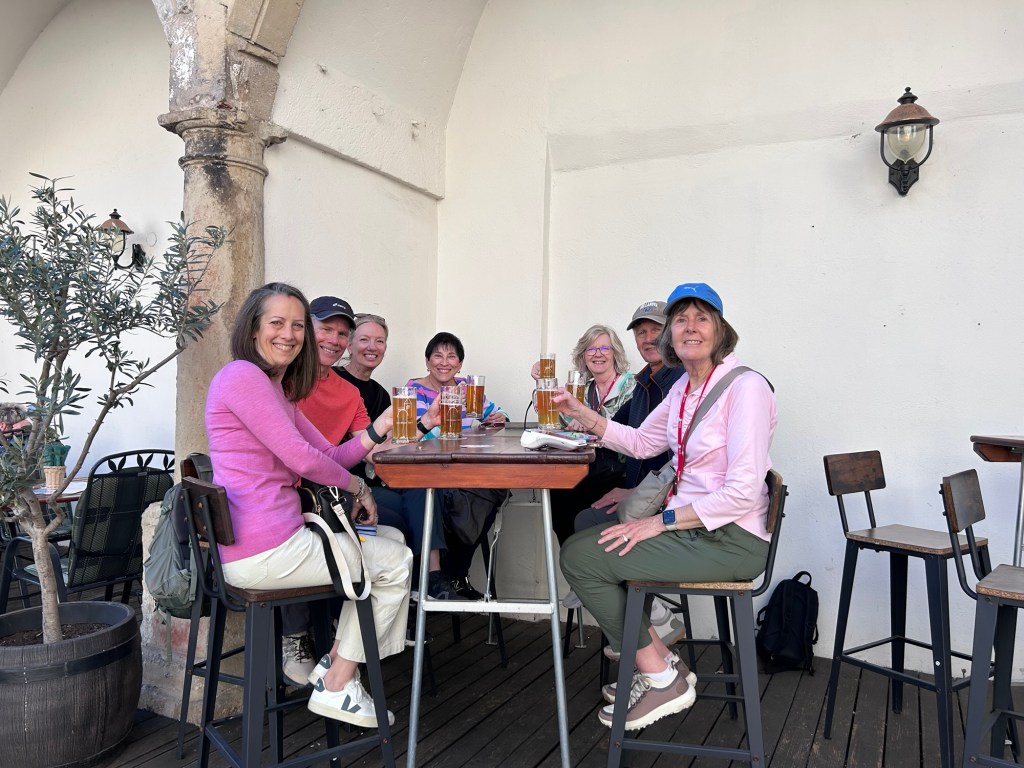
After our tour we stopped at a beer garden and then Jen and I and 2 others walked back to the ship. Fortunately Jen had an airtag in her suitcase which allowed us to follow the signal back to our boat.

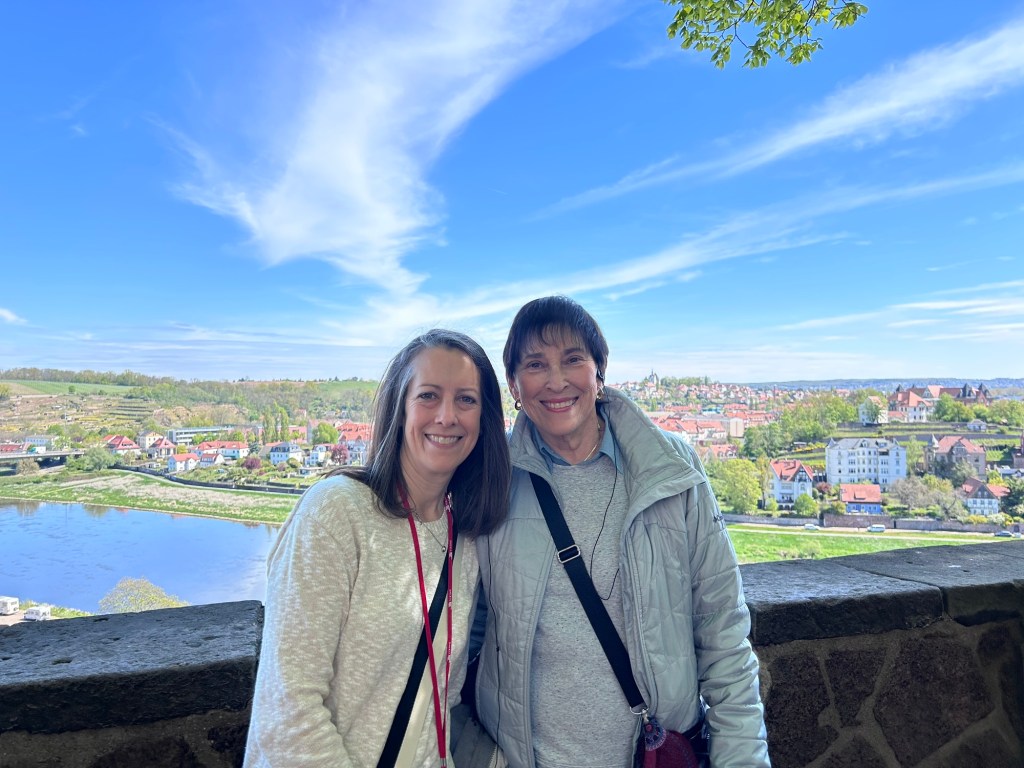
Jen, John, Linda, Bette, Nancy, Jack and Ann
Our last night on the boat

Categories: Uncategorized | Leave a comment

Meissen and Torgau

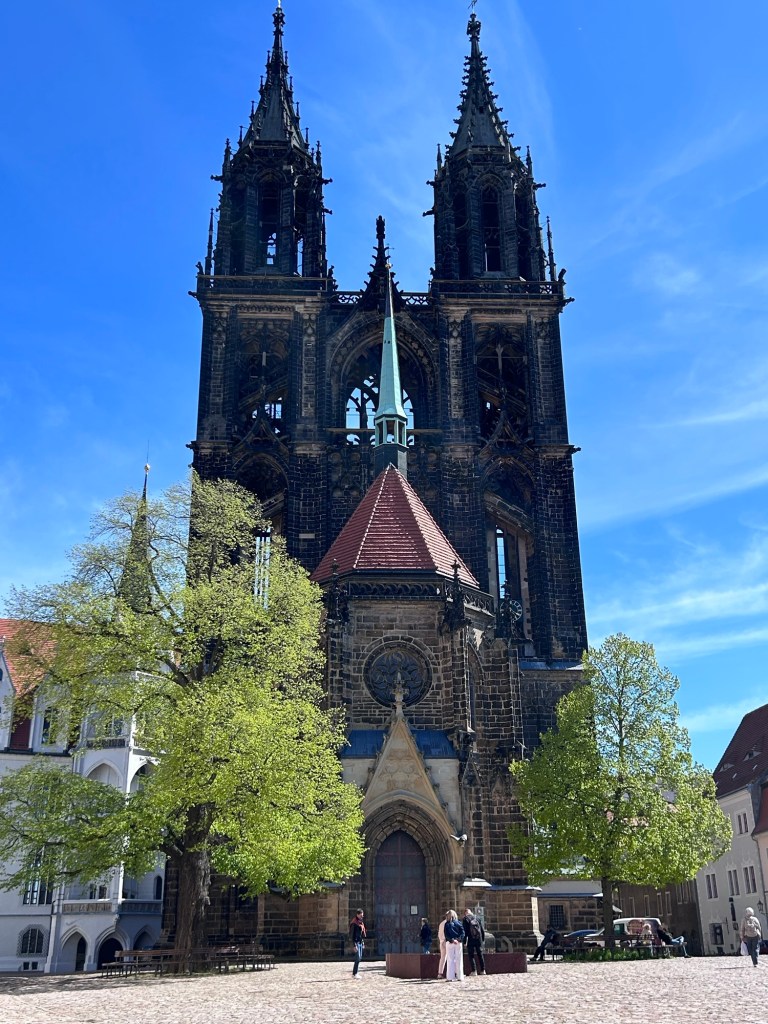
We spent the morning in the town of Meissen. Meissen was settled in 959 by Slavic people. It is most well known for the production of fine porcelain china and other objects.

August the Strong had seen the porcelain coming from China in the late 1600s and being a collector of fine art objects wanted more. Some men in Meissen were experimenting and discovered the way to make porcelain. August the Strong employed them and the production of porcelain began in Meissen.

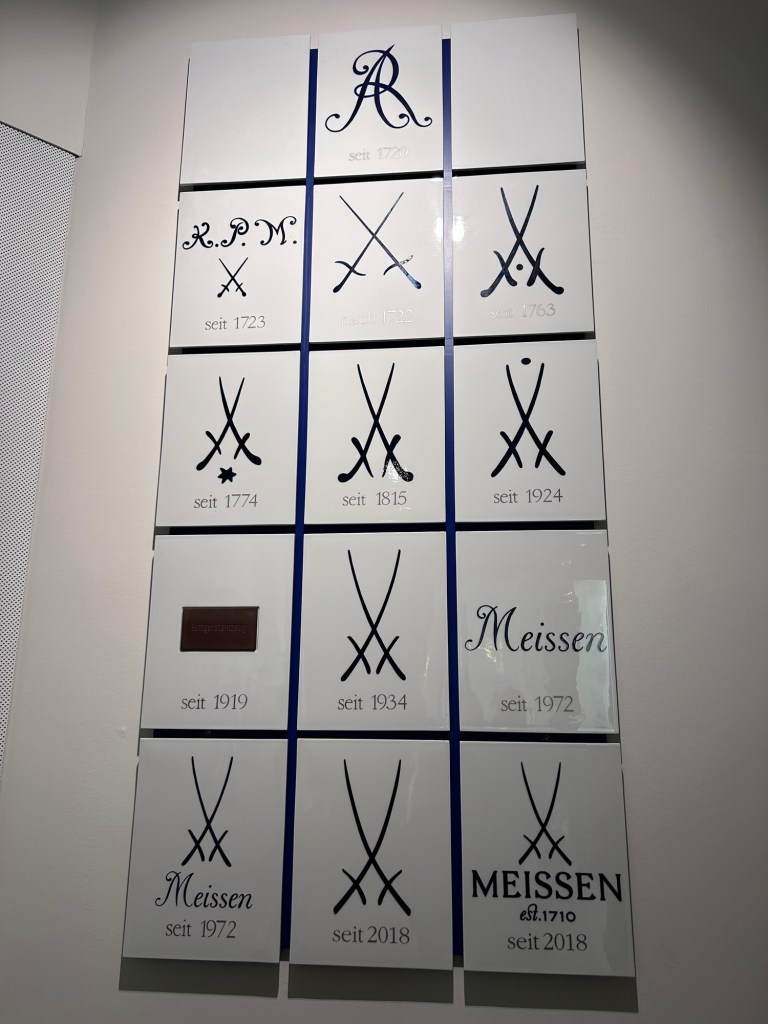
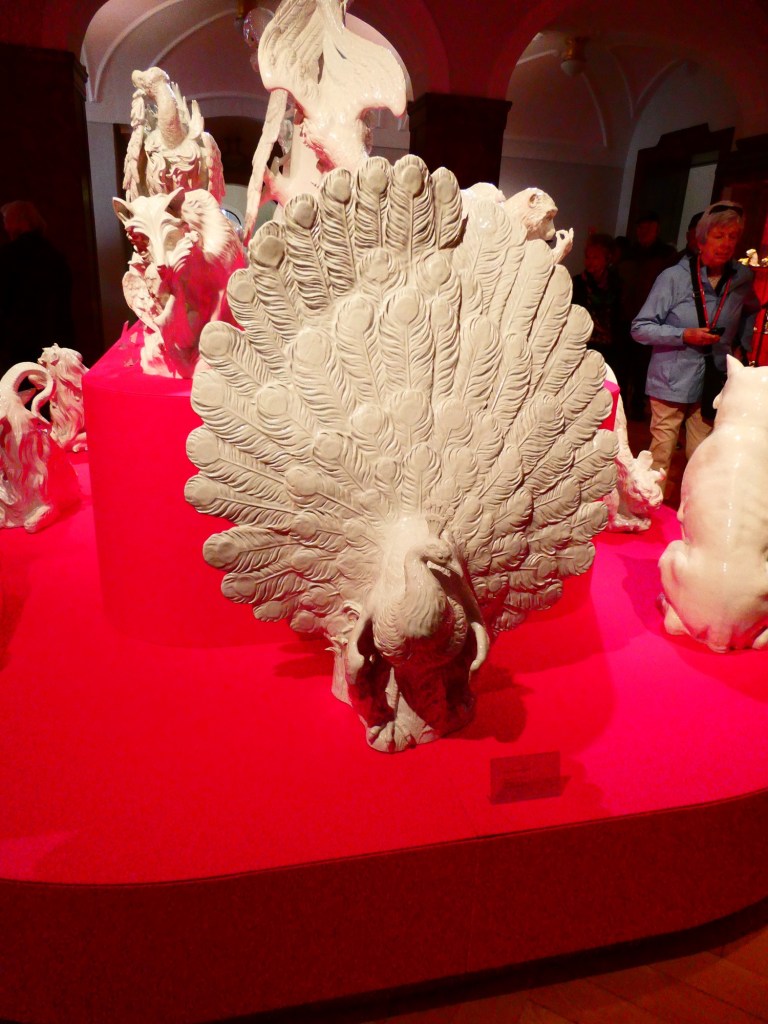
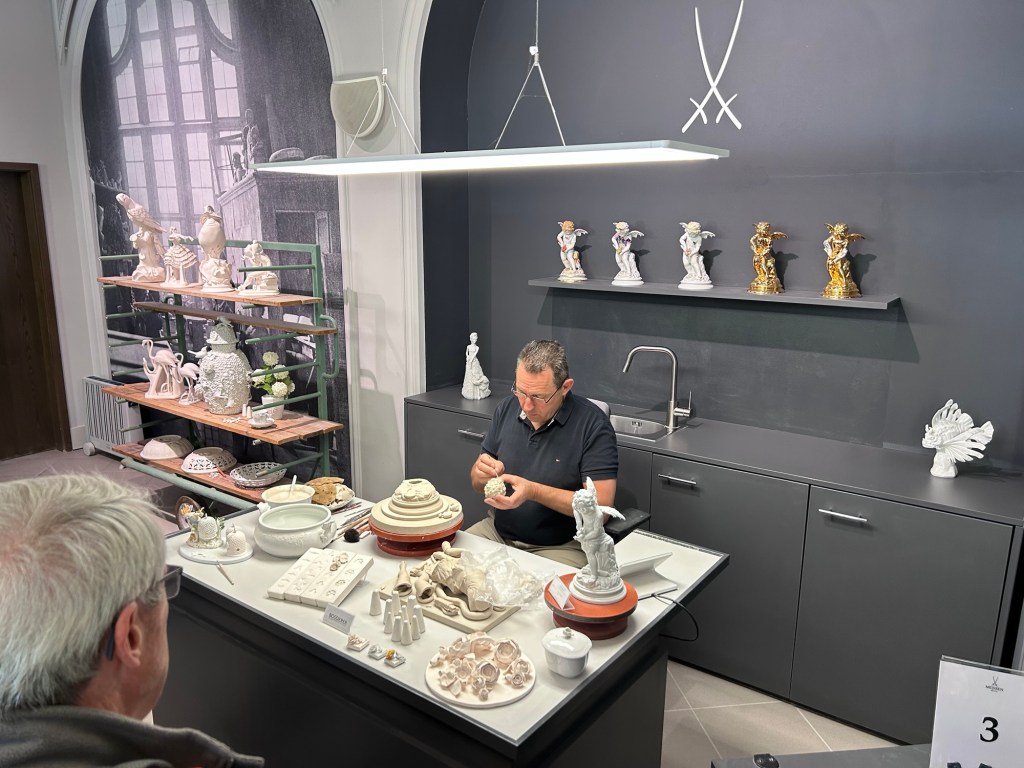
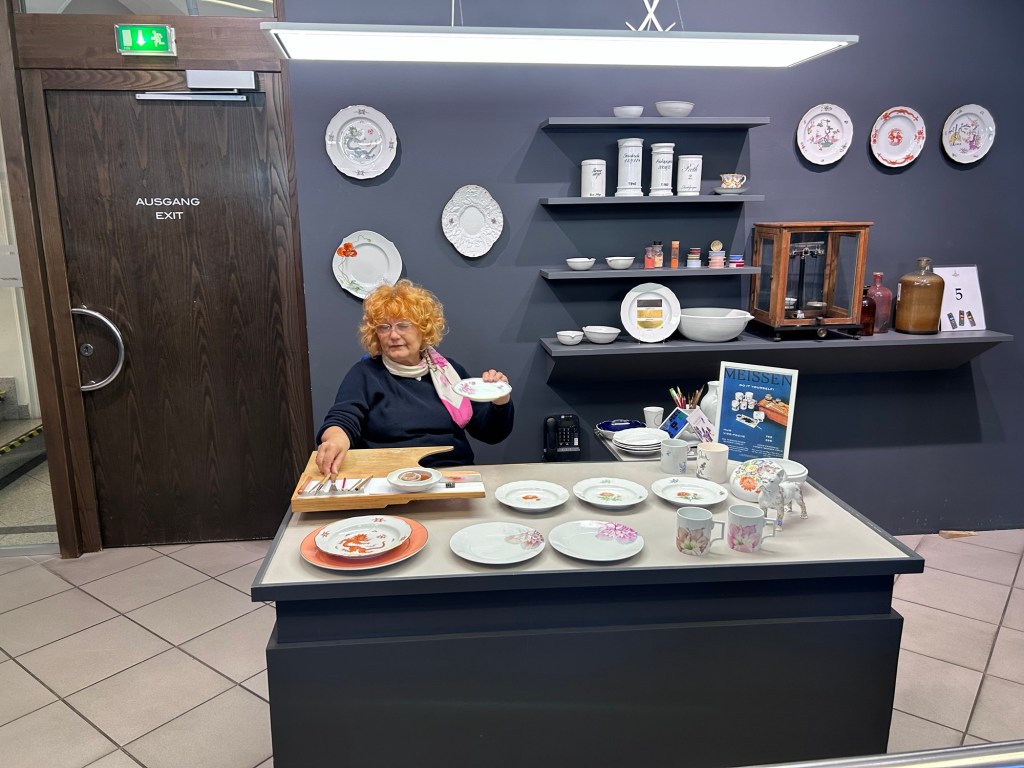
The original factory dates back to 1710. We toured the porcelain museum and learned how the porcelain is actually made. The museum pieces were amazing to see. They have over 10,000 molds and can remake items that were first produced hundreds of years ago.

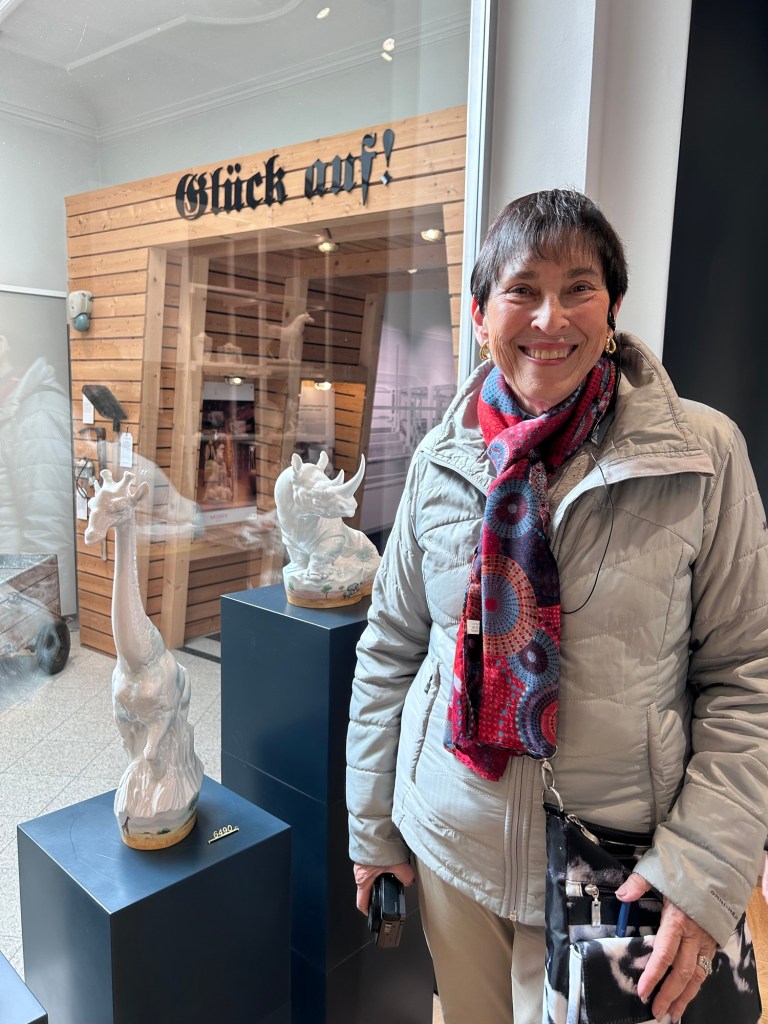
The giraffe we did not buy, price around $8,000

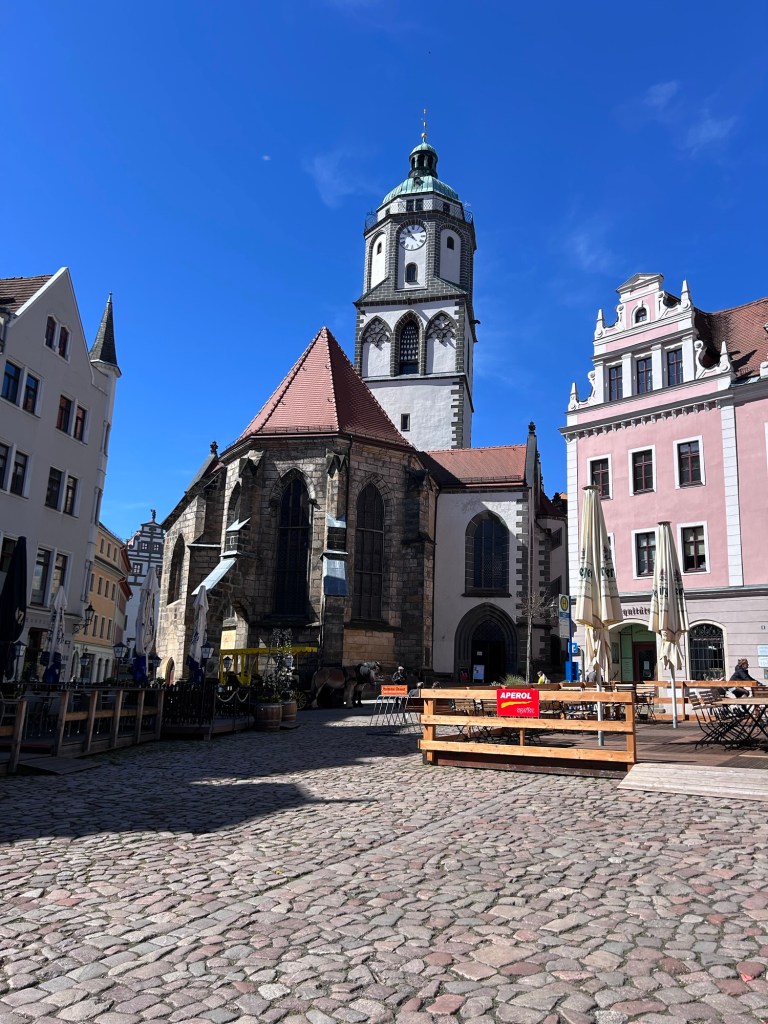
After the museum and factory tour we toured the town of Meissen.

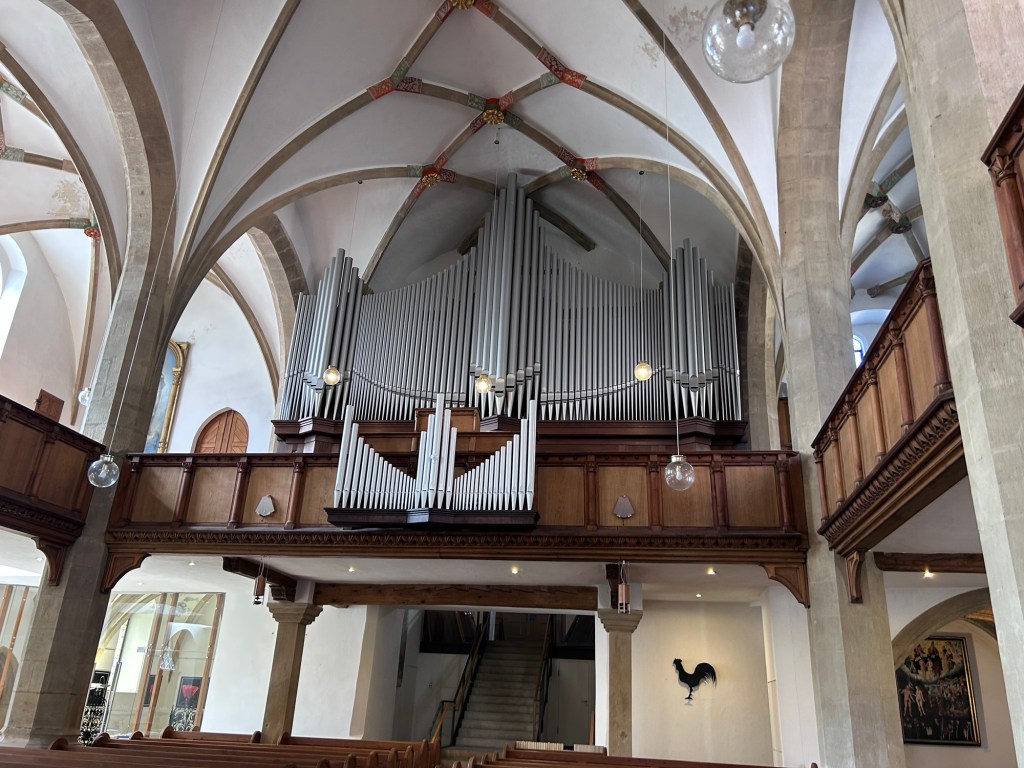
An organ with Meissen pipes

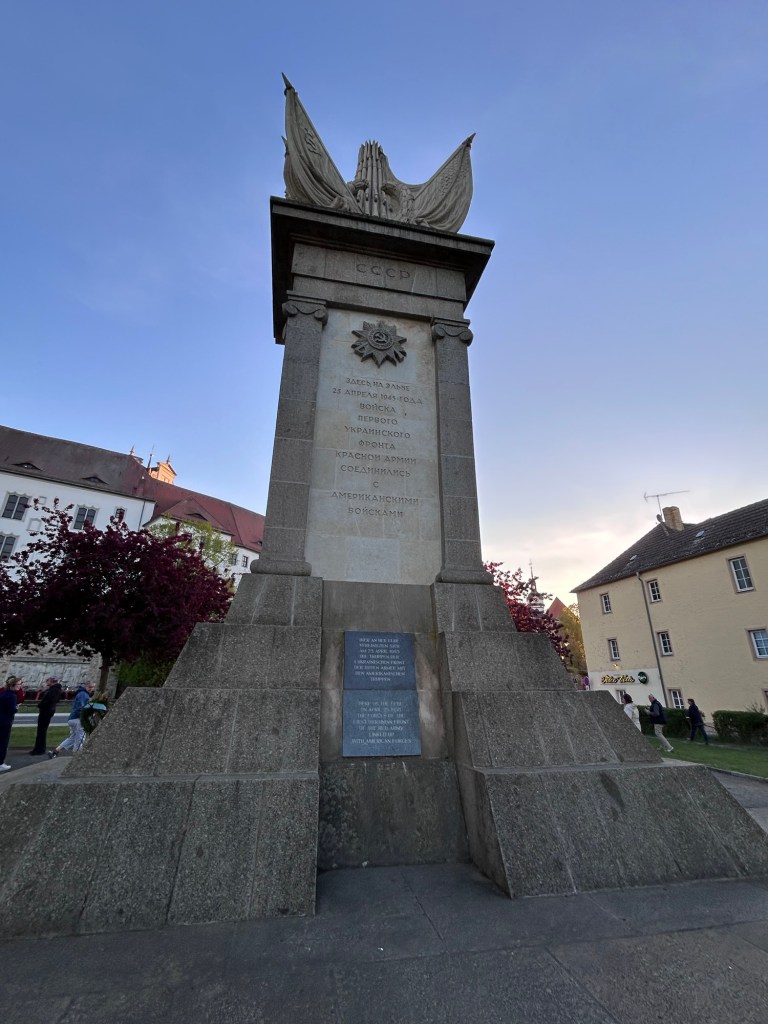
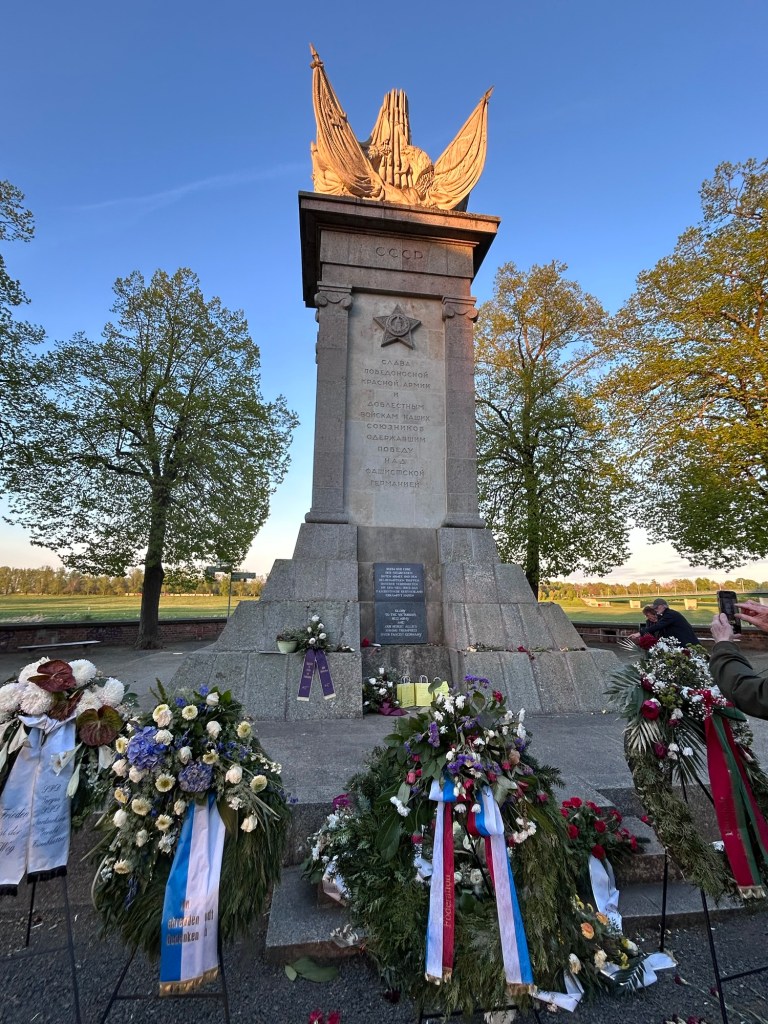
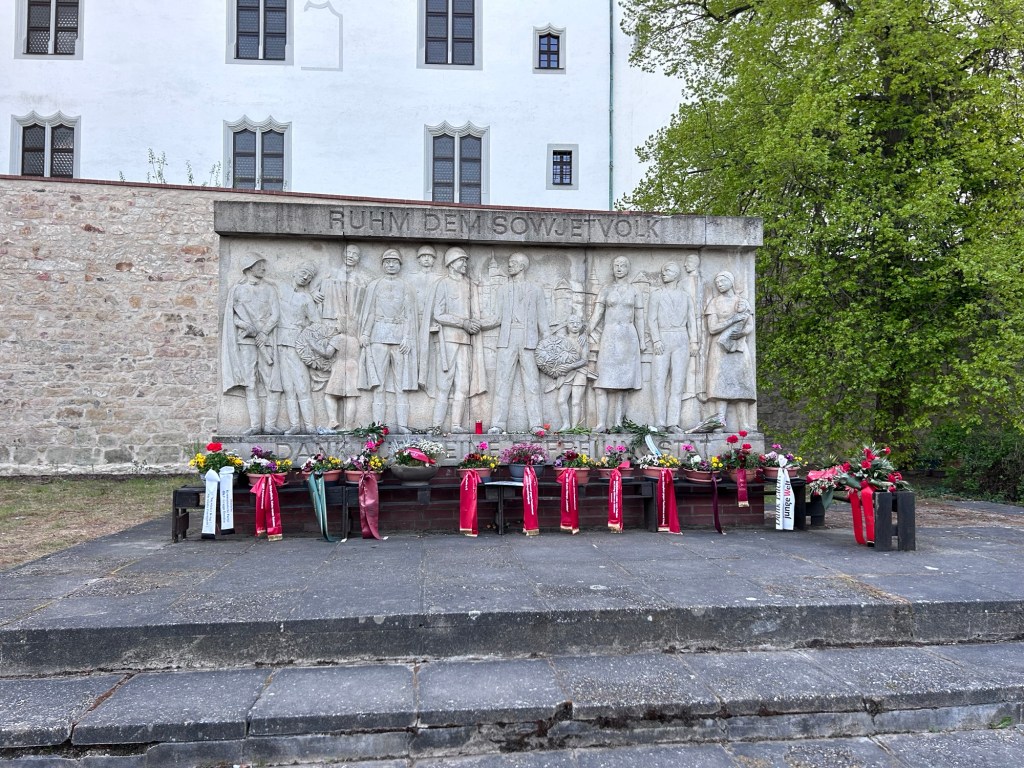
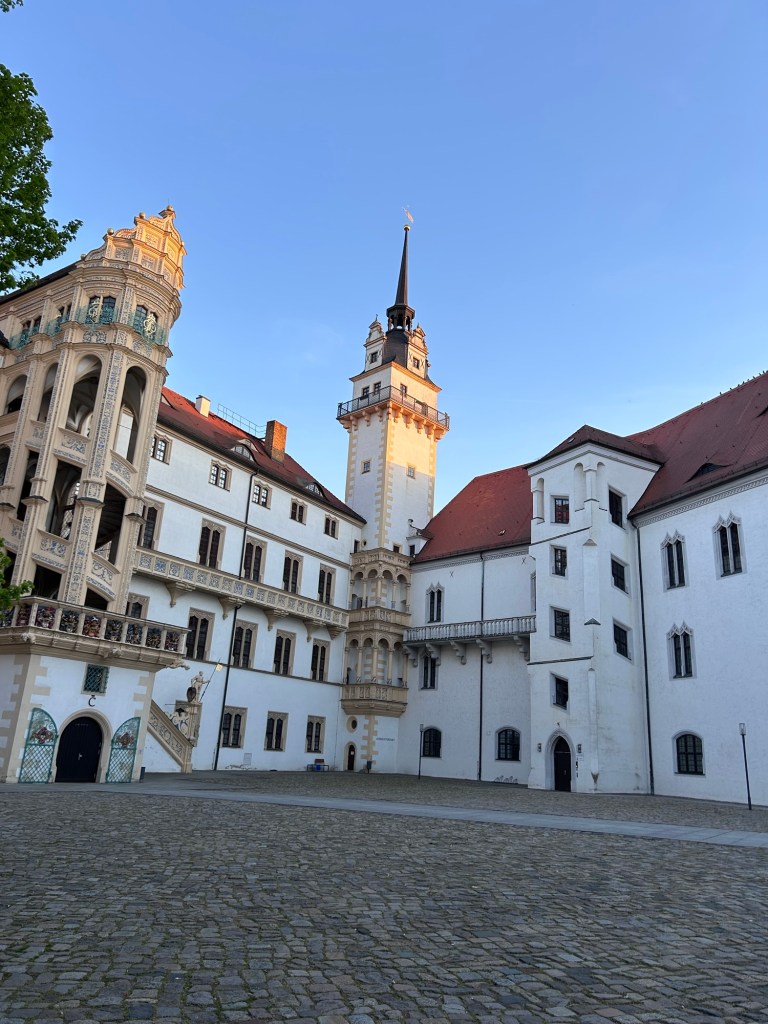
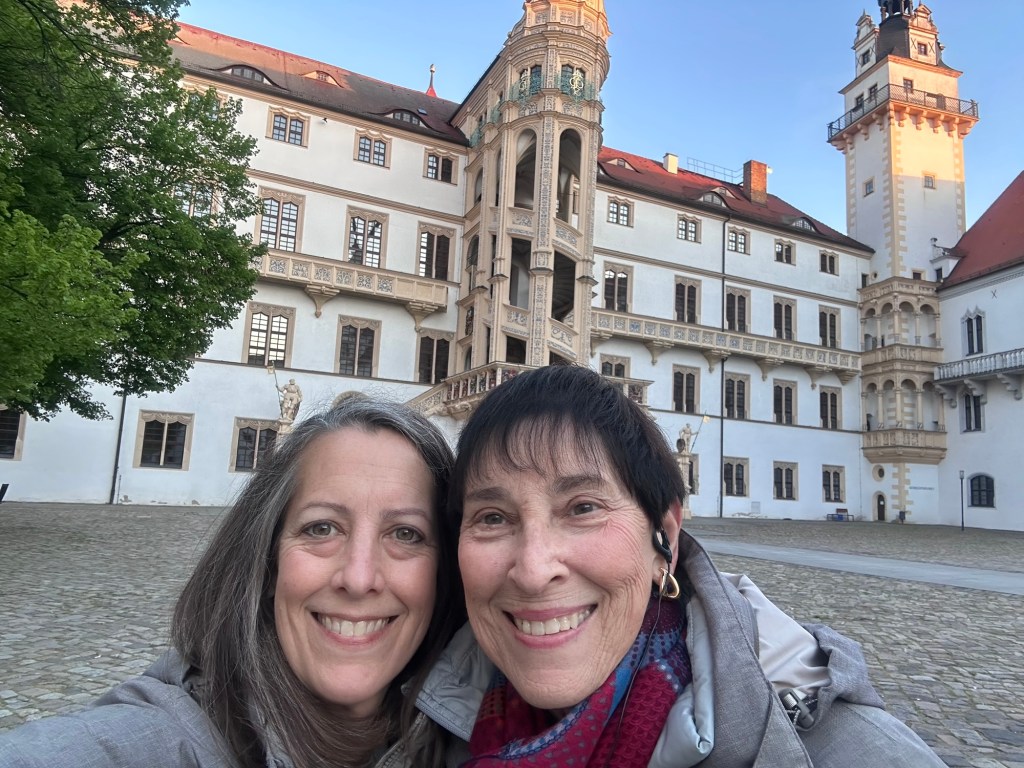
We sailed most of the afternoon and docked for the night in Torgau. At the end of the 2nd World War this town was freed by the American army, but the next day the Soviet army came in. The Soviets claimed they had liberated the town and the Americans let them say that. There was a famous photo taken of the two sides shaking hands here. We saw the memorials to this. April 25 was the anniversary and the memorial was covered with wreaths. Of course there is a castle here, so we walked through it. Our walk was after dinner.

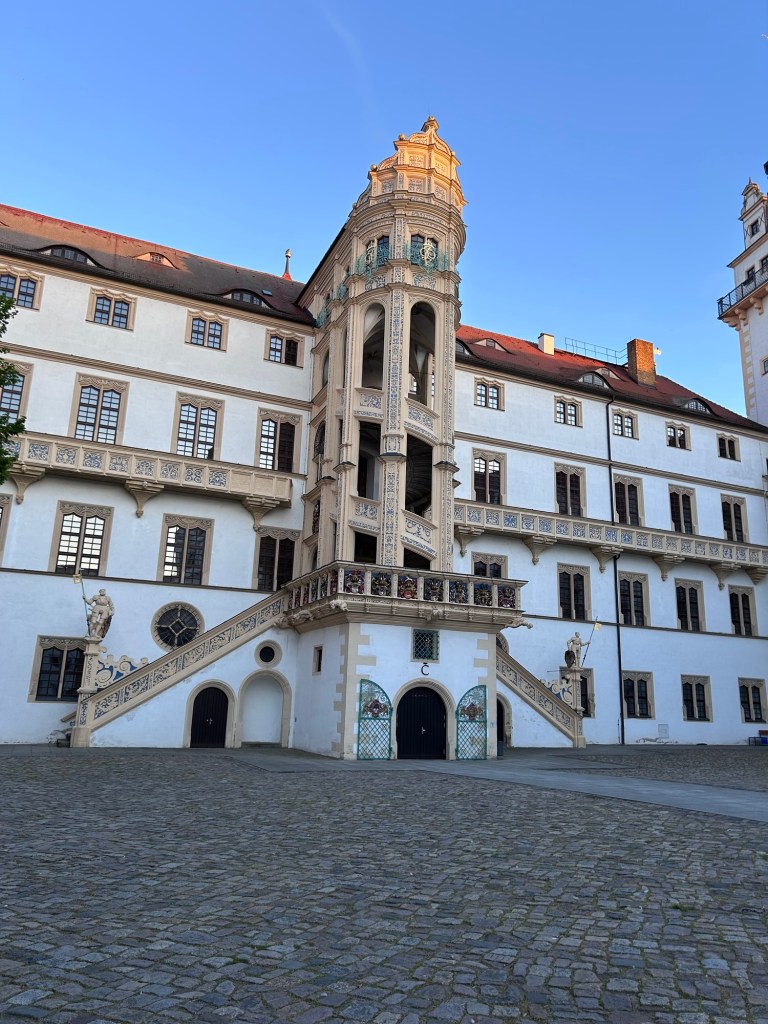
The spiral staircase entry
Categories: Uncategorized | Leave a comment

Dresden and the Elbe Valley

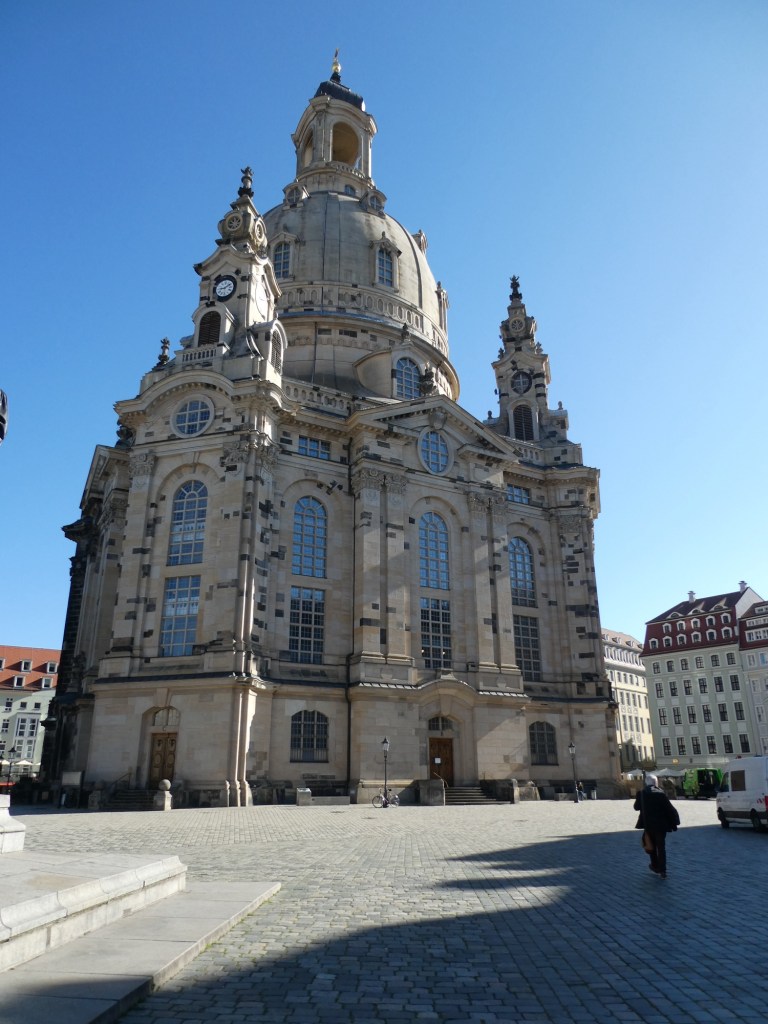
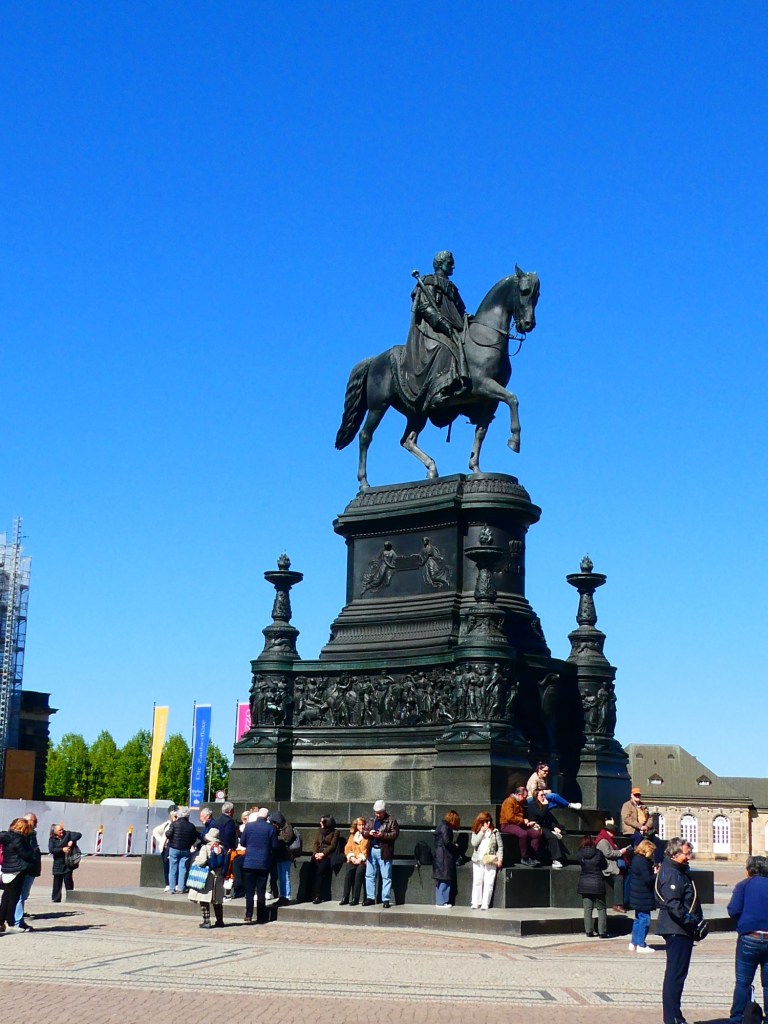
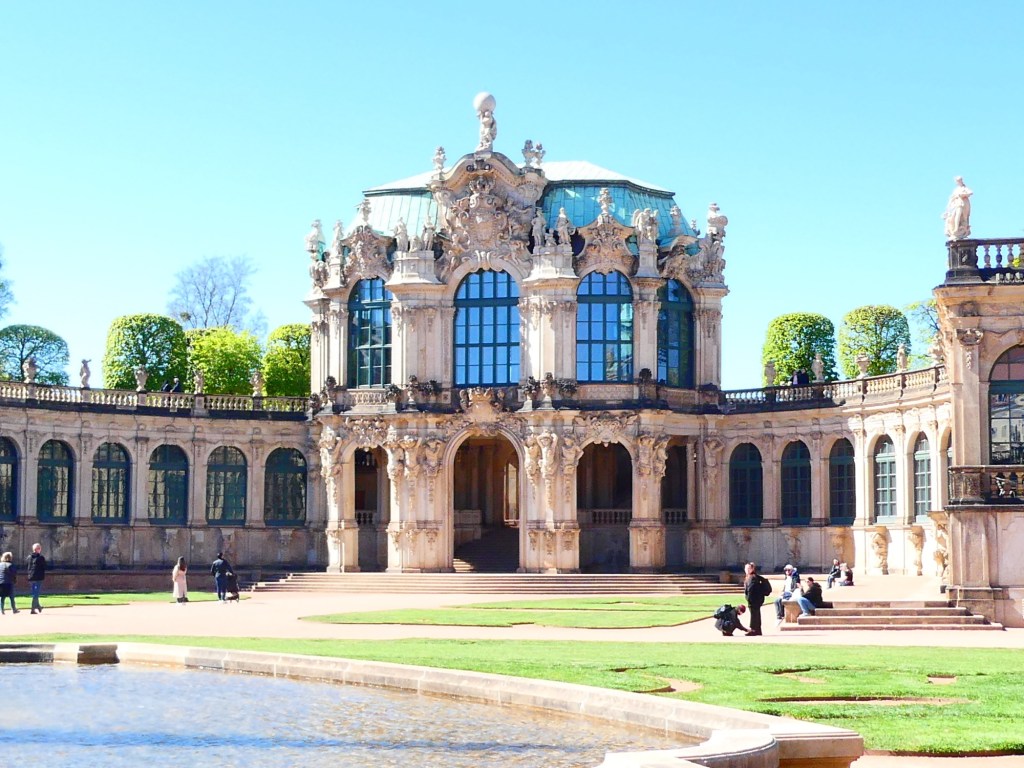
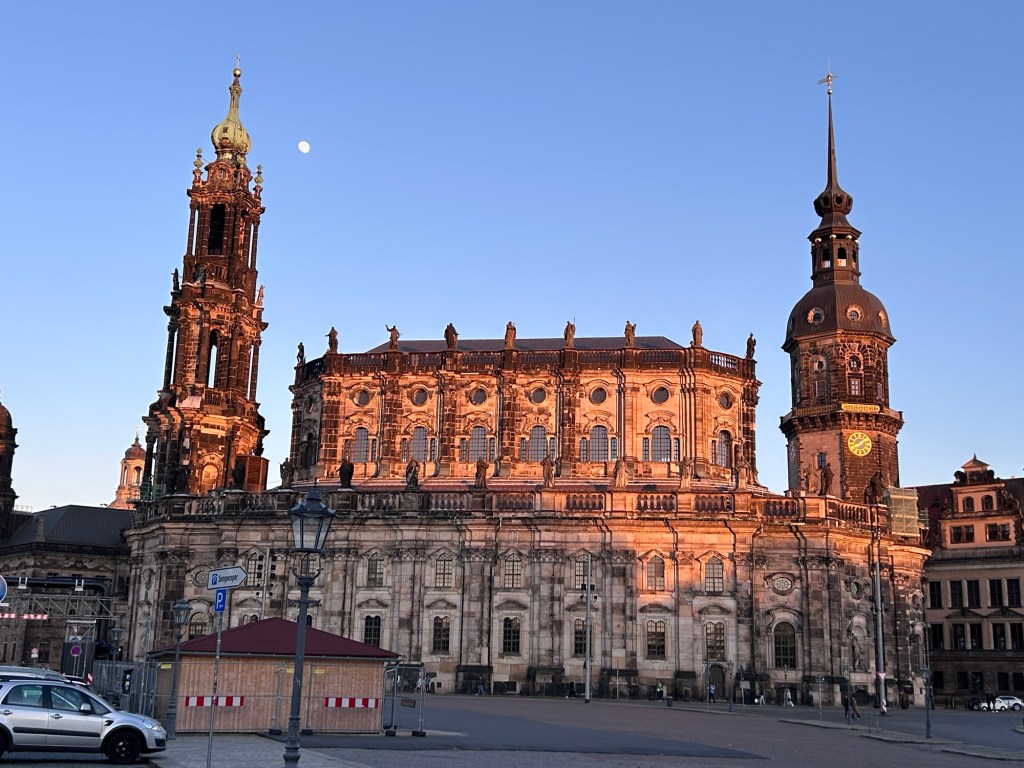
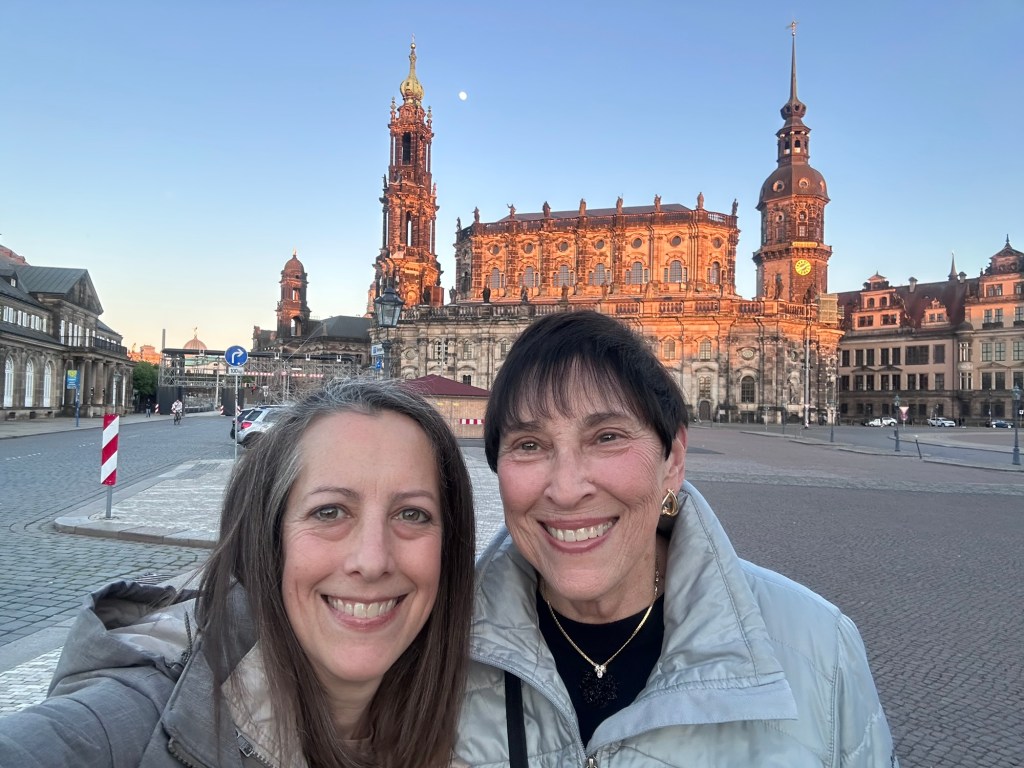
We had an all day tour today. We started with a walking tour in the center of Dresden. Dresden has a population of just over 1/2 million people. It was bombed very badly during the 2nd World War. Today they have rebuilt the center of town to look like the historic buildings looked. Fortunately there was an artist who painted Dresden in the height of its grandeur and they were able to recreate the buildings. It has taken many decades. The central square where we started has the Opera House, many of the buildings called Zwinger and beautiful squares. In 1956 Dresden celebrated its 750th anniversary. We saw the outside of the big church, being too early in the morning to go inside but learned about how it was destroyed during the war.

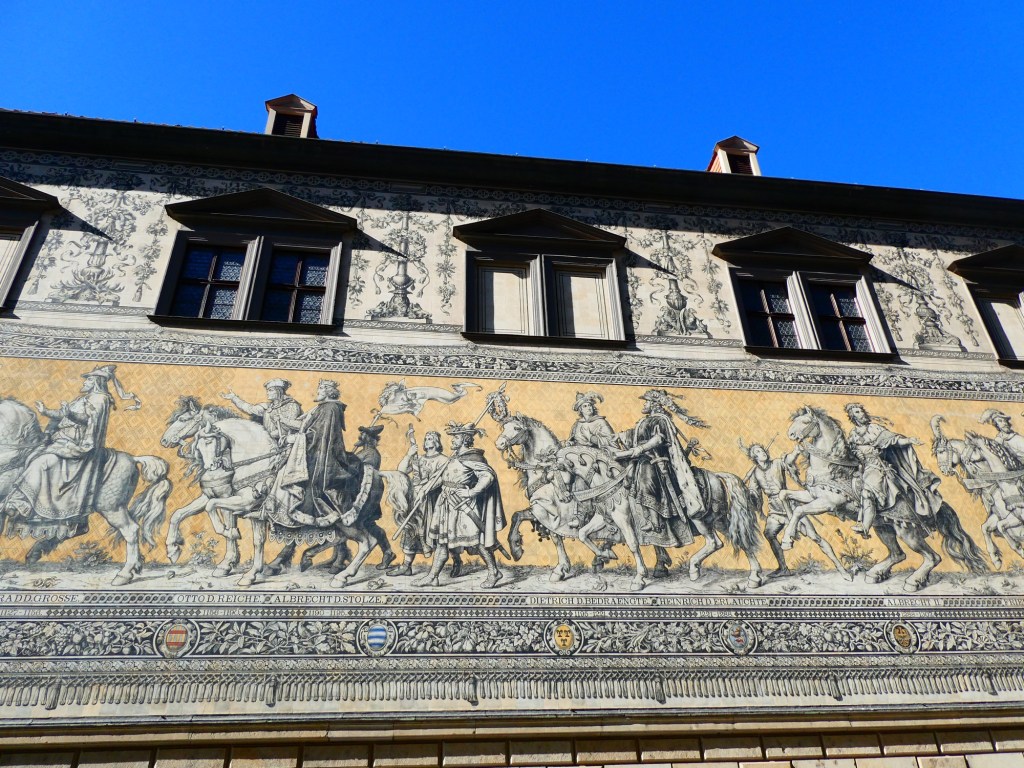
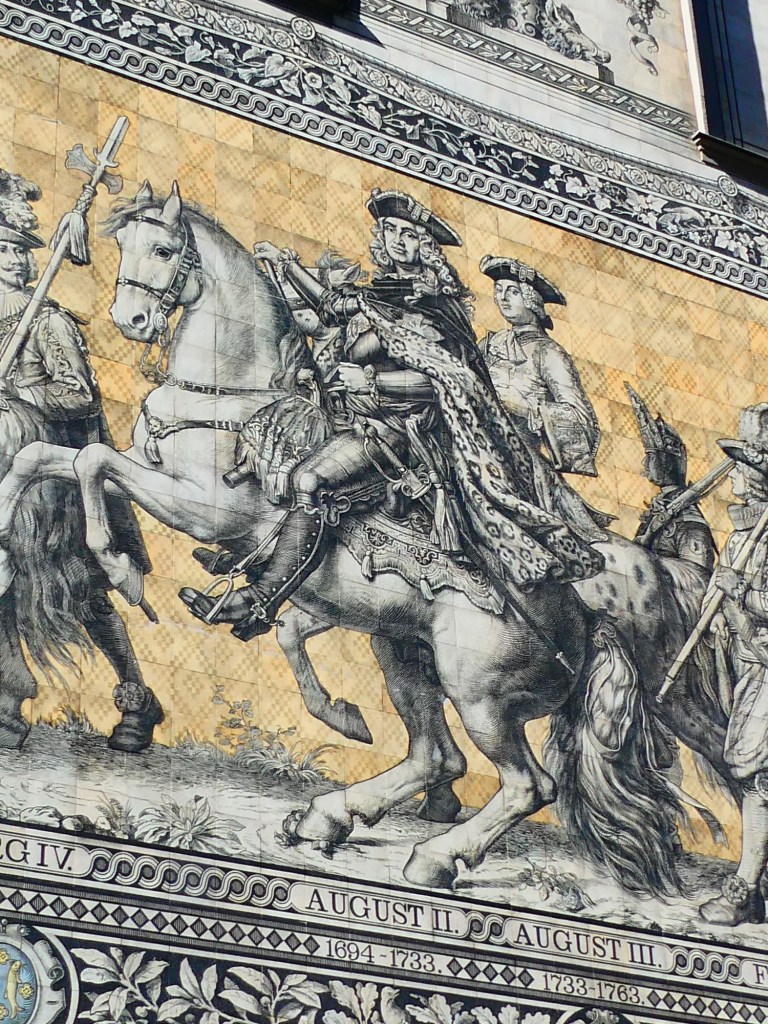
We then walked by a mosaic from 1876 depicting all the Saxon kings from the beginning of the reign through the date the mosaic was made. It is porcelain and probably 100 or more feet long.

A section of the mosaic
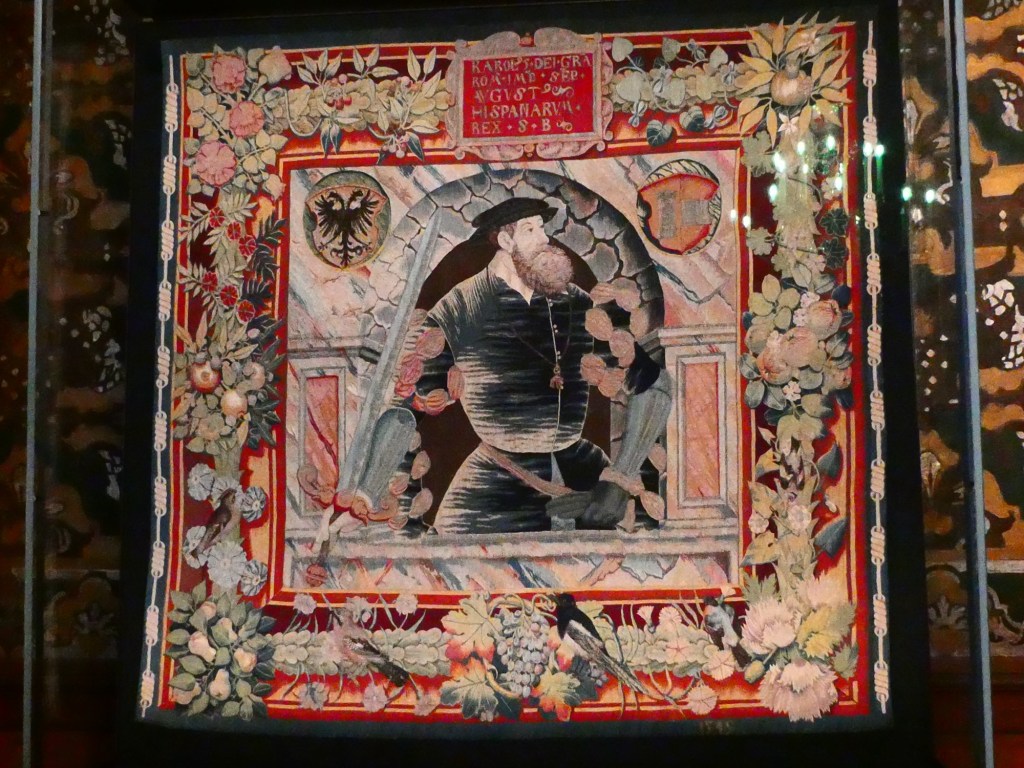
August the Strong

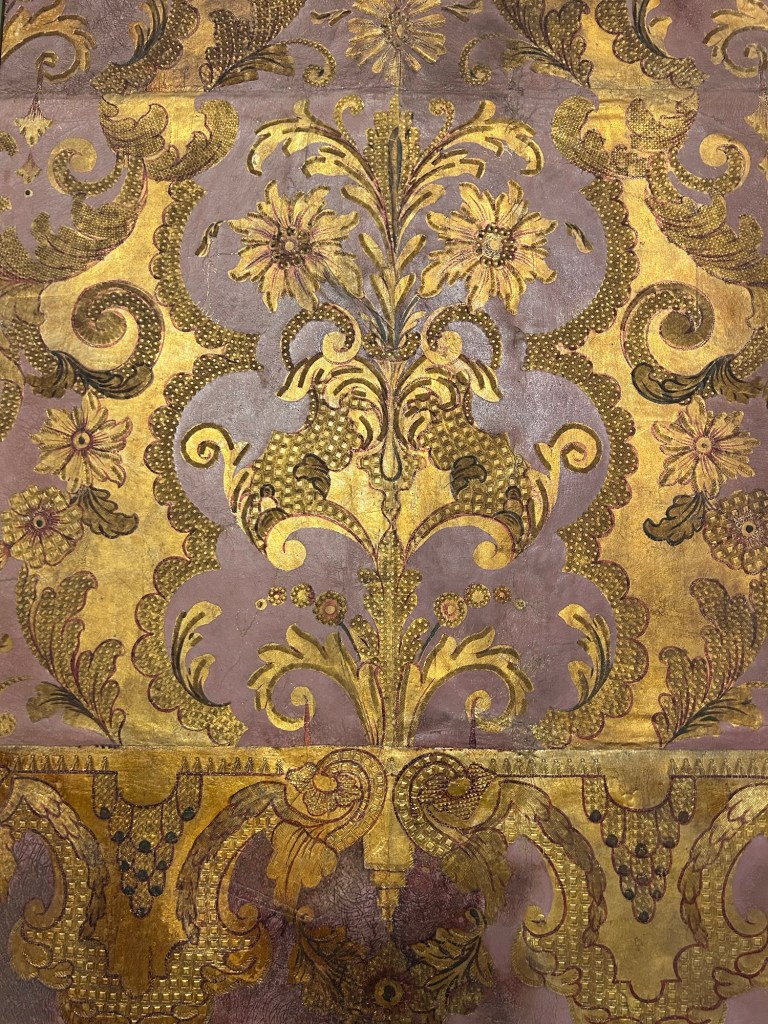
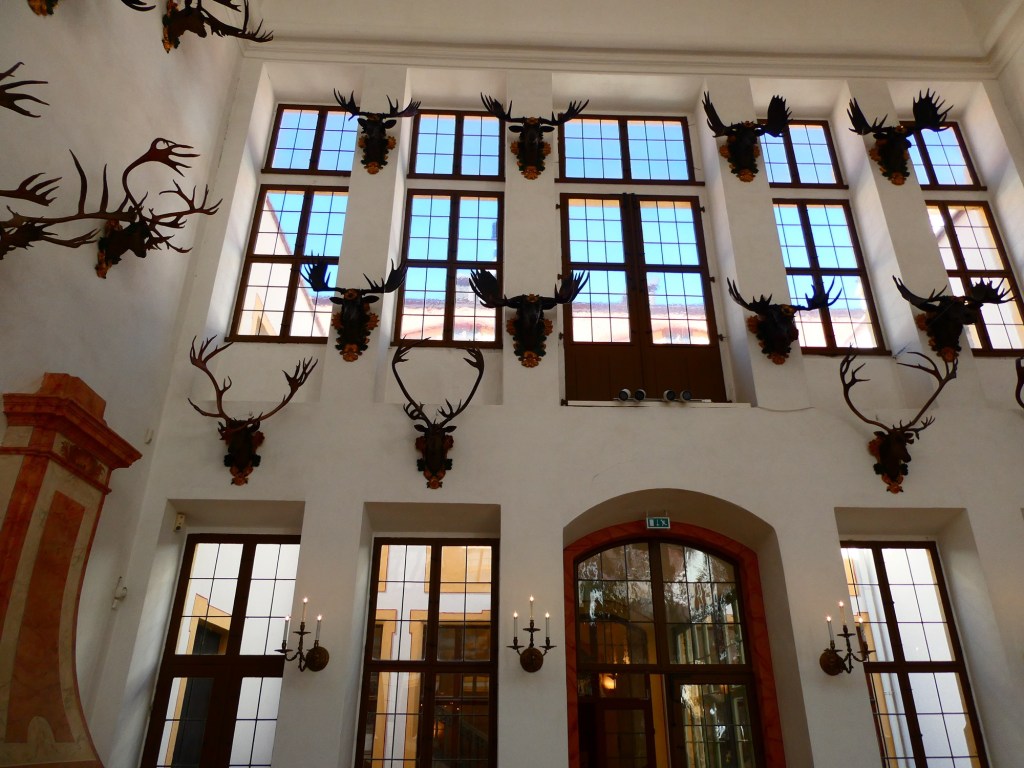
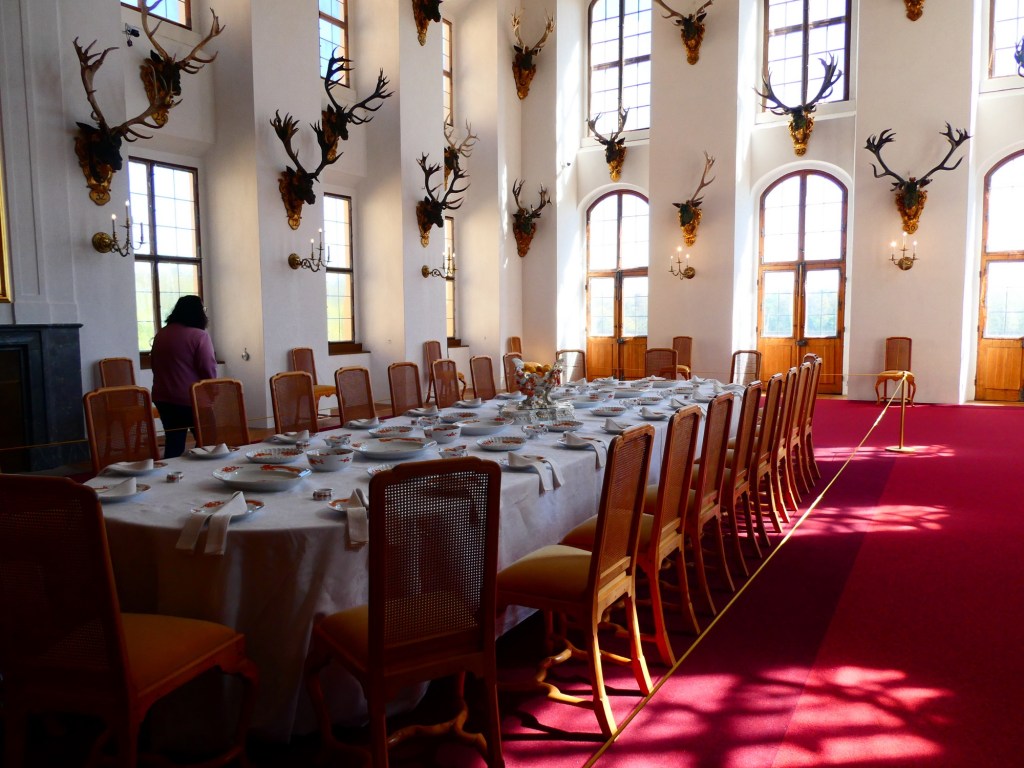
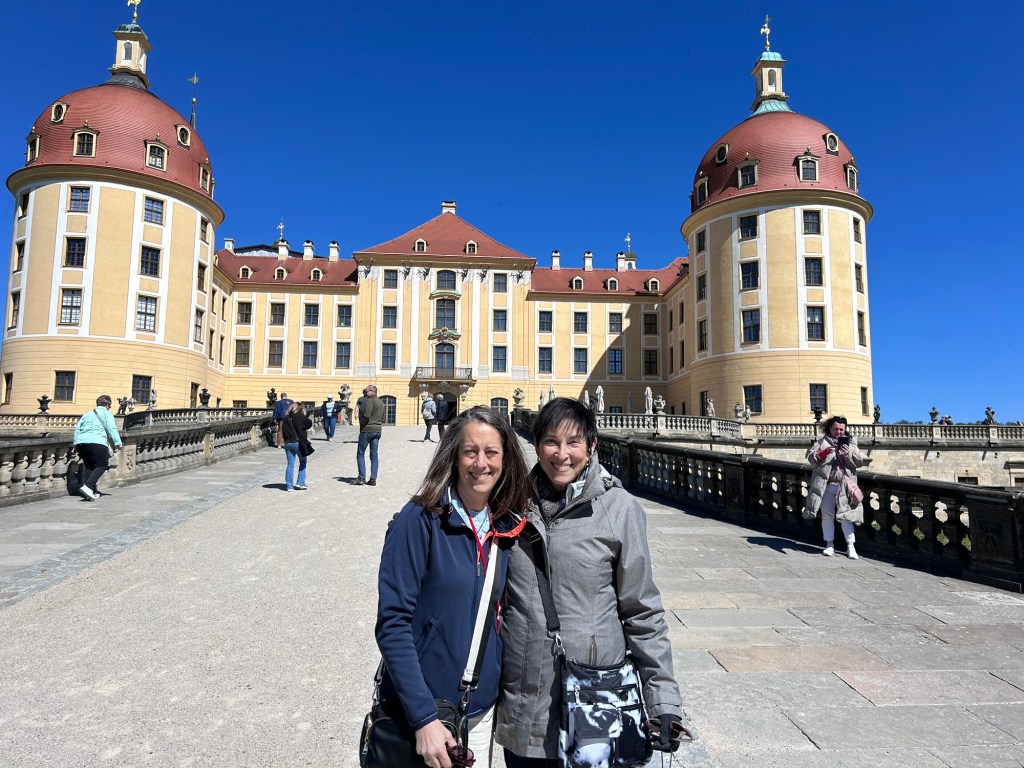
We then left the city and went out to a hunting lodge of August the Strong in Moritzberg. The entry rooms were filled with the antlers of the stags that had been hunted. The antlers were on wooden heads of the animals, not real heads preserved by taxidermy. When we got into the living quarters we found out that all the walls were covered in leather. Some were like tapestry wall hangings, but other areas it was like wallpaper. We also saw an explanation of how these leather pieces were made and now preserved. The castle has 220 rooms and has 2 manmade lakes on either side made 600 years ago.

The leather wallpaper

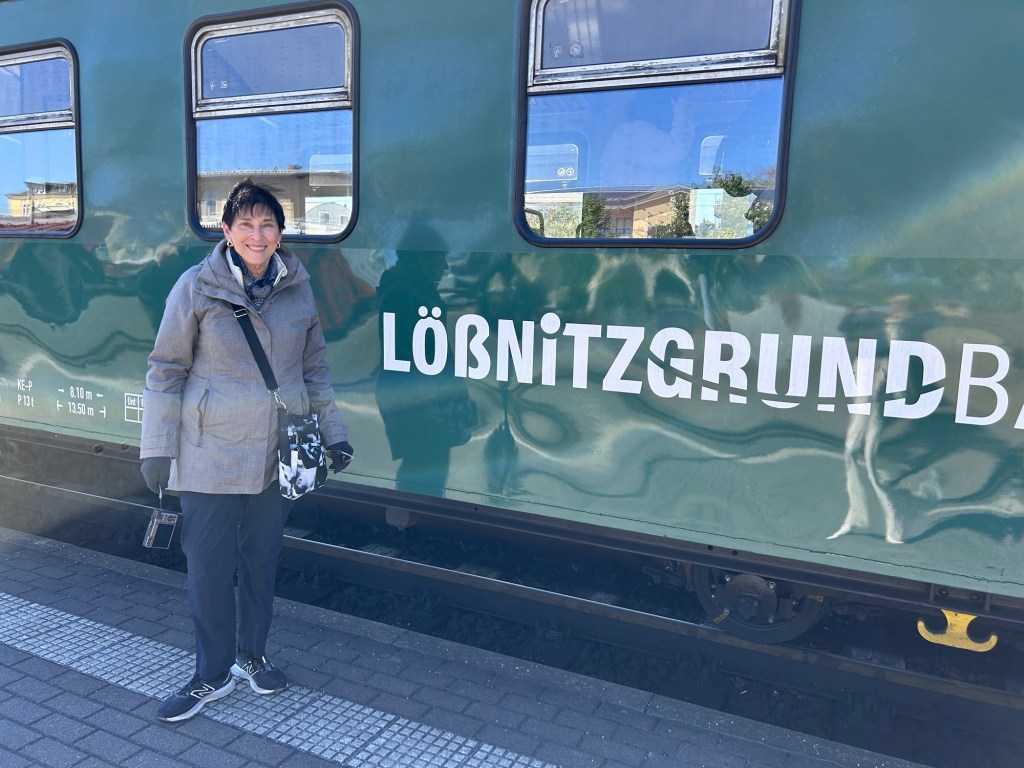
We then went by small gauge steam train to the next town for lunch at a winery.

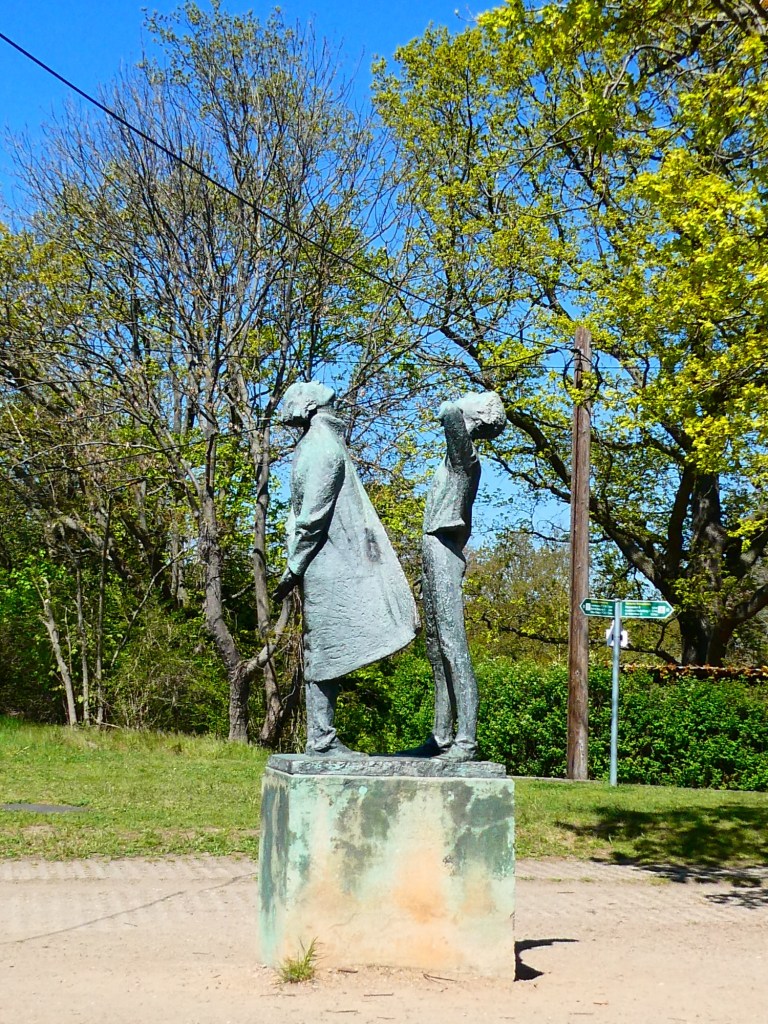
A statue outside the local planetarium

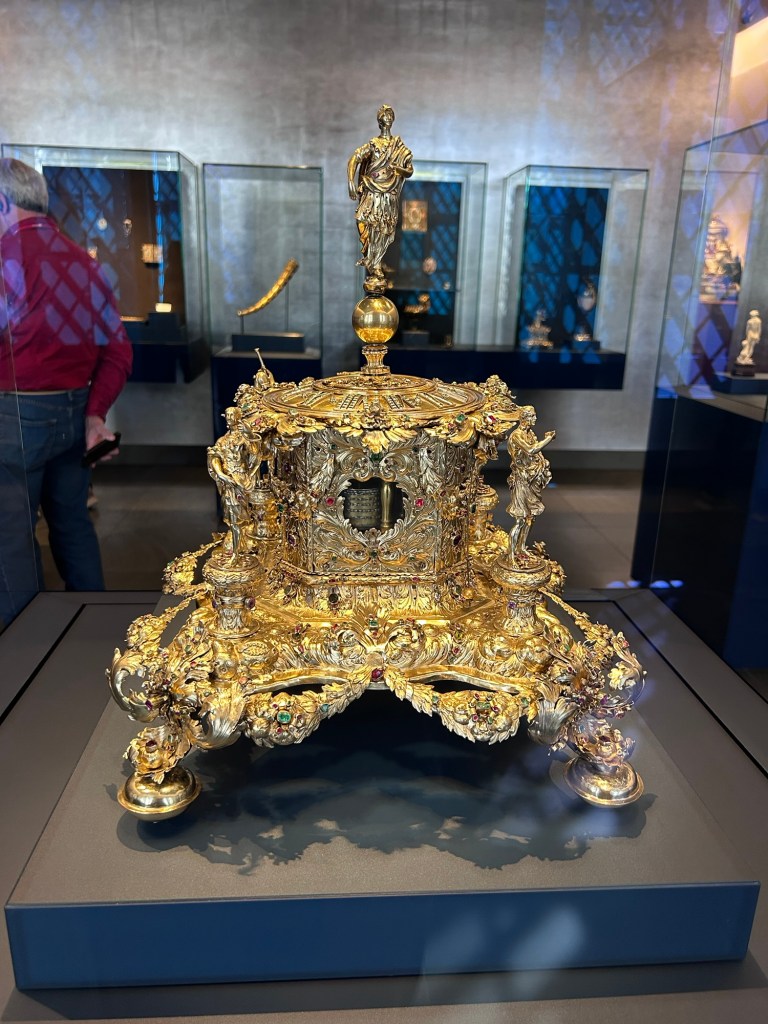
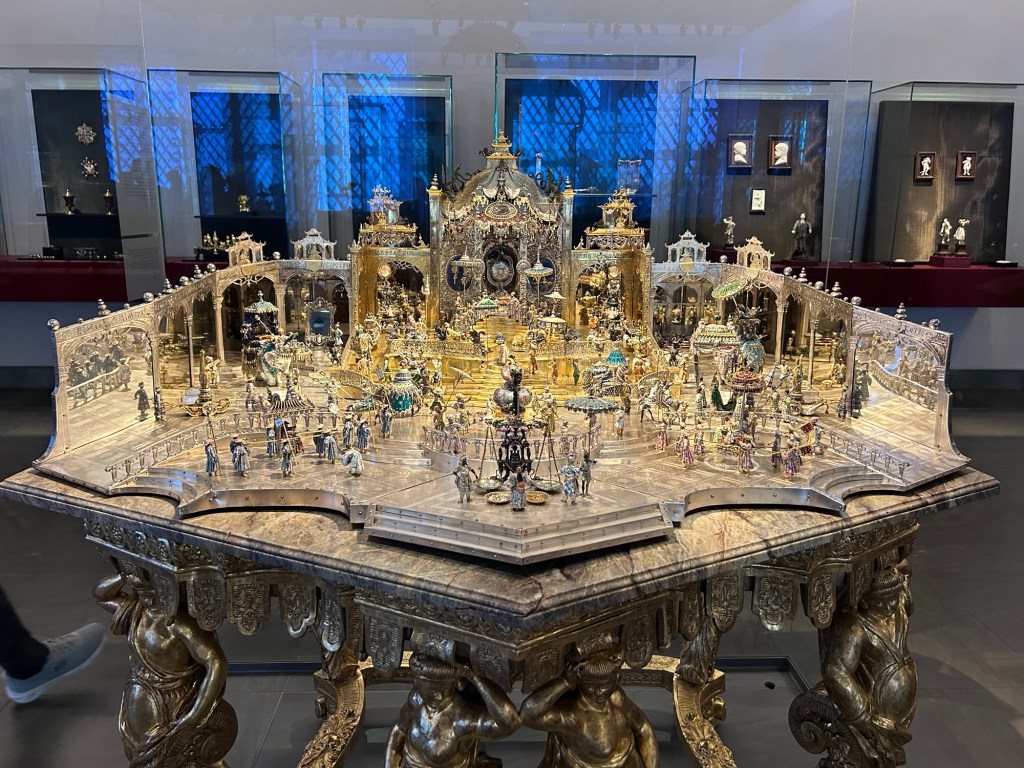
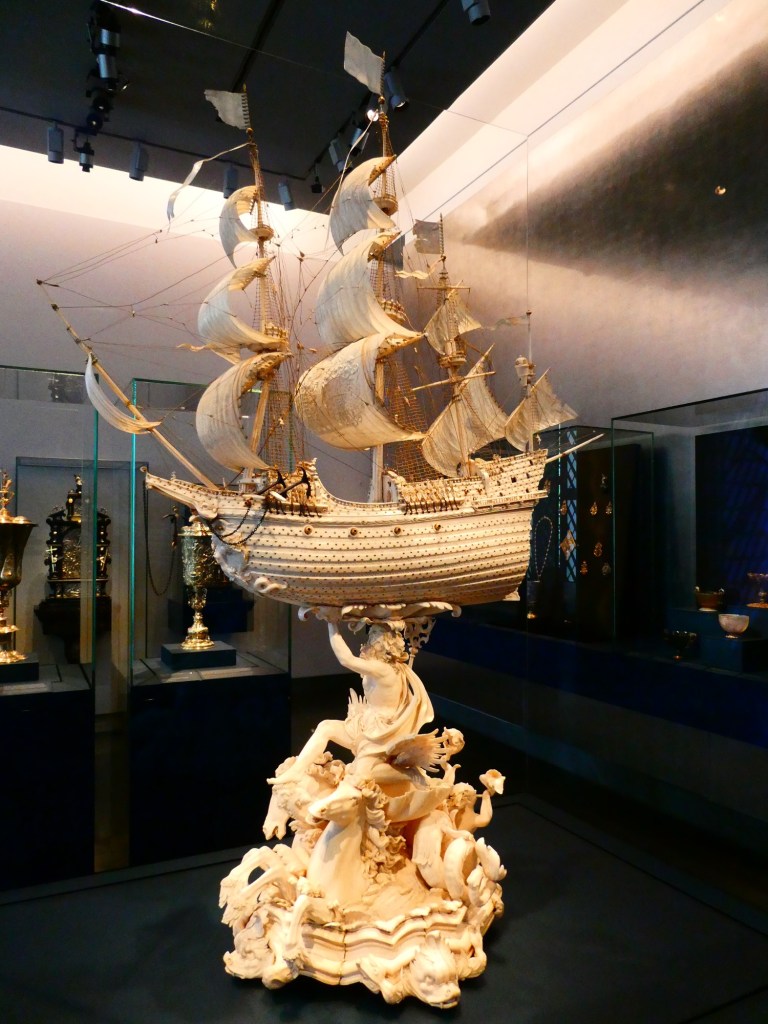
After lunch we returned to Dresden for the highlight of the day, the Green Vault in the Zwinger Palace. This area had the beautiful treasures collected by August the Strong, we saw the gold, silver, gemstone and ivory collection. The items were exquisite. We were told that all of these treasures had been taken to the Soviet Union during the war, but had been returned after the war ended and Dresden had been rebuilt.

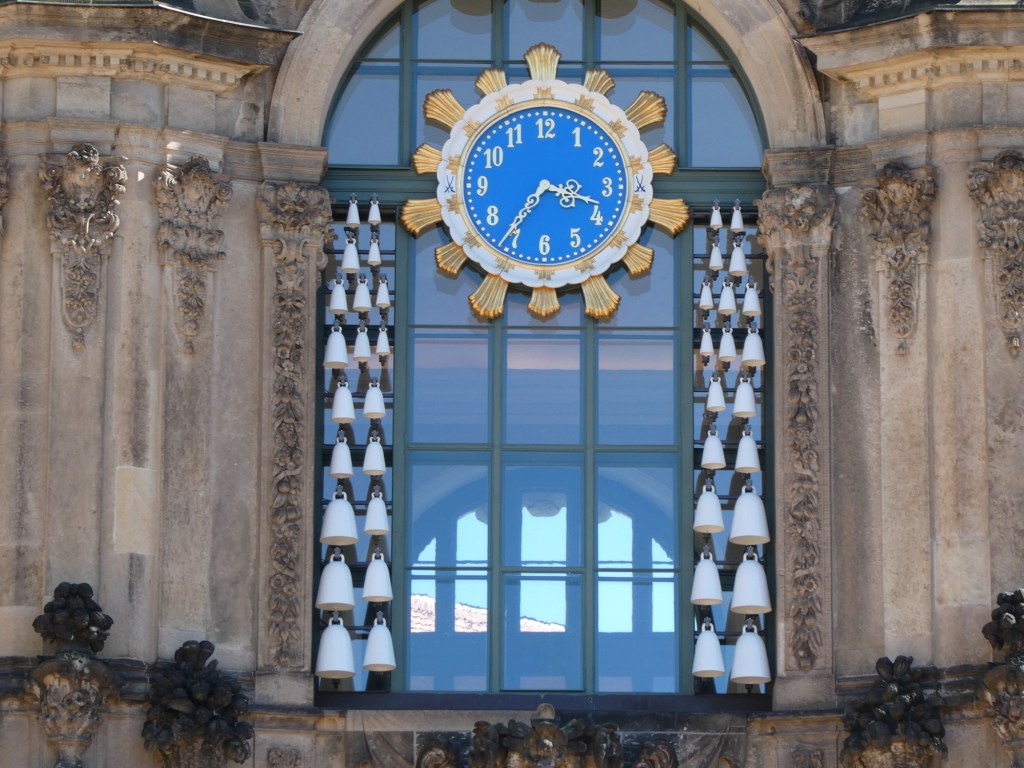
Meissen bells
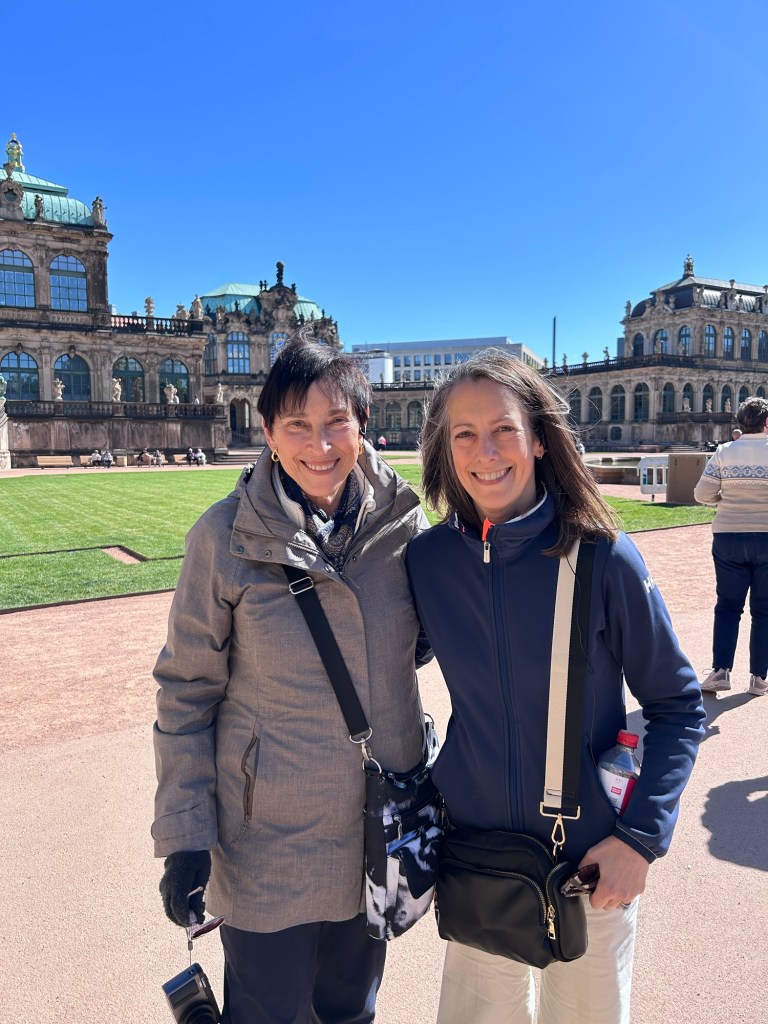
The outside of the room we had gone to for the concert the evening before
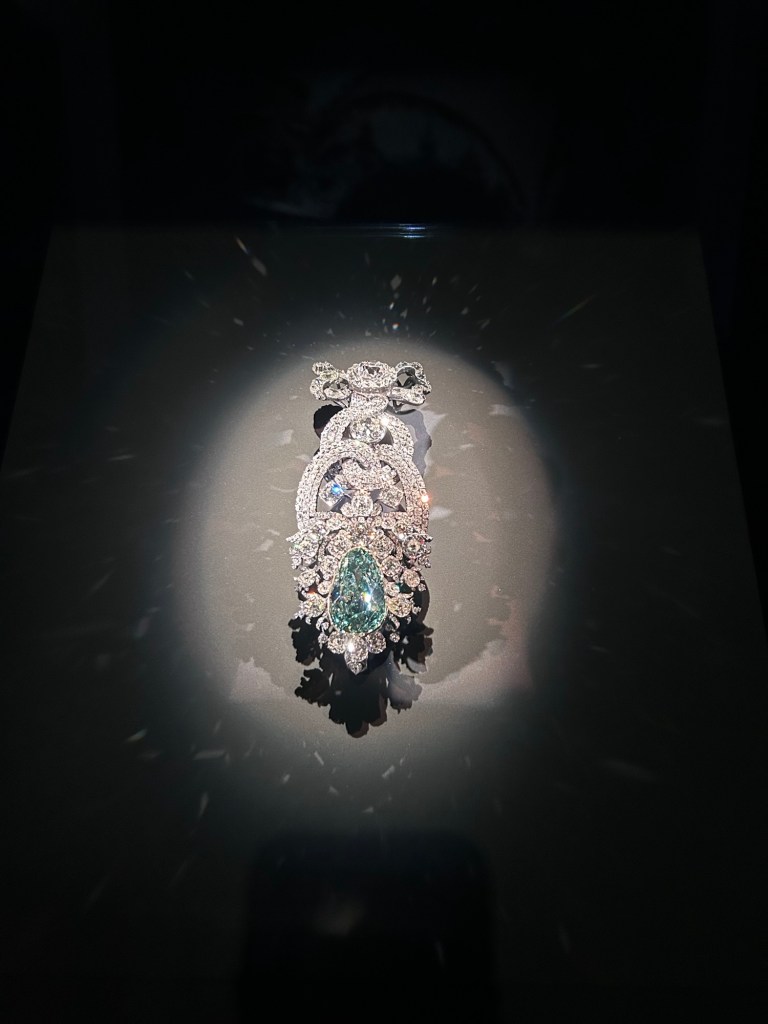
The famous 40 carat blue diamond

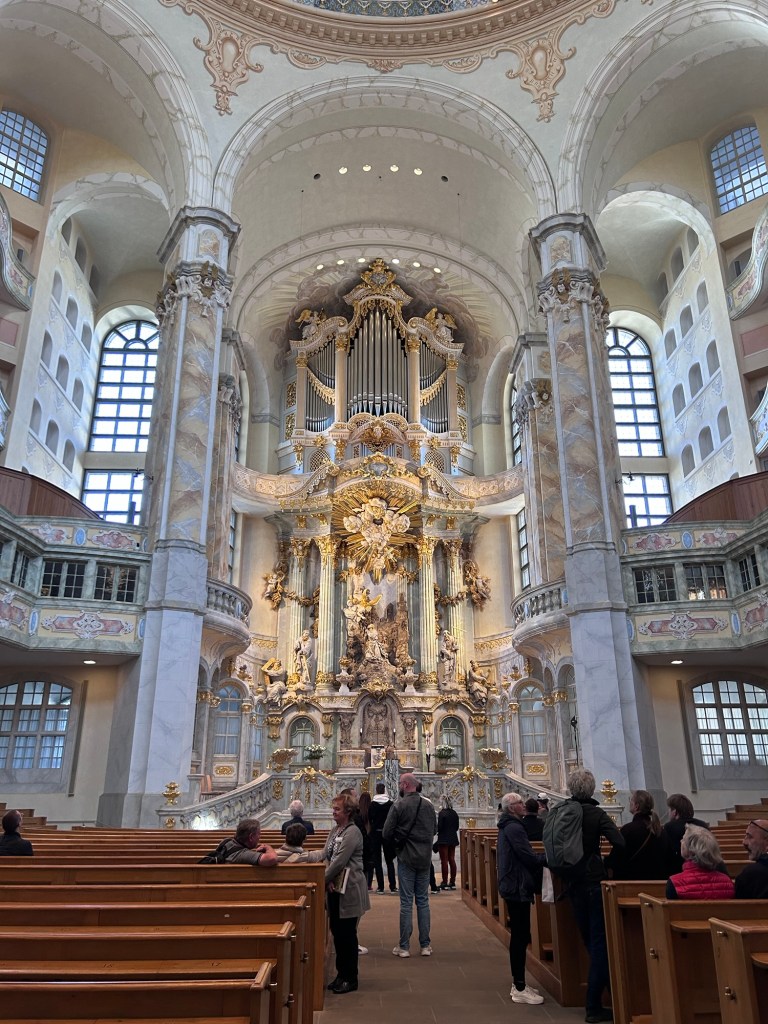
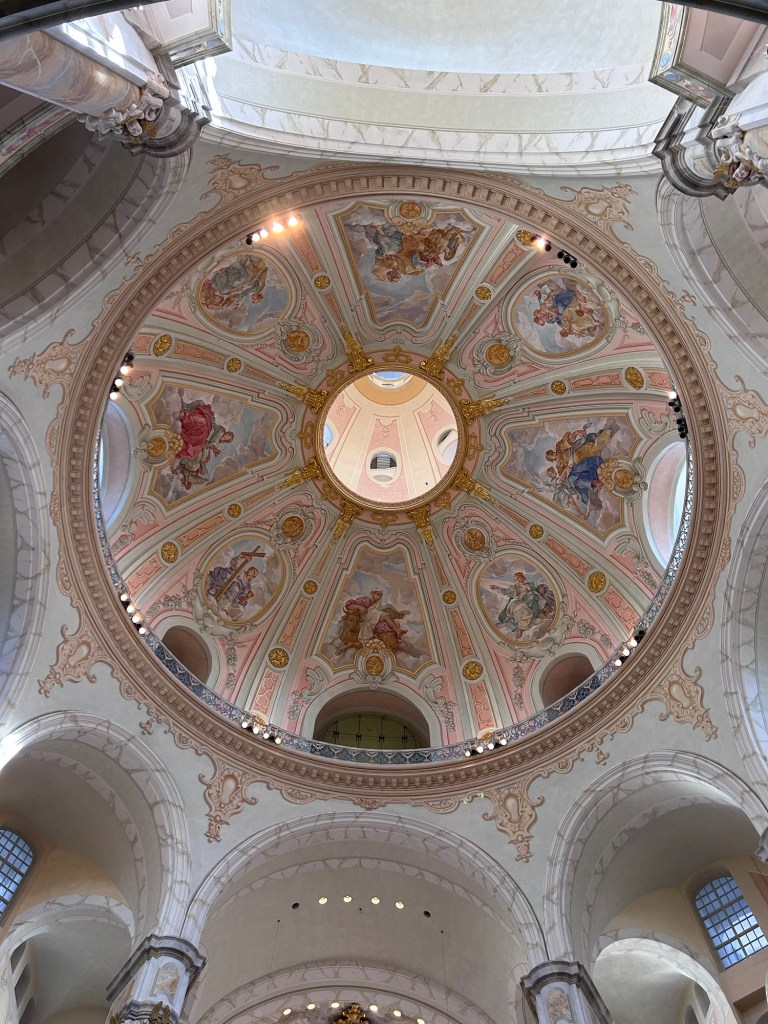
Before returning to our boat we were able to go into the church we only saw the outside of in the morning.

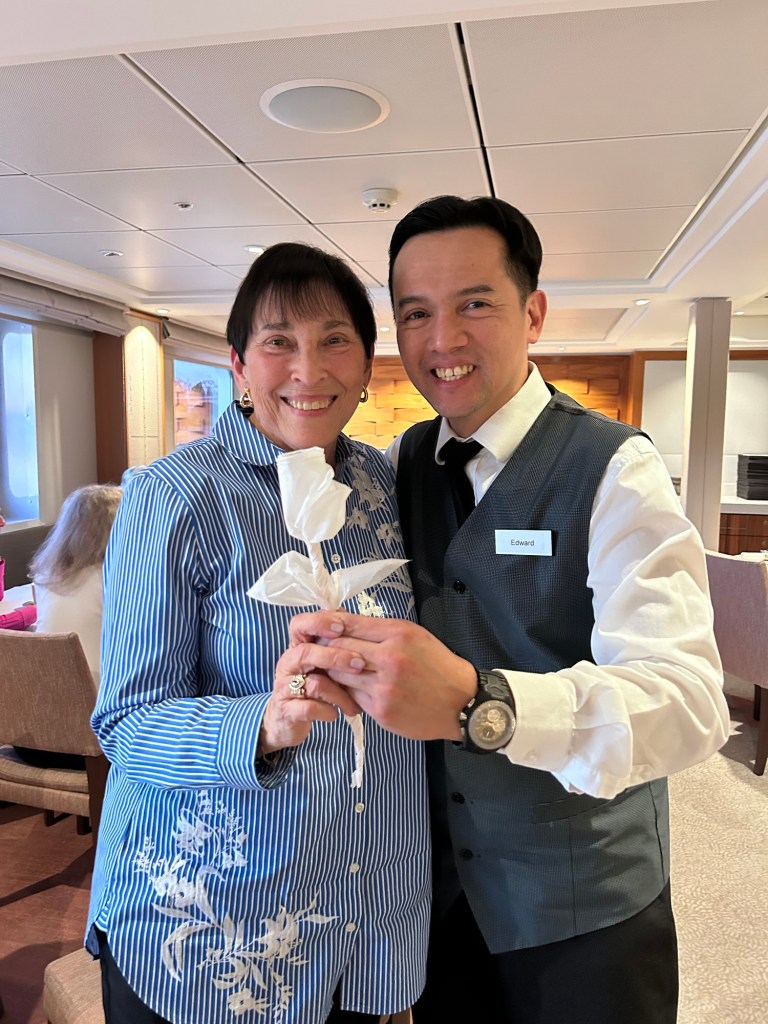
As if this was not enough of a day, Jennifer had arranged for a cake at dinner to celebrate my 80th birthday. Our waiter Edward made me a rose from a paper napkin. It was truly a lovely day.

Categories: Uncategorized | Leave a comment

We were busy in Bad Schandau

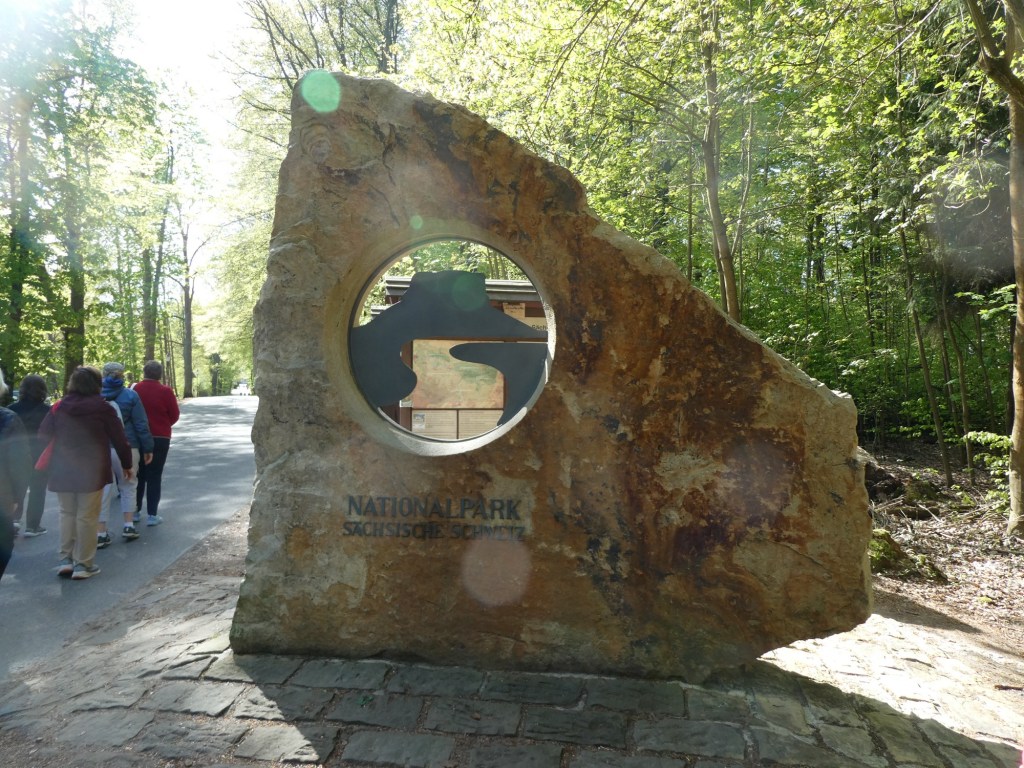
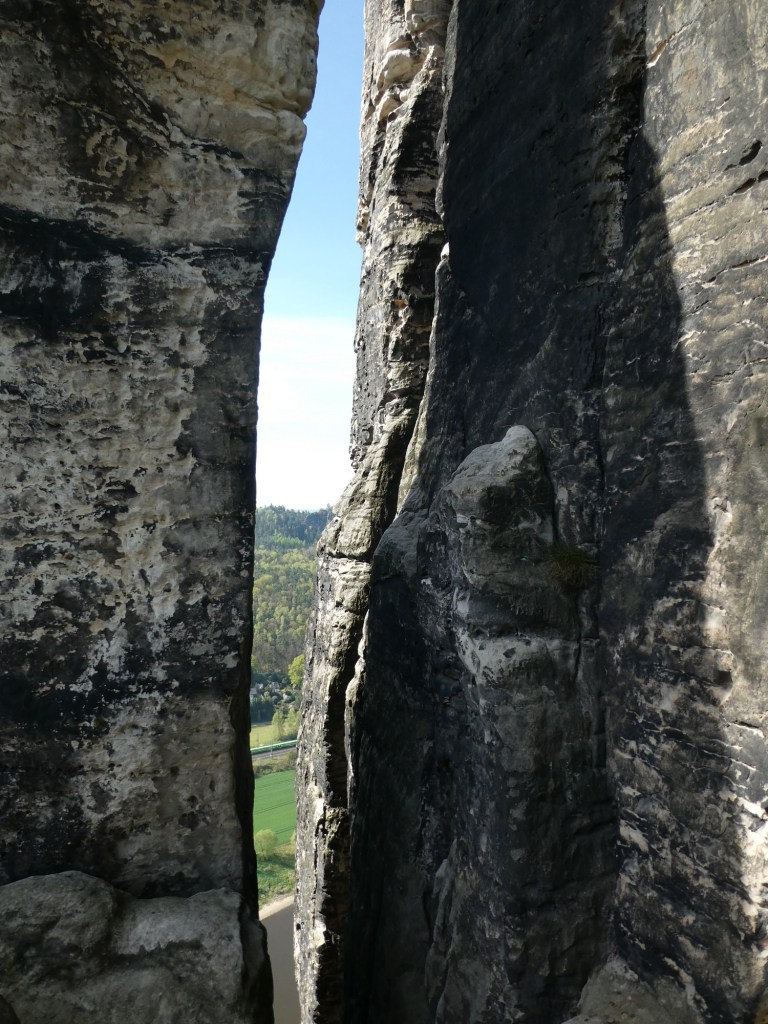
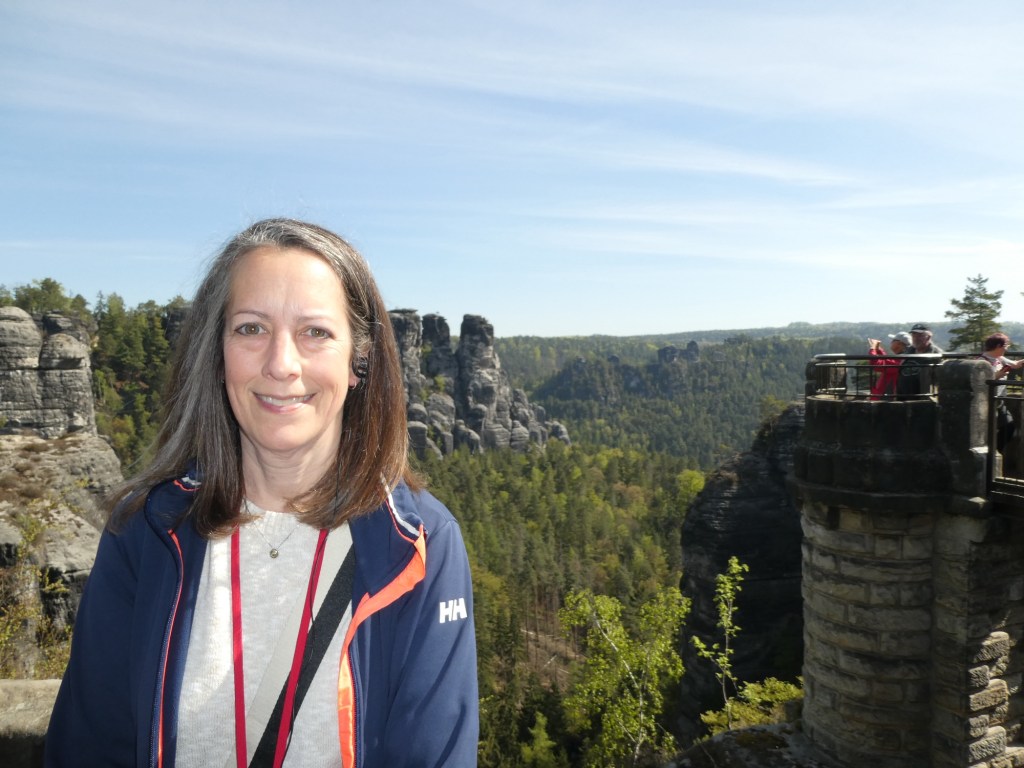
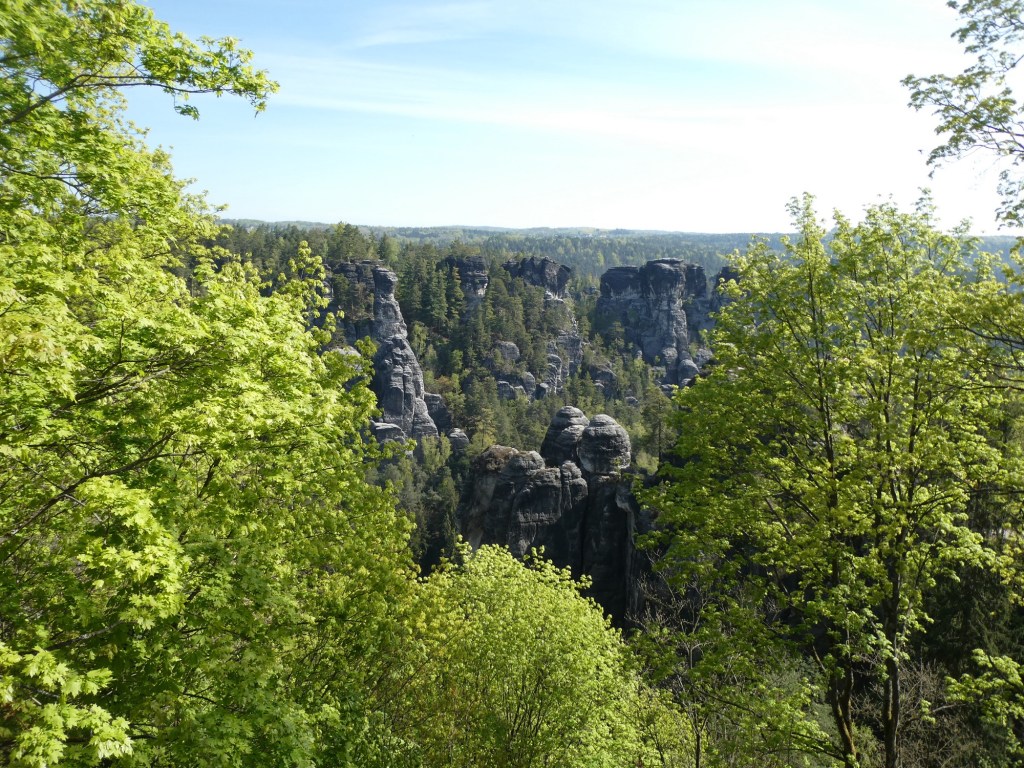
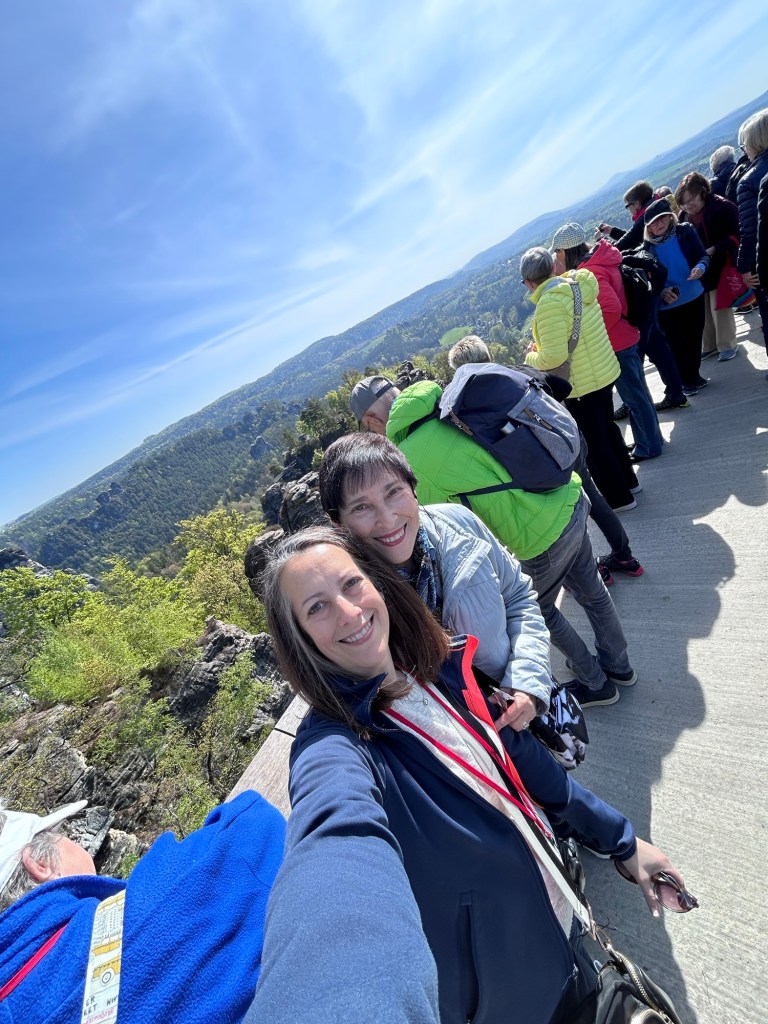
We started a morning tour to Bastei, a famous rock formation. This area is in the Elbe Sandstone Mountains which are millions of years old. The area had sediment from when this land was covered by an ocean and then the land was eroded. The sandstone is yellow in color. This area is also called Saxon Switzerland, called this because of its beautiful landscape. It is within a national park with 30% in the Czech Republic and 70% in Germany. This area is known for its hiking and rock climbing.

We started by walking to an observation platform. We were able to see the various rock formations and the valleys. Then we climbed down to cross the famous stone bridge. We went to several other view points before returning to our bus and then the ship.

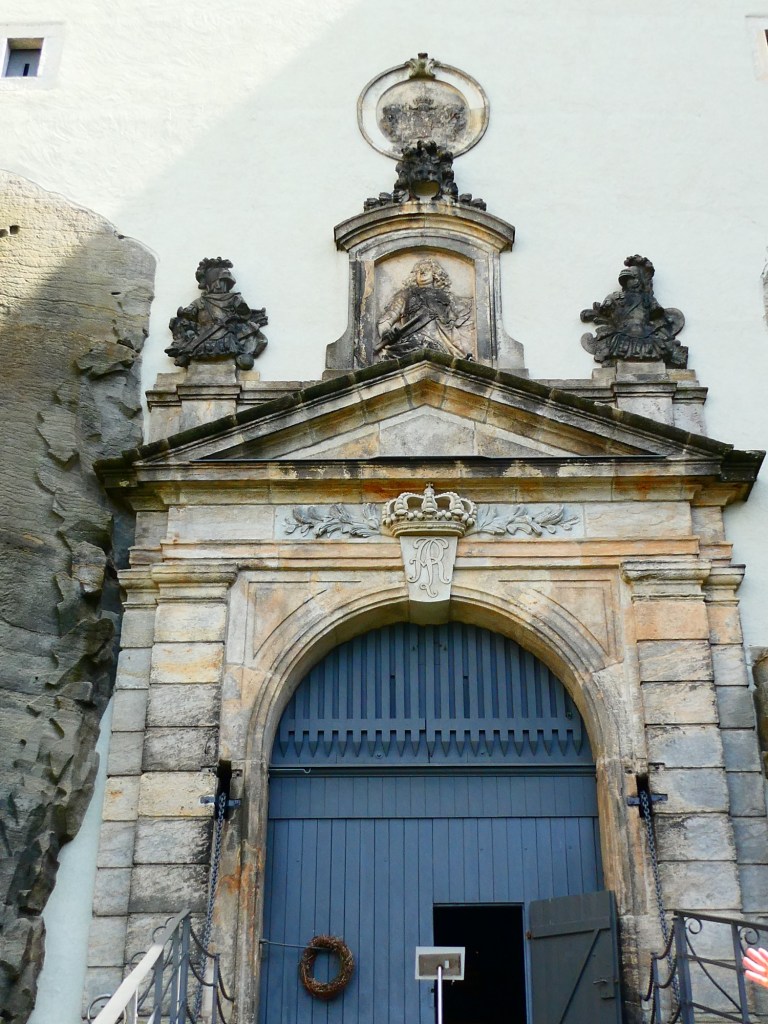
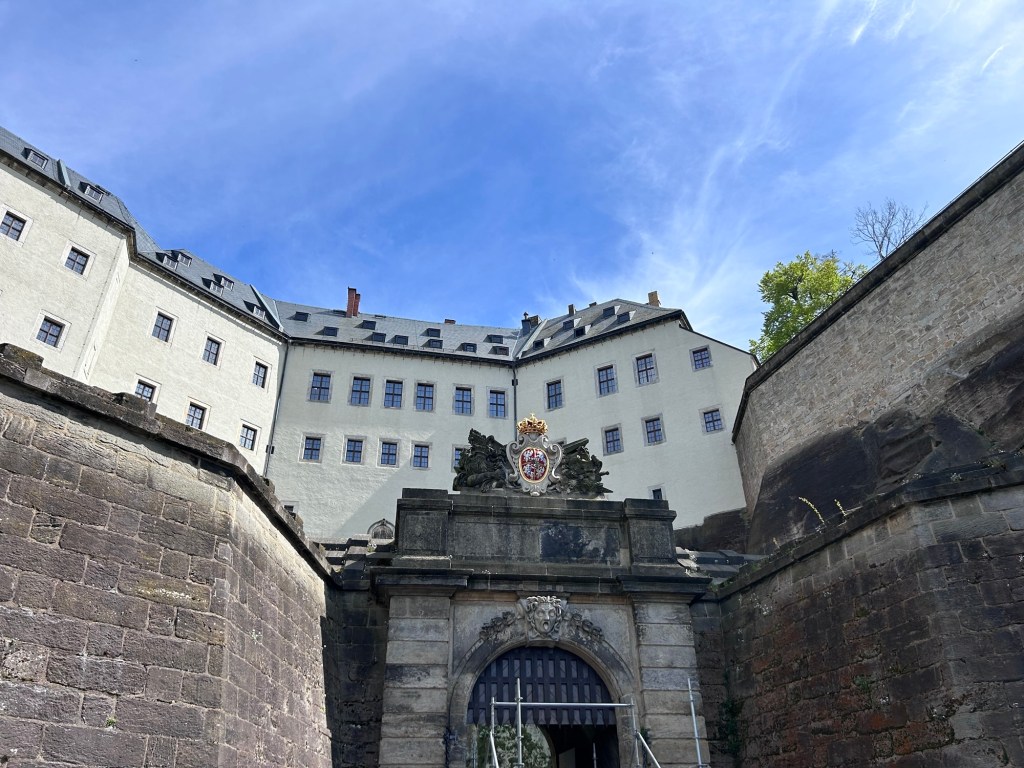
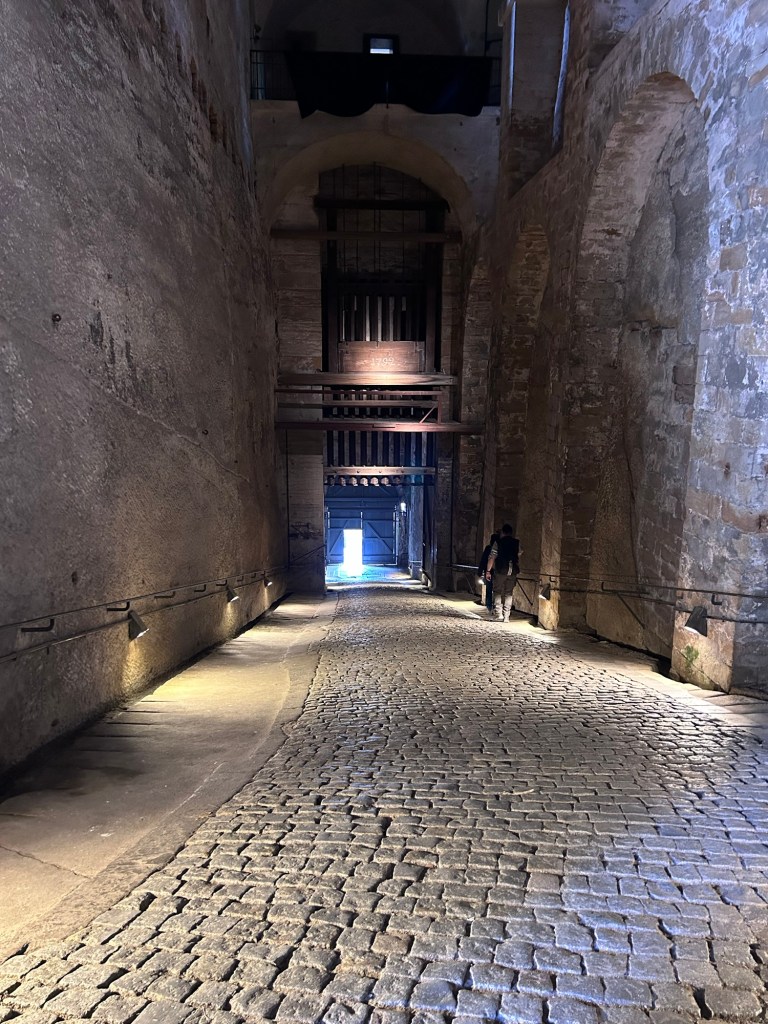
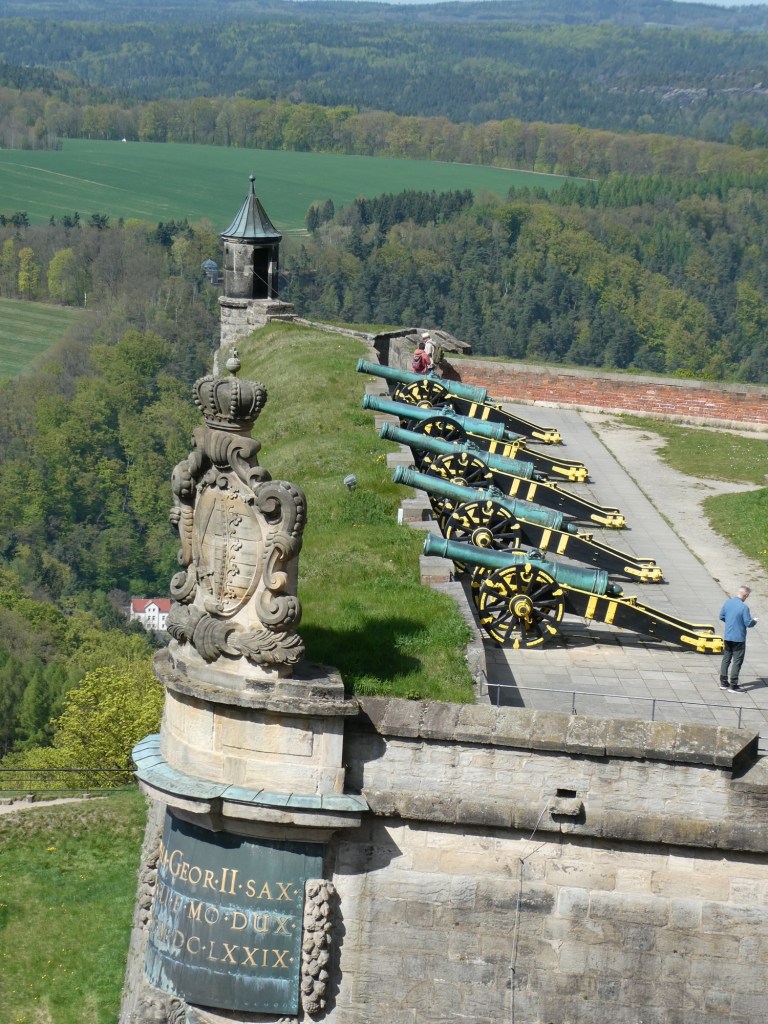
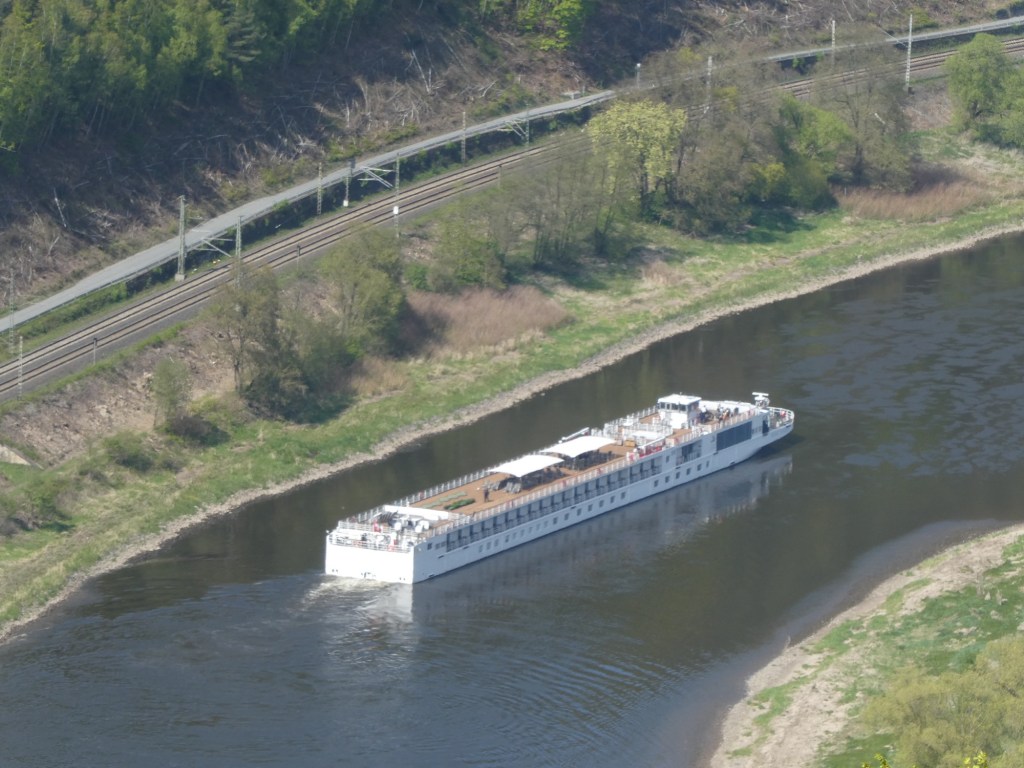
After lunch at the ship we went to a fortress called Königstein. Here we had to climb up the ramps into the fortress/castle. This was our first introduction to August the Strong, the ruling king of this region. He was very progressive and collected art and other things as well as building beautiful palaces all over the Saxony region. We toured the various buildings and squares. This was the first castle built by a Bohemian king. It has the deepest well in Germany. At one lookout over the Elbe River we saw our ship sailing between Bad Schandau and Dresden. It was used as a fortress until 1913, but now is a museum. It was never conquered and had the ability to store enough food for 1.5 years.

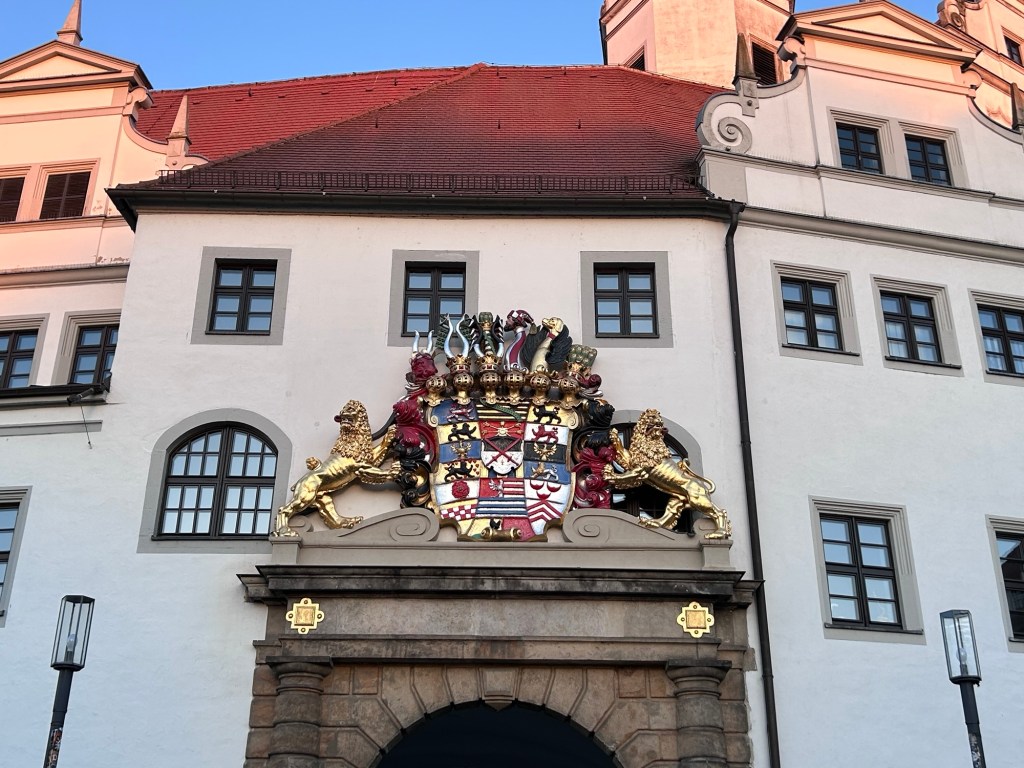
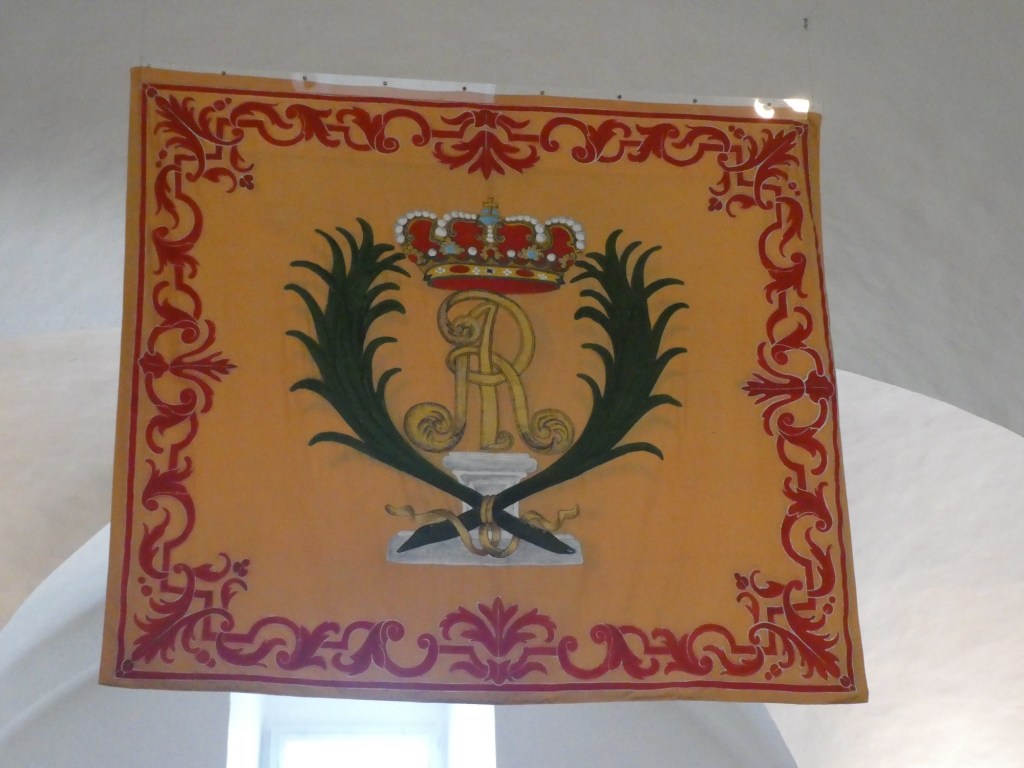
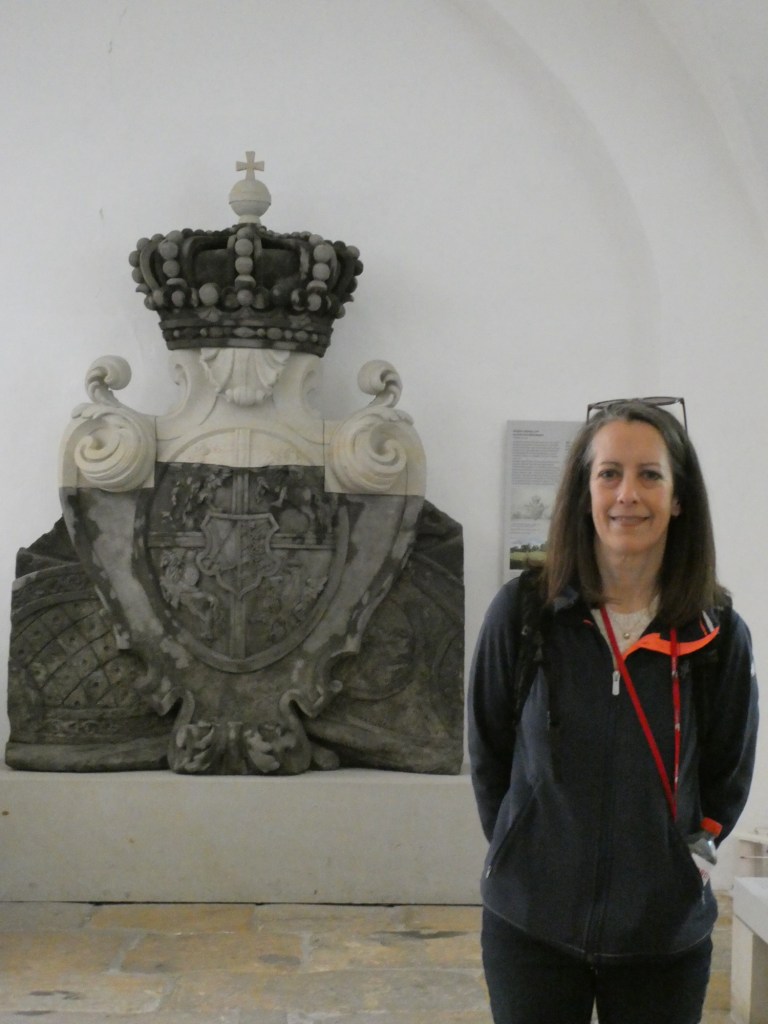
August the Strong’s crest
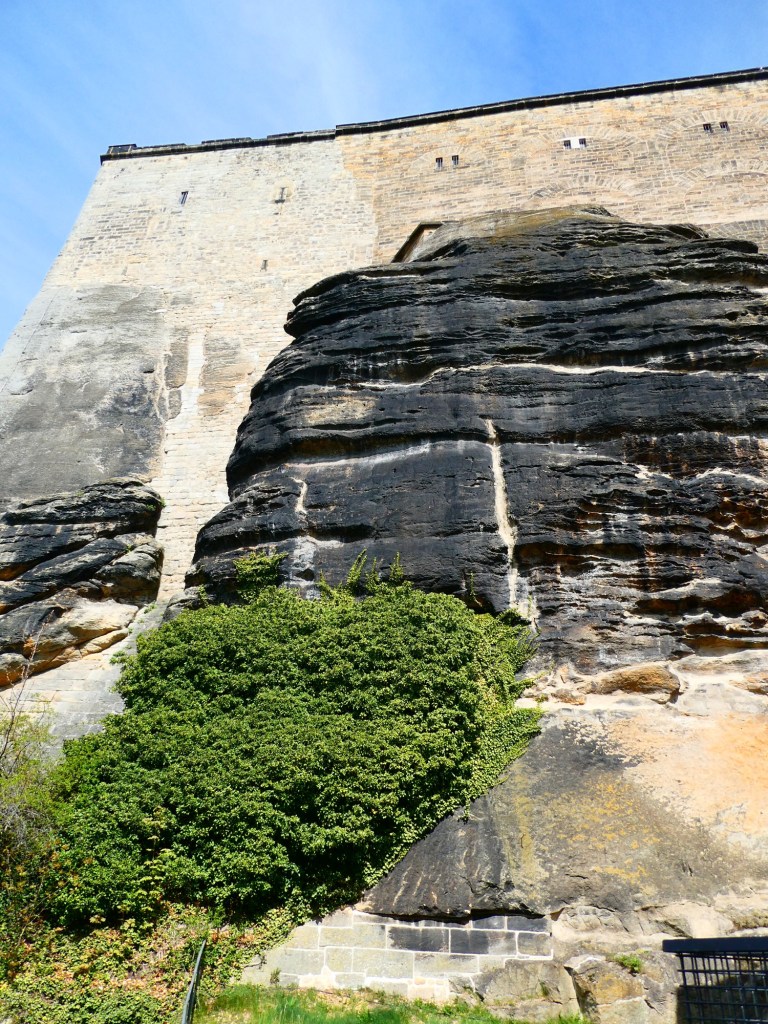
Looking up to the fortress at the top
Looking down the ramp we climbed to get to the top of the hill and into the fortress

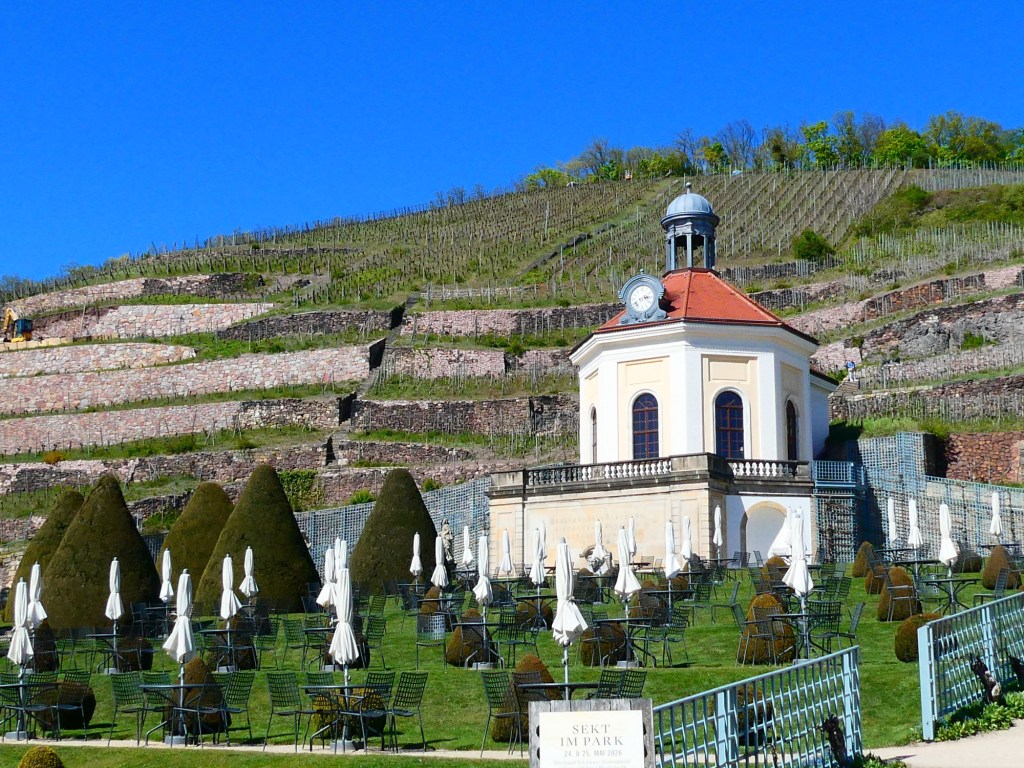
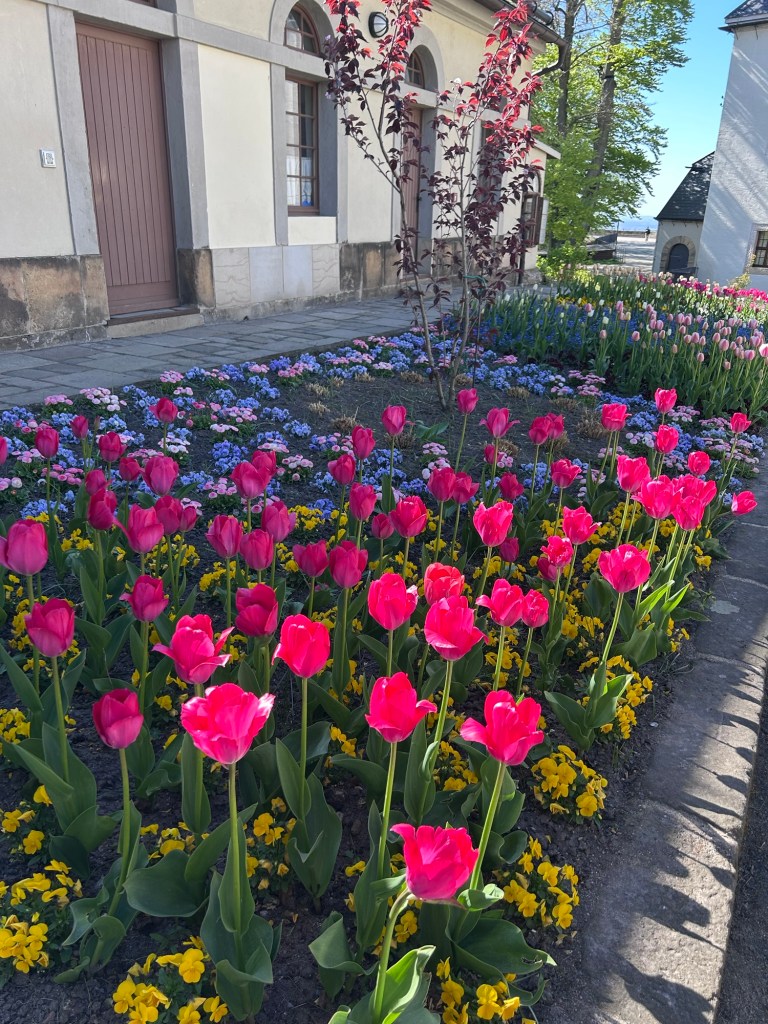
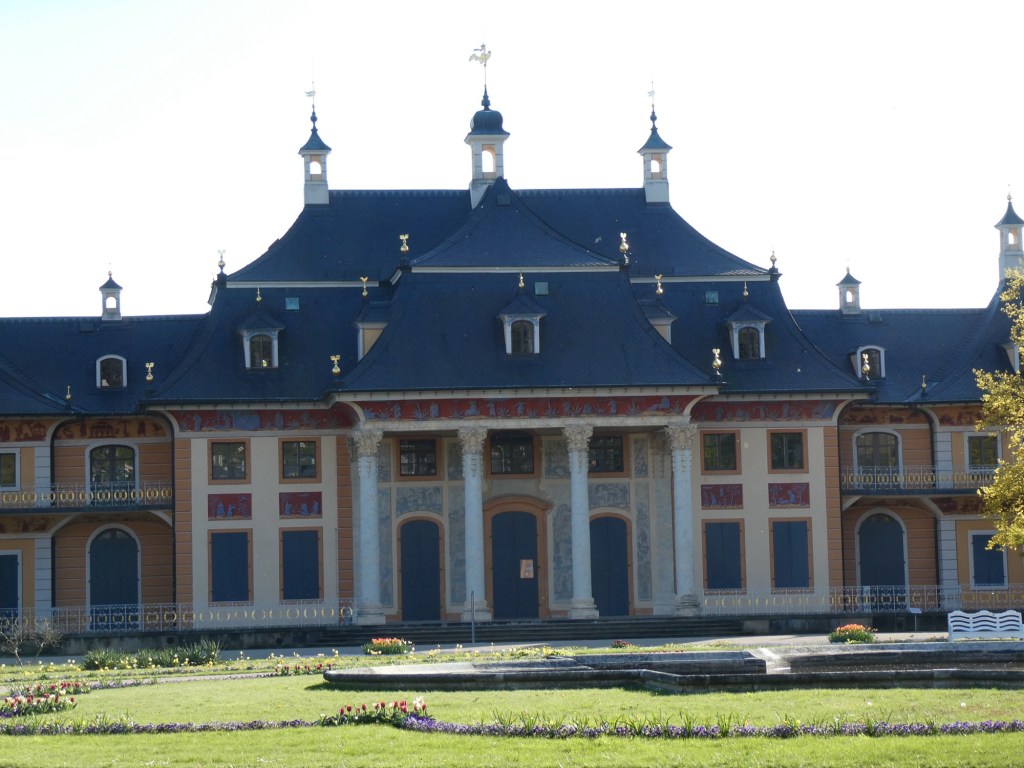
Then before reaching Dresden we stopped at another palace of August the Strong to see the beautiful gardens.

One wing of this palace

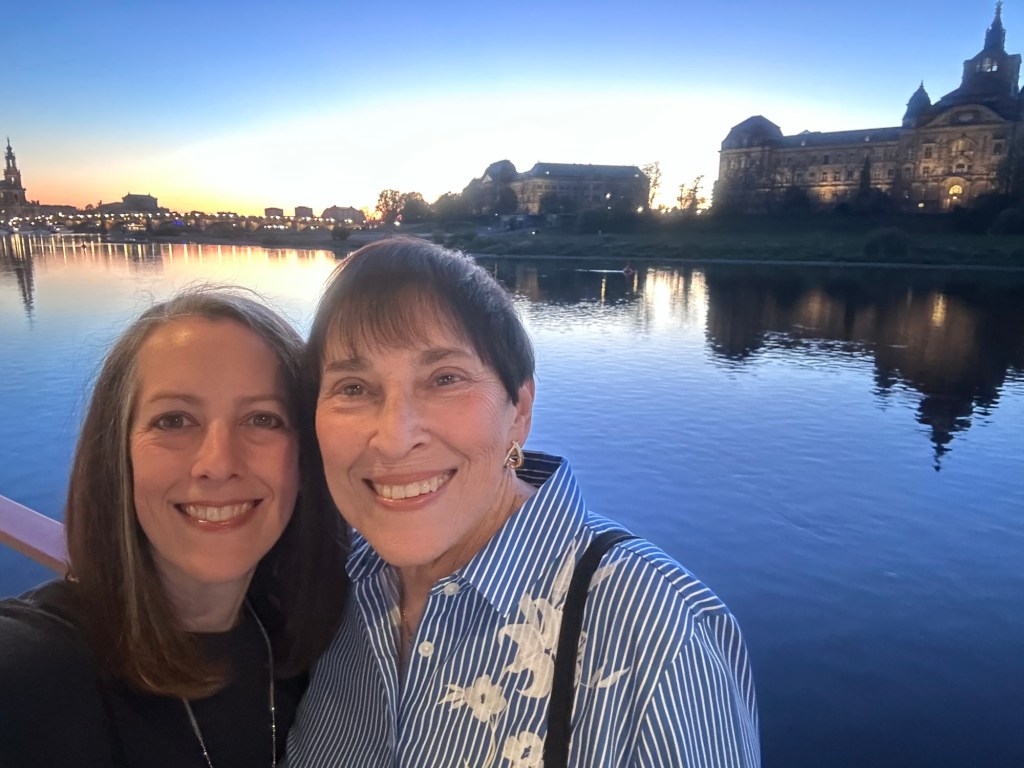
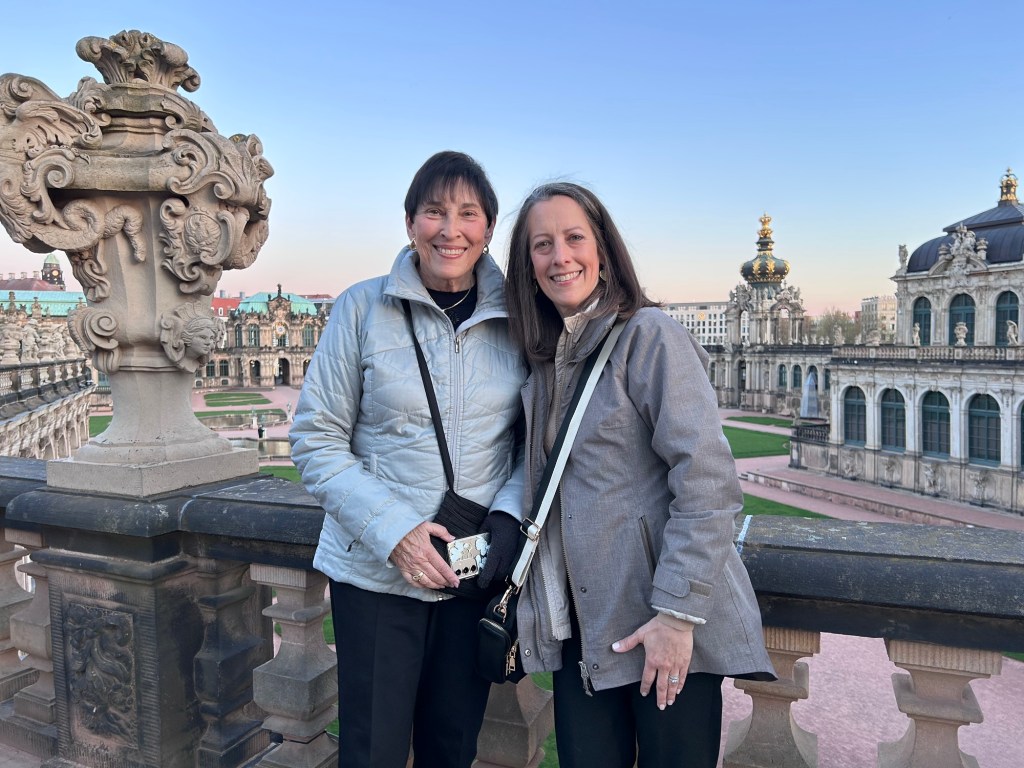
After dinner we went to a classical music concert in the Zwinger Palace in Dresden. We got to see the buildings lit in the main museum square. It was a beautiful evening and the music fantastic.

Categories: Uncategorized | Leave a comment

Blog at WordPress.com.