
Algiers is the administrative, political and economic capital and largest city of Algeria as well as the capital of the Algiers Province. The city’s population in 2020 was estimated to be around 4,500,000. Located in the north-central part of the country, it extends along the shores of the Bay of Algiers in the heart of the Maghreb region making it among the biggest cities in North Africa, the Arab world and the Mediterranean, making it a major center of culture, arts, gastronomy and trade. It is called the White City because of all the white buildings.
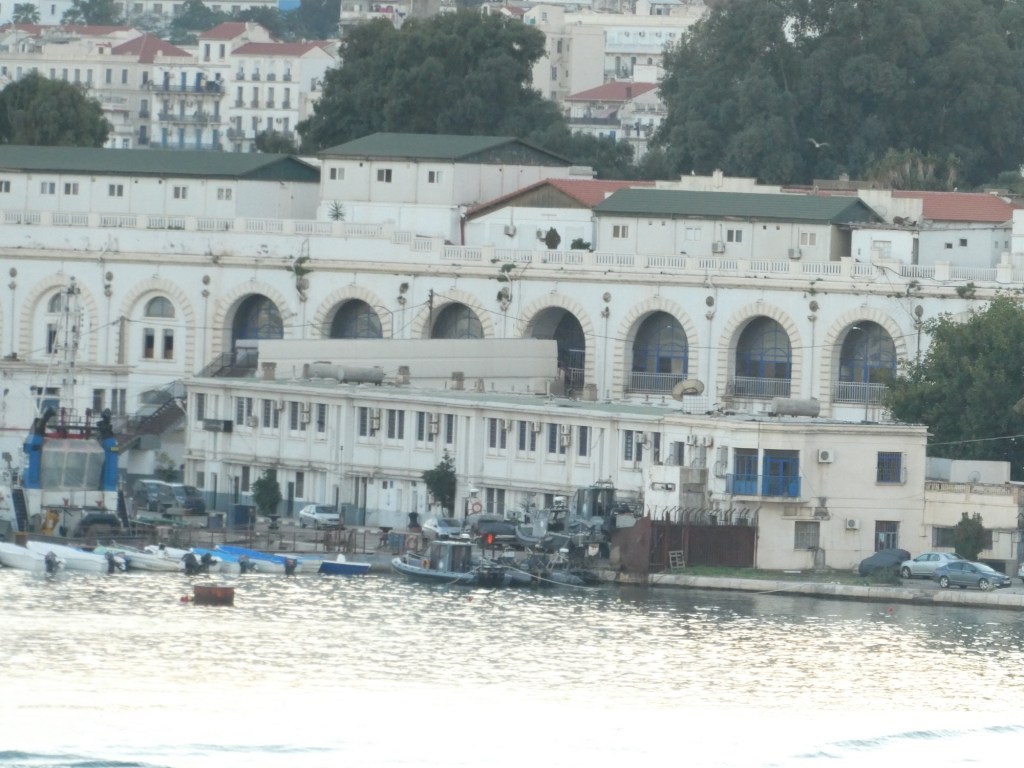

The city’s history is believed to date back to 1200 BC, but it was a small settlement without any significance until around the 3rd century BC when “Ikosim” became a small port town in Carthage where Phoenicians were trading with other Mediterranean ports.
Formally part of the Ottoman Empire but essentially free from Ottoman control, starting in the 16th century Algiers turned to piracy and ransoming. Due to its location on the periphery of both the Ottoman and European economic spheres, and depending for its existence on a Mediterranean that was increasingly controlled by European shipping, backed by European navies, piracy became the primary economic activity. Repeated attempts were made by various nations to subdue the pirates that disturbed shipping in the western Mediterranean and engaged in slave raids as far north as Iceland.
The French came to Algeria in 1830 and continued to rule here for over 100 years. Algeria gained its independence in 1962. About 80% of the country lies in the Sahara. All healthcare and education is free for all citizens. The country is a democracy. We passed many apartment blocks which were built by the Chinese. They have 20 desalination plants which provide 2 million gallons of water daily.
Our excursion took us out of town to visit the Royal Mausoleum of Mauritania and the ruins of Tipasa. Unfortunately we had a difficult time understanding our guide’s explanations. I have used Wikipedia for some information.
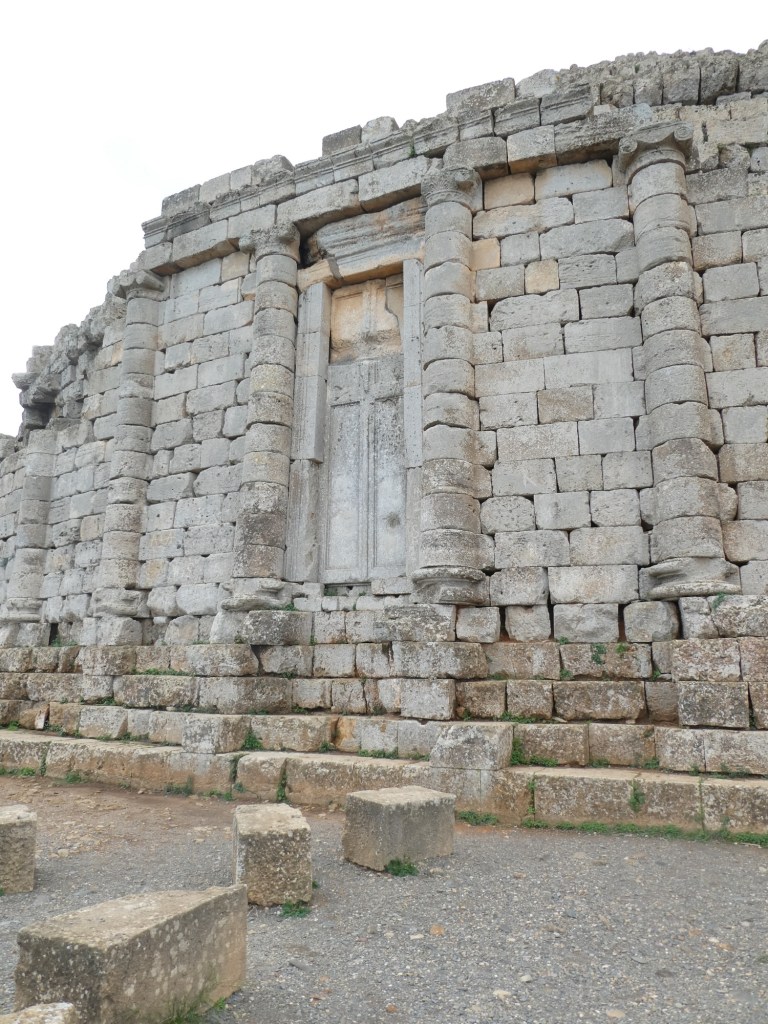
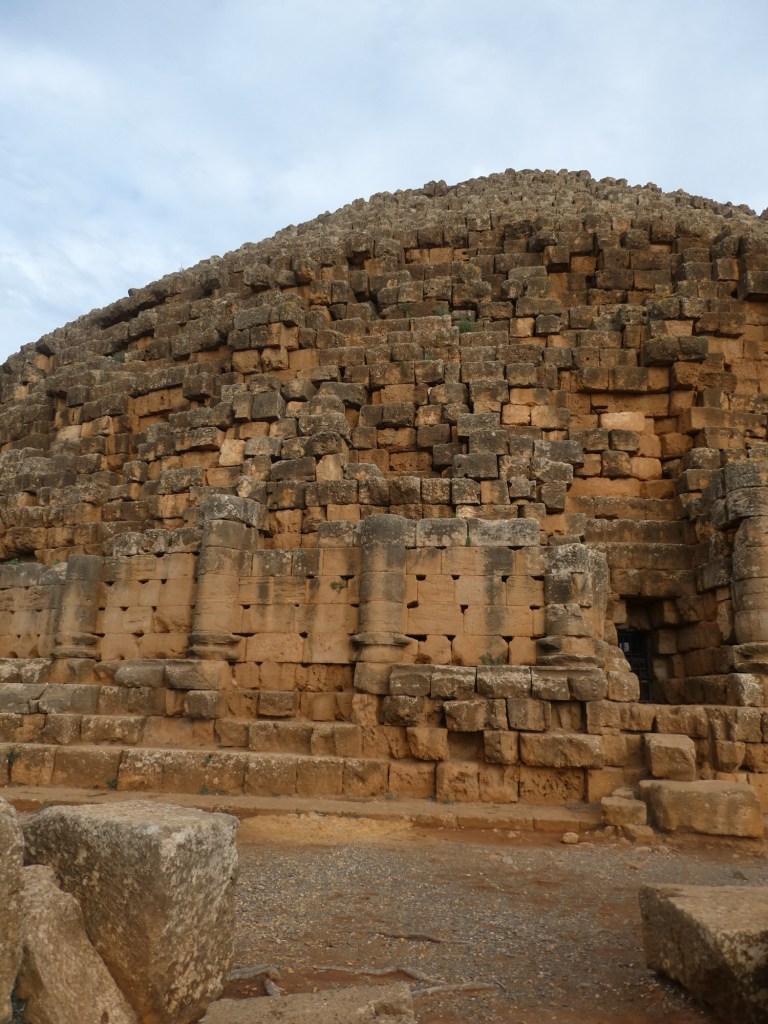
The Royal Mausoleum of Mauritania is located in the Tipasa Province of Algeria. It was built around 3BC. The mausoleum is the tomb of the Numidian Berber King Juba II and the Queen Cleopatra Selene II (daughter of the Egyptian Cleopatra) sovereigns of Numidian and Mauritania who were allegedly buried here. There are currently no human remains on the site. The monument is built from stone and is circular, with a square base topped by a cone like structure, looking somewhat like a pyramid.



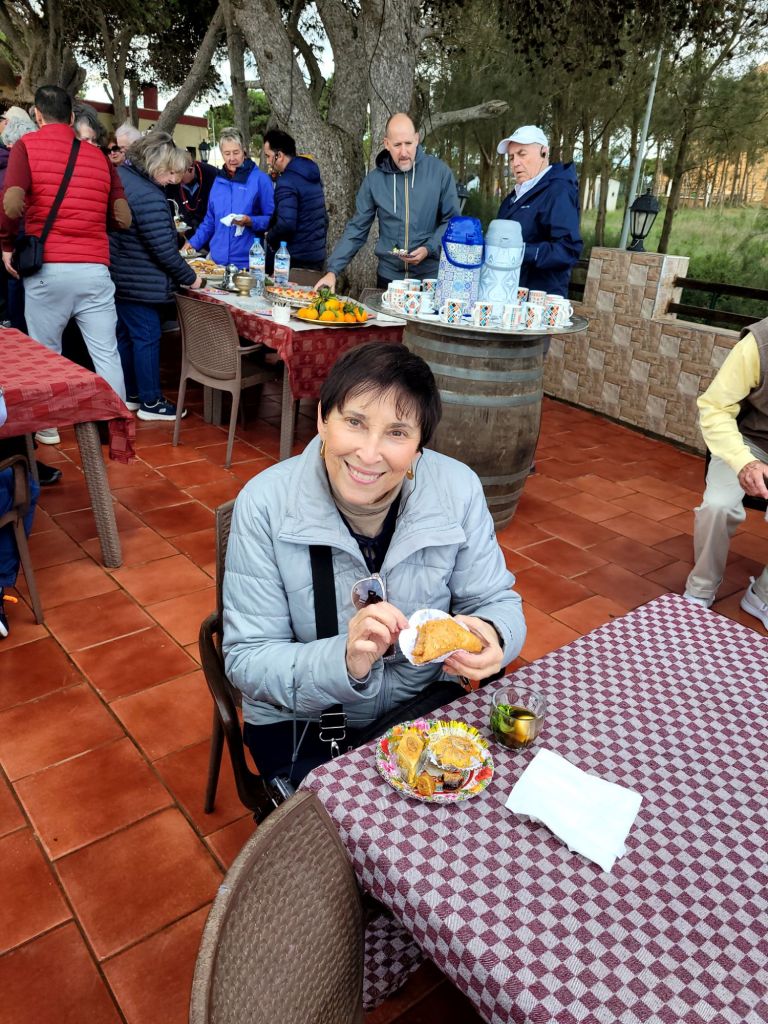
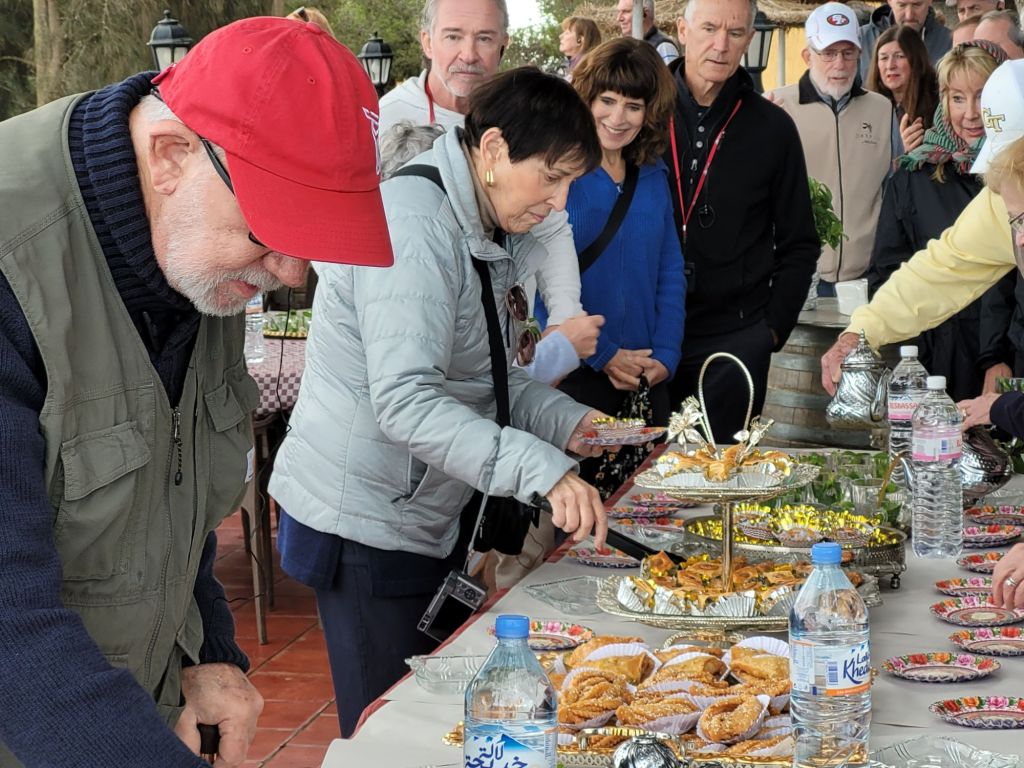
After visiting the mausoleum we were treated to tea and traditional Algerian sweets. There were about 8 varieties of sweets to include some really good, but very sticky baklava.


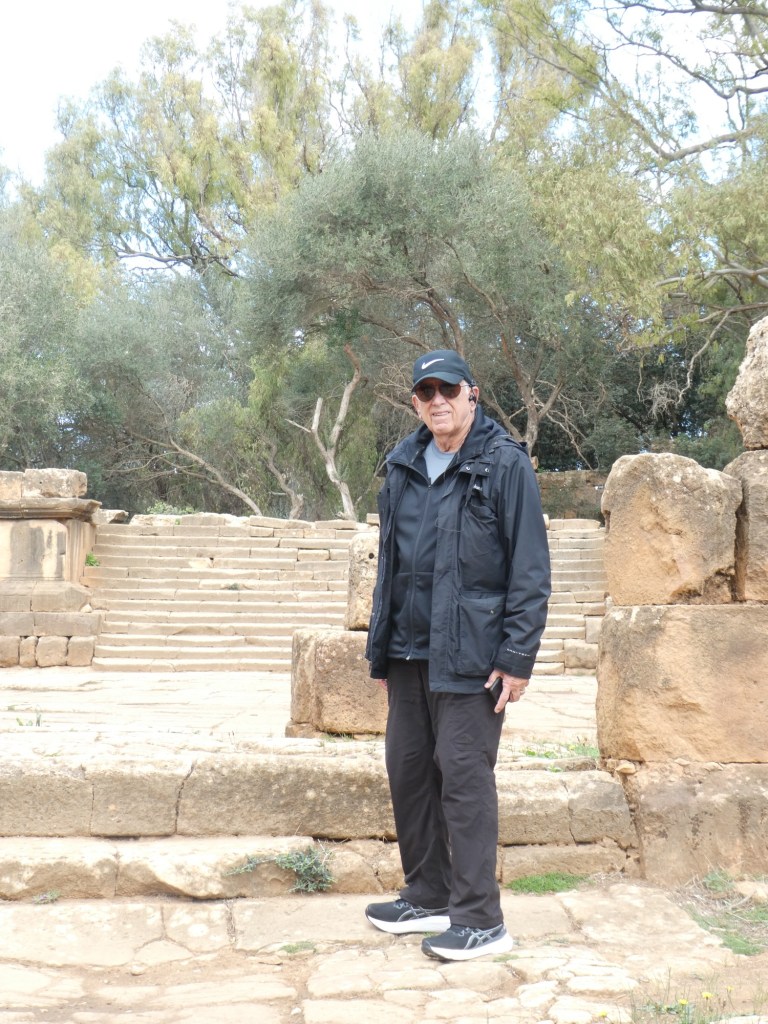
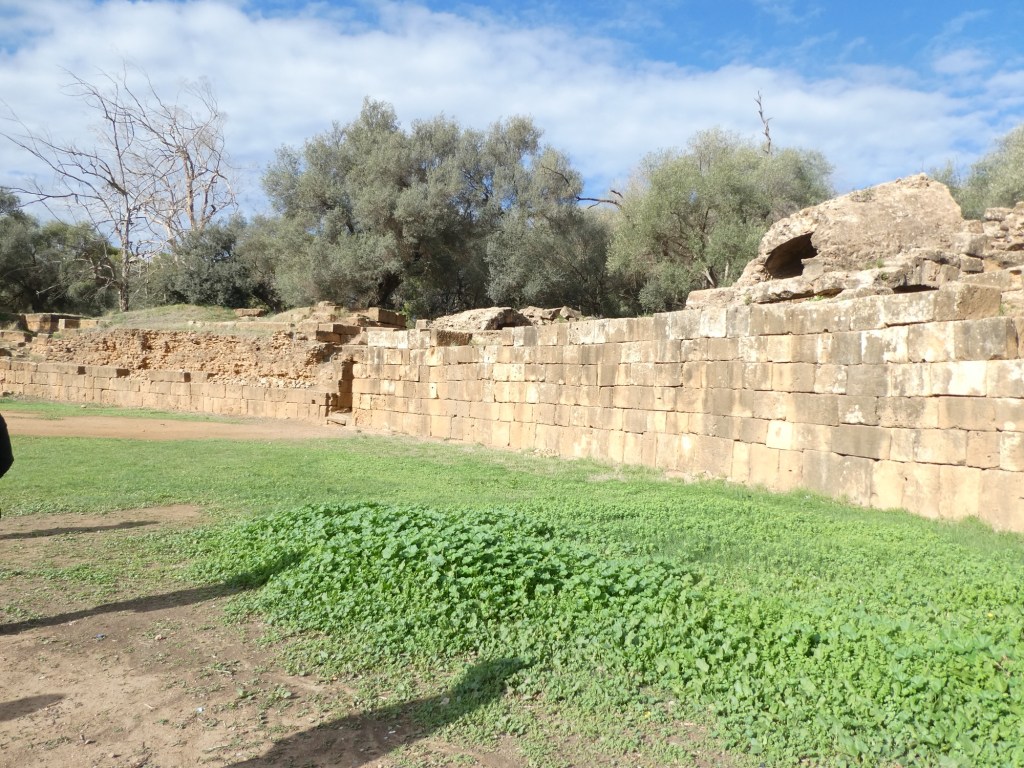
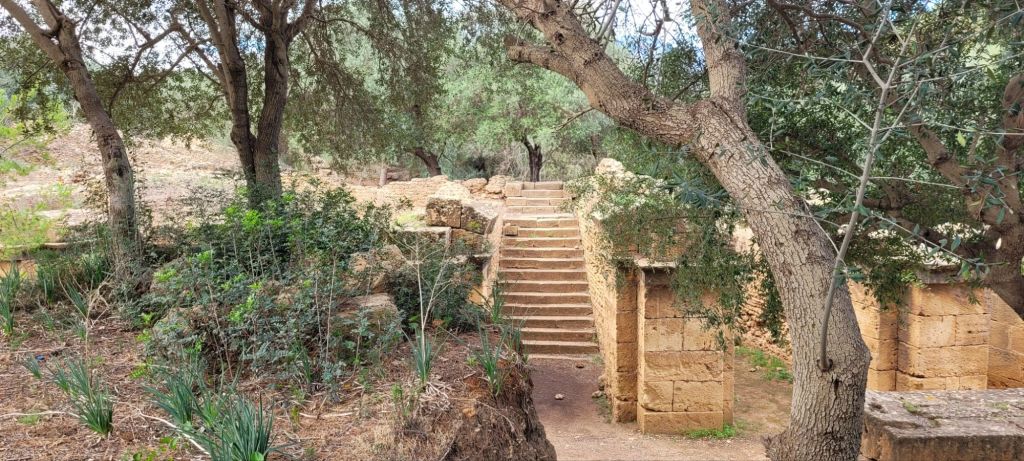
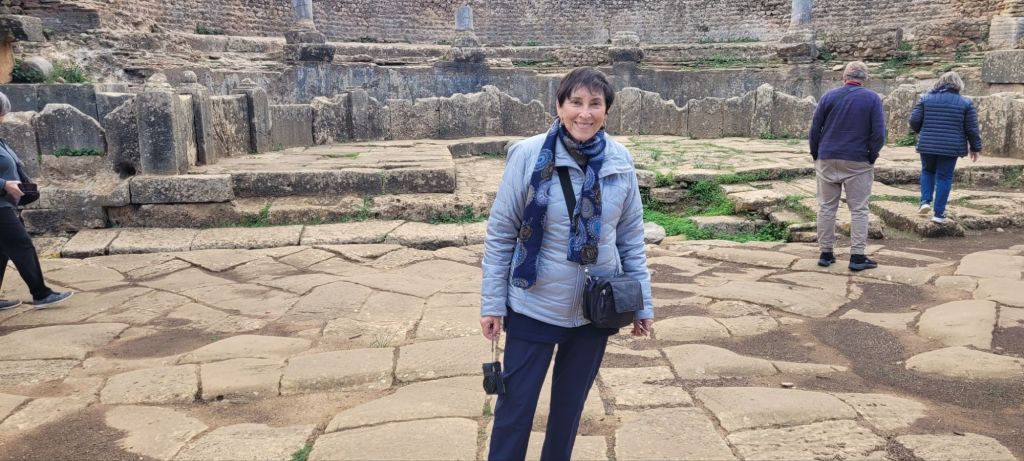
Then we were off to the ruins of Tipasa. Initially the city was a small ancient Punic trading-post. Conquered by Ancient Rome, it was turned into a military colony by the emperor Claudius for the conquest of the kingdoms of Mauritania. The Roman city was built on three small hills which overlooked the sea, nearly 20 km. east from Caesarea. Of the houses, most of which stood on the central hill, no traces remain; but there are ruins of three churches — the Great Basilica and the Basilica Alexander on the western hill, and the Basilica of St Salsa on the eastern hill, two cemeteries, the baths, theatre, amphitheatre and nymphaeum. The line of the ramparts can be distinctly traced and at the foot of the eastern hill the remains of the ancient harbour. We followed our guide through all the ruins climbing from one hilltop to the next.



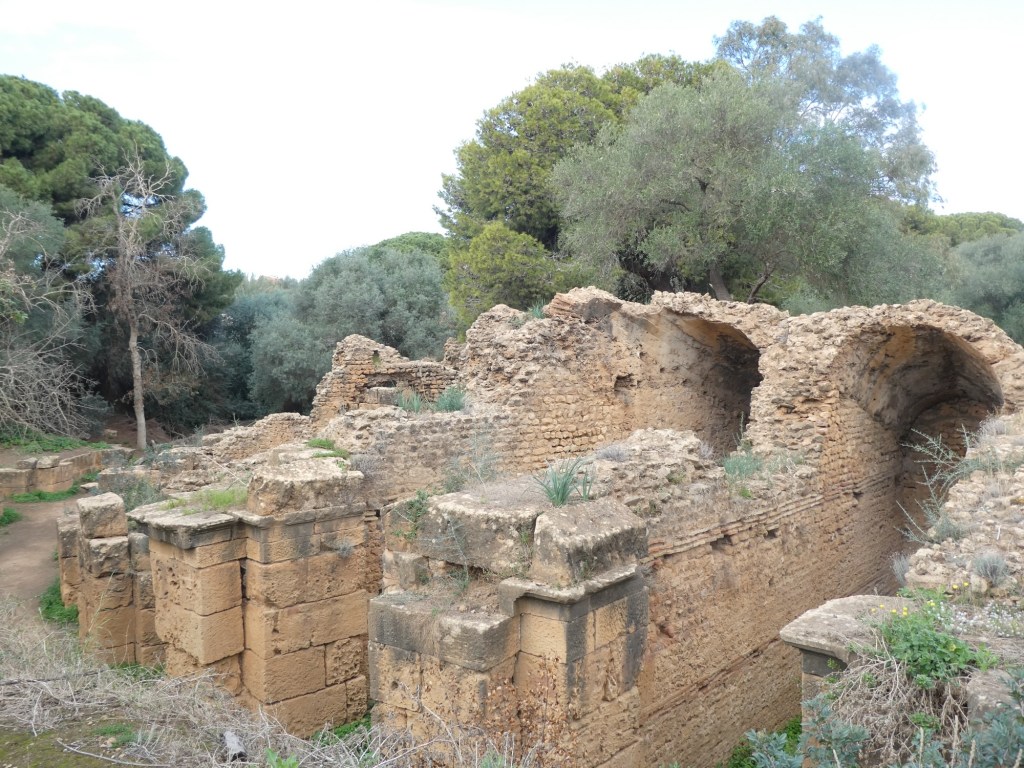

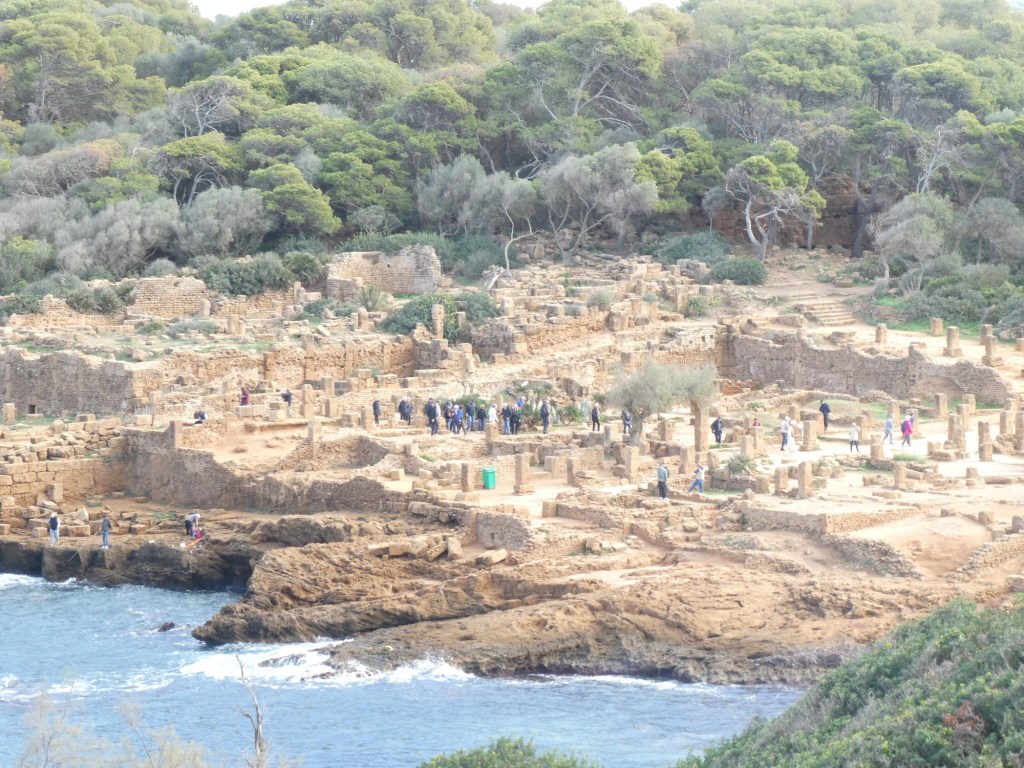

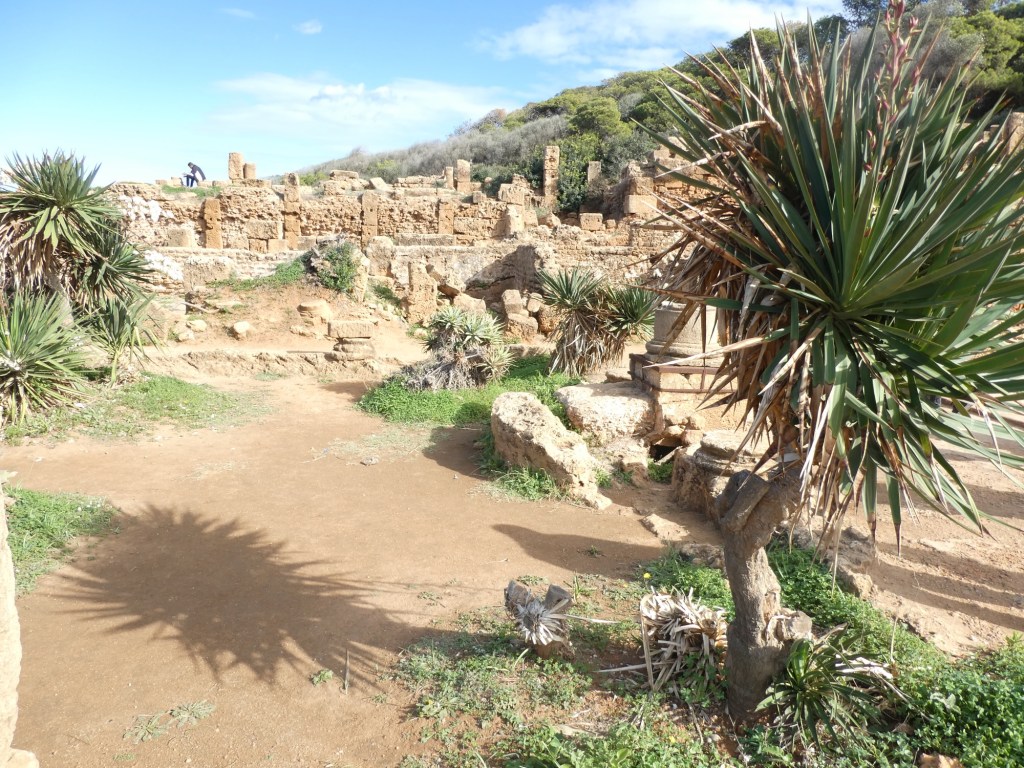
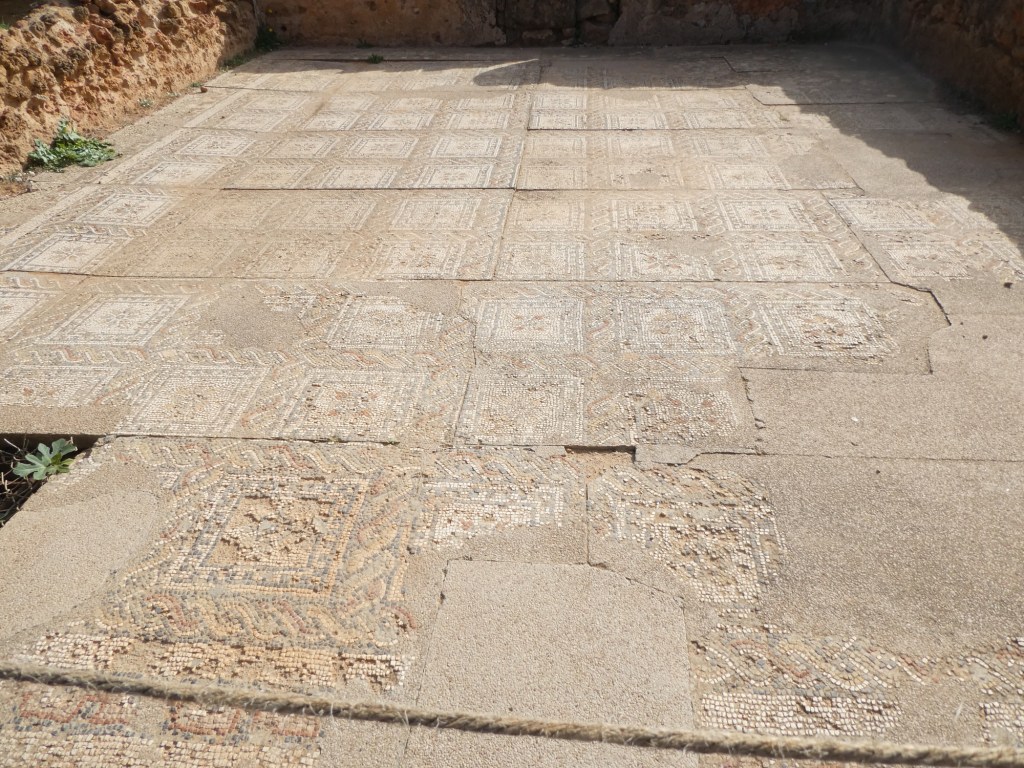



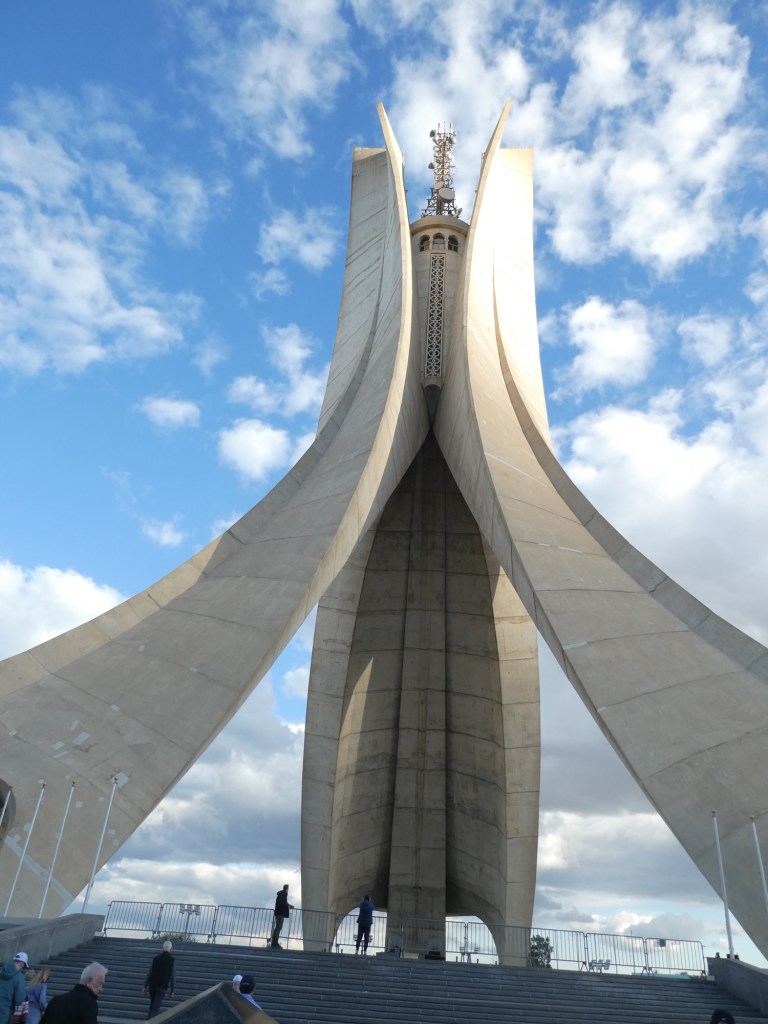
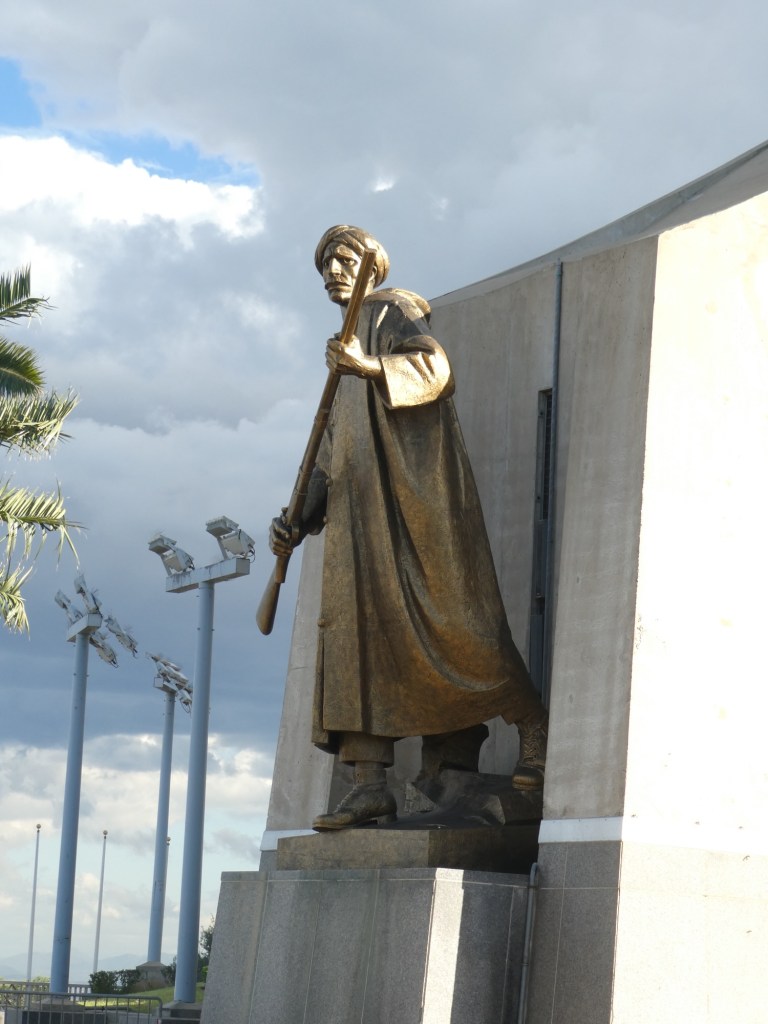
After we left the archeological site we returned to Algiers where we had a final stop at their memorial to those who died in the fight for their freedom as a country.

All in all a very interesting day, seeing such unique and interesting places.
 Bette and Bob See the World
Recent Comments